
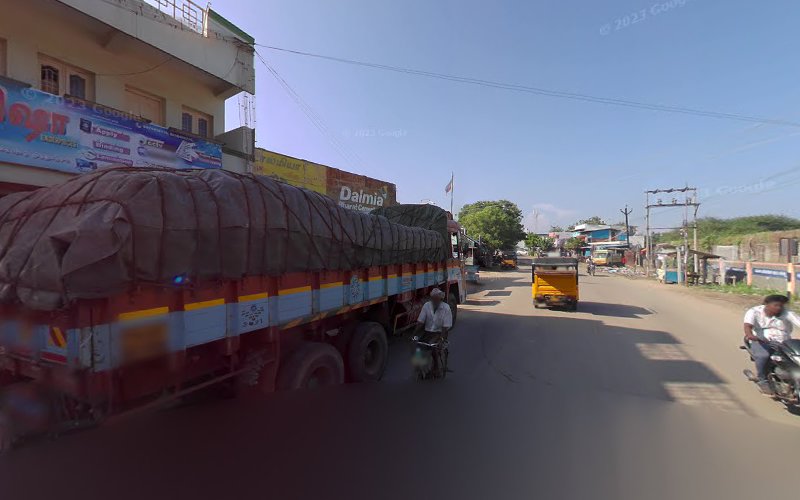
SH 49 & East Coast Rd
About SH 49 & East Coast Rd
Description
The intersection of SH 49 and East Coast Road represents one of those peculiar places that most travelers pass through without giving it much thought, yet it serves as an absolutely crucial junction for anyone exploring the coastal regions. I've driven through this spot more times than I can count, and each time I'm reminded of how these seemingly ordinary crossroads can actually be the gateway to extraordinary experiences. This particular intersection sits at a strategic point where State Highway 49 meets the famous East Coast Road, creating what locals know as a vital connection between inland routes and the stunning coastal stretches that draw visitors from around the world. It's not just about the roads converging here – it's about the possibilities that branch out in every direction once you reach this point. What makes this intersection particularly interesting for travelers is its role as a decision point. Head one way and you're diving deeper into coastal scenery, with beaches and ocean views becoming your constant companions. Take another direction and you'll find yourself moving inland toward different adventures entirely. The area around this junction has developed organically over the years, with services and amenities popping up to cater to the steady stream of travelers who pause here to regroup, refuel, or simply figure out where they're heading next. The landscape surrounding the intersection tells its own story. You'll notice how the terrain shifts depending on which approach you take – the coastal influence is unmistakable, with that particular quality of light and vegetation that comes from being near the ocean. But there's also evidence of the inland character creeping in, creating this unique transitional zone that somehow captures the best of both environments.Key Features
• Strategic Location: The intersection serves as a primary connection point between major coastal routes and inland highways, making it essential for regional navigation and travel planning • Multiple Direction Options: Travelers can choose between continuing along the coast or heading inland, with each direction offering distinctly different scenery and destinations • Rest and Refuel Opportunities: The area around the junction has evolved to include practical amenities that long-distance travelers appreciate, from fuel stations to quick refreshment stops • Coastal Access Point: This intersection provides one of the key entry points to some of the region's most beautiful coastal stretches and beach communities • Local Traffic Hub: Beyond tourist traffic, the junction serves local communities and offers glimpses into everyday life in the region • Scenic Transition Zone: The surrounding area showcases an interesting blend of coastal and inland landscapes, with unique flora and geographical features • Navigation Landmark: Frequently referenced in directions and travel guides as a waypoint for reaching various destinations along the coast • Photography Opportunities: The junction and its surrounding areas offer surprisingly good spots for capturing the region's natural beauty and road trip momentsBest Time to Visit
Now, calling an intersection a "destination" might seem odd, but timing your passage through this junction actually matters more than you'd think. I learned this the hard way during one particularly memorable trip when I hit this spot during peak holiday traffic – not my finest moment of travel planning, I'll admit. The optimal time to navigate through SH 49 and East Coast Road is during the shoulder seasons, roughly from late September through November, and then again from March to early May. During these periods, you'll encounter significantly less traffic congestion, making it easier to actually stop and appreciate your surroundings or make those inevitable "wait, should we go left or right?" discussions without a line of impatient drivers behind you. Early mornings are golden – literally and figuratively. If you're passing through around sunrise, the light hitting this transitional landscape is absolutely beautiful. There's something about the way morning illuminates the coastal vegetation and creates long shadows across the pavement that makes even a simple road junction feel almost magical. Plus, you'll have the roads mostly to yourself, which is a blessing when you're trying to navigate or just want to pull over safely. Midday during summer months can be challenging. The heat builds up on the asphalt, traffic increases substantially as beachgoers and tourists flow in both directions, and finding a quiet moment to sort out your route becomes difficult. But if you do find yourself here during peak summer, later afternoon – around 4 or 5 PM – tends to be better than midday. Weather considerations matter too. The monsoon season brings its own complications, with reduced visibility and slippery conditions making navigation trickier. However, if you're an adventurous soul who doesn't mind a bit of drama, the post-rain clarity when clouds begin breaking up can offer spectacular views of the surrounding area. Weekdays trump weekends almost universally. Weekend traffic here can be intense, especially during holiday periods when everyone seems to have the same idea about heading to the coast.How to Get There
Getting to the SH 49 and East Coast Road intersection is straightforward in theory, though like most worthwhile travel experiences, the reality involves a bit more nuance. If you're approaching from inland areas, State Highway 49 will be your primary route. The road itself is generally well-maintained, though conditions can vary depending on recent weather and maintenance schedules. Keep your eyes peeled for road signs as you get closer – they're usually clear enough, but it's easy to miss them if you're distracted by scenery or conversation. Coming from coastal towns along East Coast Road, you'll find the journey equally manageable. The coastal route offers stunning views but demands attention to driving, especially where the road curves or narrows. Many travelers get so caught up in the ocean views that they almost miss their intended turn – guilty as charged on that one. For those relying on GPS navigation, the intersection typically registers accurately on most mapping applications. However, I'd recommend having a backup navigation method because cell coverage can be spotty in some sections approaching the junction, particularly if you're coming from certain inland directions. Public transportation options exist but require planning. Regional buses do service routes along both highways, though schedules can be infrequent and connections aren't always convenient. If you're committed to public transport, research specific bus routes beforehand and build in plenty of buffer time for transfers. Most travelers find that having their own vehicle – whether owned, rented, or hired with a driver – offers the most flexibility. This allows you to stop when something catches your eye, change plans on the fly, and carry supplies comfortably. Distance-wise, plan your fuel stops intelligently. While there are services at the intersection area, it's smarter to arrive with at least half a tank, giving you options for where and when you refuel rather than being forced into whatever's immediately available.Tips for Visiting
Let me share some practical wisdom I've accumulated through multiple passages through this junction, including a few lessons learned through minor mistakes that you can now avoid. First off, don't underestimate the value of having a good physical map as backup. Yeah, it feels old-school and your GPS usually works fine, but there's something reassuring about being able to spread out a map and see the bigger picture of where you are and where you're heading. Plus, when you're at a major intersection like this, understanding the regional layout helps you make better decisions about routes and stops. Timing your passage with your fuel and restroom needs is smart strategy. While facilities exist in the area, they can get crowded during peak travel times. If you can arrange things so you're not desperately seeking a bathroom when you arrive here, your experience will be considerably more pleasant – trust me on this. Keep some cash on hand. While card payments are increasingly common, some smaller establishments around the junction still prefer or only accept cash. Having local currency means you won't pass up good opportunities for refreshments or interesting local products. Pack snacks and water in your vehicle. Even if you plan to stop for proper meals, having supplies onboard gives you flexibility and prevents those moments when hunger or thirst push you into poor decisions about where and what to eat. Be prepared for weather variability. Coastal areas can shift quickly from sunny to cloudy to rainy, sometimes within the span of an hour. Having a light jacket and rain gear accessible means you can comfortably step out of your vehicle regardless of conditions. Take advantage of the opportunity to interact with locals if circumstances allow. People who live and work around major intersections often have incredible knowledge about road conditions, interesting nearby spots, and practical shortcuts that don't show up on standard maps. Photography enthusiasts should scout the area for interesting angles. The intersection itself might not seem photogenic at first glance, but the surrounding landscape and the roads stretching toward different horizons can make for compelling images, especially during golden hour. If you're traveling with others, use this junction as a natural discussion point for route decisions. Rather than making snap judgments, actually pause and talk through options. Some of my best travel experiences came from unexpected route choices made at intersections just like this one. Watch for local wildlife, particularly during dawn and dusk hours. Depending on the season and specific location, animals sometimes cross or appear near roadways, and being alert prevents dangerous situations for both you and the wildlife. Finally, resist the urge to rush through. Yes, it's technically just an intersection, but these transitional spaces in a journey often deserve more attention than we give them. Sometimes the most memorable travel moments happen in the in-between places, at the crossroads where we pause to decide which way to go next.Key Features
- Key Features
- Best Time to Visit
- How to Get There
- Tips for Visiting
More Details
Updated January 17, 2026
Table of Contents
Description
The intersection of SH 49 and East Coast Road represents one of those peculiar places that most travelers pass through without giving it much thought, yet it serves as an absolutely crucial junction for anyone exploring the coastal regions. I’ve driven through this spot more times than I can count, and each time I’m reminded of how these seemingly ordinary crossroads can actually be the gateway to extraordinary experiences.
This particular intersection sits at a strategic point where State Highway 49 meets the famous East Coast Road, creating what locals know as a vital connection between inland routes and the stunning coastal stretches that draw visitors from around the world. It’s not just about the roads converging here – it’s about the possibilities that branch out in every direction once you reach this point.
What makes this intersection particularly interesting for travelers is its role as a decision point. Head one way and you’re diving deeper into coastal scenery, with beaches and ocean views becoming your constant companions. Take another direction and you’ll find yourself moving inland toward different adventures entirely. The area around this junction has developed organically over the years, with services and amenities popping up to cater to the steady stream of travelers who pause here to regroup, refuel, or simply figure out where they’re heading next.
The landscape surrounding the intersection tells its own story. You’ll notice how the terrain shifts depending on which approach you take – the coastal influence is unmistakable, with that particular quality of light and vegetation that comes from being near the ocean. But there’s also evidence of the inland character creeping in, creating this unique transitional zone that somehow captures the best of both environments.
Key Features
• Strategic Location: The intersection serves as a primary connection point between major coastal routes and inland highways, making it essential for regional navigation and travel planning
• Multiple Direction Options: Travelers can choose between continuing along the coast or heading inland, with each direction offering distinctly different scenery and destinations
• Rest and Refuel Opportunities: The area around the junction has evolved to include practical amenities that long-distance travelers appreciate, from fuel stations to quick refreshment stops
• Coastal Access Point: This intersection provides one of the key entry points to some of the region’s most beautiful coastal stretches and beach communities
• Local Traffic Hub: Beyond tourist traffic, the junction serves local communities and offers glimpses into everyday life in the region
• Scenic Transition Zone: The surrounding area showcases an interesting blend of coastal and inland landscapes, with unique flora and geographical features
• Navigation Landmark: Frequently referenced in directions and travel guides as a waypoint for reaching various destinations along the coast
• Photography Opportunities: The junction and its surrounding areas offer surprisingly good spots for capturing the region’s natural beauty and road trip moments
Best Time to Visit
Now, calling an intersection a “destination” might seem odd, but timing your passage through this junction actually matters more than you’d think. I learned this the hard way during one particularly memorable trip when I hit this spot during peak holiday traffic – not my finest moment of travel planning, I’ll admit.
The optimal time to navigate through SH 49 and East Coast Road is during the shoulder seasons, roughly from late September through November, and then again from March to early May. During these periods, you’ll encounter significantly less traffic congestion, making it easier to actually stop and appreciate your surroundings or make those inevitable “wait, should we go left or right?” discussions without a line of impatient drivers behind you.
Early mornings are golden – literally and figuratively. If you’re passing through around sunrise, the light hitting this transitional landscape is absolutely beautiful. There’s something about the way morning illuminates the coastal vegetation and creates long shadows across the pavement that makes even a simple road junction feel almost magical. Plus, you’ll have the roads mostly to yourself, which is a blessing when you’re trying to navigate or just want to pull over safely.
Midday during summer months can be challenging. The heat builds up on the asphalt, traffic increases substantially as beachgoers and tourists flow in both directions, and finding a quiet moment to sort out your route becomes difficult. But if you do find yourself here during peak summer, later afternoon – around 4 or 5 PM – tends to be better than midday.
Weather considerations matter too. The monsoon season brings its own complications, with reduced visibility and slippery conditions making navigation trickier. However, if you’re an adventurous soul who doesn’t mind a bit of drama, the post-rain clarity when clouds begin breaking up can offer spectacular views of the surrounding area.
Weekdays trump weekends almost universally. Weekend traffic here can be intense, especially during holiday periods when everyone seems to have the same idea about heading to the coast.
How to Get There
Getting to the SH 49 and East Coast Road intersection is straightforward in theory, though like most worthwhile travel experiences, the reality involves a bit more nuance.
If you’re approaching from inland areas, State Highway 49 will be your primary route. The road itself is generally well-maintained, though conditions can vary depending on recent weather and maintenance schedules. Keep your eyes peeled for road signs as you get closer – they’re usually clear enough, but it’s easy to miss them if you’re distracted by scenery or conversation.
Coming from coastal towns along East Coast Road, you’ll find the journey equally manageable. The coastal route offers stunning views but demands attention to driving, especially where the road curves or narrows. Many travelers get so caught up in the ocean views that they almost miss their intended turn – guilty as charged on that one.
For those relying on GPS navigation, the intersection typically registers accurately on most mapping applications. However, I’d recommend having a backup navigation method because cell coverage can be spotty in some sections approaching the junction, particularly if you’re coming from certain inland directions.
Public transportation options exist but require planning. Regional buses do service routes along both highways, though schedules can be infrequent and connections aren’t always convenient. If you’re committed to public transport, research specific bus routes beforehand and build in plenty of buffer time for transfers.
Most travelers find that having their own vehicle – whether owned, rented, or hired with a driver – offers the most flexibility. This allows you to stop when something catches your eye, change plans on the fly, and carry supplies comfortably.
Distance-wise, plan your fuel stops intelligently. While there are services at the intersection area, it’s smarter to arrive with at least half a tank, giving you options for where and when you refuel rather than being forced into whatever’s immediately available.
Tips for Visiting
Let me share some practical wisdom I’ve accumulated through multiple passages through this junction, including a few lessons learned through minor mistakes that you can now avoid.
First off, don’t underestimate the value of having a good physical map as backup. Yeah, it feels old-school and your GPS usually works fine, but there’s something reassuring about being able to spread out a map and see the bigger picture of where you are and where you’re heading. Plus, when you’re at a major intersection like this, understanding the regional layout helps you make better decisions about routes and stops.
Timing your passage with your fuel and restroom needs is smart strategy. While facilities exist in the area, they can get crowded during peak travel times. If you can arrange things so you’re not desperately seeking a bathroom when you arrive here, your experience will be considerably more pleasant – trust me on this.
Keep some cash on hand. While card payments are increasingly common, some smaller establishments around the junction still prefer or only accept cash. Having local currency means you won’t pass up good opportunities for refreshments or interesting local products.
Pack snacks and water in your vehicle. Even if you plan to stop for proper meals, having supplies onboard gives you flexibility and prevents those moments when hunger or thirst push you into poor decisions about where and what to eat.
Be prepared for weather variability. Coastal areas can shift quickly from sunny to cloudy to rainy, sometimes within the span of an hour. Having a light jacket and rain gear accessible means you can comfortably step out of your vehicle regardless of conditions.
Take advantage of the opportunity to interact with locals if circumstances allow. People who live and work around major intersections often have incredible knowledge about road conditions, interesting nearby spots, and practical shortcuts that don’t show up on standard maps.
Photography enthusiasts should scout the area for interesting angles. The intersection itself might not seem photogenic at first glance, but the surrounding landscape and the roads stretching toward different horizons can make for compelling images, especially during golden hour.
If you’re traveling with others, use this junction as a natural discussion point for route decisions. Rather than making snap judgments, actually pause and talk through options. Some of my best travel experiences came from unexpected route choices made at intersections just like this one.
Watch for local wildlife, particularly during dawn and dusk hours. Depending on the season and specific location, animals sometimes cross or appear near roadways, and being alert prevents dangerous situations for both you and the wildlife.
Finally, resist the urge to rush through. Yes, it’s technically just an intersection, but these transitional spaces in a journey often deserve more attention than we give them. Sometimes the most memorable travel moments happen in the in-between places, at the crossroads where we pause to decide which way to go next.
Key Highlights
- Key Features
- Best Time to Visit
- How to Get There
- Tips for Visiting
Location
Places to Stay Near SH 49 & East Coast Rd
Find and Book a Tour
Explore More Travel Guides
No reviews found! Be the first to review!
Traveler Reviews for SH 49 & East Coast Rd
There are no reviews yet. Be the first one to write one.
Have you visited SH 49 & East Coast Rd? Help other travelers by sharing your review.
You Might Also Like

SPIC New Park

38, Theppakulam Street
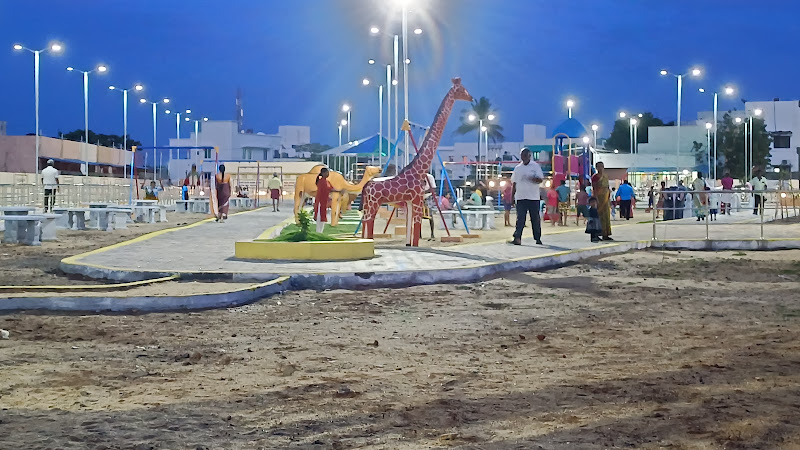
Karisal Ilakiya Park
Find Accommodations Nearby
Recommended Tours & Activities
Visitor Reviews
There are no reviews yet. Be the first one to write one.
Share Your Experience
Have you visited SH 49 & East Coast Rd? Help other travelers by leaving a review.