
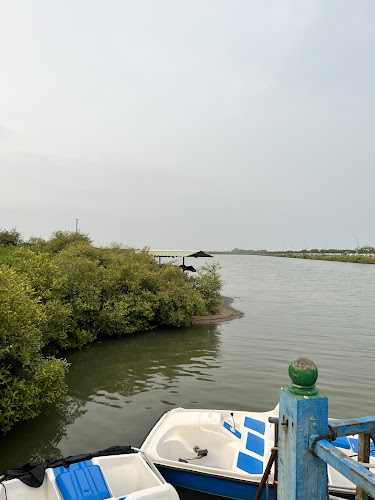
Boat jetty Thootukudi
About Boat jetty Thootukudi
Description
The Boat Jetty in Thootukudi stands as one of those places that honestly doesn't get the attention it deserves when people talk about Tamil Nadu's coastal attractions. I've always found that the best travel experiences often come from these quieter spots where you can actually breathe and take in your surroundings without fighting through crowds of selfie-stick wielding tourists. This jetty serves as more than just a departure point for boats – it's become a gathering spot where locals and travelers alike come to watch the sun paint the sky in those impossible colors that only happen near the sea. The structure itself extends into the Gulf of Mannar, offering visitors an unobstructed view of the waters that have sustained Thootukudi's maritime heritage for generations. And when I say maritime heritage, I'm talking about a city that's been connected to the sea since time immemorial, not just some recent tourism development. What makes this place special is its authenticity. You're not going to find sanitized tourist experiences here with overpriced coconut water and aggressive vendors. Instead, you get a genuine slice of coastal Tamil Nadu life where fishermen still mend their nets, where the smell of the ocean mixes with the scent of fresh catch, and where kids play along the waterfront without a care in the world. Speaking of kids, this is actually a great spot for families since the area is safe and there's something mesmerizing about watching boats come and go that keeps children entertained for longer than you'd expect. The jetty provides access to several nearby islands and fishing spots, making it an essential infrastructure piece for the local community. But beyond its practical uses, it's evolved into a place where people come to decompress, to think, or simply to enjoy the breeze that rolls in from the gulf.Key Features
The Boat Jetty Thootukudi offers several distinctive characteristics that make it worth adding to your travel itinerary: • Panoramic ocean views that stretch out to the horizon, particularly stunning during early morning and late afternoon hours when the light does magical things to the water's surface • Direct access to boat services that can take you to nearby islands and coastal areas, opening up exploration opportunities beyond the mainland • A front-row seat to Thootukudi's active fishing industry, where you can observe traditional fishing practices that have remained largely unchanged for decades • Family-friendly environment that's genuinely safe for children to explore and learn about coastal ecosystems and maritime activities • Photography opportunities that range from dramatic seascapes to candid moments of daily life in a working port town • Relatively uncrowded atmosphere compared to other coastal tourist spots in Tamil Nadu, allowing for peaceful contemplation and relaxation • Proximity to local fishing markets where you can witness the daily catch being brought in and sold – an experience that's both educational and culturally enriching • The chance to interact with local fishermen and boat operators who often have fascinating stories about their experiences at sea • Strategic viewing point for watching the comings and goings of various vessels, from small fishing boats to larger commercial ships • A genuine connection to Thootukudi's pearl diving history, as this region was once famous for its pearl fisheriesBest Time to Visit
Timing your visit to the Boat Jetty can honestly make or break your experience, and I've learned this the hard way at coastal destinations. The ideal window runs from October through March when the weather cooperates instead of trying to melt you into the pavement. During these cooler months, temperatures hover in that comfortable range where you can actually enjoy being outside without feeling like you're standing in an oven. The northeast monsoon brings occasional showers, but they're usually brief and actually add to the dramatic atmosphere when storm clouds gather over the gulf. Early mornings during this period are particularly special – the light has this quality that photographers dream about, and the air feels crisp enough that you'll want to linger. If you're planning to actually take a boat out from the jetty, October to March also offers calmer seas. The summer months from April to June can be brutal with temperatures climbing well above 35°C, and the southwest monsoon from June to September brings rough seas and heavy rainfall that can disrupt boat services entirely. But here's something most travel guides won't tell you – visiting during the off-season has its own rewards if you can handle the heat or don't mind getting a bit wet. You'll have the place almost entirely to yourself, and the rain-washed landscapes have their own beauty. Just check weather forecasts and sea conditions before planning any boat trips during monsoon season. The golden hours – that's early morning around 6-7 AM and late afternoon from 4-6 PM – offer the best light and cooler temperatures year-round. Local fishermen typically return with their catch in the early morning, so that's when the jetty buzzes with activity and energy.How to Get There
Getting to the Boat Jetty in Thootukudi is refreshingly straightforward, though like most things in India, it helps to be flexible and patient during your journey. Thootukudi city itself is well-connected to major Tamil Nadu cities and beyond. If you're flying in, the nearest airport is in Thootukudi itself – Tuticorin Airport handles domestic flights and is about 10 kilometers from the city center. From there, you can grab an auto-rickshaw or taxi to reach the jetty area. The auto-rickshaw drivers know the place well, and honestly, the short ride gives you a nice introduction to the city's character. For those arriving by train, Thootukudi Railway Station connects to major cities including Chennai, Madurai, Coimbatore, and Tiruchirappalli. The station is reasonably close to the jetty, maybe around 3-4 kilometers depending on which part of the waterfront you're heading to. Local auto-rickshaws are your best bet for this final leg, and they're fairly affordable. Road connectivity is solid if you prefer buses or driving yourself. Regular state-run buses and private coaches connect Thootukudi to Chennai (around 600 kilometers), Madurai (about 140 kilometers), and other major towns. Once you're in Thootukudi, local transport options include auto-rickshaws, taxis, and even cycle-rickshaws if you're not in a rush and want to soak in the local atmosphere. If you're staying in Thootukudi itself, many hotels are within reasonable distance of the jetty, and some dedicated travelers even choose to walk along the coastal roads to reach it – though I'd recommend this only during cooler hours given the tropical climate. Navigation apps work reasonably well in the area, but don't be afraid to ask locals for directions. People in Thootukudi are generally helpful, and asking for the "boat jetty" or "harbor area" usually gets you pointed in the right direction.Tips for Visiting
After spending time at various coastal spots across India, I've picked up some practical wisdom that'll help you make the most of your visit to this jetty without the usual tourist headaches. First things first – dress appropriately. This means comfortable clothing that you don't mind getting a bit salty or sandy. The sea breeze can be stronger than you expect, and if you're planning to spend time on the jetty itself, you'll want to protect yourself from the sun. A wide-brimmed hat isn't just a fashion statement here; it's survival gear. And please, wear sunscreen. The coastal sun is deceptive because the breeze keeps you cool, but you'll still burn. Bring water with you. I can't stress this enough. While there are usually small shops nearby, having your own water supply ensures you stay hydrated, especially if you're visiting during warmer months or planning to spend several hours exploring the area. If you're interested in taking a boat trip, arrive early and negotiate prices before boarding. Boat operators are generally honest, but it helps to clarify the cost, duration, and destination beforehand to avoid misunderstandings. Also, check the condition of life jackets and safety equipment – don't feel embarrassed about asking to see them. Photography enthusiasts should bring protective gear for their equipment. Salt spray can damage cameras and lenses, so a simple plastic bag or rain cover can save you from expensive repairs later. The light here is incredible, but protect your gear. Respect the working nature of this space. This isn't a theme park – it's a real jetty where real people earn their livelihood. Don't interfere with fishing operations or boat movements, and always ask before photographing people, especially fishermen who might be busy with their work. Footwear matters more than you think. The jetty surface can be slippery in places, particularly if it's been wet from waves or morning dew. Wear shoes with good grip rather than flip-flops that might send you skidding. And watch where you're walking – there might be ropes, nets, or equipment that you need to navigate around. Timing your visit around the fishing boats' return can give you a much richer experience. Early morning typically sees the most activity, and you might even be able to buy fresh fish directly from the boats if you're staying somewhere with cooking facilities. Keep some cash handy. While digital payments are spreading across India, this is still largely a cash-based area, especially when dealing with small vendors or boat operators. Having smaller denomination notes makes transactions easier and prevents the "I don't have change" situation. Be mindful of the tide schedules if you're planning boat trips. Local operators know these well, but it helps to have a general awareness. Some areas that look accessible at low tide might be quite different at high tide. Don't rush your visit. One of the biggest mistakes travelers make is treating places like this as quick photo stops. Sit for a while, watch the water, observe the rhythm of life here. Bring a book or just be present with your thoughts. The jetty reveals its character slowly to those willing to stay awhile. Finally, leave no trace. Coastal ecosystems are fragile, and unfortunately, plastic pollution is a real problem in many of India's waterways. Carry a small bag for your trash and dispose of it properly when you leave. Better yet, if you spot litter during your visit, consider picking up a few pieces – small actions matter.Key Features
- Working fishing jetty with local boats and net-mending scenes
- Accessible shoreline views and photographic opportunities at sunrise/sunset
- Close proximity to Eco Park Road and Tuticorin Beach Road salt pans
- Opportunities for short boat rides/government boat trips to nearby islets
- Quiet, off-the-beaten-path atmosphere for contemplative visits
More Details
Updated January 17, 2026
Table of Contents
Description
The Boat Jetty in Thootukudi stands as one of those places that honestly doesn’t get the attention it deserves when people talk about Tamil Nadu’s coastal attractions. I’ve always found that the best travel experiences often come from these quieter spots where you can actually breathe and take in your surroundings without fighting through crowds of selfie-stick wielding tourists.
This jetty serves as more than just a departure point for boats – it’s become a gathering spot where locals and travelers alike come to watch the sun paint the sky in those impossible colors that only happen near the sea. The structure itself extends into the Gulf of Mannar, offering visitors an unobstructed view of the waters that have sustained Thootukudi’s maritime heritage for generations. And when I say maritime heritage, I’m talking about a city that’s been connected to the sea since time immemorial, not just some recent tourism development.
What makes this place special is its authenticity. You’re not going to find sanitized tourist experiences here with overpriced coconut water and aggressive vendors. Instead, you get a genuine slice of coastal Tamil Nadu life where fishermen still mend their nets, where the smell of the ocean mixes with the scent of fresh catch, and where kids play along the waterfront without a care in the world. Speaking of kids, this is actually a great spot for families since the area is safe and there’s something mesmerizing about watching boats come and go that keeps children entertained for longer than you’d expect.
The jetty provides access to several nearby islands and fishing spots, making it an essential infrastructure piece for the local community. But beyond its practical uses, it’s evolved into a place where people come to decompress, to think, or simply to enjoy the breeze that rolls in from the gulf.
Key Features
The Boat Jetty Thootukudi offers several distinctive characteristics that make it worth adding to your travel itinerary:
• Panoramic ocean views that stretch out to the horizon, particularly stunning during early morning and late afternoon hours when the light does magical things to the water’s surface
• Direct access to boat services that can take you to nearby islands and coastal areas, opening up exploration opportunities beyond the mainland
• A front-row seat to Thootukudi’s active fishing industry, where you can observe traditional fishing practices that have remained largely unchanged for decades
• Family-friendly environment that’s genuinely safe for children to explore and learn about coastal ecosystems and maritime activities
• Photography opportunities that range from dramatic seascapes to candid moments of daily life in a working port town
• Relatively uncrowded atmosphere compared to other coastal tourist spots in Tamil Nadu, allowing for peaceful contemplation and relaxation
• Proximity to local fishing markets where you can witness the daily catch being brought in and sold – an experience that’s both educational and culturally enriching
• The chance to interact with local fishermen and boat operators who often have fascinating stories about their experiences at sea
• Strategic viewing point for watching the comings and goings of various vessels, from small fishing boats to larger commercial ships
• A genuine connection to Thootukudi’s pearl diving history, as this region was once famous for its pearl fisheries
Best Time to Visit
Timing your visit to the Boat Jetty can honestly make or break your experience, and I’ve learned this the hard way at coastal destinations. The ideal window runs from October through March when the weather cooperates instead of trying to melt you into the pavement.
During these cooler months, temperatures hover in that comfortable range where you can actually enjoy being outside without feeling like you’re standing in an oven. The northeast monsoon brings occasional showers, but they’re usually brief and actually add to the dramatic atmosphere when storm clouds gather over the gulf. Early mornings during this period are particularly special – the light has this quality that photographers dream about, and the air feels crisp enough that you’ll want to linger.
If you’re planning to actually take a boat out from the jetty, October to March also offers calmer seas. The summer months from April to June can be brutal with temperatures climbing well above 35°C, and the southwest monsoon from June to September brings rough seas and heavy rainfall that can disrupt boat services entirely.
But here’s something most travel guides won’t tell you – visiting during the off-season has its own rewards if you can handle the heat or don’t mind getting a bit wet. You’ll have the place almost entirely to yourself, and the rain-washed landscapes have their own beauty. Just check weather forecasts and sea conditions before planning any boat trips during monsoon season.
The golden hours – that’s early morning around 6-7 AM and late afternoon from 4-6 PM – offer the best light and cooler temperatures year-round. Local fishermen typically return with their catch in the early morning, so that’s when the jetty buzzes with activity and energy.
How to Get There
Getting to the Boat Jetty in Thootukudi is refreshingly straightforward, though like most things in India, it helps to be flexible and patient during your journey.
Thootukudi city itself is well-connected to major Tamil Nadu cities and beyond. If you’re flying in, the nearest airport is in Thootukudi itself – Tuticorin Airport handles domestic flights and is about 10 kilometers from the city center. From there, you can grab an auto-rickshaw or taxi to reach the jetty area. The auto-rickshaw drivers know the place well, and honestly, the short ride gives you a nice introduction to the city’s character.
For those arriving by train, Thootukudi Railway Station connects to major cities including Chennai, Madurai, Coimbatore, and Tiruchirappalli. The station is reasonably close to the jetty, maybe around 3-4 kilometers depending on which part of the waterfront you’re heading to. Local auto-rickshaws are your best bet for this final leg, and they’re fairly affordable.
Road connectivity is solid if you prefer buses or driving yourself. Regular state-run buses and private coaches connect Thootukudi to Chennai (around 600 kilometers), Madurai (about 140 kilometers), and other major towns. Once you’re in Thootukudi, local transport options include auto-rickshaws, taxis, and even cycle-rickshaws if you’re not in a rush and want to soak in the local atmosphere.
If you’re staying in Thootukudi itself, many hotels are within reasonable distance of the jetty, and some dedicated travelers even choose to walk along the coastal roads to reach it – though I’d recommend this only during cooler hours given the tropical climate.
Navigation apps work reasonably well in the area, but don’t be afraid to ask locals for directions. People in Thootukudi are generally helpful, and asking for the “boat jetty” or “harbor area” usually gets you pointed in the right direction.
Tips for Visiting
After spending time at various coastal spots across India, I’ve picked up some practical wisdom that’ll help you make the most of your visit to this jetty without the usual tourist headaches.
First things first – dress appropriately. This means comfortable clothing that you don’t mind getting a bit salty or sandy. The sea breeze can be stronger than you expect, and if you’re planning to spend time on the jetty itself, you’ll want to protect yourself from the sun. A wide-brimmed hat isn’t just a fashion statement here; it’s survival gear. And please, wear sunscreen. The coastal sun is deceptive because the breeze keeps you cool, but you’ll still burn.
Bring water with you. I can’t stress this enough. While there are usually small shops nearby, having your own water supply ensures you stay hydrated, especially if you’re visiting during warmer months or planning to spend several hours exploring the area.
If you’re interested in taking a boat trip, arrive early and negotiate prices before boarding. Boat operators are generally honest, but it helps to clarify the cost, duration, and destination beforehand to avoid misunderstandings. Also, check the condition of life jackets and safety equipment – don’t feel embarrassed about asking to see them.
Photography enthusiasts should bring protective gear for their equipment. Salt spray can damage cameras and lenses, so a simple plastic bag or rain cover can save you from expensive repairs later. The light here is incredible, but protect your gear.
Respect the working nature of this space. This isn’t a theme park – it’s a real jetty where real people earn their livelihood. Don’t interfere with fishing operations or boat movements, and always ask before photographing people, especially fishermen who might be busy with their work.
Footwear matters more than you think. The jetty surface can be slippery in places, particularly if it’s been wet from waves or morning dew. Wear shoes with good grip rather than flip-flops that might send you skidding. And watch where you’re walking – there might be ropes, nets, or equipment that you need to navigate around.
Timing your visit around the fishing boats’ return can give you a much richer experience. Early morning typically sees the most activity, and you might even be able to buy fresh fish directly from the boats if you’re staying somewhere with cooking facilities.
Keep some cash handy. While digital payments are spreading across India, this is still largely a cash-based area, especially when dealing with small vendors or boat operators. Having smaller denomination notes makes transactions easier and prevents the “I don’t have change” situation.
Be mindful of the tide schedules if you’re planning boat trips. Local operators know these well, but it helps to have a general awareness. Some areas that look accessible at low tide might be quite different at high tide.
Don’t rush your visit. One of the biggest mistakes travelers make is treating places like this as quick photo stops. Sit for a while, watch the water, observe the rhythm of life here. Bring a book or just be present with your thoughts. The jetty reveals its character slowly to those willing to stay awhile.
Finally, leave no trace. Coastal ecosystems are fragile, and unfortunately, plastic pollution is a real problem in many of India’s waterways. Carry a small bag for your trash and dispose of it properly when you leave. Better yet, if you spot litter during your visit, consider picking up a few pieces – small actions matter.
Key Highlights
- Working fishing jetty with local boats and net-mending scenes
- Accessible shoreline views and photographic opportunities at sunrise/sunset
- Close proximity to Eco Park Road and Tuticorin Beach Road salt pans
- Opportunities for short boat rides/government boat trips to nearby islets
- Quiet, off-the-beaten-path atmosphere for contemplative visits
Location
Places to Stay Near Boat jetty Thootukudi
Find and Book a Tour
Explore More Travel Guides
No reviews found! Be the first to review!
Traveler Reviews for Boat jetty Thootukudi
There are no reviews yet. Be the first one to write one.
Have you visited Boat jetty Thootukudi? Help other travelers by sharing your review.
Nearby Attractions
You Might Also Like

38, Theppakulam Street

Fisheries College and Research Institute

Rajaji Park
Find Accommodations Nearby
Recommended Tours & Activities
Visitor Reviews
There are no reviews yet. Be the first one to write one.
Share Your Experience
Have you visited Boat jetty Thootukudi? Help other travelers by leaving a review.