

Kashan
About Kashan
Description
Kashan stands as one of those remarkable places that makes you reconsider everything you thought you knew about ancient civilizations and their capabilities. Located in the northern stretches of Isfahan province in Iran, this city has been continuously inhabited for thousands of years—and honestly, when you walk through its streets, you can feel that weight of history in every brick and tile. The city sits at the edge of the Dasht-e Kavir desert, which gives it this unique character where lush gardens meet arid landscapes. I've always found it fascinating how humans can create such beauty in challenging environments, and Kashan represents this triumph perfectly. The city served as an important stop along the ancient Silk Road, which explains why it developed such sophisticated architecture and cultural refinement over the centuries. What really sets Kashan apart from other Iranian cities is its incredible collection of traditional Persian houses and gardens. These aren't just old buildings—they're masterpieces of engineering and design that kept inhabitants cool during scorching summers without any modern technology. The craftsmanship you'll witness here puts most contemporary architecture to shame, if I'm being honest. The city's name possibly derives from the Kasian, the original inhabitants of the area, though some scholars argue it comes from the Persian word for tile (kashi), which makes perfect sense when you see the absolutely stunning ceramic work throughout the city. Either way, Kashan has been producing some of Iran's finest ceramics, textiles, and carpets for centuries, and that tradition continues today.Key Features
Travelers visiting Kashan will discover a treasure trove of historical and cultural attractions that reveal the sophistication of Persian civilization:- Historical Persian Houses: The Tabatabaei House and Borujerdi House showcase breathtaking 19th-century residential architecture with their intricate stucco work, stained glass windows, and ingenious natural cooling systems through wind catchers (badgirs).
- Fin Garden: This UNESCO World Heritage site represents one of the oldest and most beautiful Persian gardens in Iran, featuring turquoise pools, ancient cypress trees, and pavilions that date back to the Safavid era.
- Agha Bozorg Mosque: A stunning example of Islamic architecture with a symmetrical design that includes a courtyard sunk below ground level—a brilliant adaptation to the desert climate that you won't find in many other places.
- Sultan Amir Ahmad Bathhouse: An architectural marvel from the 16th century that demonstrates ancient Persian bathing culture, complete with octagonal pools and domed ceilings pierced with colored glass.
- Traditional Bazaar: A historic covered market where local craftsmen still practice traditional arts like carpet weaving, ceramics, and copper work, offering authentic shopping experiences away from tourist traps.
- Sialk Hills: Archaeological sites on the city's outskirts containing some of the oldest ziggurat remains in the world, dating back nearly 7,000 years.
- Rose Water Production: Kashan and the nearby village of Qamsar are famous for their rose water distillation, a tradition spanning centuries that fills the air with incredible fragrances each spring.
Best Time to Visit
Timing your visit to Kashan can make the difference between a good trip and an absolutely unforgettable one. The city experiences a desert climate with hot, dry summers and cold winters, so choosing the right season matters quite a bit. Spring, particularly from mid-April to early June, is arguably the best time to experience Kashan. The temperatures hover in that perfect range where you're comfortable walking around all day without melting or freezing. But here's the real magic—if you can time your visit for late April or early May, you'll catch the rose harvesting season in nearby Qamsar. The entire region transforms into a pink and fragrant paradise, and locals celebrate with the Golab-giri festival, where they distill rose water using traditional methods. I've heard from travelers who've attended this festival that it's genuinely one of the most sensory and culturally rich experiences you can have in Iran. Autumn, from September through November, offers another excellent window for visiting. The oppressive summer heat has broken, but winter's chill hasn't arrived yet. The light during autumn in the desert has this golden quality that makes photographing Kashan's architecture particularly rewarding. Winter visits are possible but can get surprisingly cold, especially at night when temperatures can drop below freezing. However, if you don't mind bundling up, winter has its advantages—fewer tourists, lower prices, and a different perspective on how these ancient buildings handled seasonal extremes. Summer? Well, let's just say that unless you have a specific reason or you're somehow immune to heat, I'd skip July and August when temperatures regularly exceed 40 degrees Celsius (104 Fahrenheit). Even the famous wind catchers struggle to make the heat bearable during peak summer.How to Get There
Getting to Kashan is actually more straightforward than you might expect for a city of its historical significance. The city's location between Tehran and Isfahan—two of Iran's most visited destinations—makes it an accessible stop on many travel itineraries. By road, Kashan sits approximately 250 kilometers south of Tehran, which translates to about a three to four-hour drive depending on traffic conditions leaving the capital. The road quality is generally good, and many travelers choose to hire a private driver or take a bus from Tehran's South Terminal (Terminal-e Jonub). Multiple bus companies operate this route daily, offering both standard and VIP services. The VIP buses are worth the extra expense in my opinion—more legroom and better air conditioning make the journey considerably more pleasant. From Isfahan, Kashan lies about 220 kilometers north, roughly a similar travel time. Buses run frequently between these cities as well, making it easy to include Kashan as part of a larger Persian heritage trail. The city has its own airport, but commercial flights are limited and irregular, so most international travelers won't use this option. Instead, flying into Tehran's Imam Khomeini International Airport and then continuing by ground transportation remains the most practical approach. Train service also connects Kashan to both Tehran and other major Iranian cities. The train station sits a bit outside the main city center, but taxis are readily available. Rail travel in Iran can be quite pleasant—the trains are comfortable, and you get to watch the landscape transform from mountains to desert plains. Once you're in the city, getting around is relatively manageable. The main historical attractions cluster within a walkable area in the old town, though the distances and heat might make occasional taxi use appealing. Taxis are affordable, but make sure to agree on a price before getting in since most don't use meters. Some hotels and guesthouses can arrange drivers for day trips to surrounding attractions like the Fin Garden or Abyaneh village.Tips for Visiting
Visiting Kashan requires some preparation and cultural awareness that'll make your experience significantly better. These are lessons learned from both research and conversations with people who've spent considerable time there. First off, dress modestly. This isn't optional—it's respectful and legally required. Women need to wear a headscarf and loose-fitting clothes that cover arms and legs. Men should wear long pants and avoid sleeveless shirts. Once you accept this requirement and pack accordingly, it becomes second nature and honestly shouldn't diminish your experience at all. Learn a few Persian phrases before arriving. English isn't widely spoken outside major hotels and tourist sites in Kashan, and the effort to communicate in Farsi—even badly—creates genuine connections with locals. Simple greetings and thank yous go a long way. And carrying a translation app on your phone is just smart practice. Cash remains king in Kashan. International credit cards don't work in Iran due to sanctions, so you'll need to bring enough cash (preferably euros or US dollars) to exchange into Iranian rials. Exchange rates can vary significantly between official exchange offices, so shop around a bit. Hotels often offer exchange services but usually at less favorable rates. Photography is generally welcomed at historical sites, but always ask permission before photographing people, especially women. Some sites charge extra fees for cameras, which is pretty standard practice. The interiors of traditional houses with their mirror work and stained glass can be challenging to photograph—bring a decent camera if you're serious about capturing these details, because smartphone cameras often struggle with the lighting conditions. Hire a knowledgeable local guide for at least one day. Yes, you can wander around independently, but having someone explain the historical context, architectural significance, and cultural stories behind what you're seeing adds depth that you'd otherwise miss. Many traditional houses have caretakers who speak some English and can provide informal tours. Timing your visits to major attractions matters. Try to visit popular sites like the Tabatabaei House or Fin Garden early in the morning or late afternoon to avoid tour groups and the harsh midday sun. The light is also better for photography during these hours. Don't rush through Kashan. Too many travelers stop here for just a few hours between Tehran and Isfahan, which is honestly a mistake. Give yourself at least two full days to properly explore the city and its surroundings. The pace of life here is slower, and embracing that rhythm makes the experience more authentic. Sample the local cuisine beyond your hotel restaurant. Kashan has its own regional specialties that differ from what you'll find elsewhere in Iran. Try dishes at local restaurants where families eat—the food is usually better and definitely cheaper than tourist-oriented establishments. Respect prayer times and the associated closures of some sites. This is an important part of daily life, and working around these schedules rather than fighting them makes everything easier. Friday is the main prayer day, so some places may have reduced hours or be closed entirely. Finally, keep an open mind and patience. Things won't always run on schedule, communication can be challenging, and cultural differences will sometimes confuse you. But that's precisely what makes travel to places like Kashan so rewarding—it pushes you outside your comfort zone and rewards you with experiences that standardized tourism can never provide.Key Features
- Fin Garden (historic Persian garden and UNESCO-listed elements)
- Traditional Qajar-era houses with windcatchers and stained glass
- Old bazaar with artisan workshops and local food stalls
- Proximity to desert sites and salt flats for short excursions
- Rosewater production and local culinary specialities
More Details
Updated January 17, 2026
Table of Contents
Description
Kashan stands as one of those remarkable places that makes you reconsider everything you thought you knew about ancient civilizations and their capabilities. Located in the northern stretches of Isfahan province in Iran, this city has been continuously inhabited for thousands of years—and honestly, when you walk through its streets, you can feel that weight of history in every brick and tile.
The city sits at the edge of the Dasht-e Kavir desert, which gives it this unique character where lush gardens meet arid landscapes. I’ve always found it fascinating how humans can create such beauty in challenging environments, and Kashan represents this triumph perfectly. The city served as an important stop along the ancient Silk Road, which explains why it developed such sophisticated architecture and cultural refinement over the centuries.
What really sets Kashan apart from other Iranian cities is its incredible collection of traditional Persian houses and gardens. These aren’t just old buildings—they’re masterpieces of engineering and design that kept inhabitants cool during scorching summers without any modern technology. The craftsmanship you’ll witness here puts most contemporary architecture to shame, if I’m being honest.
The city’s name possibly derives from the Kasian, the original inhabitants of the area, though some scholars argue it comes from the Persian word for tile (kashi), which makes perfect sense when you see the absolutely stunning ceramic work throughout the city. Either way, Kashan has been producing some of Iran’s finest ceramics, textiles, and carpets for centuries, and that tradition continues today.
Key Features
Travelers visiting Kashan will discover a treasure trove of historical and cultural attractions that reveal the sophistication of Persian civilization:
- Historical Persian Houses: The Tabatabaei House and Borujerdi House showcase breathtaking 19th-century residential architecture with their intricate stucco work, stained glass windows, and ingenious natural cooling systems through wind catchers (badgirs).
- Fin Garden: This UNESCO World Heritage site represents one of the oldest and most beautiful Persian gardens in Iran, featuring turquoise pools, ancient cypress trees, and pavilions that date back to the Safavid era.
- Agha Bozorg Mosque: A stunning example of Islamic architecture with a symmetrical design that includes a courtyard sunk below ground level—a brilliant adaptation to the desert climate that you won’t find in many other places.
- Sultan Amir Ahmad Bathhouse: An architectural marvel from the 16th century that demonstrates ancient Persian bathing culture, complete with octagonal pools and domed ceilings pierced with colored glass.
- Traditional Bazaar: A historic covered market where local craftsmen still practice traditional arts like carpet weaving, ceramics, and copper work, offering authentic shopping experiences away from tourist traps.
- Sialk Hills: Archaeological sites on the city’s outskirts containing some of the oldest ziggurat remains in the world, dating back nearly 7,000 years.
- Rose Water Production: Kashan and the nearby village of Qamsar are famous for their rose water distillation, a tradition spanning centuries that fills the air with incredible fragrances each spring.
Best Time to Visit
Timing your visit to Kashan can make the difference between a good trip and an absolutely unforgettable one. The city experiences a desert climate with hot, dry summers and cold winters, so choosing the right season matters quite a bit.
Spring, particularly from mid-April to early June, is arguably the best time to experience Kashan. The temperatures hover in that perfect range where you’re comfortable walking around all day without melting or freezing. But here’s the real magic—if you can time your visit for late April or early May, you’ll catch the rose harvesting season in nearby Qamsar. The entire region transforms into a pink and fragrant paradise, and locals celebrate with the Golab-giri festival, where they distill rose water using traditional methods. I’ve heard from travelers who’ve attended this festival that it’s genuinely one of the most sensory and culturally rich experiences you can have in Iran.
Autumn, from September through November, offers another excellent window for visiting. The oppressive summer heat has broken, but winter’s chill hasn’t arrived yet. The light during autumn in the desert has this golden quality that makes photographing Kashan’s architecture particularly rewarding.
Winter visits are possible but can get surprisingly cold, especially at night when temperatures can drop below freezing. However, if you don’t mind bundling up, winter has its advantages—fewer tourists, lower prices, and a different perspective on how these ancient buildings handled seasonal extremes.
Summer? Well, let’s just say that unless you have a specific reason or you’re somehow immune to heat, I’d skip July and August when temperatures regularly exceed 40 degrees Celsius (104 Fahrenheit). Even the famous wind catchers struggle to make the heat bearable during peak summer.
How to Get There
Getting to Kashan is actually more straightforward than you might expect for a city of its historical significance. The city’s location between Tehran and Isfahan—two of Iran’s most visited destinations—makes it an accessible stop on many travel itineraries.
By road, Kashan sits approximately 250 kilometers south of Tehran, which translates to about a three to four-hour drive depending on traffic conditions leaving the capital. The road quality is generally good, and many travelers choose to hire a private driver or take a bus from Tehran’s South Terminal (Terminal-e Jonub). Multiple bus companies operate this route daily, offering both standard and VIP services. The VIP buses are worth the extra expense in my opinion—more legroom and better air conditioning make the journey considerably more pleasant.
From Isfahan, Kashan lies about 220 kilometers north, roughly a similar travel time. Buses run frequently between these cities as well, making it easy to include Kashan as part of a larger Persian heritage trail.
The city has its own airport, but commercial flights are limited and irregular, so most international travelers won’t use this option. Instead, flying into Tehran’s Imam Khomeini International Airport and then continuing by ground transportation remains the most practical approach.
Train service also connects Kashan to both Tehran and other major Iranian cities. The train station sits a bit outside the main city center, but taxis are readily available. Rail travel in Iran can be quite pleasant—the trains are comfortable, and you get to watch the landscape transform from mountains to desert plains.
Once you’re in the city, getting around is relatively manageable. The main historical attractions cluster within a walkable area in the old town, though the distances and heat might make occasional taxi use appealing. Taxis are affordable, but make sure to agree on a price before getting in since most don’t use meters. Some hotels and guesthouses can arrange drivers for day trips to surrounding attractions like the Fin Garden or Abyaneh village.
Tips for Visiting
Visiting Kashan requires some preparation and cultural awareness that’ll make your experience significantly better. These are lessons learned from both research and conversations with people who’ve spent considerable time there.
First off, dress modestly. This isn’t optional—it’s respectful and legally required. Women need to wear a headscarf and loose-fitting clothes that cover arms and legs. Men should wear long pants and avoid sleeveless shirts. Once you accept this requirement and pack accordingly, it becomes second nature and honestly shouldn’t diminish your experience at all.
Learn a few Persian phrases before arriving. English isn’t widely spoken outside major hotels and tourist sites in Kashan, and the effort to communicate in Farsi—even badly—creates genuine connections with locals. Simple greetings and thank yous go a long way. And carrying a translation app on your phone is just smart practice.
Cash remains king in Kashan. International credit cards don’t work in Iran due to sanctions, so you’ll need to bring enough cash (preferably euros or US dollars) to exchange into Iranian rials. Exchange rates can vary significantly between official exchange offices, so shop around a bit. Hotels often offer exchange services but usually at less favorable rates.
Photography is generally welcomed at historical sites, but always ask permission before photographing people, especially women. Some sites charge extra fees for cameras, which is pretty standard practice. The interiors of traditional houses with their mirror work and stained glass can be challenging to photograph—bring a decent camera if you’re serious about capturing these details, because smartphone cameras often struggle with the lighting conditions.
Hire a knowledgeable local guide for at least one day. Yes, you can wander around independently, but having someone explain the historical context, architectural significance, and cultural stories behind what you’re seeing adds depth that you’d otherwise miss. Many traditional houses have caretakers who speak some English and can provide informal tours.
Timing your visits to major attractions matters. Try to visit popular sites like the Tabatabaei House or Fin Garden early in the morning or late afternoon to avoid tour groups and the harsh midday sun. The light is also better for photography during these hours.
Don’t rush through Kashan. Too many travelers stop here for just a few hours between Tehran and Isfahan, which is honestly a mistake. Give yourself at least two full days to properly explore the city and its surroundings. The pace of life here is slower, and embracing that rhythm makes the experience more authentic.
Sample the local cuisine beyond your hotel restaurant. Kashan has its own regional specialties that differ from what you’ll find elsewhere in Iran. Try dishes at local restaurants where families eat—the food is usually better and definitely cheaper than tourist-oriented establishments.
Respect prayer times and the associated closures of some sites. This is an important part of daily life, and working around these schedules rather than fighting them makes everything easier. Friday is the main prayer day, so some places may have reduced hours or be closed entirely.
Finally, keep an open mind and patience. Things won’t always run on schedule, communication can be challenging, and cultural differences will sometimes confuse you. But that’s precisely what makes travel to places like Kashan so rewarding—it pushes you outside your comfort zone and rewards you with experiences that standardized tourism can never provide.
Key Highlights
- Fin Garden (historic Persian garden and UNESCO-listed elements)
- Traditional Qajar-era houses with windcatchers and stained glass
- Old bazaar with artisan workshops and local food stalls
- Proximity to desert sites and salt flats for short excursions
- Rosewater production and local culinary specialities
Location
Places to Stay Near Kashan
Find and Book a Tour
Explore More Travel Guides
No reviews found! Be the first to review!
Traveler Reviews for Kashan
There are no reviews yet. Be the first one to write one.
Have you visited Kashan? Help other travelers by sharing your review.
Nearby Attractions
You Might Also Like
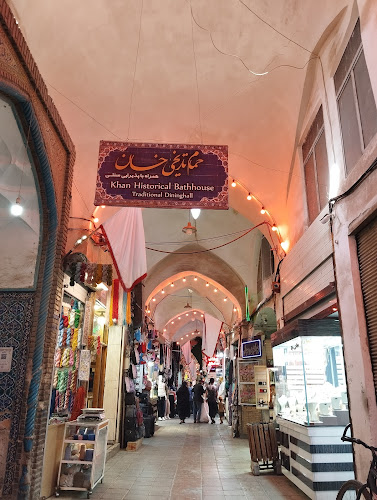
Bazaar of Kashan
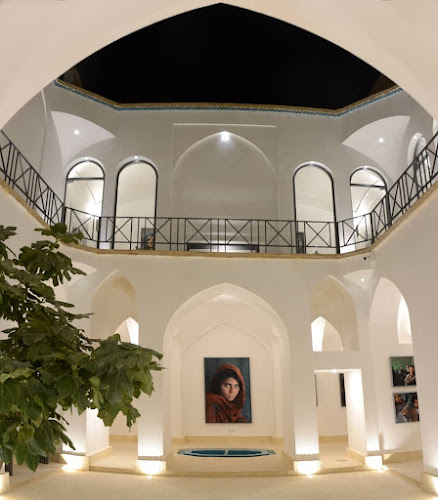
Steve House (Kashan Gallery)

Agha Bozorg Mosque
Find Accommodations Nearby
Recommended Tours & Activities
Visitor Reviews
There are no reviews yet. Be the first one to write one.
Share Your Experience
Have you visited Kashan? Help other travelers by leaving a review.