

Aminoddole Caravanserai
About Aminoddole Caravanserai
Description
The Aminoddole Caravanserai stands as one of those remarkable historical monuments that genuinely transports visitors back to the days when camel caravans traveled the ancient trade routes of Persia. And honestly, when you first lay eyes on this architectural marvel, you can almost hear the echoes of merchants haggling over silk and spices in the courtyards that have witnessed centuries of commerce and cultural exchange. This caravanserai—which basically served as a roadside inn for travelers and their animals along the historic Silk Road—represents an incredible piece of living history. The structure itself tells stories that modern hotels simply cannot match. Walking through its weathered archways and exploring the rooms where traders once rested after long journeys across desert landscapes creates a connection to the past that few tourist attractions can rival. What makes this particular caravanserai special is how well it has maintained its authentic character despite the passage of time. Unlike some historical sites that have been heavily renovated to the point of losing their soul, Aminoddole retains that raw, genuine feeling. The stonework shows its age in the best possible way, and you'll find yourself running your hands along walls that have stood firm through countless seasons and political changes. The site functions as both a historical monument and a bazaar today, which actually adds to its authenticity rather than detracting from it. After all, caravanserais were always centers of commerce, so having merchants selling their wares here isn't some modern corruption of the site—it's a continuation of its original purpose. Pretty cool when you think about it that way.Key Features
The Aminoddole Caravanserai offers travelers a range of distinctive elements that make it worth including in any Iranian itinerary: • Architectural authenticity that showcases traditional Persian building techniques from centuries past, including the characteristic courtyard layout and robust defensive walls • An active bazaar operating within the historical structure where local artisans and merchants sell traditional crafts, textiles, and regional specialties • Onsite services that make visiting more comfortable and allow travelers to spend extended time exploring without worrying about basic amenities • Massive central courtyard that once accommodated dozens of laden camels and now provides an atmospheric space for photography and contemplation • Original sleeping chambers and storage rooms that visitors can explore, offering tangible connections to the daily lives of ancient traders • Stunning examples of brickwork and stone masonry that demonstrate the sophisticated engineering knowledge of the period • Opportunities to interact with local vendors who maintain traditional crafts and sales methods passed down through generations • Well-preserved entrance gates and defensive features that reveal how caravanserais protected valuable goods and vulnerable travelers • Atmospheric lighting conditions throughout the day as sunlight filters through ancient archways and creates dramatic shadows • Child-friendly environment where younger travelers can safely explore and learn about history in an engaging, hands-on wayBest Time to Visit
Timing your visit to Aminoddole Caravanserai can seriously impact your experience, and I've learned that planning around Iran's climate makes all the difference between a comfortable exploration and a sweaty, exhausting ordeal. The absolute sweet spot for visiting falls between March and May during spring. The weather during these months typically hovers in that perfect range where you're neither shivering nor melting, and the surrounding landscape shows off with wildflowers and fresh greenery. Early mornings in April are particularly magical—you might arrive to find soft golden light illuminating the old stones while the air still carries a pleasant coolness. September through November offers another excellent window. Fall temperatures drop to comfortable levels after the scorching summer months, and you'll often encounter clearer skies perfect for photography. October specifically tends to bring settled weather patterns and fewer chances of unexpected rain. Summer visits from June through August? Well, let's just say you'd better have a serious tolerance for heat. Temperatures can climb well above what most travelers consider comfortable, and those thick stone walls that kept the place cool in ancient times don't quite cut it when modern thermometers push past 100 degrees Fahrenheit. But if summer is your only option, aim for very early morning visits—like sunrise early—before the heat becomes oppressive. Winter visits between December and February can work for hardy travelers. You'll face cold conditions and possible rain, but you'll also likely have the place nearly to yourself. There's something special about wandering through ancient caravanserai halls with only your footsteps echoing off the stones, though you'll definitely want to pack warm layers. Consider timing your visit around local market days if possible. The bazaar comes alive with additional vendors and increased activity on certain days, creating more authentic atmosphere and better shopping opportunities. Ask locals about the schedule since it can vary.How to Get There
Getting to Aminoddole Caravanserai requires a bit of planning since it's not exactly located on major tourist circuits—which is part of its charm, really. Most travelers will approach from the nearest major city, which serves as a logical base for day trips to the caravanserai. Private transportation offers the most flexibility and comfort. Hiring a driver for the day costs more than public options but eliminates navigation stress and language barriers. Your hotel can typically arrange this, and having a driver who knows the area means you won't waste time getting lost on unmarked rural roads. Taxi services provide another viable option. Negotiate the fare before departing and make sure the driver understands you'll want waiting time while you explore. Some travelers have reported mixed experiences with this approach—sometimes you get a patient, knowledgeable driver who enhances the experience, other times you get someone checking their watch every ten minutes. For the more adventurous and budget-conscious, local buses do run in the general direction, though you'll likely need to combine bus travel with a shorter taxi ride for the final leg. This option takes considerably longer and requires decent knowledge of Farsi or impressive pantomime skills, but it certainly offers more interaction with locals and costs a fraction of private transport. Driving yourself is technically possible if you're comfortable navigating Iranian roads and have arranged proper documentation. Road conditions vary—some stretches are perfectly decent while others test your suspension system. GPS coordinates help, though cell service can get spotty in more remote areas. Keep your gas tank full and bring extra water. The journey itself deserves appreciation. The landscape between major cities and the caravanserai showcases terrain that hasn't changed much since ancient traders traversed the same routes. You'll pass through small villages, agricultural areas, and stretches of dramatic scenery that remind you why people speak of Persia's timeless beauty. One important note—the parking situation isn't wheelchair accessible, so travelers with mobility challenges should plan accordingly and possibly arrange assistance in advance.Tips for Visiting
Making the most of your Aminoddole Caravanserai experience involves some practical preparation that guidebooks sometimes overlook. Wear comfortable, closed-toe shoes with good traction. The surfaces throughout the site include uneven stones, worn steps, and sometimes loose gravel. Those cute sandals might look great in photos but they'll leave your feet sore and possibly injured. And honestly, sturdy footwear just makes sense when you're exploring ancient structures. Bring sufficient water and snacks. While onsite services exist, selection may be limited compared to what you're accustomed to in major tourist destinations. Staying hydrated while walking around historical sites in Iran's climate isn't optional—it's essential. I always pack more water than I think I'll need. Dress respectfully following local customs. This means modest clothing that covers shoulders and knees at minimum, with women needing to wear headscarves. Beyond showing cultural respect, appropriate clothing actually provides sun protection and helps you blend in rather than standing out as an obvious tourist. Cash is king here. Don't expect to use credit cards or international payment apps. Bring enough Iranian rials to cover entrance fees, bazaar purchases, and tips. The vendors in the bazaar generally expect cash transactions, and haggling remains part of the traditional shopping experience. Photography enthusiasts should arrive early or late for optimal lighting. Midday sun creates harsh shadows and washes out the beautiful architectural details. Golden hour—that period shortly after sunrise or before sunset—bathes the stonework in gorgeous warm light that makes your photos look professional. Engage respectfully with the vendors in the bazaar. Yes, they're trying to make sales, but many are also genuinely proud of their crafts and happy to explain techniques and traditions. A few words of Farsi go surprisingly far in establishing friendly interactions. Even just "salam" (hello) and "mersi" (thank you) earn smiles. Consider hiring a local guide if history genuinely interests you. The physical structure impresses on its own, but understanding the stories, architectural innovations, and historical context elevates the experience tremendously. Guides can point out details you'd otherwise miss and answer questions about the caravanserai's role in regional trade networks. Plan for at least two hours onsite if you want to properly explore rather than just snap a few quick photos. There's more to see than initially appears, and rushing through diminishes the experience. Bring something to sit on if you want to sketch, journal, or simply absorb the atmosphere in the central courtyard. The site welcomes families and works well for kids who enjoy exploring old buildings and imagining historical scenarios. Just keep close watch on younger children since there aren't modern safety barriers everywhere, and some areas feature drops or uneven surfaces where a tumble could happen. Visit the bazaar section with an open mind. You'll find everything from genuinely interesting traditional crafts to mass-produced souvenirs. Take time to distinguish between items made by local artisans and factory-made goods if authenticity matters to you. Ask vendors about the origin of their products—many are happy to explain. Check current conditions before traveling since restoration work or special events occasionally affect access to certain areas. Situations change, and what was true six months ago might not reflect current reality. Finally, manage your expectations appropriately. Aminoddole Caravanserai offers an authentic historical experience, not a polished theme park recreation. Some visitors expect modern conveniences and extensive interpretive displays, then feel disappointed when confronted with a genuine centuries-old structure. Appreciate it for what it is—a remarkable survivor from another era that continues serving its essential function as a gathering place for commerce and culture.Key Features
- Key Features
- Best Time to Visit
- How to Get There
- Tips for Visiting
More Details
Updated January 17, 2026
Table of Contents
Description
The Aminoddole Caravanserai stands as one of those remarkable historical monuments that genuinely transports visitors back to the days when camel caravans traveled the ancient trade routes of Persia. And honestly, when you first lay eyes on this architectural marvel, you can almost hear the echoes of merchants haggling over silk and spices in the courtyards that have witnessed centuries of commerce and cultural exchange.
This caravanserai—which basically served as a roadside inn for travelers and their animals along the historic Silk Road—represents an incredible piece of living history. The structure itself tells stories that modern hotels simply cannot match. Walking through its weathered archways and exploring the rooms where traders once rested after long journeys across desert landscapes creates a connection to the past that few tourist attractions can rival.
What makes this particular caravanserai special is how well it has maintained its authentic character despite the passage of time. Unlike some historical sites that have been heavily renovated to the point of losing their soul, Aminoddole retains that raw, genuine feeling. The stonework shows its age in the best possible way, and you’ll find yourself running your hands along walls that have stood firm through countless seasons and political changes.
The site functions as both a historical monument and a bazaar today, which actually adds to its authenticity rather than detracting from it. After all, caravanserais were always centers of commerce, so having merchants selling their wares here isn’t some modern corruption of the site—it’s a continuation of its original purpose. Pretty cool when you think about it that way.
Key Features
The Aminoddole Caravanserai offers travelers a range of distinctive elements that make it worth including in any Iranian itinerary:
• Architectural authenticity that showcases traditional Persian building techniques from centuries past, including the characteristic courtyard layout and robust defensive walls
• An active bazaar operating within the historical structure where local artisans and merchants sell traditional crafts, textiles, and regional specialties
• Onsite services that make visiting more comfortable and allow travelers to spend extended time exploring without worrying about basic amenities
• Massive central courtyard that once accommodated dozens of laden camels and now provides an atmospheric space for photography and contemplation
• Original sleeping chambers and storage rooms that visitors can explore, offering tangible connections to the daily lives of ancient traders
• Stunning examples of brickwork and stone masonry that demonstrate the sophisticated engineering knowledge of the period
• Opportunities to interact with local vendors who maintain traditional crafts and sales methods passed down through generations
• Well-preserved entrance gates and defensive features that reveal how caravanserais protected valuable goods and vulnerable travelers
• Atmospheric lighting conditions throughout the day as sunlight filters through ancient archways and creates dramatic shadows
• Child-friendly environment where younger travelers can safely explore and learn about history in an engaging, hands-on way
Best Time to Visit
Timing your visit to Aminoddole Caravanserai can seriously impact your experience, and I’ve learned that planning around Iran’s climate makes all the difference between a comfortable exploration and a sweaty, exhausting ordeal.
The absolute sweet spot for visiting falls between March and May during spring. The weather during these months typically hovers in that perfect range where you’re neither shivering nor melting, and the surrounding landscape shows off with wildflowers and fresh greenery. Early mornings in April are particularly magical—you might arrive to find soft golden light illuminating the old stones while the air still carries a pleasant coolness.
September through November offers another excellent window. Fall temperatures drop to comfortable levels after the scorching summer months, and you’ll often encounter clearer skies perfect for photography. October specifically tends to bring settled weather patterns and fewer chances of unexpected rain.
Summer visits from June through August? Well, let’s just say you’d better have a serious tolerance for heat. Temperatures can climb well above what most travelers consider comfortable, and those thick stone walls that kept the place cool in ancient times don’t quite cut it when modern thermometers push past 100 degrees Fahrenheit. But if summer is your only option, aim for very early morning visits—like sunrise early—before the heat becomes oppressive.
Winter visits between December and February can work for hardy travelers. You’ll face cold conditions and possible rain, but you’ll also likely have the place nearly to yourself. There’s something special about wandering through ancient caravanserai halls with only your footsteps echoing off the stones, though you’ll definitely want to pack warm layers.
Consider timing your visit around local market days if possible. The bazaar comes alive with additional vendors and increased activity on certain days, creating more authentic atmosphere and better shopping opportunities. Ask locals about the schedule since it can vary.
How to Get There
Getting to Aminoddole Caravanserai requires a bit of planning since it’s not exactly located on major tourist circuits—which is part of its charm, really.
Most travelers will approach from the nearest major city, which serves as a logical base for day trips to the caravanserai. Private transportation offers the most flexibility and comfort. Hiring a driver for the day costs more than public options but eliminates navigation stress and language barriers. Your hotel can typically arrange this, and having a driver who knows the area means you won’t waste time getting lost on unmarked rural roads.
Taxi services provide another viable option. Negotiate the fare before departing and make sure the driver understands you’ll want waiting time while you explore. Some travelers have reported mixed experiences with this approach—sometimes you get a patient, knowledgeable driver who enhances the experience, other times you get someone checking their watch every ten minutes.
For the more adventurous and budget-conscious, local buses do run in the general direction, though you’ll likely need to combine bus travel with a shorter taxi ride for the final leg. This option takes considerably longer and requires decent knowledge of Farsi or impressive pantomime skills, but it certainly offers more interaction with locals and costs a fraction of private transport.
Driving yourself is technically possible if you’re comfortable navigating Iranian roads and have arranged proper documentation. Road conditions vary—some stretches are perfectly decent while others test your suspension system. GPS coordinates help, though cell service can get spotty in more remote areas. Keep your gas tank full and bring extra water.
The journey itself deserves appreciation. The landscape between major cities and the caravanserai showcases terrain that hasn’t changed much since ancient traders traversed the same routes. You’ll pass through small villages, agricultural areas, and stretches of dramatic scenery that remind you why people speak of Persia’s timeless beauty.
One important note—the parking situation isn’t wheelchair accessible, so travelers with mobility challenges should plan accordingly and possibly arrange assistance in advance.
Tips for Visiting
Making the most of your Aminoddole Caravanserai experience involves some practical preparation that guidebooks sometimes overlook.
Wear comfortable, closed-toe shoes with good traction. The surfaces throughout the site include uneven stones, worn steps, and sometimes loose gravel. Those cute sandals might look great in photos but they’ll leave your feet sore and possibly injured. And honestly, sturdy footwear just makes sense when you’re exploring ancient structures.
Bring sufficient water and snacks. While onsite services exist, selection may be limited compared to what you’re accustomed to in major tourist destinations. Staying hydrated while walking around historical sites in Iran’s climate isn’t optional—it’s essential. I always pack more water than I think I’ll need.
Dress respectfully following local customs. This means modest clothing that covers shoulders and knees at minimum, with women needing to wear headscarves. Beyond showing cultural respect, appropriate clothing actually provides sun protection and helps you blend in rather than standing out as an obvious tourist.
Cash is king here. Don’t expect to use credit cards or international payment apps. Bring enough Iranian rials to cover entrance fees, bazaar purchases, and tips. The vendors in the bazaar generally expect cash transactions, and haggling remains part of the traditional shopping experience.
Photography enthusiasts should arrive early or late for optimal lighting. Midday sun creates harsh shadows and washes out the beautiful architectural details. Golden hour—that period shortly after sunrise or before sunset—bathes the stonework in gorgeous warm light that makes your photos look professional.
Engage respectfully with the vendors in the bazaar. Yes, they’re trying to make sales, but many are also genuinely proud of their crafts and happy to explain techniques and traditions. A few words of Farsi go surprisingly far in establishing friendly interactions. Even just “salam” (hello) and “mersi” (thank you) earn smiles.
Consider hiring a local guide if history genuinely interests you. The physical structure impresses on its own, but understanding the stories, architectural innovations, and historical context elevates the experience tremendously. Guides can point out details you’d otherwise miss and answer questions about the caravanserai’s role in regional trade networks.
Plan for at least two hours onsite if you want to properly explore rather than just snap a few quick photos. There’s more to see than initially appears, and rushing through diminishes the experience. Bring something to sit on if you want to sketch, journal, or simply absorb the atmosphere in the central courtyard.
The site welcomes families and works well for kids who enjoy exploring old buildings and imagining historical scenarios. Just keep close watch on younger children since there aren’t modern safety barriers everywhere, and some areas feature drops or uneven surfaces where a tumble could happen.
Visit the bazaar section with an open mind. You’ll find everything from genuinely interesting traditional crafts to mass-produced souvenirs. Take time to distinguish between items made by local artisans and factory-made goods if authenticity matters to you. Ask vendors about the origin of their products—many are happy to explain.
Check current conditions before traveling since restoration work or special events occasionally affect access to certain areas. Situations change, and what was true six months ago might not reflect current reality.
Finally, manage your expectations appropriately. Aminoddole Caravanserai offers an authentic historical experience, not a polished theme park recreation. Some visitors expect modern conveniences and extensive interpretive displays, then feel disappointed when confronted with a genuine centuries-old structure. Appreciate it for what it is—a remarkable survivor from another era that continues serving its essential function as a gathering place for commerce and culture.
Key Highlights
- Key Features
- Best Time to Visit
- How to Get There
- Tips for Visiting
Location
Places to Stay Near Aminoddole Caravanserai
Find and Book a Tour
Explore More Travel Guides
No reviews found! Be the first to review!
Traveler Reviews for Aminoddole Caravanserai
There are no reviews yet. Be the first one to write one.
Have you visited Aminoddole Caravanserai? Help other travelers by sharing your review.
You Might Also Like
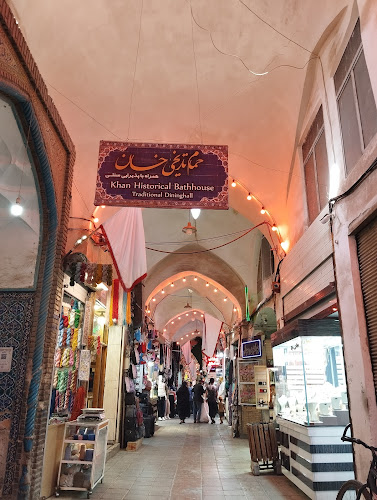
Bazaar of Kashan
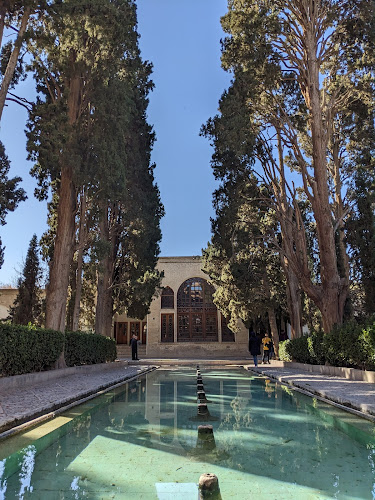
Amir Kabir Museum
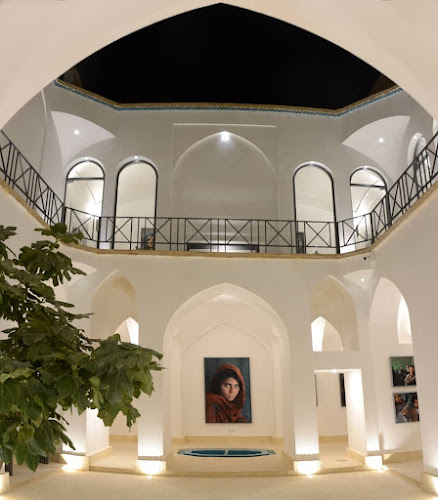
Steve House (Kashan Gallery)
Find Accommodations Nearby
Recommended Tours & Activities
Visitor Reviews
There are no reviews yet. Be the first one to write one.
Share Your Experience
Have you visited Aminoddole Caravanserai? Help other travelers by leaving a review.