
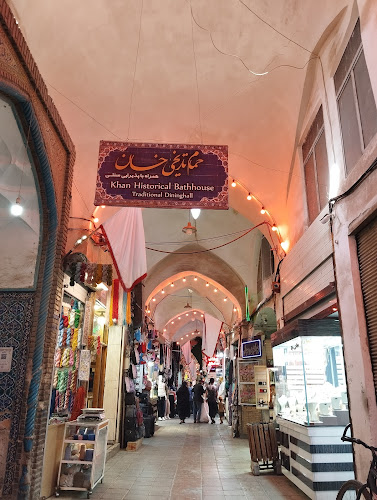
Bazaar of Kashan
About Bazaar of Kashan
Description
The Bazaar of Kashan stands as one of Iran's most impressive historical marketplaces, though it somehow manages to fly under the radar compared to its more famous counterparts in Isfahan or Tehran. And honestly, that's part of its charm. This sprawling commercial complex dates back to the Seljuk period, with most of what visitors see today constructed during the Safavid era in the 16th and 17th centuries. Walking through its labyrinthine corridors feels like stepping into a living museum where commerce and daily life haven't changed much over the centuries. What strikes most travelers immediately is the sheer scale of the place. We're talking about kilometers of covered passageways, countless domed chambers, and an architectural complexity that can leave you wonderfully disoriented. Unlike some bazaars that have become tourist traps, Kashan's marketplace retains an authentic working atmosphere. Local shopkeepers still conduct business much as their ancestors did, and you'll find yourself sharing narrow walkways with residents doing their everyday shopping rather than just tour groups snapping photos. The architecture alone justifies a visit. Brick vaulted ceilings soar overhead, punctuated by wind towers and skylights that create these beautiful shafts of light cutting through the dim interiors. The craftmanship is extraordinary - intricate brickwork, tilework, and carved plasterwork adorn the walls and ceilings throughout the complex. I remember getting completely lost trying to photograph one particularly stunning dome, only to discover three more equally beautiful chambers just around the corner. But this isn't just a pretty face collecting dust. The bazaar remains Kashan's commercial heart, selling everything from spices and dried fruits to copper work, textiles, and the exquisite carpets the region is famous for. The atmosphere feels refreshingly low-key compared to more touristy bazaars - vendors here aren't as pushy, and you can actually browse without constant sales pressure.Key Features
The Bazaar of Kashan offers visitors numerous distinctive elements that make it worth extensive exploration: • The Timche-ye Amin od-Dowleh, a stunning 19th-century enclosed courtyard topped with an octagonal dome and surrounded by two levels of merchant chambers. The tilework here is absolutely breathtaking, featuring traditional Persian motifs in blues and golds that seem to glow when light filters through the dome's windows. • Several historical caravanserais integrated into the bazaar complex where traveling merchants once rested with their caravans. These spaces now house shops but retain their original architectural features, including central courtyards and surrounding chambers. • The traditional Hammam-e Khan, an old bathhouse connected to the bazaar that showcases the social infrastructure that once supported marketplace culture. While no longer functioning as a bathhouse, the building's architecture provides fascinating insight into Persian bathing traditions. • Specialized sections devoted to particular trades and goods, from coppersmiths to spice merchants to textile dealers. This traditional organization makes it easier to find what you're looking for once you understand the layout. • Multiple historic mosques and religious spaces integrated seamlessly into the commercial areas, reflecting the intertwining of spiritual and economic life in traditional Islamic cities. • Underground water channels and ventilation systems that kept the bazaar cool during scorching summers, representing centuries-old sustainable architecture techniques that modern engineers still study. • Wheelchair accessible entrances and restroom facilities, which isn't always a given in historical Middle Eastern sites. The main entrances have been adapted for accessibility while maintaining historical integrity. • Acceptance of modern payment methods including credit and debit cards at many established shops, though smaller vendors still prefer cash transactions.Best Time to Visit
Timing your visit to the Bazaar of Kashan requires considering both seasonal weather patterns and the rhythm of daily commercial life. Spring, particularly from late March through May, offers ideal conditions. Temperatures hover in the pleasant 20-25°C range, making the covered bazaar comfortable even during midday hours. The Persian New Year celebration of Nowruz brings extra energy to the marketplace, though it also means larger crowds and higher prices. Autumn, specifically October and November, provides similarly agreeable weather without the Nowruz rush. The bazaar takes on a particularly atmospheric quality during these months when the angle of sunlight creates dramatic effects through the skylights and wind towers. Summer in Kashan can be brutally hot, with temperatures often exceeding 40°C. But here's where the bazaar's traditional architecture really shines - the covered passages remain significantly cooler than outside streets, making it actually one of the better times to explore if you can handle the heat between your accommodation and the bazaar entrances. Just avoid midday and you'll be fine. Winter sees fewer tourists and lower prices, though temperatures can drop surprisingly low, especially in the mornings and evenings. The bazaar stays warmer than outdoor attractions, making it a sensible choice for winter afternoons. Regarding daily timing, mornings from 9 AM to noon offer the most authentic experience. Shops are opening, merchants are arranging their goods, and you'll see the bazaar coming to life. The light during these hours also creates beautiful photography opportunities. Early afternoons tend to be quieter as some shops close for lunch, particularly on Thursdays and Fridays. Most bazaar sections close entirely on Fridays, the Islamic day of rest, though some tourist-oriented shops might remain open. Late afternoons from 4 PM onward see renewed activity as temperatures drop and locals return for evening shopping. This period offers great people-watching opportunities and chances to interact with residents rather than just other tourists.How to Get There
Reaching the Bazaar of Kashan is straightforward given its central location in the city. For international travelers, most will arrive in Iran through Tehran's Imam Khomeini International Airport, located approximately 220 kilometers north of Kashan. From Tehran, you have several options. The most comfortable approach involves taking one of the frequent buses from Tehran's South Terminal (Terminal-e Jonub) directly to Kashan. These buses run throughout the day, take about 3-4 hours depending on traffic, and cost remarkably little - usually around 300,000-500,000 rials. VIP buses offer more comfortable seats and sometimes refreshments. I've taken this route several times and found it reliable, though traffic leaving Tehran can be nightmarish during rush hours. Shared taxis (savari) operate on the Tehran-Kashan route as well, offering a faster journey of about 2.5 hours. They leave when full with four passengers, and while more expensive than buses, they provide door-to-door service. Just be prepared for potentially aggressive driving. For those with more resources, hiring a private driver for the Tehran-Kashan journey offers flexibility to stop at attractions along the way, including the historical village of Abyaneh or the desert town of Fin with its famous Persian garden. Once in Kashan, the bazaar's central location makes it accessible from virtually anywhere in the old city. Most traditional guesthouses and hotels lie within walking distance - we're talking 10-20 minute walks at most. Kashan isn't a huge city, and the old quarters where tourists typically stay cluster around the bazaar. Taxis are abundant and cheap for those preferring not to walk. Just tell the driver "Bazaar-e Kashan" and they'll know exactly where to go. Most rides within the city center cost less than 100,000 rials. Ride-hailing apps like Snapp and Tap30 work well in Kashan for those who prefer set prices and GPS tracking. The bazaar has several entrances, but the main ones are clearly marked and easy to find. The northern entrance near the Agha Bozorg Mosque is particularly popular with tourists.Tips for Visiting
Making the most of your time in the Bazaar of Kashan requires some insider knowledge that guidebooks don't always share. First off, dress appropriately. This isn't just about respecting local customs - though that's important - it's about practical comfort. Women need to wear a headscarf and clothing that covers arms and legs. Men should avoid shorts. That said, the bazaar's covered nature means you won't be dealing with sun exposure, so lightweight, breathable fabrics work perfectly. Bring cash, and lots of it. Despite some shops accepting cards, most transactions happen in rials. ATMs can be unreliable, and exchange rates inside the bazaar won't favor you. Change money before arriving and carry small denominations. Nothing frustrates a small vendor more than breaking a huge note for a tiny purchase. Don't assume the first price quoted is anywhere near the actual price. Bargaining is expected, even enjoyed by many merchants. A good rule of thumb? Start at about 40-50% of the asking price and negotiate from there. But do it respectfully - this is business, not combat. I've found that showing genuine interest in products and asking about craftsmanship often leads to better prices than aggressive haggling. Photography gets tricky in bazaars. While the architecture is generally fair game, always ask permission before photographing people or individual shops. Many vendors welcome photos, especially if you show interest in their goods, but some consider it intrusive. A smile and gesture toward your camera usually communicates your intention clearly enough despite language barriers. Speaking of language, English isn't widely spoken among all merchants, particularly those dealing primarily with local customers. Learning a few Farsi phrases goes a surprisingly long way. "Chand ast?" (How much?), "Kheili geron ast" (Too expensive), and "Mersi" (Thanks) will serve you well. Younger shopkeepers often speak decent English, particularly in carpet and handicraft shops accustomed to international customers. Get lost intentionally. Seriously. The bazaar's layout confuses even locals sometimes, and wandering aimlessly often leads to the most memorable discoveries. That tiny workshop where a 70-year-old craftsman is hand-tooling copper? You won't find that following tour groups. Just make mental notes of landmarks - that distinctive dome, this particular mosque entrance - to orient yourself. Visit the same section multiple times if something catches your eye. Merchants remember faces, and returning demonstrates serious interest. I've gotten my best deals and had the most meaningful interactions when revisiting shops after initially browsing. Carry a reusable bag for purchases. Plastic bags are provided, but they're flimsy and not particularly environmentally friendly. A folding tote in your daypack saves hassle and reduces waste. The restroom facilities exist but don't expect Western standards. Bring tissues or toilet paper, as it's not always provided. Hand sanitizer is your friend. The facilities are generally clean enough but basic. For those interested in carpets - and Kashan produces some of Iran's finest - take your time. Don't buy on impulse. Visit multiple dealers, compare quality and prices, and if possible, bring someone knowledgeable. The carpet trade has its share of honest craftspeople and also its share of, well, less scrupulous operators. Quality Persian carpets represent serious investments, and rushed decisions lead to regrets. Try the traditional tea houses tucked into corners of the bazaar. These aren't tourist attractions - they're where merchants take breaks, make deals, and socialize. A glass of tea costs almost nothing and provides a perfect opportunity to rest your feet while observing local commercial culture. Finally, remember that this is a working marketplace, not a museum. Real people conduct real business here. Be respectful of that reality. Don't block passageways for extended photo sessions, don't handle goods carelessly, and remember that merchants' time has value even if you're not buying anything.Key Features
- Key Features
- Best Time to Visit
- How to Get There
- Tips for Visiting
More Details
Updated January 16, 2026
Table of Contents
Description
The Bazaar of Kashan stands as one of Iran’s most impressive historical marketplaces, though it somehow manages to fly under the radar compared to its more famous counterparts in Isfahan or Tehran. And honestly, that’s part of its charm. This sprawling commercial complex dates back to the Seljuk period, with most of what visitors see today constructed during the Safavid era in the 16th and 17th centuries. Walking through its labyrinthine corridors feels like stepping into a living museum where commerce and daily life haven’t changed much over the centuries.
What strikes most travelers immediately is the sheer scale of the place. We’re talking about kilometers of covered passageways, countless domed chambers, and an architectural complexity that can leave you wonderfully disoriented. Unlike some bazaars that have become tourist traps, Kashan’s marketplace retains an authentic working atmosphere. Local shopkeepers still conduct business much as their ancestors did, and you’ll find yourself sharing narrow walkways with residents doing their everyday shopping rather than just tour groups snapping photos.
The architecture alone justifies a visit. Brick vaulted ceilings soar overhead, punctuated by wind towers and skylights that create these beautiful shafts of light cutting through the dim interiors. The craftmanship is extraordinary – intricate brickwork, tilework, and carved plasterwork adorn the walls and ceilings throughout the complex. I remember getting completely lost trying to photograph one particularly stunning dome, only to discover three more equally beautiful chambers just around the corner.
But this isn’t just a pretty face collecting dust. The bazaar remains Kashan’s commercial heart, selling everything from spices and dried fruits to copper work, textiles, and the exquisite carpets the region is famous for. The atmosphere feels refreshingly low-key compared to more touristy bazaars – vendors here aren’t as pushy, and you can actually browse without constant sales pressure.
Key Features
The Bazaar of Kashan offers visitors numerous distinctive elements that make it worth extensive exploration:
• The Timche-ye Amin od-Dowleh, a stunning 19th-century enclosed courtyard topped with an octagonal dome and surrounded by two levels of merchant chambers. The tilework here is absolutely breathtaking, featuring traditional Persian motifs in blues and golds that seem to glow when light filters through the dome’s windows.
• Several historical caravanserais integrated into the bazaar complex where traveling merchants once rested with their caravans. These spaces now house shops but retain their original architectural features, including central courtyards and surrounding chambers.
• The traditional Hammam-e Khan, an old bathhouse connected to the bazaar that showcases the social infrastructure that once supported marketplace culture. While no longer functioning as a bathhouse, the building’s architecture provides fascinating insight into Persian bathing traditions.
• Specialized sections devoted to particular trades and goods, from coppersmiths to spice merchants to textile dealers. This traditional organization makes it easier to find what you’re looking for once you understand the layout.
• Multiple historic mosques and religious spaces integrated seamlessly into the commercial areas, reflecting the intertwining of spiritual and economic life in traditional Islamic cities.
• Underground water channels and ventilation systems that kept the bazaar cool during scorching summers, representing centuries-old sustainable architecture techniques that modern engineers still study.
• Wheelchair accessible entrances and restroom facilities, which isn’t always a given in historical Middle Eastern sites. The main entrances have been adapted for accessibility while maintaining historical integrity.
• Acceptance of modern payment methods including credit and debit cards at many established shops, though smaller vendors still prefer cash transactions.
Best Time to Visit
Timing your visit to the Bazaar of Kashan requires considering both seasonal weather patterns and the rhythm of daily commercial life. Spring, particularly from late March through May, offers ideal conditions. Temperatures hover in the pleasant 20-25°C range, making the covered bazaar comfortable even during midday hours. The Persian New Year celebration of Nowruz brings extra energy to the marketplace, though it also means larger crowds and higher prices.
Autumn, specifically October and November, provides similarly agreeable weather without the Nowruz rush. The bazaar takes on a particularly atmospheric quality during these months when the angle of sunlight creates dramatic effects through the skylights and wind towers.
Summer in Kashan can be brutally hot, with temperatures often exceeding 40°C. But here’s where the bazaar’s traditional architecture really shines – the covered passages remain significantly cooler than outside streets, making it actually one of the better times to explore if you can handle the heat between your accommodation and the bazaar entrances. Just avoid midday and you’ll be fine.
Winter sees fewer tourists and lower prices, though temperatures can drop surprisingly low, especially in the mornings and evenings. The bazaar stays warmer than outdoor attractions, making it a sensible choice for winter afternoons.
Regarding daily timing, mornings from 9 AM to noon offer the most authentic experience. Shops are opening, merchants are arranging their goods, and you’ll see the bazaar coming to life. The light during these hours also creates beautiful photography opportunities. Early afternoons tend to be quieter as some shops close for lunch, particularly on Thursdays and Fridays. Most bazaar sections close entirely on Fridays, the Islamic day of rest, though some tourist-oriented shops might remain open.
Late afternoons from 4 PM onward see renewed activity as temperatures drop and locals return for evening shopping. This period offers great people-watching opportunities and chances to interact with residents rather than just other tourists.
How to Get There
Reaching the Bazaar of Kashan is straightforward given its central location in the city. For international travelers, most will arrive in Iran through Tehran’s Imam Khomeini International Airport, located approximately 220 kilometers north of Kashan. From Tehran, you have several options.
The most comfortable approach involves taking one of the frequent buses from Tehran’s South Terminal (Terminal-e Jonub) directly to Kashan. These buses run throughout the day, take about 3-4 hours depending on traffic, and cost remarkably little – usually around 300,000-500,000 rials. VIP buses offer more comfortable seats and sometimes refreshments. I’ve taken this route several times and found it reliable, though traffic leaving Tehran can be nightmarish during rush hours.
Shared taxis (savari) operate on the Tehran-Kashan route as well, offering a faster journey of about 2.5 hours. They leave when full with four passengers, and while more expensive than buses, they provide door-to-door service. Just be prepared for potentially aggressive driving.
For those with more resources, hiring a private driver for the Tehran-Kashan journey offers flexibility to stop at attractions along the way, including the historical village of Abyaneh or the desert town of Fin with its famous Persian garden.
Once in Kashan, the bazaar’s central location makes it accessible from virtually anywhere in the old city. Most traditional guesthouses and hotels lie within walking distance – we’re talking 10-20 minute walks at most. Kashan isn’t a huge city, and the old quarters where tourists typically stay cluster around the bazaar.
Taxis are abundant and cheap for those preferring not to walk. Just tell the driver “Bazaar-e Kashan” and they’ll know exactly where to go. Most rides within the city center cost less than 100,000 rials. Ride-hailing apps like Snapp and Tap30 work well in Kashan for those who prefer set prices and GPS tracking.
The bazaar has several entrances, but the main ones are clearly marked and easy to find. The northern entrance near the Agha Bozorg Mosque is particularly popular with tourists.
Tips for Visiting
Making the most of your time in the Bazaar of Kashan requires some insider knowledge that guidebooks don’t always share. First off, dress appropriately. This isn’t just about respecting local customs – though that’s important – it’s about practical comfort. Women need to wear a headscarf and clothing that covers arms and legs. Men should avoid shorts. That said, the bazaar’s covered nature means you won’t be dealing with sun exposure, so lightweight, breathable fabrics work perfectly.
Bring cash, and lots of it. Despite some shops accepting cards, most transactions happen in rials. ATMs can be unreliable, and exchange rates inside the bazaar won’t favor you. Change money before arriving and carry small denominations. Nothing frustrates a small vendor more than breaking a huge note for a tiny purchase.
Don’t assume the first price quoted is anywhere near the actual price. Bargaining is expected, even enjoyed by many merchants. A good rule of thumb? Start at about 40-50% of the asking price and negotiate from there. But do it respectfully – this is business, not combat. I’ve found that showing genuine interest in products and asking about craftsmanship often leads to better prices than aggressive haggling.
Photography gets tricky in bazaars. While the architecture is generally fair game, always ask permission before photographing people or individual shops. Many vendors welcome photos, especially if you show interest in their goods, but some consider it intrusive. A smile and gesture toward your camera usually communicates your intention clearly enough despite language barriers.
Speaking of language, English isn’t widely spoken among all merchants, particularly those dealing primarily with local customers. Learning a few Farsi phrases goes a surprisingly long way. “Chand ast?” (How much?), “Kheili geron ast” (Too expensive), and “Mersi” (Thanks) will serve you well. Younger shopkeepers often speak decent English, particularly in carpet and handicraft shops accustomed to international customers.
Get lost intentionally. Seriously. The bazaar’s layout confuses even locals sometimes, and wandering aimlessly often leads to the most memorable discoveries. That tiny workshop where a 70-year-old craftsman is hand-tooling copper? You won’t find that following tour groups. Just make mental notes of landmarks – that distinctive dome, this particular mosque entrance – to orient yourself.
Visit the same section multiple times if something catches your eye. Merchants remember faces, and returning demonstrates serious interest. I’ve gotten my best deals and had the most meaningful interactions when revisiting shops after initially browsing.
Carry a reusable bag for purchases. Plastic bags are provided, but they’re flimsy and not particularly environmentally friendly. A folding tote in your daypack saves hassle and reduces waste.
The restroom facilities exist but don’t expect Western standards. Bring tissues or toilet paper, as it’s not always provided. Hand sanitizer is your friend. The facilities are generally clean enough but basic.
For those interested in carpets – and Kashan produces some of Iran’s finest – take your time. Don’t buy on impulse. Visit multiple dealers, compare quality and prices, and if possible, bring someone knowledgeable. The carpet trade has its share of honest craftspeople and also its share of, well, less scrupulous operators. Quality Persian carpets represent serious investments, and rushed decisions lead to regrets.
Try the traditional tea houses tucked into corners of the bazaar. These aren’t tourist attractions – they’re where merchants take breaks, make deals, and socialize. A glass of tea costs almost nothing and provides a perfect opportunity to rest your feet while observing local commercial culture.
Finally, remember that this is a working marketplace, not a museum. Real people conduct real business here. Be respectful of that reality. Don’t block passageways for extended photo sessions, don’t handle goods carelessly, and remember that merchants’ time has value even if you’re not buying anything.
Key Highlights
- Key Features
- Best Time to Visit
- How to Get There
- Tips for Visiting
Location
Places to Stay Near Bazaar of Kashan
Find and Book a Tour
Explore More Travel Guides
No reviews found! Be the first to review!
Traveler Reviews for Bazaar of Kashan
There are no reviews yet. Be the first one to write one.
Have you visited Bazaar of Kashan? Help other travelers by sharing your review.
You Might Also Like

National Museum of Kashan
کوچه باستان 17

Home Bakuchi
Find Accommodations Nearby
Recommended Tours & Activities
Visitor Reviews
There are no reviews yet. Be the first one to write one.
Share Your Experience
Have you visited Bazaar of Kashan? Help other travelers by leaving a review.