

Cusco Cathedral
About Cusco Cathedral
Description
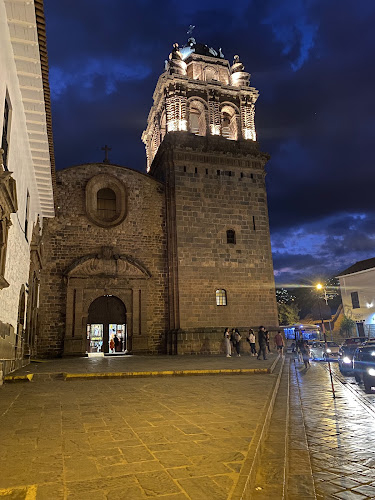
The Cusco Cathedral stands as one of Peru's most magnificent examples of colonial religious architecture, and honestly, calling it just a church feels like an understatement. This massive structure took nearly a hundred years to complete, with construction spanning from the mid-1500s through the 1600s. What makes this place truly fascinating is that it was built right on top of the foundations of an Inca palace - specifically, the palace of Viracocha. The Spanish weren't exactly subtle about their conquest, and this cathedral represents that complex history in stone and mortar. Walking into this place for the first time, visitors will find themselves surrounded by an almost overwhelming amount of colonial art and religious imagery. We're talking about hundreds of paintings that line the walls, many from the famous Cusco School of painting that blended European Renaissance techniques with indigenous Andean symbolism. The sheer scale of the interior is breathtaking, with massive cedar wood altars covered in gold leaf and intricate carvings that must have taken craftsmen years to complete. The cathedral actually consists of three churches joined together - the main cathedral flanked by the Church of the Triumph on one side and the Church of Jesus Maria on the other. This creates an impressive facade that dominates the Plaza de Armas, Cusco's main square. The building materials themselves tell a story - blocks of red granite were hauled from Sacsayhuaman, an Inca fortress nearby, representing yet another layer of conquest and repurposing. One thing that catches many visitors off guard is just how dark it is inside. The colonial architects didn't exactly prioritize natural lighting, which gives the whole space this somber, mysterious atmosphere. Your eyes need time to adjust, but once they do, you'll start noticing details everywhere - from the ornate choir stalls to the massive silver altar that weighs literally tons.Key Features
The Cusco Cathedral houses an incredible collection of treasures and architectural elements that make it one of South America's most important colonial monuments: • The Main Altar, an absolute masterpiece of baroque goldwork that stretches nearly to the ceiling and contains intricate carvings depicting various saints and biblical scenes • A stunning collection of colonial paintings numbering over 400 pieces, including works by renowned Cusco School artists who incorporated local elements like guinea pigs into traditional Last Supper scenes • The famous Maria Angola bell, which hangs in one of the towers and can reportedly be heard from up to 25 miles away on a clear day - it's made from a gold and bronze alloy • Cedar wood choir stalls featuring detailed carvings of saints, bishops, and various religious figures that showcase the incredible craftsmanship of colonial-era artisans • Multiple side chapels, each dedicated to different saints and decorated with their own altarpieces and religious artwork • The crucifix that legend says helped stop an earthquake in 1650, which is paraded through the streets during the Lord of the Earthquakes procession each year • Crypts and burial chambers beneath the cathedral floor where important religious and civic leaders were laid to rest • Wheelchair accessible entrance making it possible for visitors with mobility challenges to experience this historic site • Foundations and stonework incorporating blocks from Inca structures, visible evidence of the cultural layering that defines Cusco's architectureBest Time to Visit
Timing your visit to the Cusco Cathedral can really make a difference in your experience, and I've learned this the hard way after visiting during peak tourist season once and barely being able to move through the crowds. The cathedral is open most days, typically from Monday through Saturday, though hours can vary and the building closes for special religious ceremonies. Sunday visits are tricky since the cathedral primarily functions as an active place of worship on that day, with limited tourist access. If you're set on a Sunday visit, you might catch it during non-service hours, but don't count on it. Weather-wise, Cusco's dry season from May through September brings the most tourists but also the clearest skies and most pleasant temperatures. The cathedral itself is indoors, so rain won't affect your visit directly, but the wet season from November through March means you'll be dealing with afternoon showers that can make getting around the Plaza de Armas less enjoyable. Plus, fewer crowds during the rainy season means you'll have more space to actually appreciate what you're seeing inside. Time of day matters too. Early morning visits, right when the cathedral opens, offer the best chance to experience the space without hordes of tour groups. By mid-morning through early afternoon, tour buses have arrived and the place can feel packed. Late afternoon visits work well too, as most tour groups have moved on to other attractions. Special religious festivals provide unique opportunities to see the cathedral in full ceremonial use. The Lord of the Earthquakes procession in late March or early April is absolutely spectacular, though you won't get the typical tourist experience during this time. Corpus Christi, usually in June, brings another major celebration with the cathedral as the centerpiece. But honestly? If you want my real opinion, visit on a weekday morning during the shoulder seasons - April or October work great. You'll avoid the worst crowds, the weather's still decent, and you can actually take your time looking at the paintings without someone's selfie stick blocking your view.How to Get There
Getting to the Cusco Cathedral couldn't be much easier since it sits right on the Plaza de Armas, the absolute heart of Cusco's historic center. If you're staying anywhere in the city's tourist area, you can probably walk there in fifteen minutes or less. From most hotels in San Blas, the artsy neighborhood uphill from the plaza, it's a pleasant downhill walk of maybe ten to twenty minutes depending on exactly where you're starting. The streets are steep though - Cusco sits at over 11,000 feet elevation, so take it slow and let yourself adjust to the altitude. If you're coming from the San Pedro Market area or the bus terminal, you can catch a local taxi for just a few soles. Cusco's taxis don't use meters, so agree on a price before getting in. Most rides within the historic center shouldn't cost more than 5-8 soles. Uber and other ride-sharing apps work in Cusco too, which takes the guesswork out of pricing. Walking is really the best option though. The Plaza de Armas is literally the reference point for navigating Cusco - everyone knows where it is, and you can see the cathedral's twin bell towers from blocks away. Just head toward the plaza and you can't miss it. The massive stone structure takes up the entire northeastern side of the square. The cathedral entrance is accessed from the Plaza de Armas side. There's a wheelchair accessible entrance as well, which is actually pretty impressive given that this is a 400-year-old building in a historic district not exactly known for modern accessibility features. You'll need to purchase tickets at a nearby office rather than directly at the cathedral entrance, which confuses some first-time visitors. The ticket office is just steps away from the cathedral itself.Tips for Visiting
Photography inside the cathedral is strictly prohibited, and they're serious about it. Guards will ask you to put your camera or phone away, and I've seen them require people to delete photos taken inside. Just leave your camera in your bag and experience the place with your actual eyes - it's more meaningful anyway. Dress respectfully since this is an active place of worship, not just a museum. That means covering shoulders and knees. They're not as strict as some European cathedrals, but showing up in beachwear won't win you any friends. Bring a light scarf or shawl if you're wearing a tank top. The cathedral is included in the Cusco Tourist Ticket (Boleto Turistico), but here's where it gets confusing - there's also a separate Religious Circuit ticket that covers just the cathedral and a few other churches. Figure out which ticket makes sense for your itinerary before buying. If you're planning to visit multiple archaeological sites around Cusco, the full tourist ticket is worth it. If you're mainly interested in colonial churches, the Religious Circuit ticket costs less. Take your time inside. Too many visitors rush through in twenty minutes, but there's easily an hour or two worth of art and architecture to appreciate if you actually stop and look. The paintings alone deserve serious attention - try to find the Last Supper with a guinea pig as the main dish, a classic example of how local artists incorporated Andean elements into European religious scenes. The altitude will affect you, even if you're just walking around inside. At 11,150 feet above sea level, Cusco demands respect. If you're feeling dizzy or short of breath, sit down in one of the pews for a bit. They won't rush you out. Hire a guide or rent an audio guide if you want to understand what you're seeing. The cathedral doesn't have much in the way of explanatory plaques, and without context, you'll miss the significance of what you're looking at. Local guides hang around the plaza and can be hired for reasonable rates - just negotiate the price and duration upfront. Visit other times in the Plaza de Armas while you're there since you're already in the heart of Cusco's historic district. But get to the cathedral first thing so you're not trying to squeeze it in later when you're tired from walking around at altitude all day. The cathedral gets cold, especially in the early morning or during winter months (June-August). Bring a light jacket even if it's warm outside - those thick stone walls keep the interior surprisingly chilly year-round. And here's something most guidebooks won't tell you - the benches in the Plaza de Armas right outside the cathedral offer the best spot to sit and process what you just saw after your visit. Grab a bench, maybe buy a juice from one of the vendors, and just sit with the experience for a bit. The cathedral's facade looks completely different depending on the time of day and the light, and sometimes the best part of visiting is just sitting outside afterward watching the light change on those ancient stones.Key Features
- Built atop Inca palace foundations with visible reused stonework
- Extensive Cusco School painting collection, including local interpretations of biblical scenes
- Imposing main altar and gilded baroque interior decoration
- Carved choir stalls and notable silver liturgical objects
- Prominent location on Plaza de Armas — easy access and excellent photo opportunities
More Details
Updated January 17, 2026
Table of Contents
Description
The Cusco Cathedral stands as one of Peru’s most magnificent examples of colonial religious architecture, and honestly, calling it just a church feels like an understatement. This massive structure took nearly a hundred years to complete, with construction spanning from the mid-1500s through the 1600s. What makes this place truly fascinating is that it was built right on top of the foundations of an Inca palace – specifically, the palace of Viracocha. The Spanish weren’t exactly subtle about their conquest, and this cathedral represents that complex history in stone and mortar.
Walking into this place for the first time, visitors will find themselves surrounded by an almost overwhelming amount of colonial art and religious imagery. We’re talking about hundreds of paintings that line the walls, many from the famous Cusco School of painting that blended European Renaissance techniques with indigenous Andean symbolism. The sheer scale of the interior is breathtaking, with massive cedar wood altars covered in gold leaf and intricate carvings that must have taken craftsmen years to complete.
The cathedral actually consists of three churches joined together – the main cathedral flanked by the Church of the Triumph on one side and the Church of Jesus Maria on the other. This creates an impressive facade that dominates the Plaza de Armas, Cusco’s main square. The building materials themselves tell a story – blocks of red granite were hauled from Sacsayhuaman, an Inca fortress nearby, representing yet another layer of conquest and repurposing.
One thing that catches many visitors off guard is just how dark it is inside. The colonial architects didn’t exactly prioritize natural lighting, which gives the whole space this somber, mysterious atmosphere. Your eyes need time to adjust, but once they do, you’ll start noticing details everywhere – from the ornate choir stalls to the massive silver altar that weighs literally tons.
Key Features
The Cusco Cathedral houses an incredible collection of treasures and architectural elements that make it one of South America’s most important colonial monuments:
• The Main Altar, an absolute masterpiece of baroque goldwork that stretches nearly to the ceiling and contains intricate carvings depicting various saints and biblical scenes
• A stunning collection of colonial paintings numbering over 400 pieces, including works by renowned Cusco School artists who incorporated local elements like guinea pigs into traditional Last Supper scenes
• The famous Maria Angola bell, which hangs in one of the towers and can reportedly be heard from up to 25 miles away on a clear day – it’s made from a gold and bronze alloy
• Cedar wood choir stalls featuring detailed carvings of saints, bishops, and various religious figures that showcase the incredible craftsmanship of colonial-era artisans
• Multiple side chapels, each dedicated to different saints and decorated with their own altarpieces and religious artwork
• The crucifix that legend says helped stop an earthquake in 1650, which is paraded through the streets during the Lord of the Earthquakes procession each year
• Crypts and burial chambers beneath the cathedral floor where important religious and civic leaders were laid to rest
• Wheelchair accessible entrance making it possible for visitors with mobility challenges to experience this historic site
• Foundations and stonework incorporating blocks from Inca structures, visible evidence of the cultural layering that defines Cusco’s architecture
Best Time to Visit
Timing your visit to the Cusco Cathedral can really make a difference in your experience, and I’ve learned this the hard way after visiting during peak tourist season once and barely being able to move through the crowds.
The cathedral is open most days, typically from Monday through Saturday, though hours can vary and the building closes for special religious ceremonies. Sunday visits are tricky since the cathedral primarily functions as an active place of worship on that day, with limited tourist access. If you’re set on a Sunday visit, you might catch it during non-service hours, but don’t count on it.
Weather-wise, Cusco’s dry season from May through September brings the most tourists but also the clearest skies and most pleasant temperatures. The cathedral itself is indoors, so rain won’t affect your visit directly, but the wet season from November through March means you’ll be dealing with afternoon showers that can make getting around the Plaza de Armas less enjoyable. Plus, fewer crowds during the rainy season means you’ll have more space to actually appreciate what you’re seeing inside.
Time of day matters too. Early morning visits, right when the cathedral opens, offer the best chance to experience the space without hordes of tour groups. By mid-morning through early afternoon, tour buses have arrived and the place can feel packed. Late afternoon visits work well too, as most tour groups have moved on to other attractions.
Special religious festivals provide unique opportunities to see the cathedral in full ceremonial use. The Lord of the Earthquakes procession in late March or early April is absolutely spectacular, though you won’t get the typical tourist experience during this time. Corpus Christi, usually in June, brings another major celebration with the cathedral as the centerpiece.
But honestly? If you want my real opinion, visit on a weekday morning during the shoulder seasons – April or October work great. You’ll avoid the worst crowds, the weather’s still decent, and you can actually take your time looking at the paintings without someone’s selfie stick blocking your view.
How to Get There
Getting to the Cusco Cathedral couldn’t be much easier since it sits right on the Plaza de Armas, the absolute heart of Cusco’s historic center. If you’re staying anywhere in the city’s tourist area, you can probably walk there in fifteen minutes or less.
From most hotels in San Blas, the artsy neighborhood uphill from the plaza, it’s a pleasant downhill walk of maybe ten to twenty minutes depending on exactly where you’re starting. The streets are steep though – Cusco sits at over 11,000 feet elevation, so take it slow and let yourself adjust to the altitude.
If you’re coming from the San Pedro Market area or the bus terminal, you can catch a local taxi for just a few soles. Cusco’s taxis don’t use meters, so agree on a price before getting in. Most rides within the historic center shouldn’t cost more than 5-8 soles. Uber and other ride-sharing apps work in Cusco too, which takes the guesswork out of pricing.
Walking is really the best option though. The Plaza de Armas is literally the reference point for navigating Cusco – everyone knows where it is, and you can see the cathedral’s twin bell towers from blocks away. Just head toward the plaza and you can’t miss it. The massive stone structure takes up the entire northeastern side of the square.
The cathedral entrance is accessed from the Plaza de Armas side. There’s a wheelchair accessible entrance as well, which is actually pretty impressive given that this is a 400-year-old building in a historic district not exactly known for modern accessibility features. You’ll need to purchase tickets at a nearby office rather than directly at the cathedral entrance, which confuses some first-time visitors. The ticket office is just steps away from the cathedral itself.
Tips for Visiting
Photography inside the cathedral is strictly prohibited, and they’re serious about it. Guards will ask you to put your camera or phone away, and I’ve seen them require people to delete photos taken inside. Just leave your camera in your bag and experience the place with your actual eyes – it’s more meaningful anyway.
Dress respectfully since this is an active place of worship, not just a museum. That means covering shoulders and knees. They’re not as strict as some European cathedrals, but showing up in beachwear won’t win you any friends. Bring a light scarf or shawl if you’re wearing a tank top.
The cathedral is included in the Cusco Tourist Ticket (Boleto Turistico), but here’s where it gets confusing – there’s also a separate Religious Circuit ticket that covers just the cathedral and a few other churches. Figure out which ticket makes sense for your itinerary before buying. If you’re planning to visit multiple archaeological sites around Cusco, the full tourist ticket is worth it. If you’re mainly interested in colonial churches, the Religious Circuit ticket costs less.
Take your time inside. Too many visitors rush through in twenty minutes, but there’s easily an hour or two worth of art and architecture to appreciate if you actually stop and look. The paintings alone deserve serious attention – try to find the Last Supper with a guinea pig as the main dish, a classic example of how local artists incorporated Andean elements into European religious scenes.
The altitude will affect you, even if you’re just walking around inside. At 11,150 feet above sea level, Cusco demands respect. If you’re feeling dizzy or short of breath, sit down in one of the pews for a bit. They won’t rush you out.
Hire a guide or rent an audio guide if you want to understand what you’re seeing. The cathedral doesn’t have much in the way of explanatory plaques, and without context, you’ll miss the significance of what you’re looking at. Local guides hang around the plaza and can be hired for reasonable rates – just negotiate the price and duration upfront.
Visit other times in the Plaza de Armas while you’re there since you’re already in the heart of Cusco’s historic district. But get to the cathedral first thing so you’re not trying to squeeze it in later when you’re tired from walking around at altitude all day.
The cathedral gets cold, especially in the early morning or during winter months (June-August). Bring a light jacket even if it’s warm outside – those thick stone walls keep the interior surprisingly chilly year-round.
And here’s something most guidebooks won’t tell you – the benches in the Plaza de Armas right outside the cathedral offer the best spot to sit and process what you just saw after your visit. Grab a bench, maybe buy a juice from one of the vendors, and just sit with the experience for a bit. The cathedral’s facade looks completely different depending on the time of day and the light, and sometimes the best part of visiting is just sitting outside afterward watching the light change on those ancient stones.
Key Highlights
- Built atop Inca palace foundations with visible reused stonework
- Extensive Cusco School painting collection, including local interpretations of biblical scenes
- Imposing main altar and gilded baroque interior decoration
- Carved choir stalls and notable silver liturgical objects
- Prominent location on Plaza de Armas — easy access and excellent photo opportunities
Location
Places to Stay Near Cusco Cathedral
Find and Book a Tour
Explore More Travel Guides
No reviews found! Be the first to review!
Traveler Reviews for Cusco Cathedral
There are no reviews yet. Be the first one to write one.
Have you visited Cusco Cathedral? Help other travelers by sharing your review.
Nearby Attractions
You Might Also Like

Mirador desde el Cristo Blanco

Twelve Angled Stone
Church and Convent of Santo Domingo of Guzmán
Find Accommodations Nearby
Recommended Tours & Activities
Visitor Reviews
There are no reviews yet. Be the first one to write one.
Share Your Experience
Have you visited Cusco Cathedral? Help other travelers by leaving a review.