
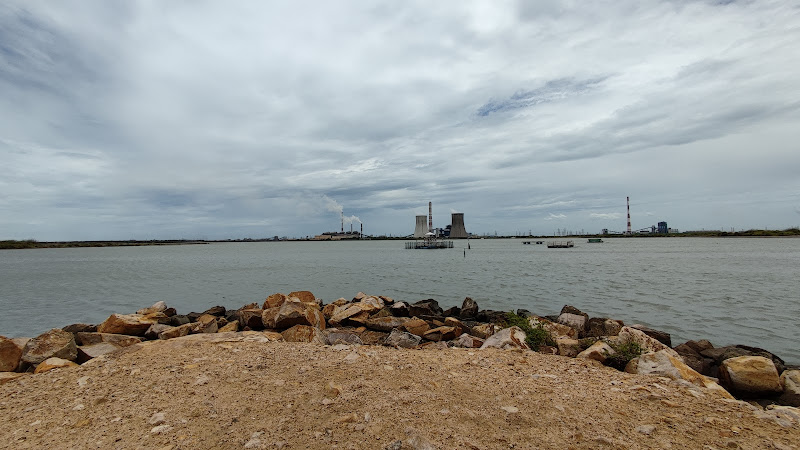
Breakwater Tuticorin
About Breakwater Tuticorin
Description
The Breakwater in Tuticorin stands as one of those rare coastal attractions that somehow manages to blend industrial heritage with natural beauty in a way that actually works. You know how some places just surprise you? This is one of them. Located along the southeastern coast of Tamil Nadu, this structure extends into the Bay of Bengal, creating a unique vantage point that's become something of a local treasure for both residents and travelers who stumble upon it. Most visitors come here not knowing quite what to expect – and honestly, that's part of the charm. The Breakwater serves its practical purpose of protecting the harbor from rough seas, but it's evolved into so much more than that. Families gather here during evenings, couples find their quiet corners to watch the sunset, and photographers discover angles they never knew existed. There's something genuinely peaceful about standing at the edge where land meets sea, watching waves crash against the massive stones while cargo ships drift by in the distance. What makes this place particularly interesting is its dual identity. During my conversations with locals, they often describe it as their "breathing space" – that spot they head to when city life gets overwhelming. And I get it. The industrial backdrop of Tuticorin's port, with its cranes and vessels, creates this unexpected contrast against the endless ocean horizon. It's not your typical picture-perfect beach destination, but that's exactly why it resonates with people looking for something more authentic. The area has become especially popular with families, which speaks volumes about its accessibility and safety. Kids can run around (though supervision is definitely needed near the water), and there's enough space for everyone without feeling crowded. The reviews from visitors consistently highlight how this isn't just another tourist trap – it's a genuine experience that feels real and unfiltered.Key Features
The Breakwater offers several distinctive elements that make it worth adding to your Tuticorin itinerary:- Panoramic Ocean Views: The structure extends far enough into the Bay of Bengal to give you 180-degree views of the water. On clear days, you can see for miles, and the perspective of watching ships navigate the harbor channels is surprisingly captivating.
- Sunset Photography Opportunities: The golden hour here hits different. The combination of industrial elements, natural seascape, and the play of light creates compositions that photographers genuinely appreciate. No filters needed when nature does the work.
- Family-Friendly Environment: Unlike some coastal spots that feel risky with children, this area has developed a reputation for being suitable for families. The wide pathways and relatively secure perimeter make it easier for parents to relax a bit.
- Industrial Port Atmosphere: You'll witness the working port in action – cargo ships, fishing vessels, and the general maritime activity that defines Tuticorin's economy. It's educational in an understated way.
- Cool Sea Breezes: The wind coming off the Bay of Bengal provides natural air conditioning, especially appreciated in Tuticorin's warm climate. Locals time their visits specifically to catch these refreshing breezes.
- Walking and Exercise Space: The length of the Breakwater makes it popular with morning walkers and fitness enthusiasts who prefer exercising with an ocean view rather than in a gym.
- Minimal Commercial Development: There isn't heavy tourist infrastructure here, which means you experience the place more or less as it is – no aggressive vendors or over-commercialization.
- Bird Watching Potential: Coastal birds frequent the area, and if you're patient, you might spot some interesting species that thrive in harbor environments.
Best Time to Visit
Timing really matters when planning your visit to the Breakwater, and I can't stress this enough – avoid the midday heat if you value your comfort. The best time to experience this place is definitely during the early morning hours, roughly between 6 AM and 9 AM, or in the evening from 4 PM until sunset around 6:30 PM depending on the season. The evening slot tends to be more popular, and for good reason. There's something magical about watching the sun dip toward the horizon while standing at the edge of the Breakwater. The temperature becomes bearable, sometimes even pleasant, and the whole atmosphere shifts into a more relaxed mode. Families start arriving, couples find their spots, and the place takes on this communal yet peaceful energy. If you're visiting Tuticorin specifically for the Breakwater, consider planning your trip between November and February. These winter months offer the most comfortable weather conditions along Tamil Nadu's coast. The humidity drops, temperatures hover in the pleasant 20-30°C range, and the sea tends to be calmer. Plus, you'll actually enjoy walking the length of the structure without feeling like you're melting. Monsoon season from October through December brings its own character to the place. The sea gets rougher, waves crash more dramatically against the rocks, and the whole experience feels more raw and powerful. But be cautious – if weather warnings are in effect, skip it. Safety trumps photography opportunities every time. Summer months from March to June? Honestly, they're challenging. Temperatures can climb past 35°C, and the combination of heat and humidity makes outdoor activities pretty uncomfortable during daytime hours. If you're visiting during summer, stick religiously to those early morning or late evening windows. Weekday visits generally offer a quieter experience compared to weekends when local families descend in larger numbers. Not that crowds here ever reach overwhelming levels, but if solitude is what you're after, Tuesday through Thursday mornings are your best bet.How to Get There
Getting to the Breakwater in Tuticorin is refreshingly straightforward, which isn't always the case with coastal attractions in India. The structure is located near the Tuticorin Port area, and most local auto-rickshaw drivers know exactly where you want to go when you mention "Breakwater." If you're arriving in Tuticorin by train, the city's railway station is your starting point. From there, you're looking at roughly a 15-20 minute auto-rickshaw ride depending on traffic. The fare should run between 80-150 rupees – always agree on the price before starting your journey or insist on using the meter. Local buses also connect the railway station to the port area, though routes might require a transfer and aren't always the most efficient option for travelers unfamiliar with the system. For those coming from nearby cities, Tuticorin is well-connected by road. If you're in Madurai, it's about a 3-hour drive covering approximately 135 kilometers. The route via NH38 is generally in decent condition, and hiring a taxi for the day gives you flexibility to explore other Tuticorin attractions. From Tirunelveli, you're looking at just an hour's drive, making the Breakwater an easy day trip option. The nearest major airport is Tuticorin Airport, though it has limited connectivity. Most travelers fly into Madurai Airport instead, which has better flight options from major Indian cities, then make the road journey to Tuticorin. Once you're in the general port area, signage is minimal, but the Breakwater structure itself is visible and distinctive. If you're driving yourself, parking is available near the entrance area, though designated spaces are somewhat informal. Two-wheelers are popular among locals for visiting, as they're easy to park and maneuver through any traffic. Google Maps works reliably in Tuticorin, so dropping a pin for "Tuticorin Breakwater" should get you accurate directions. Alternatively, asking for "Thermal Plant Breakwater" also works as a reference point since the thermal power plant is nearby.Tips for Visiting
After talking with regular visitors and learning from locals, here are some practical insights that'll improve your experience at the Breakwater. First thing – bring sunscreen and wear a hat or cap. I know it sounds basic, but the sun reflects off both the water and the concrete surfaces, intensifying exposure. Even during evening visits, that late afternoon sun can be harsh. Sunglasses aren't just a fashion statement here; they're genuinely necessary for comfort. Footwear matters more than you might think. The Breakwater surface is concrete and stone, so comfortable walking shoes work better than flip-flops if you plan to walk the full length. Some areas can be uneven, and nobody wants a twisted ankle ruining their trip. And honestly, skip the heels entirely – this isn't that kind of place. Stay hydrated, especially if you're visiting during warmer months. There aren't many shops or vendors right at the Breakwater, so carrying your own water bottle is smart planning. The sea breeze sometimes masks how much moisture you're losing through perspiration. If you're bringing children, maintain close supervision near the edges. While the area is generally safe, the sea is still the sea, and waves can be unpredictable. Establishing clear boundaries with kids before you arrive makes everyone's experience less stressful. Photography enthusiasts should bring their equipment, but protect it from sea spray if you're getting close to where waves hit the structure. That salty mist can damage electronics pretty quickly. A microfiber cloth for wiping down lenses comes in handy. The Breakwater doesn't have bathroom facilities, so plan accordingly. Use restrooms at restaurants or your hotel before heading out. This is one of those practical considerations that sounds unglamorous but matters when you're there. Respect the working port environment. This is an active industrial area, not a theme park. Some sections might have restricted access, and those restrictions exist for legitimate safety reasons. Don't cross barriers or enter marked areas trying to get that perfect shot. Check weather conditions before visiting, particularly during monsoon season. If there are warnings about rough seas or storms, postpone your visit. The Breakwater can be genuinely dangerous during severe weather, and no view is worth risking your safety. Bring mosquito repellent for evening visits. Coastal areas often have mosquitoes, and the hour before sunset can be particularly active for these pests. A quick spray makes the difference between enjoying the sunset and constantly swatting insects. If you're interested in the maritime activity, a pair of binoculars adds another dimension to the experience. Watching ships navigate the harbor channels or spotting details on distant vessels becomes much more engaging with magnification. Finally, manage your expectations appropriately. The Breakwater isn't a manicured tourist attraction with guided tours and information plaques. It's an authentic slice of coastal industrial life that happens to be beautiful and interesting. Come with an open mind and appreciation for simple pleasures – the sound of waves, the sight of endless ocean, the feeling of wind in your face – and you'll leave satisfied. The lack of heavy tourist development also means no formal entry fees or ticket systems. It's essentially a public space that's freely accessible, which is increasingly rare for coastal attractions in India. This accessibility is part of its charm, but it also means taking personal responsibility for your safety and behavior during the visit.Key Features
- Scenic coastal promenade with views of the Gulf of Mannar
- Dramatic wave-and-rock breakwater formations ideal for photography
- Active harbour and maritime activity visible year-round
- Accessible spot for sunrise and sunset viewing
- Close proximity to other Thoothukudi attractions and beaches
More Details
Updated January 17, 2026
Table of Contents
Description
The Breakwater in Tuticorin stands as one of those rare coastal attractions that somehow manages to blend industrial heritage with natural beauty in a way that actually works. You know how some places just surprise you? This is one of them. Located along the southeastern coast of Tamil Nadu, this structure extends into the Bay of Bengal, creating a unique vantage point that’s become something of a local treasure for both residents and travelers who stumble upon it.
Most visitors come here not knowing quite what to expect – and honestly, that’s part of the charm. The Breakwater serves its practical purpose of protecting the harbor from rough seas, but it’s evolved into so much more than that. Families gather here during evenings, couples find their quiet corners to watch the sunset, and photographers discover angles they never knew existed. There’s something genuinely peaceful about standing at the edge where land meets sea, watching waves crash against the massive stones while cargo ships drift by in the distance.
What makes this place particularly interesting is its dual identity. During my conversations with locals, they often describe it as their “breathing space” – that spot they head to when city life gets overwhelming. And I get it. The industrial backdrop of Tuticorin’s port, with its cranes and vessels, creates this unexpected contrast against the endless ocean horizon. It’s not your typical picture-perfect beach destination, but that’s exactly why it resonates with people looking for something more authentic.
The area has become especially popular with families, which speaks volumes about its accessibility and safety. Kids can run around (though supervision is definitely needed near the water), and there’s enough space for everyone without feeling crowded. The reviews from visitors consistently highlight how this isn’t just another tourist trap – it’s a genuine experience that feels real and unfiltered.
Key Features
The Breakwater offers several distinctive elements that make it worth adding to your Tuticorin itinerary:
- Panoramic Ocean Views: The structure extends far enough into the Bay of Bengal to give you 180-degree views of the water. On clear days, you can see for miles, and the perspective of watching ships navigate the harbor channels is surprisingly captivating.
- Sunset Photography Opportunities: The golden hour here hits different. The combination of industrial elements, natural seascape, and the play of light creates compositions that photographers genuinely appreciate. No filters needed when nature does the work.
- Family-Friendly Environment: Unlike some coastal spots that feel risky with children, this area has developed a reputation for being suitable for families. The wide pathways and relatively secure perimeter make it easier for parents to relax a bit.
- Industrial Port Atmosphere: You’ll witness the working port in action – cargo ships, fishing vessels, and the general maritime activity that defines Tuticorin’s economy. It’s educational in an understated way.
- Cool Sea Breezes: The wind coming off the Bay of Bengal provides natural air conditioning, especially appreciated in Tuticorin’s warm climate. Locals time their visits specifically to catch these refreshing breezes.
- Walking and Exercise Space: The length of the Breakwater makes it popular with morning walkers and fitness enthusiasts who prefer exercising with an ocean view rather than in a gym.
- Minimal Commercial Development: There isn’t heavy tourist infrastructure here, which means you experience the place more or less as it is – no aggressive vendors or over-commercialization.
- Bird Watching Potential: Coastal birds frequent the area, and if you’re patient, you might spot some interesting species that thrive in harbor environments.
Best Time to Visit
Timing really matters when planning your visit to the Breakwater, and I can’t stress this enough – avoid the midday heat if you value your comfort. The best time to experience this place is definitely during the early morning hours, roughly between 6 AM and 9 AM, or in the evening from 4 PM until sunset around 6:30 PM depending on the season.
The evening slot tends to be more popular, and for good reason. There’s something magical about watching the sun dip toward the horizon while standing at the edge of the Breakwater. The temperature becomes bearable, sometimes even pleasant, and the whole atmosphere shifts into a more relaxed mode. Families start arriving, couples find their spots, and the place takes on this communal yet peaceful energy.
If you’re visiting Tuticorin specifically for the Breakwater, consider planning your trip between November and February. These winter months offer the most comfortable weather conditions along Tamil Nadu’s coast. The humidity drops, temperatures hover in the pleasant 20-30°C range, and the sea tends to be calmer. Plus, you’ll actually enjoy walking the length of the structure without feeling like you’re melting.
Monsoon season from October through December brings its own character to the place. The sea gets rougher, waves crash more dramatically against the rocks, and the whole experience feels more raw and powerful. But be cautious – if weather warnings are in effect, skip it. Safety trumps photography opportunities every time.
Summer months from March to June? Honestly, they’re challenging. Temperatures can climb past 35°C, and the combination of heat and humidity makes outdoor activities pretty uncomfortable during daytime hours. If you’re visiting during summer, stick religiously to those early morning or late evening windows.
Weekday visits generally offer a quieter experience compared to weekends when local families descend in larger numbers. Not that crowds here ever reach overwhelming levels, but if solitude is what you’re after, Tuesday through Thursday mornings are your best bet.
How to Get There
Getting to the Breakwater in Tuticorin is refreshingly straightforward, which isn’t always the case with coastal attractions in India. The structure is located near the Tuticorin Port area, and most local auto-rickshaw drivers know exactly where you want to go when you mention “Breakwater.”
If you’re arriving in Tuticorin by train, the city’s railway station is your starting point. From there, you’re looking at roughly a 15-20 minute auto-rickshaw ride depending on traffic. The fare should run between 80-150 rupees – always agree on the price before starting your journey or insist on using the meter. Local buses also connect the railway station to the port area, though routes might require a transfer and aren’t always the most efficient option for travelers unfamiliar with the system.
For those coming from nearby cities, Tuticorin is well-connected by road. If you’re in Madurai, it’s about a 3-hour drive covering approximately 135 kilometers. The route via NH38 is generally in decent condition, and hiring a taxi for the day gives you flexibility to explore other Tuticorin attractions. From Tirunelveli, you’re looking at just an hour’s drive, making the Breakwater an easy day trip option.
The nearest major airport is Tuticorin Airport, though it has limited connectivity. Most travelers fly into Madurai Airport instead, which has better flight options from major Indian cities, then make the road journey to Tuticorin.
Once you’re in the general port area, signage is minimal, but the Breakwater structure itself is visible and distinctive. If you’re driving yourself, parking is available near the entrance area, though designated spaces are somewhat informal. Two-wheelers are popular among locals for visiting, as they’re easy to park and maneuver through any traffic.
Google Maps works reliably in Tuticorin, so dropping a pin for “Tuticorin Breakwater” should get you accurate directions. Alternatively, asking for “Thermal Plant Breakwater” also works as a reference point since the thermal power plant is nearby.
Tips for Visiting
After talking with regular visitors and learning from locals, here are some practical insights that’ll improve your experience at the Breakwater.
First thing – bring sunscreen and wear a hat or cap. I know it sounds basic, but the sun reflects off both the water and the concrete surfaces, intensifying exposure. Even during evening visits, that late afternoon sun can be harsh. Sunglasses aren’t just a fashion statement here; they’re genuinely necessary for comfort.
Footwear matters more than you might think. The Breakwater surface is concrete and stone, so comfortable walking shoes work better than flip-flops if you plan to walk the full length. Some areas can be uneven, and nobody wants a twisted ankle ruining their trip. And honestly, skip the heels entirely – this isn’t that kind of place.
Stay hydrated, especially if you’re visiting during warmer months. There aren’t many shops or vendors right at the Breakwater, so carrying your own water bottle is smart planning. The sea breeze sometimes masks how much moisture you’re losing through perspiration.
If you’re bringing children, maintain close supervision near the edges. While the area is generally safe, the sea is still the sea, and waves can be unpredictable. Establishing clear boundaries with kids before you arrive makes everyone’s experience less stressful.
Photography enthusiasts should bring their equipment, but protect it from sea spray if you’re getting close to where waves hit the structure. That salty mist can damage electronics pretty quickly. A microfiber cloth for wiping down lenses comes in handy.
The Breakwater doesn’t have bathroom facilities, so plan accordingly. Use restrooms at restaurants or your hotel before heading out. This is one of those practical considerations that sounds unglamorous but matters when you’re there.
Respect the working port environment. This is an active industrial area, not a theme park. Some sections might have restricted access, and those restrictions exist for legitimate safety reasons. Don’t cross barriers or enter marked areas trying to get that perfect shot.
Check weather conditions before visiting, particularly during monsoon season. If there are warnings about rough seas or storms, postpone your visit. The Breakwater can be genuinely dangerous during severe weather, and no view is worth risking your safety.
Bring mosquito repellent for evening visits. Coastal areas often have mosquitoes, and the hour before sunset can be particularly active for these pests. A quick spray makes the difference between enjoying the sunset and constantly swatting insects.
If you’re interested in the maritime activity, a pair of binoculars adds another dimension to the experience. Watching ships navigate the harbor channels or spotting details on distant vessels becomes much more engaging with magnification.
Finally, manage your expectations appropriately. The Breakwater isn’t a manicured tourist attraction with guided tours and information plaques. It’s an authentic slice of coastal industrial life that happens to be beautiful and interesting. Come with an open mind and appreciation for simple pleasures – the sound of waves, the sight of endless ocean, the feeling of wind in your face – and you’ll leave satisfied.
The lack of heavy tourist development also means no formal entry fees or ticket systems. It’s essentially a public space that’s freely accessible, which is increasingly rare for coastal attractions in India. This accessibility is part of its charm, but it also means taking personal responsibility for your safety and behavior during the visit.
Key Highlights
- Scenic coastal promenade with views of the Gulf of Mannar
- Dramatic wave-and-rock breakwater formations ideal for photography
- Active harbour and maritime activity visible year-round
- Accessible spot for sunrise and sunset viewing
- Close proximity to other Thoothukudi attractions and beaches
Location
Places to Stay Near Breakwater Tuticorin
Find and Book a Tour
Explore More Travel Guides
No reviews found! Be the first to review!
Traveler Reviews for Breakwater Tuticorin
There are no reviews yet. Be the first one to write one.
Have you visited Breakwater Tuticorin? Help other travelers by sharing your review.
Nearby Attractions
You Might Also Like
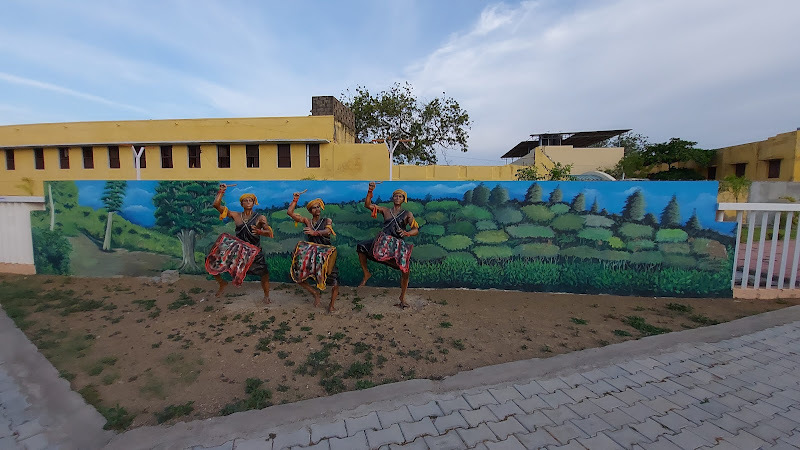
Thoothukudi Corporation Anthropology Park

Fisheries College and Research Institute

SPIC New Park
Find Accommodations Nearby
Recommended Tours & Activities
Visitor Reviews
There are no reviews yet. Be the first one to write one.
Share Your Experience
Have you visited Breakwater Tuticorin? Help other travelers by leaving a review.