
Jukhak-ri
About Jukhak-ri
Description
Jukhak-ri represents one of those quietly remarkable corners of South Korea that most travelers accidentally skip over while rushing between more famous destinations. And honestly? That's partly what makes it special. This rural village area offers visitors a genuine slice of Korean countryside life, where the pace slows down considerably and you can actually hear yourself think without the constant buzz of city traffic or tour groups marching in formation. The landscape here unfolds in that distinctly Korean way—rolling hills covered in a patchwork of agricultural fields, traditional houses dotting the terrain, and mountains serving as a permanent backdrop to daily life. I've found that places like Jukhak-ri give you something that Seoul or Busan simply can't: the breathing room to actually experience Korea rather than just photograph it. The village maintains its agricultural character, with locals still working the land using methods that haven't changed drastically over generations, though modern conveniences have certainly made their way here too. What strikes most visitors first is the authenticity. This isn't a reconstructed heritage village or a theme park version of rural Korea. People actually live here, raise their families here, and have roots going back generations. You'll see older residents tending their gardens, kids walking home from school, and the kind of community interactions that have largely disappeared from urban areas. The architecture reflects practical Korean rural design—homes built to withstand the peninsula's dramatic seasonal changes, with courtyards and gardens that serve both aesthetic and functional purposes. The surrounding agricultural lands shift dramatically with the seasons, creating an ever-changing visual palette that photographers and nature enthusiasts absolutely love. Rice paddies, vegetable plots, and small orchards contribute to the area's working landscape. This isn't just scenery to look at; it's the economic lifeblood of the community, and understanding that adds depth to any visit.Key Features
Travelers who make the journey to Jukhak-ri discover several distinctive characteristics that set this destination apart: • Authentic rural Korean atmosphere without commercialization or tourist infrastructure overwhelming the genuine character of the place • Traditional agricultural practices still in active use, providing insight into Korea's farming heritage and contemporary rural economy • Scenic countryside views featuring the rolling topography typical of this region, with mountains, fields, and traditional architecture creating compelling compositions • Peaceful environment ideal for travelers seeking respite from Korea's intense urban centers and the relentless pace of typical tourist itineraries • Opportunities to observe everyday Korean village life as it actually unfolds, rather than staged cultural performances or sanitized heritage experiences • Walking paths and rural roads suitable for leisurely exploration on foot, allowing visitors to set their own pace and discover hidden corners • Seasonal agricultural cycles visible throughout the year, from spring planting through summer growth to autumn harvest and winter dormancy • Limited English signage and tourist facilities, which paradoxically becomes an adventure for independent travelers willing to navigate with patience and good humor • Proximity to other rural attractions in the broader region, making Jukhak-ri a potential base or stopover for countryside exploration • Genuine interactions with local residents, though language barriers may apply unless you've got some Korean language skills in your toolkitBest Time to Visit
Timing your visit to Jukhak-ri really depends on what kind of experience you're after, though I'll be upfront—each season brings its own rewards and challenges. Spring arrives with considerable fanfare across Korea, and Jukhak-ri is no exception. From late March through May, the countryside erupts in fresh greens and wildflowers, temperatures become genuinely pleasant, and farmers begin preparing fields for planting. The energy is palpable, and the weather cooperates most days, though spring rain showers do occur. Bring layers because mornings can still be quite cool while afternoons warm up nicely. Summer means lush, almost overwhelming greenery everywhere you look. The rice paddies fill with water and young plants, creating those mirror-like reflections that look stunning in photographs. But let's be real—Korean summers bring serious heat and humidity that can be uncomfortable if you're not prepared for it. July and August also bring the monsoon season, with heavy rains that can disrupt plans. If you visit during summer, embrace early morning and evening exploration when temperatures drop to more reasonable levels. Autumn is arguably the most popular season for countryside travel in Korea, and for good reason. September through November delivers comfortable temperatures, lower humidity, and the spectacular color transformation as leaves turn golden and crimson. Harvest season means farmers are actively working the fields, giving you the chance to witness the agricultural cycle reaching its culmination. The light takes on that special autumn quality that photographers obsess over. I'd argue October specifically offers the sweet spot of ideal weather and visual beauty. Winter transforms Jukhak-ri into a quieter, more contemplative destination. Snow covers the fields and rooftops, creating stark and beautiful compositions. The air becomes crisp and clear, with those brilliant blue sky days that make you forget how cold your fingers are getting. But infrastructure matters more in winter—make sure you have proper cold-weather gear and reliable transportation, as rural areas can become more challenging to navigate when temperatures plummet below freezing from December through February.How to Get There
Getting to Jukhak-ri requires more planning than hopping on a subway to a major attraction, which is part of the whole point really. This isn't a destination you stumble upon—you have to intentionally choose to go there. Most travelers will need to approach Jukhak-ri by first reaching a larger nearby city or transportation hub. From there, you're looking at either renting a car, which offers the most flexibility, or navigating local bus services that serve rural communities. Having your own vehicle makes everything easier, allowing you to explore at your own pace and reach areas that public transportation doesn't serve efficiently. If you're relying on public transportation, research bus schedules carefully and have backup plans. Rural bus service tends to be less frequent than urban routes, with longer gaps between buses and reduced service on weekends. Download relevant transportation apps if they're available, though be aware that English support may be limited. Having the destination written in Korean (죽학리) on your phone to show bus drivers or station staff becomes essential. The journey itself becomes part of the experience once you leave major transportation corridors behind. Roads wind through increasingly rural landscapes, passing through other small villages and agricultural areas. Travel times can be deceptive—what looks like a short distance on a map may take longer than expected on narrow rural roads. GPS navigation works reliably in most of South Korea, including rural areas, but having offline maps downloaded provides insurance against connectivity issues. Asking locals for directions can work if you speak some Korean or are good at charades, and honestly, these interactions sometimes become the most memorable parts of the trip.Tips for Visiting
Preparing properly for a visit to Jukhak-ri makes the difference between frustration and a rewarding experience that you'll remember for years. Language considerations top the list of practical concerns. Don't expect English signage or English-speaking locals in rural villages. Download a translation app that works offline, learn a few essential Korean phrases at minimum, and approach interactions with patience and good humor. A smile and respectful demeanor transcend language barriers surprisingly well. Bring cash. While Korea's cities have gone largely cashless, rural areas still operate primarily with physical money. ATMs may be located only in nearby larger towns, so withdraw sufficient cash before heading into the countryside. Dress practically rather than fashionably. You're visiting a working agricultural area, not a manicured park. Comfortable walking shoes you don't mind getting dirty, weather-appropriate clothing, and layers you can adjust throughout the day make sense. Respect local customs regarding dress, particularly if entering any homes or small local shrines. Food options will be limited compared to urban areas. Pack snacks and water, though you might find small local shops or restaurants depending on the time of day. Being flexible about meal times and options becomes necessary. If you have dietary restrictions, plan ahead because explaining them in a rural Korean context can be challenging. Respect that this is someone's home and livelihood, not a theme park. Stay on public paths, don't walk through planted fields, ask before photographing people, and generally behave as you would want visitors to behave in your own community. The privilege of experiencing authentic rural life comes with responsibility to treat it respectfully. Photography opportunities abound, but remember that residents may not appreciate having cameras pointed at them or their property without permission. A polite gesture asking if it's okay goes a long way. Timing your visit to avoid the hottest part of summer days or the coldest winter conditions makes the experience more comfortable. Early morning and late afternoon also provide the best light for photography and the most pleasant temperatures for walking. Check your accommodation situation before departing. Jukhak-ri itself likely won't have hotels or guesthouses, so you'll need to base yourself in a nearby town with lodging options. Factor travel time between your accommodation and Jukhak-ri into your daily planning. Finally, adjust your expectations appropriately. You're not visiting for museums, restaurants, or nightlife. The reward here comes from slowing down, observing, and appreciating a way of life that continues despite Korea's rapid modernization. That shift in pace and perspective is exactly what makes destinations like Jukhak-ri valuable for travelers who've had their fill of crowds and commercialization.Key Features
- Rice paddies and seasonal wetland birdlife
- Traditional village houses and stone walls
- Quiet walking paths and picnic spots
- Close proximity to Suncheon Bay and ecological attractions
- Photogenic rural landscapes at sunrise and sunset
More Details
Updated January 17, 2026
Table of Contents
Description
Jukhak-ri represents one of those quietly remarkable corners of South Korea that most travelers accidentally skip over while rushing between more famous destinations. And honestly? That’s partly what makes it special. This rural village area offers visitors a genuine slice of Korean countryside life, where the pace slows down considerably and you can actually hear yourself think without the constant buzz of city traffic or tour groups marching in formation.
The landscape here unfolds in that distinctly Korean way—rolling hills covered in a patchwork of agricultural fields, traditional houses dotting the terrain, and mountains serving as a permanent backdrop to daily life. I’ve found that places like Jukhak-ri give you something that Seoul or Busan simply can’t: the breathing room to actually experience Korea rather than just photograph it. The village maintains its agricultural character, with locals still working the land using methods that haven’t changed drastically over generations, though modern conveniences have certainly made their way here too.
What strikes most visitors first is the authenticity. This isn’t a reconstructed heritage village or a theme park version of rural Korea. People actually live here, raise their families here, and have roots going back generations. You’ll see older residents tending their gardens, kids walking home from school, and the kind of community interactions that have largely disappeared from urban areas. The architecture reflects practical Korean rural design—homes built to withstand the peninsula’s dramatic seasonal changes, with courtyards and gardens that serve both aesthetic and functional purposes.
The surrounding agricultural lands shift dramatically with the seasons, creating an ever-changing visual palette that photographers and nature enthusiasts absolutely love. Rice paddies, vegetable plots, and small orchards contribute to the area’s working landscape. This isn’t just scenery to look at; it’s the economic lifeblood of the community, and understanding that adds depth to any visit.
Key Features
Travelers who make the journey to Jukhak-ri discover several distinctive characteristics that set this destination apart:
• Authentic rural Korean atmosphere without commercialization or tourist infrastructure overwhelming the genuine character of the place
• Traditional agricultural practices still in active use, providing insight into Korea’s farming heritage and contemporary rural economy
• Scenic countryside views featuring the rolling topography typical of this region, with mountains, fields, and traditional architecture creating compelling compositions
• Peaceful environment ideal for travelers seeking respite from Korea’s intense urban centers and the relentless pace of typical tourist itineraries
• Opportunities to observe everyday Korean village life as it actually unfolds, rather than staged cultural performances or sanitized heritage experiences
• Walking paths and rural roads suitable for leisurely exploration on foot, allowing visitors to set their own pace and discover hidden corners
• Seasonal agricultural cycles visible throughout the year, from spring planting through summer growth to autumn harvest and winter dormancy
• Limited English signage and tourist facilities, which paradoxically becomes an adventure for independent travelers willing to navigate with patience and good humor
• Proximity to other rural attractions in the broader region, making Jukhak-ri a potential base or stopover for countryside exploration
• Genuine interactions with local residents, though language barriers may apply unless you’ve got some Korean language skills in your toolkit
Best Time to Visit
Timing your visit to Jukhak-ri really depends on what kind of experience you’re after, though I’ll be upfront—each season brings its own rewards and challenges.
Spring arrives with considerable fanfare across Korea, and Jukhak-ri is no exception. From late March through May, the countryside erupts in fresh greens and wildflowers, temperatures become genuinely pleasant, and farmers begin preparing fields for planting. The energy is palpable, and the weather cooperates most days, though spring rain showers do occur. Bring layers because mornings can still be quite cool while afternoons warm up nicely.
Summer means lush, almost overwhelming greenery everywhere you look. The rice paddies fill with water and young plants, creating those mirror-like reflections that look stunning in photographs. But let’s be real—Korean summers bring serious heat and humidity that can be uncomfortable if you’re not prepared for it. July and August also bring the monsoon season, with heavy rains that can disrupt plans. If you visit during summer, embrace early morning and evening exploration when temperatures drop to more reasonable levels.
Autumn is arguably the most popular season for countryside travel in Korea, and for good reason. September through November delivers comfortable temperatures, lower humidity, and the spectacular color transformation as leaves turn golden and crimson. Harvest season means farmers are actively working the fields, giving you the chance to witness the agricultural cycle reaching its culmination. The light takes on that special autumn quality that photographers obsess over. I’d argue October specifically offers the sweet spot of ideal weather and visual beauty.
Winter transforms Jukhak-ri into a quieter, more contemplative destination. Snow covers the fields and rooftops, creating stark and beautiful compositions. The air becomes crisp and clear, with those brilliant blue sky days that make you forget how cold your fingers are getting. But infrastructure matters more in winter—make sure you have proper cold-weather gear and reliable transportation, as rural areas can become more challenging to navigate when temperatures plummet below freezing from December through February.
How to Get There
Getting to Jukhak-ri requires more planning than hopping on a subway to a major attraction, which is part of the whole point really. This isn’t a destination you stumble upon—you have to intentionally choose to go there.
Most travelers will need to approach Jukhak-ri by first reaching a larger nearby city or transportation hub. From there, you’re looking at either renting a car, which offers the most flexibility, or navigating local bus services that serve rural communities. Having your own vehicle makes everything easier, allowing you to explore at your own pace and reach areas that public transportation doesn’t serve efficiently.
If you’re relying on public transportation, research bus schedules carefully and have backup plans. Rural bus service tends to be less frequent than urban routes, with longer gaps between buses and reduced service on weekends. Download relevant transportation apps if they’re available, though be aware that English support may be limited. Having the destination written in Korean (죽학리) on your phone to show bus drivers or station staff becomes essential.
The journey itself becomes part of the experience once you leave major transportation corridors behind. Roads wind through increasingly rural landscapes, passing through other small villages and agricultural areas. Travel times can be deceptive—what looks like a short distance on a map may take longer than expected on narrow rural roads.
GPS navigation works reliably in most of South Korea, including rural areas, but having offline maps downloaded provides insurance against connectivity issues. Asking locals for directions can work if you speak some Korean or are good at charades, and honestly, these interactions sometimes become the most memorable parts of the trip.
Tips for Visiting
Preparing properly for a visit to Jukhak-ri makes the difference between frustration and a rewarding experience that you’ll remember for years.
Language considerations top the list of practical concerns. Don’t expect English signage or English-speaking locals in rural villages. Download a translation app that works offline, learn a few essential Korean phrases at minimum, and approach interactions with patience and good humor. A smile and respectful demeanor transcend language barriers surprisingly well.
Bring cash. While Korea’s cities have gone largely cashless, rural areas still operate primarily with physical money. ATMs may be located only in nearby larger towns, so withdraw sufficient cash before heading into the countryside.
Dress practically rather than fashionably. You’re visiting a working agricultural area, not a manicured park. Comfortable walking shoes you don’t mind getting dirty, weather-appropriate clothing, and layers you can adjust throughout the day make sense. Respect local customs regarding dress, particularly if entering any homes or small local shrines.
Food options will be limited compared to urban areas. Pack snacks and water, though you might find small local shops or restaurants depending on the time of day. Being flexible about meal times and options becomes necessary. If you have dietary restrictions, plan ahead because explaining them in a rural Korean context can be challenging.
Respect that this is someone’s home and livelihood, not a theme park. Stay on public paths, don’t walk through planted fields, ask before photographing people, and generally behave as you would want visitors to behave in your own community. The privilege of experiencing authentic rural life comes with responsibility to treat it respectfully.
Photography opportunities abound, but remember that residents may not appreciate having cameras pointed at them or their property without permission. A polite gesture asking if it’s okay goes a long way.
Timing your visit to avoid the hottest part of summer days or the coldest winter conditions makes the experience more comfortable. Early morning and late afternoon also provide the best light for photography and the most pleasant temperatures for walking.
Check your accommodation situation before departing. Jukhak-ri itself likely won’t have hotels or guesthouses, so you’ll need to base yourself in a nearby town with lodging options. Factor travel time between your accommodation and Jukhak-ri into your daily planning.
Finally, adjust your expectations appropriately. You’re not visiting for museums, restaurants, or nightlife. The reward here comes from slowing down, observing, and appreciating a way of life that continues despite Korea’s rapid modernization. That shift in pace and perspective is exactly what makes destinations like Jukhak-ri valuable for travelers who’ve had their fill of crowds and commercialization.
Key Highlights
- Rice paddies and seasonal wetland birdlife
- Traditional village houses and stone walls
- Quiet walking paths and picnic spots
- Close proximity to Suncheon Bay and ecological attractions
- Photogenic rural landscapes at sunrise and sunset
Location
Places to Stay Near 조계산도립공원
Find and Book a Tour
Explore More Travel Guides
No reviews found! Be the first to review!
Traveler Reviews for Jukhak-ri
There are no reviews yet. Be the first one to write one.
Have you visited Jukhak-ri? Help other travelers by sharing your review.
Nearby Attractions
You Might Also Like
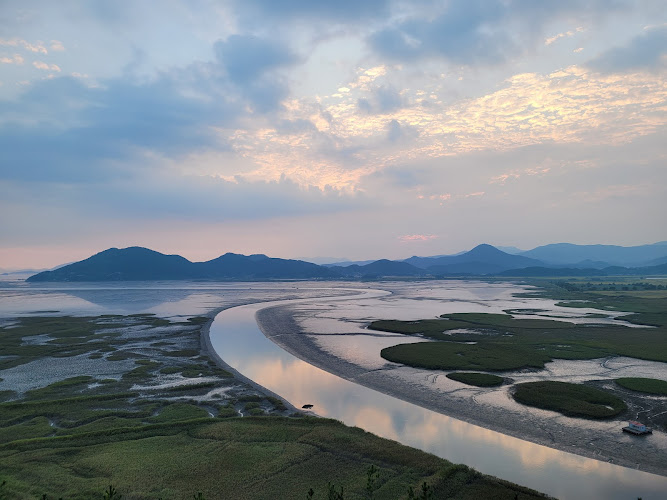
Yongsan Observatory
20 Wangji 2-gil
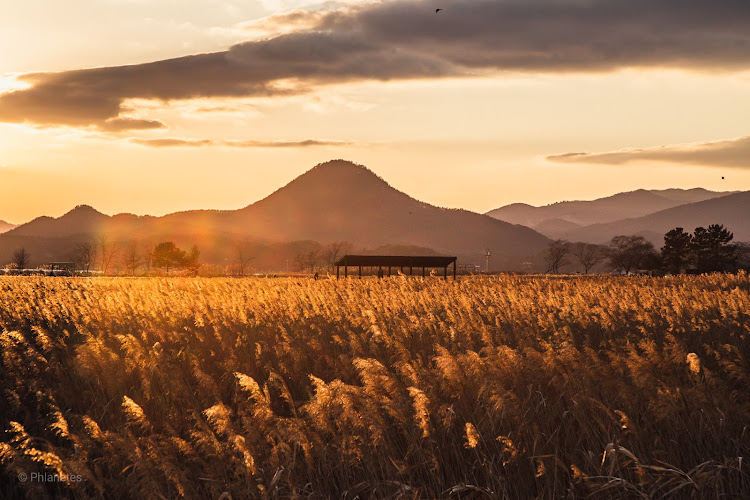
Suncheon Bay Reed Field
Find Accommodations Nearby
Recommended Tours & Activities
Visitor Reviews
There are no reviews yet. Be the first one to write one.
Share Your Experience
Have you visited Jukhak-ri? Help other travelers by leaving a review.