
Suncheon Bay National Garden
About Suncheon Bay National Garden
Description
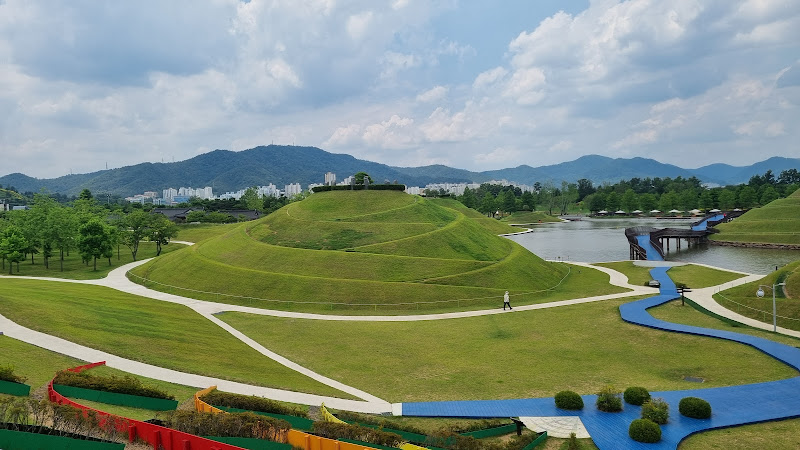
Suncheon Bay National Garden sits along South Korea's southern coast as the country's first national garden, and honestly, it's quite different from what most people expect when they think of a traditional garden. This isn't just rows of pretty flowers - though there are plenty of those too. The entire complex sprawls across a massive landscape where international garden designers came together to create something that blends Korean horticultural traditions with contemporary landscape architecture. I've visited botanical gardens around the world, and what strikes me about this place is how it manages to feel both meticulously planned yet somehow organic at the same time. The garden opened in 2013 after Suncheon hosted the International Garden Exposition, and the city wisely decided to maintain the grounds as a permanent attraction rather than dismantling everything after the event ended. Smart move, if you ask me. Walking through the garden feels like traveling between different countries and climate zones without ever leaving Korea. There's a Dutch garden with windmills, a French garden with geometric precision, an English garden that looks like something from a period drama, and several Korean-themed areas that showcase native plants in ways that make you appreciate them differently. What really sets Suncheon Bay National Garden apart is its integration with the surrounding wetlands ecosystem. The garden wasn't just dropped onto cleared land - it was designed to complement and protect the nearby Suncheon Bay wetlands, which happen to be one of the world's top five coastal wetlands. And that connection isn't just philosophical; there's an actual path system that links the garden to the bay's reed fields and mudflats. The designers created themed zones that each tell a different story through plants, water features, and architectural elements. Some gardens focus on color theory, others on historical garden styles, and a few explore futuristic concepts of how green spaces might evolve in urban environments. It's educational without being preachy, which I appreciate. You can wander through with kids who just want to run around and look at flowers, or you can dive deep into the horticultural concepts if that's your thing.Key Features
- Multiple international garden zones representing Dutch, French, English, German, Spanish, Chinese, Japanese, and American landscape design traditions alongside several distinctly Korean garden areas
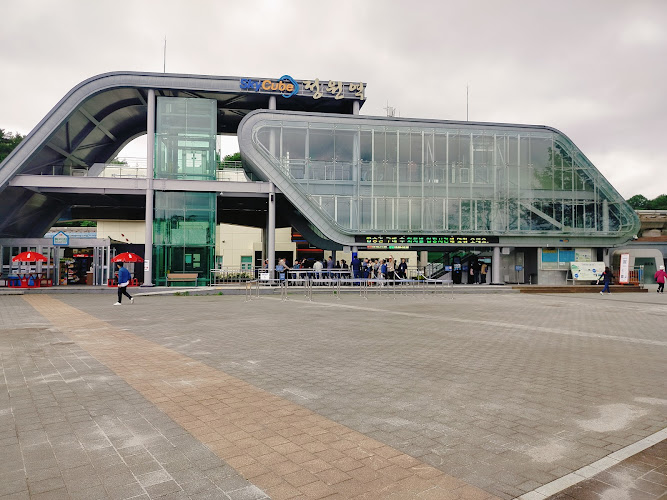
- The Sky Cube monorail system that connects the garden to Suncheon Bay Wetland Reserve, offering aerial views of both the cultivated gardens and natural wetlands during the ride
- A massive lake at the garden's center with walking paths, observation decks, and seasonal fountain shows that become pretty spectacular when the lighting kicks in at dusk
- Dedicated cycling lanes that wind through the entire complex - you can rent bikes on-site if you didn't bring your own, which is honestly the best way to cover the grounds if you're short on time
- Multiple children's play areas including swings, climbing structures, and interactive garden installations designed specifically for young visitors who might otherwise get bored at a "grown-up" garden
- Wheelchair accessible throughout with smooth pathways, ramps, accessible restrooms, and designated parking areas
- Greenhouse complexes featuring tropical and subtropical plants that contrast beautifully with the outdoor seasonal displays
- Picnic-friendly lawns where families spread out blankets and spend entire afternoons - and the garden actually encourages this rather than making you feel guilty about sitting on the grass
- Photography spots deliberately designed for Instagram-worthy shots, though honestly the entire garden is photogenic so don't limit yourself to just the marked spots
- Hiking trails that extend from the manicured garden areas into more naturalistic settings where you can spot local bird species and native flora
Best Time to Visit
Fall takes the crown as the absolute best season for visiting Suncheon Bay National Garden. I'll die on this hill. Between late September and early November, the garden transforms into this riot of autumn colors that photographs simply can't capture accurately. The cosmos flowers bloom in massive drifts of pink and white, the ornamental grasses turn golden and catch the light just right, and the tree foliage shifts through every shade of yellow, orange, and red you can imagine. But here's the thing - fall also brings crowds. Lots of them. Korean domestic tourism peaks during autumn, and everyone has the same brilliant idea to visit during October weekends. If you can swing a weekday visit in early November, you'll get the tail end of the fall colors with maybe half the crowds. Spring runs a close second, particularly from mid-April through May. The tulip displays are legitimately impressive - we're talking hundreds of thousands of bulbs planted in coordinated color schemes. Cherry blossoms frame some of the walking paths, and the whole place smells amazing. Spring weather in this region can be unpredictable though, so pack layers and maybe a rain jacket. Summer is honestly the least ideal time unless you have no other option. It gets hot and humid along the southern coast, and while the garden staff maintains everything beautifully, many flowering plants don't perform their best in the blazing heat. That said, summer does offer advantages - fewer tourists, lush green growth everywhere, and the garden's water features feel particularly refreshing. Early morning or late afternoon visits become essential during June through August. Winter might surprise you. The garden doesn't shut down, and while obviously there are fewer flowers, the landscape designers created structure using evergreens, architectural elements, and hardscape features that look quite striking with frost or the occasional snow. Admission prices sometimes drop during winter months, and you'll practically have the place to yourself on weekday mornings. Regardless of season, try to time your visit for weekday mornings right when the gates open. The light is better for photography, temperatures are more comfortable, and you can experience the gardens with some actual breathing room before tour buses start arriving around 11 AM.How to Get There
Getting to Suncheon Bay National Garden is surprisingly straightforward, which wasn't always the case for attractions in this part of Korea. The garden sits on the outskirts of Suncheon city in South Jeolla Province, about 30 minutes by car from the city center. If you're coming from Seoul, the KTX high-speed train makes the journey almost too easy. Trains depart from Seoul Station regularly and reach Suncheon Station in roughly three hours. From Suncheon Station, you've got a few options. Taxis are plentiful and will get you to the garden in about 15-20 minutes depending on traffic - expect to pay around 10,000-15,000 won. Local buses also run from the station to the garden, with routes 67, 68, and 111 all stopping near the main entrance. The bus takes a bit longer but costs just 1,300 won. Driving yourself gives you maximum flexibility, and the garden provides ample parking with designated accessible spots near the entrance. From Seoul, take the Honam Expressway south - it's about a 4-hour drive depending on traffic conditions. The parking fees are reasonable, and having a car means you can easily combine the garden visit with other Suncheon attractions like the wetlands or nearby temple sites. Busan serves as another common starting point, particularly for international visitors flying into Gimhae International Airport. The drive from Busan takes roughly two hours via the Namhae Expressway. Alternatively, regular express buses connect Busan to Suncheon throughout the day, dropping you at Suncheon Bus Terminal from where you can catch a taxi or local bus to the garden. For the budget-conscious or those who enjoy a more local experience, intercity buses connect Suncheon to virtually every major city in South Korea. The bus terminal is well-organized with English signage, and staff are used to helping foreign visitors navigate to local attractions. Once you arrive at the garden complex, signage in Korean, English, Chinese, and Japanese helps with navigation. The main information center near the entrance provides maps in multiple languages and staff who speak at least basic English.Tips for Visiting
Wear comfortable walking shoes - and I can't stress this enough. The garden covers a huge area, and even if you're planning to use the cycling lanes, you'll still do plenty of walking. Those cute shoes you wore for Instagram photos will betray you by hour two. Trust me on this one. Download the garden map on your phone before arriving or grab a paper copy immediately upon entering. The layout isn't exactly intuitive, and certain themed gardens are tucked away in corners that you might miss if you're just wandering randomly. Though sometimes random wandering reveals the best discoveries, so balance planned routes with spontaneous exploration. Bring your own snacks and drinks if you're trying to save money. While the garden has cafes and snack stands, prices run higher than outside the complex, and the selection is limited. The garden explicitly allows picnicking, so take advantage of it. Find a spot near the lake, spread out a blanket, and enjoy lunch surrounded by flowers instead of sitting in a crowded cafe. Rent a bike if you're visiting with older kids or adults who can cover ground quickly. The cycling lanes let you see much more of the garden in less time, and honestly, biking through tunnels of flowers beats walking through them. The rental fees are reasonable, and there are multiple pick-up and drop-off points throughout the complex. Consider buying the combined ticket that includes both the garden and the Sky Cube ride to the wetlands. It costs more upfront but saves money compared to purchasing separately, and the wetlands are genuinely worth seeing. The timing works well too - spend your morning in the garden when light is good for photos, then take the Sky Cube over to the wetlands for late afternoon when the reed fields glow golden. Check the seasonal event schedule before visiting. The garden hosts various festivals, night illuminations, and special exhibitions throughout the year that can enhance your visit considerably. But these events also attract crowds, so it's a tradeoff worth considering when planning your trip. Bring insect repellent if you're visiting during warmer months, especially if you plan to explore the hiking trails or wetland areas. Mosquitos and other bugs appreciate the lush vegetation just as much as human visitors do. Don't rush it. I've seen people try to "do" the garden in an hour, and they inevitably miss most of what makes it special. Budget at least three to four hours minimum, longer if you want to really soak it in. This isn't a place to check off a list - it's a place to actually spend time experiencing. The garden's wheelchair accessibility is genuine, not just stated for marketing purposes. I've watched visitors in wheelchairs navigate the entire complex without significant barriers. If you need accessible facilities, they're clearly marked and well-maintained. Finally, respect the "no picking flowers" rules even when you think no one's watching. Staff works incredibly hard to maintain these displays, and that casual Instagram shot with a plucked flower contributes to degrading the experience for everyone else. Photograph memories, not stolen petals.Key Features
- Multiple international garden zones representing Dutch, French, English, German, Spanish, Chinese, Japanese, and American landscape design traditions alongside several distinctly Korean garden areas
- The Sky Cube monorail system that connects the garden to Suncheon Bay Wetland Reserve, offering aerial views of both the cultivated gardens and natural wetlands during the ride
- A massive lake at the garden's center with walking paths, observation decks, and seasonal fountain shows that become pretty spectacular when the lighting kicks in at dusk
- Dedicated cycling lanes that wind through the entire complex - you can rent bikes on-site if you didn't bring your own, which is honestly the best way to cover the grounds if you're short on time
- Wheelchair accessible throughout with smooth pathways, ramps, accessible restrooms, and designated parking areas
- Greenhouse complexes featuring tropical and subtropical plants that contrast beautifully with the outdoor seasonal displays
- Picnic-friendly lawns where families spread out blankets and spend entire afternoons - and the garden actually encourages this rather than making you feel guilty about sitting on the grass
More Details
Updated January 17, 2026
Table of Contents
Description
Suncheon Bay National Garden sits along South Korea’s southern coast as the country’s first national garden, and honestly, it’s quite different from what most people expect when they think of a traditional garden. This isn’t just rows of pretty flowers – though there are plenty of those too. The entire complex sprawls across a massive landscape where international garden designers came together to create something that blends Korean horticultural traditions with contemporary landscape architecture. I’ve visited botanical gardens around the world, and what strikes me about this place is how it manages to feel both meticulously planned yet somehow organic at the same time.
The garden opened in 2013 after Suncheon hosted the International Garden Exposition, and the city wisely decided to maintain the grounds as a permanent attraction rather than dismantling everything after the event ended. Smart move, if you ask me. Walking through the garden feels like traveling between different countries and climate zones without ever leaving Korea. There’s a Dutch garden with windmills, a French garden with geometric precision, an English garden that looks like something from a period drama, and several Korean-themed areas that showcase native plants in ways that make you appreciate them differently.
What really sets Suncheon Bay National Garden apart is its integration with the surrounding wetlands ecosystem. The garden wasn’t just dropped onto cleared land – it was designed to complement and protect the nearby Suncheon Bay wetlands, which happen to be one of the world’s top five coastal wetlands. And that connection isn’t just philosophical; there’s an actual path system that links the garden to the bay’s reed fields and mudflats.
The designers created themed zones that each tell a different story through plants, water features, and architectural elements. Some gardens focus on color theory, others on historical garden styles, and a few explore futuristic concepts of how green spaces might evolve in urban environments. It’s educational without being preachy, which I appreciate. You can wander through with kids who just want to run around and look at flowers, or you can dive deep into the horticultural concepts if that’s your thing.
Key Features
- Multiple international garden zones representing Dutch, French, English, German, Spanish, Chinese, Japanese, and American landscape design traditions alongside several distinctly Korean garden areas
- The Sky Cube monorail system that connects the garden to Suncheon Bay Wetland Reserve, offering aerial views of both the cultivated gardens and natural wetlands during the ride
- A massive lake at the garden’s center with walking paths, observation decks, and seasonal fountain shows that become pretty spectacular when the lighting kicks in at dusk
- Dedicated cycling lanes that wind through the entire complex – you can rent bikes on-site if you didn’t bring your own, which is honestly the best way to cover the grounds if you’re short on time
- Multiple children’s play areas including swings, climbing structures, and interactive garden installations designed specifically for young visitors who might otherwise get bored at a “grown-up” garden
- Wheelchair accessible throughout with smooth pathways, ramps, accessible restrooms, and designated parking areas
- Greenhouse complexes featuring tropical and subtropical plants that contrast beautifully with the outdoor seasonal displays
- Picnic-friendly lawns where families spread out blankets and spend entire afternoons – and the garden actually encourages this rather than making you feel guilty about sitting on the grass
- Photography spots deliberately designed for Instagram-worthy shots, though honestly the entire garden is photogenic so don’t limit yourself to just the marked spots
- Hiking trails that extend from the manicured garden areas into more naturalistic settings where you can spot local bird species and native flora
Best Time to Visit
Fall takes the crown as the absolute best season for visiting Suncheon Bay National Garden. I’ll die on this hill. Between late September and early November, the garden transforms into this riot of autumn colors that photographs simply can’t capture accurately. The cosmos flowers bloom in massive drifts of pink and white, the ornamental grasses turn golden and catch the light just right, and the tree foliage shifts through every shade of yellow, orange, and red you can imagine.
But here’s the thing – fall also brings crowds. Lots of them. Korean domestic tourism peaks during autumn, and everyone has the same brilliant idea to visit during October weekends. If you can swing a weekday visit in early November, you’ll get the tail end of the fall colors with maybe half the crowds.
Spring runs a close second, particularly from mid-April through May. The tulip displays are legitimately impressive – we’re talking hundreds of thousands of bulbs planted in coordinated color schemes. Cherry blossoms frame some of the walking paths, and the whole place smells amazing. Spring weather in this region can be unpredictable though, so pack layers and maybe a rain jacket.
Summer is honestly the least ideal time unless you have no other option. It gets hot and humid along the southern coast, and while the garden staff maintains everything beautifully, many flowering plants don’t perform their best in the blazing heat. That said, summer does offer advantages – fewer tourists, lush green growth everywhere, and the garden’s water features feel particularly refreshing. Early morning or late afternoon visits become essential during June through August.
Winter might surprise you. The garden doesn’t shut down, and while obviously there are fewer flowers, the landscape designers created structure using evergreens, architectural elements, and hardscape features that look quite striking with frost or the occasional snow. Admission prices sometimes drop during winter months, and you’ll practically have the place to yourself on weekday mornings.
Regardless of season, try to time your visit for weekday mornings right when the gates open. The light is better for photography, temperatures are more comfortable, and you can experience the gardens with some actual breathing room before tour buses start arriving around 11 AM.
How to Get There
Getting to Suncheon Bay National Garden is surprisingly straightforward, which wasn’t always the case for attractions in this part of Korea. The garden sits on the outskirts of Suncheon city in South Jeolla Province, about 30 minutes by car from the city center.
If you’re coming from Seoul, the KTX high-speed train makes the journey almost too easy. Trains depart from Seoul Station regularly and reach Suncheon Station in roughly three hours. From Suncheon Station, you’ve got a few options. Taxis are plentiful and will get you to the garden in about 15-20 minutes depending on traffic – expect to pay around 10,000-15,000 won. Local buses also run from the station to the garden, with routes 67, 68, and 111 all stopping near the main entrance. The bus takes a bit longer but costs just 1,300 won.
Driving yourself gives you maximum flexibility, and the garden provides ample parking with designated accessible spots near the entrance. From Seoul, take the Honam Expressway south – it’s about a 4-hour drive depending on traffic conditions. The parking fees are reasonable, and having a car means you can easily combine the garden visit with other Suncheon attractions like the wetlands or nearby temple sites.
Busan serves as another common starting point, particularly for international visitors flying into Gimhae International Airport. The drive from Busan takes roughly two hours via the Namhae Expressway. Alternatively, regular express buses connect Busan to Suncheon throughout the day, dropping you at Suncheon Bus Terminal from where you can catch a taxi or local bus to the garden.
For the budget-conscious or those who enjoy a more local experience, intercity buses connect Suncheon to virtually every major city in South Korea. The bus terminal is well-organized with English signage, and staff are used to helping foreign visitors navigate to local attractions.
Once you arrive at the garden complex, signage in Korean, English, Chinese, and Japanese helps with navigation. The main information center near the entrance provides maps in multiple languages and staff who speak at least basic English.
Tips for Visiting
Wear comfortable walking shoes – and I can’t stress this enough. The garden covers a huge area, and even if you’re planning to use the cycling lanes, you’ll still do plenty of walking. Those cute shoes you wore for Instagram photos will betray you by hour two. Trust me on this one.
Download the garden map on your phone before arriving or grab a paper copy immediately upon entering. The layout isn’t exactly intuitive, and certain themed gardens are tucked away in corners that you might miss if you’re just wandering randomly. Though sometimes random wandering reveals the best discoveries, so balance planned routes with spontaneous exploration.
Bring your own snacks and drinks if you’re trying to save money. While the garden has cafes and snack stands, prices run higher than outside the complex, and the selection is limited. The garden explicitly allows picnicking, so take advantage of it. Find a spot near the lake, spread out a blanket, and enjoy lunch surrounded by flowers instead of sitting in a crowded cafe.
Rent a bike if you’re visiting with older kids or adults who can cover ground quickly. The cycling lanes let you see much more of the garden in less time, and honestly, biking through tunnels of flowers beats walking through them. The rental fees are reasonable, and there are multiple pick-up and drop-off points throughout the complex.
Consider buying the combined ticket that includes both the garden and the Sky Cube ride to the wetlands. It costs more upfront but saves money compared to purchasing separately, and the wetlands are genuinely worth seeing. The timing works well too – spend your morning in the garden when light is good for photos, then take the Sky Cube over to the wetlands for late afternoon when the reed fields glow golden.
Check the seasonal event schedule before visiting. The garden hosts various festivals, night illuminations, and special exhibitions throughout the year that can enhance your visit considerably. But these events also attract crowds, so it’s a tradeoff worth considering when planning your trip.
Bring insect repellent if you’re visiting during warmer months, especially if you plan to explore the hiking trails or wetland areas. Mosquitos and other bugs appreciate the lush vegetation just as much as human visitors do.
Don’t rush it. I’ve seen people try to “do” the garden in an hour, and they inevitably miss most of what makes it special. Budget at least three to four hours minimum, longer if you want to really soak it in. This isn’t a place to check off a list – it’s a place to actually spend time experiencing.
The garden’s wheelchair accessibility is genuine, not just stated for marketing purposes. I’ve watched visitors in wheelchairs navigate the entire complex without significant barriers. If you need accessible facilities, they’re clearly marked and well-maintained.
Finally, respect the “no picking flowers” rules even when you think no one’s watching. Staff works incredibly hard to maintain these displays, and that casual Instagram shot with a plucked flower contributes to degrading the experience for everyone else. Photograph memories, not stolen petals.
Key Highlights
- Multiple international garden zones representing Dutch, French, English, German, Spanish, Chinese, Japanese, and American landscape design traditions alongside several distinctly Korean garden areas
- The Sky Cube monorail system that connects the garden to Suncheon Bay Wetland Reserve, offering aerial views of both the cultivated gardens and natural wetlands during the ride
- A massive lake at the garden's center with walking paths, observation decks, and seasonal fountain shows that become pretty spectacular when the lighting kicks in at dusk
- Dedicated cycling lanes that wind through the entire complex – you can rent bikes on-site if you didn't bring your own, which is honestly the best way to cover the grounds if you're short on time
- Wheelchair accessible throughout with smooth pathways, ramps, accessible restrooms, and designated parking areas
- Greenhouse complexes featuring tropical and subtropical plants that contrast beautifully with the outdoor seasonal displays
- Picnic-friendly lawns where families spread out blankets and spend entire afternoons – and the garden actually encourages this rather than making you feel guilty about sitting on the grass
Location
Places to Stay Near Suncheon Bay National Garden
Find and Book a Tour
Explore More Travel Guides
No reviews found! Be the first to review!
Traveler Reviews for Suncheon Bay National Garden
There are no reviews yet. Be the first one to write one.
Have you visited Suncheon Bay National Garden? Help other travelers by sharing your review.
You Might Also Like
Suncheon Drama filming
Suncheon Bay Skycube Garden Station
순천왜성
Find Accommodations Nearby
Recommended Tours & Activities
Visitor Reviews
There are no reviews yet. Be the first one to write one.
Share Your Experience
Have you visited Suncheon Bay National Garden? Help other travelers by leaving a review.