
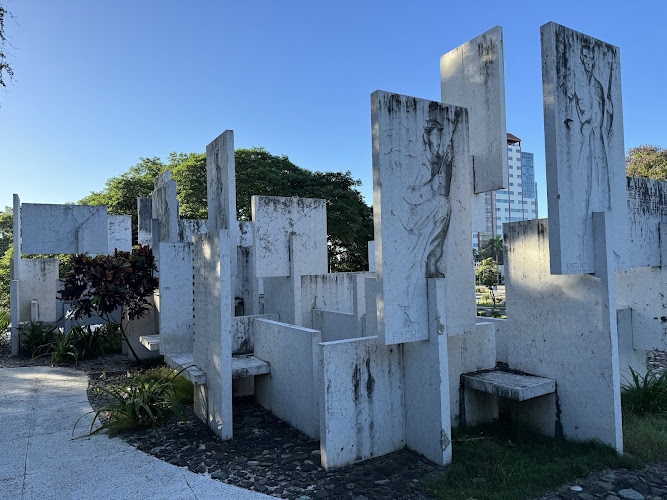
Monumento a Che Guevara
About Monumento a Che Guevara
Description
The Monumento a Che Guevara stands as one of Cuba's most powerful commemorative sites, drawing visitors from around the world who want to understand the legacy of this controversial revolutionary figure. Located in Santa Clara, this memorial complex honors Ernesto "Che" Guevara, the Argentine-born Marxist revolutionary who played a crucial role in the Cuban Revolution alongside Fidel Castro. I'll be honest with you—visiting this monument is an experience that goes way beyond just snapping photos of a statue. The site encompasses both a massive bronze sculpture and a mausoleum that houses Che's remains along with those of several fellow combatants who died with him in Bolivia back in 1967. The whole complex was inaugurated in 1988, though Che's actual remains weren't transferred here until October 1997, marking the 30th anniversary of his death. What makes this memorial particularly striking is its scale and the emotional weight it carries for many Cubans. The monument sits in Plaza de la Revolución, and you can't miss the towering statue of Che that dominates the plaza. But here's the thing—this isn't just about politics or ideology for most visitors. It's about understanding a significant chapter of 20th-century history and seeing how one individual's life continues to resonate decades after his death. The museum attached to the memorial displays personal items, photographs, and artifacts that tell the story of Che's life from his early days in Argentina through his revolutionary activities in Cuba and beyond. And whether you admire him or question his methods, there's no denying the historical importance of this place in understanding modern Cuban identity and the revolutionary period that shaped the nation.Key Features
The memorial complex offers several distinctive elements that make it worth a thorough visit:- The Bronze Statue: Standing at an impressive 6.8 meters tall, the bronze sculpture depicts Che in military fatigues with his arm in a cast, referencing an injury he sustained during the revolutionary war. The statue faces toward South America, symbolically looking toward the continent where he continued his revolutionary efforts and ultimately met his end.
- The Mausoleum: This solemn underground chamber contains the remains of Che Guevara and 29 of his fellow guerrillas. The space features an eternal flame and maintains a respectful, quiet atmosphere that visitors are expected to honor. Photography is strictly prohibited inside this sacred space.
- The Museum (Museo Histórico de la Revolución): Houses an extensive collection of Che's personal belongings including his iconic black beret, cameras, medical instruments from his time as a doctor, and weapons from his guerrilla campaigns. You'll also find letters, photographs, and documents that provide intimate glimpses into his life.
- The Sculptural Ensemble: Surrounding the main statue are relief sculptures depicting scenes from Che's life and revolutionary activities, created by Cuban sculptor José Delarra.
- The Plaza Setting: The entire complex is set within a well-maintained plaza that includes landscaped areas and pathways, creating a contemplative environment for visitors to reflect on what they've learned.
- The Inscriptions: Various quotes from Che are inscribed throughout the memorial, including his famous letter to Fidel where he renounced his Cuban citizenship to fight for revolution elsewhere.
Best Time to Visit
Timing your visit to the Monumento a Che Guevara can really make a difference in your experience. From what I've learned talking to travelers who've been there, the best months to visit Santa Clara are generally from November through April. During this period, you'll encounter Cuba's dry season with more comfortable temperatures and less humidity—we're talking highs around 80°F (27°C) rather than the sweltering 90s you'd get in summer. Early morning visits are your friend here. The memorial typically opens around 8:00 or 8:30 AM, and getting there shortly after opening means you'll avoid both the heat and the tour groups that tend to descend mid-morning. Plus, there's something about experiencing this solemn place in the quiet morning hours that just feels more appropriate. If you're visiting on October 8th or around that date, you'll witness special commemorations marking the anniversary of Che's death. While this can be incredibly moving and historically significant, expect much larger crowds and a more formal atmosphere. Same goes for July 26th, which commemorates the start of the Cuban Revolution. December through February brings the highest number of tourists to Cuba overall, so the memorial sees increased foot traffic during these months. But honestly? Even during peak season, this site rarely feels overcrowded compared to other Cuban attractions. The reverent nature of the place tends to spread visitors out naturally. Avoid visiting during Cuban holidays if possible, as the museum portion may have altered hours or temporary closures. And here's a practical tip—Wednesday afternoons can sometimes be quieter than other days, though this isn't guaranteed. The rainy season from May through October doesn't necessarily mean you should skip visiting, but be prepared for afternoon thunderstorms. Since much of the memorial is outdoors, you'll want to plan accordingly and maybe bring an umbrella just in case.How to Get There
Getting to the Monumento a Che Guevara in Santa Clara requires a bit of planning, but it's definitely manageable for most travelers. Santa Clara sits right in the center of Cuba, making it accessible from both Havana and the eastern parts of the island. If you're coming from Havana, you've got several options. The Viazul bus service runs daily routes from Havana to Santa Clara, taking approximately 3.5 to 4 hours depending on traffic and stops. The buses are air-conditioned and relatively comfortable, though you'll want to book tickets in advance during high season. From the Santa Clara bus terminal, you can grab a taxi or even walk if you're feeling energetic—it's about a 20-minute walk to the memorial. Many travelers opt for a rental car, which gives you flexibility to explore other sites along the way. The drive from Havana takes around three hours on the Autopista Nacional. Just be aware that Cuban roads can be unpredictable, with occasional potholes and limited signage, so drive carefully and maybe download offline maps beforehand. Shared taxis (colectivos) are another popular option and can actually be more economical if you find others heading the same direction. These vintage American cars or more modern vehicles fill up with passengers and charge per seat. You'll find them around bus terminals and major transport hubs in Havana. Once you're in Santa Clara itself, the monument is located on the western edge of the city. Local taxis are plentiful and inexpensive—most rides within the city shouldn't cost more than a few CUC (Cuban Convertible Pesos). Bicycle taxis are also available and offer a more atmospheric way to travel through the city streets. If you're already in other parts of Cuba, there are bus connections from Trinidad, Varadero, and Santiago de Cuba. The train is technically an option too, though Cuban trains can be unreliable with frequent delays, so I wouldn't recommend this unless you're particularly adventurous and have time flexibility.Tips for Visiting
Now let me share some practical advice that'll help you make the most of your visit to this memorial without any awkward moments or missed opportunities. First things first—dress respectfully. This is a memorial and mausoleum, not a beach. While Cuba's generally pretty relaxed about dress codes, you'll want to avoid shorts, tank tops, or revealing clothing when visiting the mausoleum. Think modest casual wear. And comfortable walking shoes are essential since you'll be on your feet exploring the plaza and museum. The no photography rule in the mausoleum is strictly enforced, so don't even think about trying to sneak a quick phone pic. Guards take this seriously, and honestly, it's just disrespectful. You can photograph the exterior statue and plaza areas freely though, so save your camera enthusiasm for those spots. Bring cash. The small gift shop accepts only Cuban pesos or CUC, and there's usually a nominal entrance fee for the museum portion (though the plaza and exterior monument are free to view). Don't count on credit cards working here. Plan to spend at least 1.5 to 2 hours if you want to properly explore everything. Rushing through kinda defeats the purpose of visiting such a historically significant site. The museum alone deserves a good hour if you actually read the descriptions and take time with the exhibits. Guided tours are available, and I'd actually recommend considering one even if you usually prefer exploring independently. The historical context and stories that knowledgeable guides provide really enriches the experience. Some guides speak excellent English, though Spanish-speaking guides are more common. If your Spanish is rusty, try to arrange an English-speaking guide in advance. The memorial doesn't have much in the way of food or drink facilities, so eat beforehand or bring water (though you'll need to finish it before entering the mausoleum area). Santa Clara's center has plenty of paladares (private restaurants) where you can grab lunch after your visit. Be mindful of the political sensitivity surrounding Che Guevara in Cuba. While healthy intellectual curiosity is fine, overtly disrespectful comments or behavior won't be appreciated by locals or guards. You don't have to agree with Che's ideology to visit respectfully and learn about this historical figure. Weather-wise, the sun can be intense even during cooler months. The plaza offers limited shade, so sunscreen and a hat are smart additions to your daypack. And speaking of which, large bags may need to be checked before entering certain areas, so travel light if possible. Consider combining your visit with other Santa Clara attractions like the Tren Blindado Monument or the Parque Vidal to make a full day of it. The city played a crucial role in the revolution when Che's forces captured it in December 1958, effectively sealing Batista's fate. Lastly, approach this memorial with an open mind. Whether you view Che Guevara as a hero, a controversial figure, or something in between, this monument offers valuable insights into Cuban history and the revolutionary ideals that continue shaping the nation today. It's not just about one man—it's about understanding a movement that changed the course of an entire country.Key Features
- Key Features
- Best Time to Visit
- How to Get There
- Tips for Visiting
More Details
Updated January 17, 2026
Table of Contents
Description
The Monumento a Che Guevara stands as one of Cuba’s most powerful commemorative sites, drawing visitors from around the world who want to understand the legacy of this controversial revolutionary figure. Located in Santa Clara, this memorial complex honors Ernesto “Che” Guevara, the Argentine-born Marxist revolutionary who played a crucial role in the Cuban Revolution alongside Fidel Castro.
I’ll be honest with you—visiting this monument is an experience that goes way beyond just snapping photos of a statue. The site encompasses both a massive bronze sculpture and a mausoleum that houses Che’s remains along with those of several fellow combatants who died with him in Bolivia back in 1967. The whole complex was inaugurated in 1988, though Che’s actual remains weren’t transferred here until October 1997, marking the 30th anniversary of his death.
What makes this memorial particularly striking is its scale and the emotional weight it carries for many Cubans. The monument sits in Plaza de la Revolución, and you can’t miss the towering statue of Che that dominates the plaza. But here’s the thing—this isn’t just about politics or ideology for most visitors. It’s about understanding a significant chapter of 20th-century history and seeing how one individual’s life continues to resonate decades after his death.
The museum attached to the memorial displays personal items, photographs, and artifacts that tell the story of Che’s life from his early days in Argentina through his revolutionary activities in Cuba and beyond. And whether you admire him or question his methods, there’s no denying the historical importance of this place in understanding modern Cuban identity and the revolutionary period that shaped the nation.
Key Features
The memorial complex offers several distinctive elements that make it worth a thorough visit:
- The Bronze Statue: Standing at an impressive 6.8 meters tall, the bronze sculpture depicts Che in military fatigues with his arm in a cast, referencing an injury he sustained during the revolutionary war. The statue faces toward South America, symbolically looking toward the continent where he continued his revolutionary efforts and ultimately met his end.
- The Mausoleum: This solemn underground chamber contains the remains of Che Guevara and 29 of his fellow guerrillas. The space features an eternal flame and maintains a respectful, quiet atmosphere that visitors are expected to honor. Photography is strictly prohibited inside this sacred space.
- The Museum (Museo Histórico de la Revolución): Houses an extensive collection of Che’s personal belongings including his iconic black beret, cameras, medical instruments from his time as a doctor, and weapons from his guerrilla campaigns. You’ll also find letters, photographs, and documents that provide intimate glimpses into his life.
- The Sculptural Ensemble: Surrounding the main statue are relief sculptures depicting scenes from Che’s life and revolutionary activities, created by Cuban sculptor José Delarra.
- The Plaza Setting: The entire complex is set within a well-maintained plaza that includes landscaped areas and pathways, creating a contemplative environment for visitors to reflect on what they’ve learned.
- The Inscriptions: Various quotes from Che are inscribed throughout the memorial, including his famous letter to Fidel where he renounced his Cuban citizenship to fight for revolution elsewhere.
Best Time to Visit
Timing your visit to the Monumento a Che Guevara can really make a difference in your experience. From what I’ve learned talking to travelers who’ve been there, the best months to visit Santa Clara are generally from November through April. During this period, you’ll encounter Cuba’s dry season with more comfortable temperatures and less humidity—we’re talking highs around 80°F (27°C) rather than the sweltering 90s you’d get in summer.
Early morning visits are your friend here. The memorial typically opens around 8:00 or 8:30 AM, and getting there shortly after opening means you’ll avoid both the heat and the tour groups that tend to descend mid-morning. Plus, there’s something about experiencing this solemn place in the quiet morning hours that just feels more appropriate.
If you’re visiting on October 8th or around that date, you’ll witness special commemorations marking the anniversary of Che’s death. While this can be incredibly moving and historically significant, expect much larger crowds and a more formal atmosphere. Same goes for July 26th, which commemorates the start of the Cuban Revolution.
December through February brings the highest number of tourists to Cuba overall, so the memorial sees increased foot traffic during these months. But honestly? Even during peak season, this site rarely feels overcrowded compared to other Cuban attractions. The reverent nature of the place tends to spread visitors out naturally.
Avoid visiting during Cuban holidays if possible, as the museum portion may have altered hours or temporary closures. And here’s a practical tip—Wednesday afternoons can sometimes be quieter than other days, though this isn’t guaranteed.
The rainy season from May through October doesn’t necessarily mean you should skip visiting, but be prepared for afternoon thunderstorms. Since much of the memorial is outdoors, you’ll want to plan accordingly and maybe bring an umbrella just in case.
How to Get There
Getting to the Monumento a Che Guevara in Santa Clara requires a bit of planning, but it’s definitely manageable for most travelers. Santa Clara sits right in the center of Cuba, making it accessible from both Havana and the eastern parts of the island.
If you’re coming from Havana, you’ve got several options. The Viazul bus service runs daily routes from Havana to Santa Clara, taking approximately 3.5 to 4 hours depending on traffic and stops. The buses are air-conditioned and relatively comfortable, though you’ll want to book tickets in advance during high season. From the Santa Clara bus terminal, you can grab a taxi or even walk if you’re feeling energetic—it’s about a 20-minute walk to the memorial.
Many travelers opt for a rental car, which gives you flexibility to explore other sites along the way. The drive from Havana takes around three hours on the Autopista Nacional. Just be aware that Cuban roads can be unpredictable, with occasional potholes and limited signage, so drive carefully and maybe download offline maps beforehand.
Shared taxis (colectivos) are another popular option and can actually be more economical if you find others heading the same direction. These vintage American cars or more modern vehicles fill up with passengers and charge per seat. You’ll find them around bus terminals and major transport hubs in Havana.
Once you’re in Santa Clara itself, the monument is located on the western edge of the city. Local taxis are plentiful and inexpensive—most rides within the city shouldn’t cost more than a few CUC (Cuban Convertible Pesos). Bicycle taxis are also available and offer a more atmospheric way to travel through the city streets.
If you’re already in other parts of Cuba, there are bus connections from Trinidad, Varadero, and Santiago de Cuba. The train is technically an option too, though Cuban trains can be unreliable with frequent delays, so I wouldn’t recommend this unless you’re particularly adventurous and have time flexibility.
Tips for Visiting
Now let me share some practical advice that’ll help you make the most of your visit to this memorial without any awkward moments or missed opportunities.
First things first—dress respectfully. This is a memorial and mausoleum, not a beach. While Cuba’s generally pretty relaxed about dress codes, you’ll want to avoid shorts, tank tops, or revealing clothing when visiting the mausoleum. Think modest casual wear. And comfortable walking shoes are essential since you’ll be on your feet exploring the plaza and museum.
The no photography rule in the mausoleum is strictly enforced, so don’t even think about trying to sneak a quick phone pic. Guards take this seriously, and honestly, it’s just disrespectful. You can photograph the exterior statue and plaza areas freely though, so save your camera enthusiasm for those spots.
Bring cash. The small gift shop accepts only Cuban pesos or CUC, and there’s usually a nominal entrance fee for the museum portion (though the plaza and exterior monument are free to view). Don’t count on credit cards working here.
Plan to spend at least 1.5 to 2 hours if you want to properly explore everything. Rushing through kinda defeats the purpose of visiting such a historically significant site. The museum alone deserves a good hour if you actually read the descriptions and take time with the exhibits.
Guided tours are available, and I’d actually recommend considering one even if you usually prefer exploring independently. The historical context and stories that knowledgeable guides provide really enriches the experience. Some guides speak excellent English, though Spanish-speaking guides are more common. If your Spanish is rusty, try to arrange an English-speaking guide in advance.
The memorial doesn’t have much in the way of food or drink facilities, so eat beforehand or bring water (though you’ll need to finish it before entering the mausoleum area). Santa Clara’s center has plenty of paladares (private restaurants) where you can grab lunch after your visit.
Be mindful of the political sensitivity surrounding Che Guevara in Cuba. While healthy intellectual curiosity is fine, overtly disrespectful comments or behavior won’t be appreciated by locals or guards. You don’t have to agree with Che’s ideology to visit respectfully and learn about this historical figure.
Weather-wise, the sun can be intense even during cooler months. The plaza offers limited shade, so sunscreen and a hat are smart additions to your daypack. And speaking of which, large bags may need to be checked before entering certain areas, so travel light if possible.
Consider combining your visit with other Santa Clara attractions like the Tren Blindado Monument or the Parque Vidal to make a full day of it. The city played a crucial role in the revolution when Che’s forces captured it in December 1958, effectively sealing Batista’s fate.
Lastly, approach this memorial with an open mind. Whether you view Che Guevara as a hero, a controversial figure, or something in between, this monument offers valuable insights into Cuban history and the revolutionary ideals that continue shaping the nation today. It’s not just about one man—it’s about understanding a movement that changed the course of an entire country.
Key Highlights
- Key Features
- Best Time to Visit
- How to Get There
- Tips for Visiting
Location
Places to Stay Near Monumento a Che Guevara
Find and Book a Tour
Explore More Travel Guides
No reviews found! Be the first to review!
Traveler Reviews for Monumento a Che Guevara
There are no reviews yet. Be the first one to write one.
Have you visited Monumento a Che Guevara? Help other travelers by sharing your review.
You Might Also Like

Plaza de Dolores
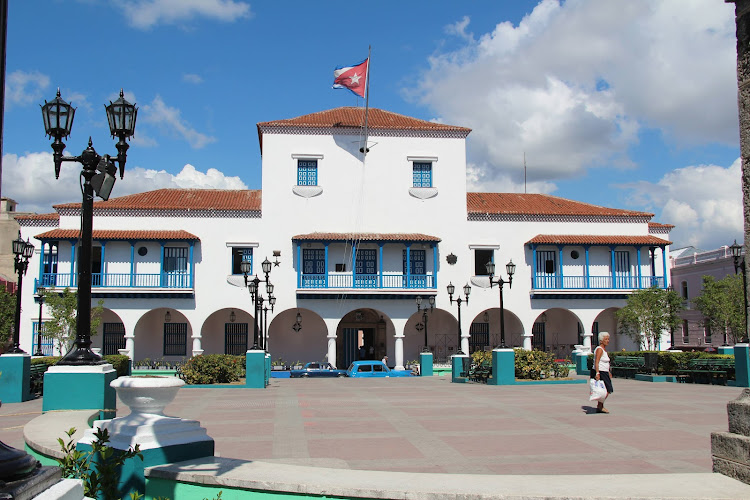
Casa de Diego Velazquez
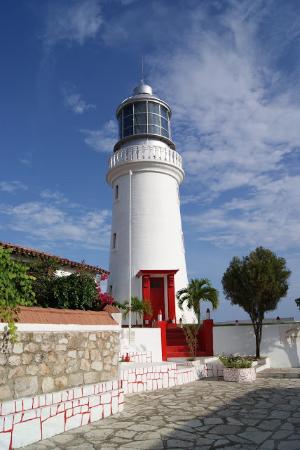
Faro del Morro
Find Accommodations Nearby
Recommended Tours & Activities
Visitor Reviews
There are no reviews yet. Be the first one to write one.
Share Your Experience
Have you visited Monumento a Che Guevara? Help other travelers by leaving a review.