Reno Arch – The Biggest Little City in the World
About Reno Arch – The Biggest Little City in the World
Description
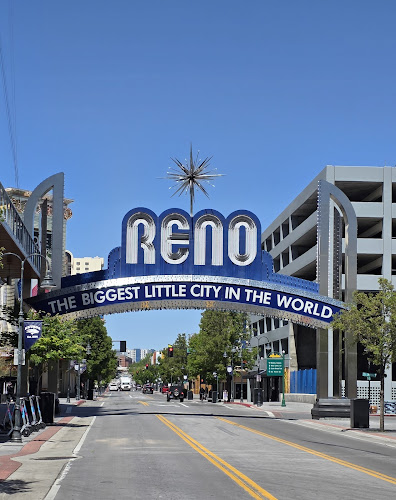
The Reno Arch stands as one of Nevada's most recognizable icons, stretching boldly across Virginia Street in downtown Reno. This striking gateway has welcomed visitors since 1926, though the current version you'll see today was actually erected in 1987. The famous neon proclamation "The Biggest Little City in the World" glows brilliantly day and night, capturing the spirit of this high-desert city that punches well above its weight class in entertainment, culture, and Western charm. Walking beneath this arch feels like stepping into a different era while simultaneously embracing modern Reno's energy. The structure itself reaches 40 feet high and spans 63 feet across the street, making it impossible to miss. At night, the arch transforms into a dazzling light show with thousands of LED bulbs creating patterns that shift and dance against the Nevada sky. I've stood under plenty of famous landmarks in my travels, but there's something genuinely special about this one – maybe because it doesn't take itself too seriously. The arch represents more than just a photo opportunity, though that's certainly what draws most folks initially. It's a statement about Reno's personality – a city that's always been comfortable being smaller than Las Vegas while offering its own distinct flavor of Western hospitality and entertainment. The slogan itself has an interesting history that locals love to debate over drinks. Some say it originated in the 1920s as a way to promote Reno's divorce industry (when Nevada had the shortest residency requirements in the country), while others point to the city's early gaming establishments and general can-do attitude. What makes the Reno Arch particularly appealing for travelers is its accessibility and the atmosphere surrounding it. You're not dealing with crowds the way you might at more famous landmarks. Instead, you'll find a relaxed environment where you can take your time, snap photos from multiple angles, and actually enjoy the experience without being rushed along by tour groups or overwhelming masses of tourists.Key Features
• The arch stands 40 feet tall and 63 feet wide, creating an impressive visual landmark that's been photographed millions of times since its installation • Thousands of LED lights illuminate the structure, creating dynamic light shows that change throughout the evening and during special events or holidays • Free parking is available in nearby lots, making it easy to stop by without worrying about expensive parking fees that plague many tourist attractions • The location on Virginia Street places visitors right in the heart of downtown Reno, with casinos, restaurants, and entertainment venues within easy walking distance • Multiple generations of the arch have stood in this location since 1926, making it a genuine piece of Reno history rather than just modern tourist infrastructure • The arch serves as a gathering point for local events, festivals, and celebrations throughout the year, giving visitors a chance to experience authentic Reno culture • Professional-grade photography opportunities exist at any time of day, with different lighting conditions offering unique perspectives from dawn through late night • The phrase "The Biggest Little City in the World" has been trademarked by the city, reflecting how seriously Reno takes this quirky piece of civic branding • Onsite services and amenities in the surrounding area make extended visits comfortable and convenient • The arch's design allows for unobstructed views from multiple angles, unlike some landmarks where you're fighting for a single good vantage pointBest Time to Visit
Timing your visit to the Reno Arch really depends on what kind of experience you're after, and honestly, there's no terrible time to see it. That said, some periods definitely offer advantages over others. Evening visits provide the most dramatic visuals. Once those LED lights kick into full gear after sunset, the arch becomes a completely different animal. The colors pop against the dark sky, and the whole downtown area takes on this nostalgic neon glow that photographers absolutely love. If you're visiting during winter months, you might catch the arch decorated for the holidays, which adds an extra layer of charm to the scene. Summer in Reno can get hot – we're talking temperatures pushing into the 90s and sometimes beyond – but the desert heat is dry and actually more tolerable than you'd think. Plus, summer brings various street festivals and events that use the arch as a natural gathering point. I remember visiting during Hot August Nights one year, and the entire street was packed with classic cars cruising beneath the arch. That kind of spontaneous atmosphere can't be planned, but summer increases your odds of stumbling into something special. Spring and fall offer the Goldilocks situation – not too hot, not too cold, and tourist numbers stay manageable. September through October is particularly nice because the weather cooperates beautifully and the autumn light does interesting things for photography. Morning visits during these seasons provide crisp air and softer light that works wonderfully if you're serious about capturing quality images. Winter visits have their own appeal, though you'll want to bundle up. Reno gets actual winters with snow occasionally dusting downtown. Seeing the arch against a backdrop of snow-capped mountains in the distance creates a uniquely Western scene that contradicts most people's expectations of Nevada. Just be prepared for temperatures that can drop well below freezing at night. Weekdays tend to be quieter than weekends, obviously. If you're someone who prefers contemplating landmarks without competing for space, aim for Tuesday through Thursday mornings. The arch will still be there in all its glory, but you won't be photobombing someone's vacation pictures every five seconds.How to Get There
Getting to the Reno Arch isn't complicated, which is refreshing when so many attractions seem to require advanced navigation degrees. The arch sits right on Virginia Street in downtown Reno, making it accessible by virtually any transportation method you prefer. If you're driving, which most visitors to Reno do, simply navigate to downtown Reno and look for Virginia Street. The arch is located between West Second Street and West Commercial Row. You literally can't miss it if you're on Virginia Street – it spans the entire road. Parking options include both free and paid lots within a couple blocks of the arch. The free parking requires a bit more walking, but we're talking maybe five to ten minutes maximum. Paid lots closer to the arch charge reasonable rates by tourist-attraction standards. Reno-Tahoe International Airport sits about five miles southeast of downtown, making it incredibly convenient for visitors flying in. A taxi or rideshare from the airport to the arch takes roughly 15 minutes depending on traffic, and costs are modest compared to airport-to-downtown trips in larger cities. Several visitors I've talked with were genuinely surprised by how close everything in Reno is – the city maintains that small-town accessibility despite its urban amenities. Public transportation via RTC RIDE buses serves downtown Reno, with multiple routes passing near the arch. The system is straightforward and affordable, though schedules can be limited during evening hours and weekends. If you're staying at one of the downtown casino hotels, walking is often the easiest option. Most downtown properties are within a half-mile of the arch, making it a pleasant stroll through the city. For those road-tripping, Reno sits at the intersection of Interstate 80 and US Route 395, making it a natural stopping point for travelers moving through the region. From San Francisco, it's about a 3.5-hour drive east. From Sacramento, you're looking at roughly two hours. Lake Tahoe is practically next door – less than an hour away depending on which part of the lake you're coming from.Tips for Visiting
First thing first – dress in layers. Reno's elevation sits around 4,500 feet above sea level, and the high-desert climate produces temperature swings that catch unprepared visitors off guard. Even summer evenings can cool down considerably once the sun drops. I learned this the hard way during a June visit when I spent the afternoon in shorts and a t-shirt, then found myself shivering at 9 PM while trying to photograph the arch. Bring a decent camera or make sure your phone is charged. This sounds obvious, but the photo opportunities around the arch extend beyond just the structure itself. The surrounding architecture, the mountains in the distance, and the street life all contribute to memorable images. And don't just shoot from directly underneath – walk a block in either direction to capture different perspectives. Some of the best shots I've seen include the arch framed by the surrounding buildings or captured from a slight distance with the street leading your eye toward it. Plan to spend more time than you initially think you'll need. Sure, you can walk up, snap a photo, and leave in ten minutes. But the area around the arch deserves exploration. The nearby Riverwalk District offers pleasant scenery along the Trujillo River. Various murals and public art installations dot the surrounding blocks. Small local shops and cafes provide authentic Reno flavor that you won't find in the casino corridors. Give yourself at least an hour to really absorb the area. Be aware of your belongings. Downtown Reno is generally safe, but like any urban environment, it has its moments. Keep cameras strapped securely, don't leave valuables visible in your car, and stay aware of your surroundings. Most visitors never encounter any problems, but basic urban awareness goes a long way. Consider visiting multiple times during your stay if you're in town for more than a day. The arch presents completely different faces depending on time of day and lighting conditions. A quick morning visit followed by an evening return lets you experience both versions without requiring massive time investment. Talk to locals if you get the chance. Reno residents generally have strong opinions about their city and love sharing recommendations. The person working at the coffee shop near the arch or the dealer at a nearby casino table might point you toward experiences you'd never find in guidebooks. This arch means something different to people who've lived here for decades versus tourists passing through, and those perspectives add depth to your visit. Watch for special events on the Reno event calendar. The city regularly hosts street festivals, parades, and celebrations that use the arch as a focal point. Experiencing the arch during one of these events gives you a completely different feel than a standard visit. The annual Reno Rodeo, various car shows, and holiday celebrations all create unique atmospheres worth planning around if your schedule allows. Don't rush. And I know I'm repeating myself here, but it bears emphasizing. Too many travelers treat the arch as a checkbox – see it, photograph it, move on. But this landmark represents over 90 years of Reno history and civic identity. Take a moment to actually look at it, think about all the people who've passed beneath it, consider how the city has evolved around this constant symbol. That kind of reflection transforms a tourist stop into actual travel experience.Key Features
- Iconic neon sign displaying “The Biggest Little City in the World”
- Located across Virginia Street in downtown Reno — highly walkable
- Historic roots dating to 1926 with the current arch installed in 1987
- Frequent lighting updates and color schemes for events and celebrations
- Popular photo spot and focal point for parades, festivals, and Riverwalk visits
More Details
Updated January 17, 2026
Table of Contents
- Description
- Key Features
- Best Time to Visit
- How to Get There
- Tips for Visiting
- Key Highlights
- Location
- Places to Stay Near Reno Arch - The Biggest Little City in the World
- Find and Book a Tour
- Explore More Travel Guides
- Nearby Places You Might Like
- Traveler Reviews for Reno Arch – The Biggest Little City in the World
- Share Your Experience
Description
The Reno Arch stands as one of Nevada’s most recognizable icons, stretching boldly across Virginia Street in downtown Reno. This striking gateway has welcomed visitors since 1926, though the current version you’ll see today was actually erected in 1987. The famous neon proclamation “The Biggest Little City in the World” glows brilliantly day and night, capturing the spirit of this high-desert city that punches well above its weight class in entertainment, culture, and Western charm.
Walking beneath this arch feels like stepping into a different era while simultaneously embracing modern Reno’s energy. The structure itself reaches 40 feet high and spans 63 feet across the street, making it impossible to miss. At night, the arch transforms into a dazzling light show with thousands of LED bulbs creating patterns that shift and dance against the Nevada sky. I’ve stood under plenty of famous landmarks in my travels, but there’s something genuinely special about this one – maybe because it doesn’t take itself too seriously.
The arch represents more than just a photo opportunity, though that’s certainly what draws most folks initially. It’s a statement about Reno’s personality – a city that’s always been comfortable being smaller than Las Vegas while offering its own distinct flavor of Western hospitality and entertainment. The slogan itself has an interesting history that locals love to debate over drinks. Some say it originated in the 1920s as a way to promote Reno’s divorce industry (when Nevada had the shortest residency requirements in the country), while others point to the city’s early gaming establishments and general can-do attitude.
What makes the Reno Arch particularly appealing for travelers is its accessibility and the atmosphere surrounding it. You’re not dealing with crowds the way you might at more famous landmarks. Instead, you’ll find a relaxed environment where you can take your time, snap photos from multiple angles, and actually enjoy the experience without being rushed along by tour groups or overwhelming masses of tourists.
Key Features
• The arch stands 40 feet tall and 63 feet wide, creating an impressive visual landmark that’s been photographed millions of times since its installation
• Thousands of LED lights illuminate the structure, creating dynamic light shows that change throughout the evening and during special events or holidays
• Free parking is available in nearby lots, making it easy to stop by without worrying about expensive parking fees that plague many tourist attractions
• The location on Virginia Street places visitors right in the heart of downtown Reno, with casinos, restaurants, and entertainment venues within easy walking distance
• Multiple generations of the arch have stood in this location since 1926, making it a genuine piece of Reno history rather than just modern tourist infrastructure
• The arch serves as a gathering point for local events, festivals, and celebrations throughout the year, giving visitors a chance to experience authentic Reno culture
• Professional-grade photography opportunities exist at any time of day, with different lighting conditions offering unique perspectives from dawn through late night
• The phrase “The Biggest Little City in the World” has been trademarked by the city, reflecting how seriously Reno takes this quirky piece of civic branding
• Onsite services and amenities in the surrounding area make extended visits comfortable and convenient
• The arch’s design allows for unobstructed views from multiple angles, unlike some landmarks where you’re fighting for a single good vantage point
Best Time to Visit
Timing your visit to the Reno Arch really depends on what kind of experience you’re after, and honestly, there’s no terrible time to see it. That said, some periods definitely offer advantages over others.
Evening visits provide the most dramatic visuals. Once those LED lights kick into full gear after sunset, the arch becomes a completely different animal. The colors pop against the dark sky, and the whole downtown area takes on this nostalgic neon glow that photographers absolutely love. If you’re visiting during winter months, you might catch the arch decorated for the holidays, which adds an extra layer of charm to the scene.
Summer in Reno can get hot – we’re talking temperatures pushing into the 90s and sometimes beyond – but the desert heat is dry and actually more tolerable than you’d think. Plus, summer brings various street festivals and events that use the arch as a natural gathering point. I remember visiting during Hot August Nights one year, and the entire street was packed with classic cars cruising beneath the arch. That kind of spontaneous atmosphere can’t be planned, but summer increases your odds of stumbling into something special.
Spring and fall offer the Goldilocks situation – not too hot, not too cold, and tourist numbers stay manageable. September through October is particularly nice because the weather cooperates beautifully and the autumn light does interesting things for photography. Morning visits during these seasons provide crisp air and softer light that works wonderfully if you’re serious about capturing quality images.
Winter visits have their own appeal, though you’ll want to bundle up. Reno gets actual winters with snow occasionally dusting downtown. Seeing the arch against a backdrop of snow-capped mountains in the distance creates a uniquely Western scene that contradicts most people’s expectations of Nevada. Just be prepared for temperatures that can drop well below freezing at night.
Weekdays tend to be quieter than weekends, obviously. If you’re someone who prefers contemplating landmarks without competing for space, aim for Tuesday through Thursday mornings. The arch will still be there in all its glory, but you won’t be photobombing someone’s vacation pictures every five seconds.
How to Get There
Getting to the Reno Arch isn’t complicated, which is refreshing when so many attractions seem to require advanced navigation degrees. The arch sits right on Virginia Street in downtown Reno, making it accessible by virtually any transportation method you prefer.
If you’re driving, which most visitors to Reno do, simply navigate to downtown Reno and look for Virginia Street. The arch is located between West Second Street and West Commercial Row. You literally can’t miss it if you’re on Virginia Street – it spans the entire road. Parking options include both free and paid lots within a couple blocks of the arch. The free parking requires a bit more walking, but we’re talking maybe five to ten minutes maximum. Paid lots closer to the arch charge reasonable rates by tourist-attraction standards.
Reno-Tahoe International Airport sits about five miles southeast of downtown, making it incredibly convenient for visitors flying in. A taxi or rideshare from the airport to the arch takes roughly 15 minutes depending on traffic, and costs are modest compared to airport-to-downtown trips in larger cities. Several visitors I’ve talked with were genuinely surprised by how close everything in Reno is – the city maintains that small-town accessibility despite its urban amenities.
Public transportation via RTC RIDE buses serves downtown Reno, with multiple routes passing near the arch. The system is straightforward and affordable, though schedules can be limited during evening hours and weekends. If you’re staying at one of the downtown casino hotels, walking is often the easiest option. Most downtown properties are within a half-mile of the arch, making it a pleasant stroll through the city.
For those road-tripping, Reno sits at the intersection of Interstate 80 and US Route 395, making it a natural stopping point for travelers moving through the region. From San Francisco, it’s about a 3.5-hour drive east. From Sacramento, you’re looking at roughly two hours. Lake Tahoe is practically next door – less than an hour away depending on which part of the lake you’re coming from.
Tips for Visiting
First thing first – dress in layers. Reno’s elevation sits around 4,500 feet above sea level, and the high-desert climate produces temperature swings that catch unprepared visitors off guard. Even summer evenings can cool down considerably once the sun drops. I learned this the hard way during a June visit when I spent the afternoon in shorts and a t-shirt, then found myself shivering at 9 PM while trying to photograph the arch.
Bring a decent camera or make sure your phone is charged. This sounds obvious, but the photo opportunities around the arch extend beyond just the structure itself. The surrounding architecture, the mountains in the distance, and the street life all contribute to memorable images. And don’t just shoot from directly underneath – walk a block in either direction to capture different perspectives. Some of the best shots I’ve seen include the arch framed by the surrounding buildings or captured from a slight distance with the street leading your eye toward it.
Plan to spend more time than you initially think you’ll need. Sure, you can walk up, snap a photo, and leave in ten minutes. But the area around the arch deserves exploration. The nearby Riverwalk District offers pleasant scenery along the Trujillo River. Various murals and public art installations dot the surrounding blocks. Small local shops and cafes provide authentic Reno flavor that you won’t find in the casino corridors. Give yourself at least an hour to really absorb the area.
Be aware of your belongings. Downtown Reno is generally safe, but like any urban environment, it has its moments. Keep cameras strapped securely, don’t leave valuables visible in your car, and stay aware of your surroundings. Most visitors never encounter any problems, but basic urban awareness goes a long way.
Consider visiting multiple times during your stay if you’re in town for more than a day. The arch presents completely different faces depending on time of day and lighting conditions. A quick morning visit followed by an evening return lets you experience both versions without requiring massive time investment.
Talk to locals if you get the chance. Reno residents generally have strong opinions about their city and love sharing recommendations. The person working at the coffee shop near the arch or the dealer at a nearby casino table might point you toward experiences you’d never find in guidebooks. This arch means something different to people who’ve lived here for decades versus tourists passing through, and those perspectives add depth to your visit.
Watch for special events on the Reno event calendar. The city regularly hosts street festivals, parades, and celebrations that use the arch as a focal point. Experiencing the arch during one of these events gives you a completely different feel than a standard visit. The annual Reno Rodeo, various car shows, and holiday celebrations all create unique atmospheres worth planning around if your schedule allows.
Don’t rush. And I know I’m repeating myself here, but it bears emphasizing. Too many travelers treat the arch as a checkbox – see it, photograph it, move on. But this landmark represents over 90 years of Reno history and civic identity. Take a moment to actually look at it, think about all the people who’ve passed beneath it, consider how the city has evolved around this constant symbol. That kind of reflection transforms a tourist stop into actual travel experience.
Key Highlights
- Iconic neon sign displaying “The Biggest Little City in the World”
- Located across Virginia Street in downtown Reno — highly walkable
- Historic roots dating to 1926 with the current arch installed in 1987
- Frequent lighting updates and color schemes for events and celebrations
- Popular photo spot and focal point for parades, festivals, and Riverwalk visits
Location
Places to Stay Near Reno Arch - The Biggest Little City in the World
Find and Book a Tour
Explore More Travel Guides
No reviews found! Be the first to review!
Traveler Reviews for Reno Arch – The Biggest Little City in the World
There are no reviews yet. Be the first one to write one.
Have you visited Reno Arch – The Biggest Little City in the World? Help other travelers by sharing your review.
Nearby Attractions
Find Accommodations Nearby
Recommended Tours & Activities
Visitor Reviews
There are no reviews yet. Be the first one to write one.
Share Your Experience
Have you visited Reno Arch – The Biggest Little City in the World? Help other travelers by leaving a review.