
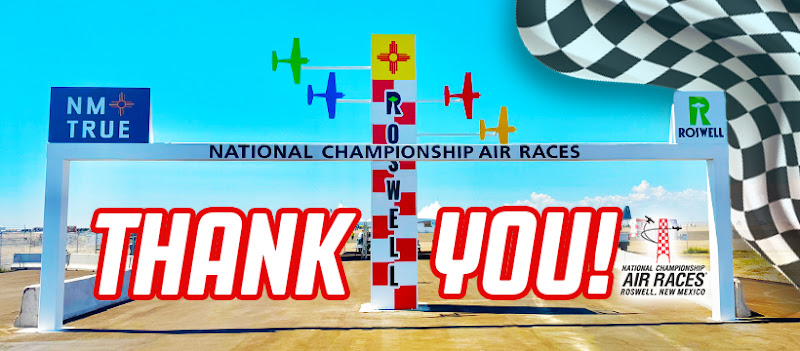
National Championship Air Races
About National Championship Air Races
Description
The National Championship Air Races represent one of America's most exhilarating aviation spectacles, drawing thousands of adrenaline-seekers and aviation enthusiasts from across the globe each year. This isn't your typical airshow where planes do a few loops and call it a day. We're talking about high-octane, edge-of-your-seat racing action where pilots push vintage warbirds and modern aircraft to their absolute limits, sometimes reaching speeds exceeding 500 miles per hour just feet above the desert floor. I'll be honest with you – there's nothing quite like standing trackside (or should I say, course-side?) when these magnificent flying machines thunder past. The roar of massive piston engines combined with the smell of high-octane fuel creates an experience that sticks with you long after you've returned home. This annual event has been captivating audiences for decades, and it continues to be a bucket-list experience for anyone who's ever looked up at a plane and felt that primal sense of wonder. What makes this event particularly special is its unique blend of competition, history, and accessibility. Unlike many exclusive aviation events, the National Championship Air Races welcomes everyone from hardcore aviation geeks who can identify every rivet on a P-51 Mustang to families just looking for an unforgettable weekend adventure. And the organizers have done an impressive job making sure visitors of all abilities can enjoy the experience, with wheelchair accessible entrances and parking facilities that ensure everyone can witness these incredible machines in action. The races showcase multiple classes of aircraft competing throughout several days, each with their own distinct character and fan following. You've got the Unlimited class featuring those legendary WWII fighters that have been souped-up beyond anything their original designers could have imagined, Sport class aircraft that prove you don't need a million-dollar warbird to compete, and everything in between.Key Features
The National Championship Air Races offer travelers an extraordinary array of experiences that go well beyond simply watching planes fly in circles. Here's what makes this event truly stand out: • Multiple race classes running throughout the event, including Unlimited, Jet, Sport, T-6, and Biplane divisions, ensuring constant action and variety for spectators • Static aircraft displays where visitors can get up close and personal with both racing aircraft and military planes, often with opportunities to chat with pilots and crew members • Military demonstrations featuring current military aircraft and capabilities, adding an extra dimension to the aviation excitement • Pylon racing format where aircraft compete on a closed course marked by 50-foot-tall pylons, creating incredibly close and competitive racing action • Grandstand seating options as well as general admission areas that let you move around and experience different vantage points throughout the venue • Air race qualifications and heats building toward championship finals, creating a tournament-style atmosphere that builds anticipation • Vendor areas featuring aviation memorabilia, artwork, and specialty items you won't find anywhere else • Food and beverage options ranging from standard faire to more specialized offerings (though let's be real, you're not coming here for the cuisine) • Evening entertainment programs and special events that extend the experience beyond daylight racing hours • Educational opportunities for young aviation enthusiasts, including youth programs designed to inspire the next generation of pilots and engineers • Photo opportunities that'll make your social media followers seriously jealous, especially during the golden hour racing sessionsBest Time to Visit
The National Championship Air Races typically take place in September, and honestly, the timing couldn't be better for travelers looking to experience this Nevada desert spectacle. By mid-September, the brutal summer heat has backed off considerably, making it far more comfortable to spend entire days outdoors watching aircraft streak across the sky. September in the desert offers daytime temperatures usually ranging from the mid-70s to low-90s Fahrenheit, which is genuinely pleasant compared to the scorching summer months. But here's the thing – desert conditions can be unpredictable, and you'll want to prepare for temperature swings. Morning sessions might start off surprisingly cool, especially if you're sitting in grandstands before the sun fully rises, while afternoons can still pack some heat. The event typically runs for about five or six days, including practice days, qualification rounds, and championship races. If you're trying to maximize your experience while minimizing time away from work or other obligations, consider attending the weekend portion when the championship races typically occur. That's when the competition reaches its peak intensity, and the crowds bring an electric energy that's hard to match. However, if you prefer a more relaxed atmosphere with smaller crowds and easier access to pilots and aircraft, the early weekday sessions offer their own appeal. I've talked to regulars who swear by attending multiple days because each day brings different racing dynamics and opportunities to explore aspects of the event you might miss if you're only there for the main championship day. Weather-wise, September also means you're generally looking at clear skies and excellent visibility – crucial factors for both racing safety and spectator enjoyment. There's little worse than traveling across the country for an outdoor aviation event only to have it hampered by poor weather conditions.How to Get There
Getting to the National Championship Air Races requires some planning, but it's definitely manageable for travelers coming from near or far. The event takes place in Nevada, and most visitors fly into the local regional airport or drive from surrounding areas. For those flying in, you'll find that booking flights well in advance is absolutely essential. September might not be peak tourist season everywhere, but air race week brings a significant influx of visitors to the area, and flight prices can reflect that demand. Try to book at least two to three months ahead if possible, and keep your schedule flexible if you're hunting for deals. Rental cars are practically a necessity unless you're planning to rely on rideshare services, which can get expensive and sometimes unreliable during major events. The venue itself typically requires driving, and having your own transportation gives you the flexibility to come and go as you please, explore the surrounding area, and not worry about surge pricing when tens of thousands of people are trying to leave simultaneously after championship races. If you're within reasonable driving distance – say, within 500 miles – seriously consider a road trip instead. The drive through Nevada offers its own scenic rewards, and you'll save money on rental cars while having the convenience of your own vehicle throughout your stay. Parking at the event is available, and the organizers usually offer various parking options at different price points and distances from the entrance. General parking typically fills up as the day progresses, especially during championship weekends, so arriving early isn't just recommended – it's basically mandatory if you want reasonable parking. Some folks swear by arriving when gates open, even if racing doesn't start for another hour or two. For RV enthusiasts, there are usually designated RV parking areas available, though these require advance reservations and tend to sell out quickly. The advantage of RVing is having your own comfortable space to retreat to between races, plus you're basically already "home" at the end of long days.Tips for Visiting
After talking to veterans who've attended multiple years and reflecting on what makes for the best possible experience, here are the insider tips that'll help you make the most of your National Championship Air Races adventure. First and foremost, sun protection is absolutely non-negotiable. We're talking Nevada desert here, and even September sun can be intense when you're spending entire days outdoors. Sunscreen, hats, sunglasses – bring them all and use them liberally. I can't tell you how many first-time attendees I've seen who underestimated the sun and spent their evening nursing painful sunburns instead of enjoying the atmosphere. Hearing protection is another must-have that newcomers often overlook. These aircraft are LOUD – like, seriously, remarkably loud – especially the Unlimiteds with their massive radial engines. Regular foam earplugs work fine, but consider investing in quality musicians' earplugs or even aviation headsets if you're planning to attend multiple days. Your ears will thank you, and you'll still hear everything perfectly well, just at safer volumes. Bring layers of clothing because desert temperatures change dramatically throughout the day. What feels comfortable at 8 AM might be stifling by noon and chilly again by early evening. A light jacket or sweatshirt that compresses small in your bag is worth its weight in gold. Hydration cannot be emphasized enough. Yes, there are beverage vendors at the event, but water gets expensive quickly when you're buying multiple bottles throughout the day. Bring a refillable water bottle if allowed (check current event policies), and drink consistently rather than waiting until you feel thirsty. Dehydration can sneak up on you in desert climates. Seating strategies matter more than you might think. Grandstand seats offer excellent views and guaranteed seating, but they lock you into one location. General admission tickets give you freedom to roam and experience different viewing angles, which can be fantastic for photography and getting varied perspectives on the racing action. Some experienced attendees actually buy grandstand seats but spend portions of the day exploring other areas. Speaking of photography, if you're into capturing images, bring appropriate equipment. A decent zoom lens (200mm minimum, though 300mm or more is better) makes a huge difference for aircraft photography. And don't forget extra batteries and memory cards – you'll take far more photos than you expect. Arrive earlier than you think necessary, especially for championship days. Traffic, parking, and walking from parking areas to the venue all take time, and missing even one race because you cut timing too close is frustrating beyond words. Download the event app or grab a printed program as soon as you arrive. Understanding the daily schedule, knowing when different classes race, and having access to pilot information significantly enhances your experience. Racing action isn't constant throughout the day – there are breaks, and knowing when to grab food or explore displays versus when to be in position for races is valuable. Comfortable walking shoes are essential because you'll cover way more ground than anticipated, even if you plan to sit in grandstands most of the day. The venue is expansive, and you'll want to explore static displays, vendor areas, and different viewing locations. Bring cash for vendors, though most accept cards nowadays. Having some cash on hand just speeds up transactions and gives you backup if card systems experience issues. Connect with other spectators. Aviation enthusiasts are generally friendly folks who love sharing their knowledge and passion. Strike up conversations with people around you, ask questions, and you'll likely learn fascinating details about aircraft, pilots, and racing that enhance your appreciation of what you're witnessing. Finally, don't try to see and do everything in one day if you can help it. The event runs multiple days for good reason – there's simply too much to absorb in a single visit. Pace yourself, take breaks, and remember that sometimes the best moments come when you're just soaking in the atmosphere rather than frantically rushing from one thing to another.Key Features
- Key Features
- Best Time to Visit
- How to Get There
- Tips for Visiting
More Details
Updated January 17, 2026
Table of Contents
Description
The National Championship Air Races represent one of America’s most exhilarating aviation spectacles, drawing thousands of adrenaline-seekers and aviation enthusiasts from across the globe each year. This isn’t your typical airshow where planes do a few loops and call it a day. We’re talking about high-octane, edge-of-your-seat racing action where pilots push vintage warbirds and modern aircraft to their absolute limits, sometimes reaching speeds exceeding 500 miles per hour just feet above the desert floor.
I’ll be honest with you – there’s nothing quite like standing trackside (or should I say, course-side?) when these magnificent flying machines thunder past. The roar of massive piston engines combined with the smell of high-octane fuel creates an experience that sticks with you long after you’ve returned home. This annual event has been captivating audiences for decades, and it continues to be a bucket-list experience for anyone who’s ever looked up at a plane and felt that primal sense of wonder.
What makes this event particularly special is its unique blend of competition, history, and accessibility. Unlike many exclusive aviation events, the National Championship Air Races welcomes everyone from hardcore aviation geeks who can identify every rivet on a P-51 Mustang to families just looking for an unforgettable weekend adventure. And the organizers have done an impressive job making sure visitors of all abilities can enjoy the experience, with wheelchair accessible entrances and parking facilities that ensure everyone can witness these incredible machines in action.
The races showcase multiple classes of aircraft competing throughout several days, each with their own distinct character and fan following. You’ve got the Unlimited class featuring those legendary WWII fighters that have been souped-up beyond anything their original designers could have imagined, Sport class aircraft that prove you don’t need a million-dollar warbird to compete, and everything in between.
Key Features
The National Championship Air Races offer travelers an extraordinary array of experiences that go well beyond simply watching planes fly in circles. Here’s what makes this event truly stand out:
• Multiple race classes running throughout the event, including Unlimited, Jet, Sport, T-6, and Biplane divisions, ensuring constant action and variety for spectators
• Static aircraft displays where visitors can get up close and personal with both racing aircraft and military planes, often with opportunities to chat with pilots and crew members
• Military demonstrations featuring current military aircraft and capabilities, adding an extra dimension to the aviation excitement
• Pylon racing format where aircraft compete on a closed course marked by 50-foot-tall pylons, creating incredibly close and competitive racing action
• Grandstand seating options as well as general admission areas that let you move around and experience different vantage points throughout the venue
• Air race qualifications and heats building toward championship finals, creating a tournament-style atmosphere that builds anticipation
• Vendor areas featuring aviation memorabilia, artwork, and specialty items you won’t find anywhere else
• Food and beverage options ranging from standard faire to more specialized offerings (though let’s be real, you’re not coming here for the cuisine)
• Evening entertainment programs and special events that extend the experience beyond daylight racing hours
• Educational opportunities for young aviation enthusiasts, including youth programs designed to inspire the next generation of pilots and engineers
• Photo opportunities that’ll make your social media followers seriously jealous, especially during the golden hour racing sessions
Best Time to Visit
The National Championship Air Races typically take place in September, and honestly, the timing couldn’t be better for travelers looking to experience this Nevada desert spectacle. By mid-September, the brutal summer heat has backed off considerably, making it far more comfortable to spend entire days outdoors watching aircraft streak across the sky.
September in the desert offers daytime temperatures usually ranging from the mid-70s to low-90s Fahrenheit, which is genuinely pleasant compared to the scorching summer months. But here’s the thing – desert conditions can be unpredictable, and you’ll want to prepare for temperature swings. Morning sessions might start off surprisingly cool, especially if you’re sitting in grandstands before the sun fully rises, while afternoons can still pack some heat.
The event typically runs for about five or six days, including practice days, qualification rounds, and championship races. If you’re trying to maximize your experience while minimizing time away from work or other obligations, consider attending the weekend portion when the championship races typically occur. That’s when the competition reaches its peak intensity, and the crowds bring an electric energy that’s hard to match.
However, if you prefer a more relaxed atmosphere with smaller crowds and easier access to pilots and aircraft, the early weekday sessions offer their own appeal. I’ve talked to regulars who swear by attending multiple days because each day brings different racing dynamics and opportunities to explore aspects of the event you might miss if you’re only there for the main championship day.
Weather-wise, September also means you’re generally looking at clear skies and excellent visibility – crucial factors for both racing safety and spectator enjoyment. There’s little worse than traveling across the country for an outdoor aviation event only to have it hampered by poor weather conditions.
How to Get There
Getting to the National Championship Air Races requires some planning, but it’s definitely manageable for travelers coming from near or far. The event takes place in Nevada, and most visitors fly into the local regional airport or drive from surrounding areas.
For those flying in, you’ll find that booking flights well in advance is absolutely essential. September might not be peak tourist season everywhere, but air race week brings a significant influx of visitors to the area, and flight prices can reflect that demand. Try to book at least two to three months ahead if possible, and keep your schedule flexible if you’re hunting for deals.
Rental cars are practically a necessity unless you’re planning to rely on rideshare services, which can get expensive and sometimes unreliable during major events. The venue itself typically requires driving, and having your own transportation gives you the flexibility to come and go as you please, explore the surrounding area, and not worry about surge pricing when tens of thousands of people are trying to leave simultaneously after championship races.
If you’re within reasonable driving distance – say, within 500 miles – seriously consider a road trip instead. The drive through Nevada offers its own scenic rewards, and you’ll save money on rental cars while having the convenience of your own vehicle throughout your stay.
Parking at the event is available, and the organizers usually offer various parking options at different price points and distances from the entrance. General parking typically fills up as the day progresses, especially during championship weekends, so arriving early isn’t just recommended – it’s basically mandatory if you want reasonable parking. Some folks swear by arriving when gates open, even if racing doesn’t start for another hour or two.
For RV enthusiasts, there are usually designated RV parking areas available, though these require advance reservations and tend to sell out quickly. The advantage of RVing is having your own comfortable space to retreat to between races, plus you’re basically already “home” at the end of long days.
Tips for Visiting
After talking to veterans who’ve attended multiple years and reflecting on what makes for the best possible experience, here are the insider tips that’ll help you make the most of your National Championship Air Races adventure.
First and foremost, sun protection is absolutely non-negotiable. We’re talking Nevada desert here, and even September sun can be intense when you’re spending entire days outdoors. Sunscreen, hats, sunglasses – bring them all and use them liberally. I can’t tell you how many first-time attendees I’ve seen who underestimated the sun and spent their evening nursing painful sunburns instead of enjoying the atmosphere.
Hearing protection is another must-have that newcomers often overlook. These aircraft are LOUD – like, seriously, remarkably loud – especially the Unlimiteds with their massive radial engines. Regular foam earplugs work fine, but consider investing in quality musicians’ earplugs or even aviation headsets if you’re planning to attend multiple days. Your ears will thank you, and you’ll still hear everything perfectly well, just at safer volumes.
Bring layers of clothing because desert temperatures change dramatically throughout the day. What feels comfortable at 8 AM might be stifling by noon and chilly again by early evening. A light jacket or sweatshirt that compresses small in your bag is worth its weight in gold.
Hydration cannot be emphasized enough. Yes, there are beverage vendors at the event, but water gets expensive quickly when you’re buying multiple bottles throughout the day. Bring a refillable water bottle if allowed (check current event policies), and drink consistently rather than waiting until you feel thirsty. Dehydration can sneak up on you in desert climates.
Seating strategies matter more than you might think. Grandstand seats offer excellent views and guaranteed seating, but they lock you into one location. General admission tickets give you freedom to roam and experience different viewing angles, which can be fantastic for photography and getting varied perspectives on the racing action. Some experienced attendees actually buy grandstand seats but spend portions of the day exploring other areas.
Speaking of photography, if you’re into capturing images, bring appropriate equipment. A decent zoom lens (200mm minimum, though 300mm or more is better) makes a huge difference for aircraft photography. And don’t forget extra batteries and memory cards – you’ll take far more photos than you expect.
Arrive earlier than you think necessary, especially for championship days. Traffic, parking, and walking from parking areas to the venue all take time, and missing even one race because you cut timing too close is frustrating beyond words.
Download the event app or grab a printed program as soon as you arrive. Understanding the daily schedule, knowing when different classes race, and having access to pilot information significantly enhances your experience. Racing action isn’t constant throughout the day – there are breaks, and knowing when to grab food or explore displays versus when to be in position for races is valuable.
Comfortable walking shoes are essential because you’ll cover way more ground than anticipated, even if you plan to sit in grandstands most of the day. The venue is expansive, and you’ll want to explore static displays, vendor areas, and different viewing locations.
Bring cash for vendors, though most accept cards nowadays. Having some cash on hand just speeds up transactions and gives you backup if card systems experience issues.
Connect with other spectators. Aviation enthusiasts are generally friendly folks who love sharing their knowledge and passion. Strike up conversations with people around you, ask questions, and you’ll likely learn fascinating details about aircraft, pilots, and racing that enhance your appreciation of what you’re witnessing.
Finally, don’t try to see and do everything in one day if you can help it. The event runs multiple days for good reason – there’s simply too much to absorb in a single visit. Pace yourself, take breaks, and remember that sometimes the best moments come when you’re just soaking in the atmosphere rather than frantically rushing from one thing to another.
Key Highlights
- Key Features
- Best Time to Visit
- How to Get There
- Tips for Visiting
Location
Places to Stay Near National Championship Air Races
Find and Book a Tour
Explore More Travel Guides
No reviews found! Be the first to review!
Traveler Reviews for National Championship Air Races
There are no reviews yet. Be the first one to write one.
Have you visited National Championship Air Races? Help other travelers by sharing your review.
You Might Also Like

Artown
Oxbow Nature Study Area

Rancho San Rafael Regional Park
Find Accommodations Nearby
Recommended Tours & Activities
Visitor Reviews
There are no reviews yet. Be the first one to write one.
Share Your Experience
Have you visited National Championship Air Races? Help other travelers by leaving a review.