
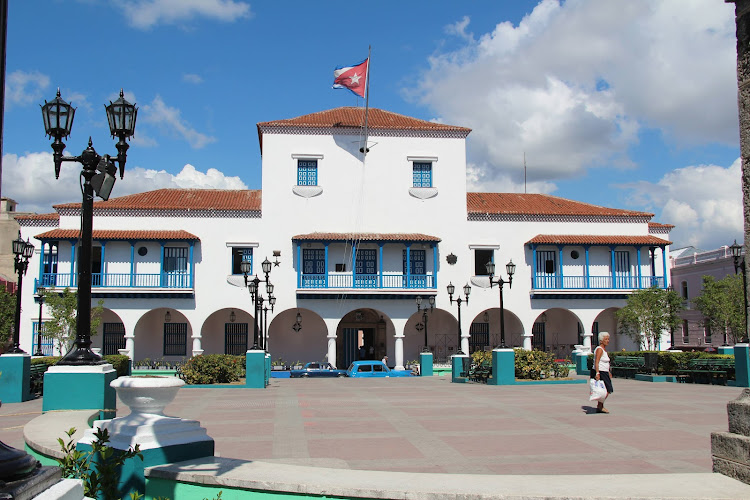
Casa de Diego Velazquez
About Casa de Diego Velazquez
Description
The Casa de Diego Velázquez stands as one of the oldest surviving colonial buildings in all of the Americas, and honestly, walking through its rooms feels like stepping directly into the early 16th century. Built around 1522, this remarkable mansion served as the residence of Diego Velázquez de Cuéllar, the Spanish conquistador who became Cuba's first governor. The building itself tells a fascinating story about that complicated period when European and indigenous architectural traditions collided and merged in ways that created something entirely new. What makes this place genuinely special isn't just its age – though being nearly 500 years old certainly earns it some serious bragging rights. It's the way the structure embodies that transitional moment in architectural history when Spanish builders were still figuring out how to construct their traditional homes in a completely different climate and landscape. They adapted, they improvised, and the result is this unique blend of Andalusian, Moorish, and indigenous Taíno influences that you won't find replicated anywhere else quite like this. The mansion occupies a prominent position in Santiago de Cuba, and its weathered stone walls have witnessed centuries of Caribbean history unfold. From conquest to colonization, from slavery to revolution, this building has stood through it all. And yeah, it shows. But that's part of what makes visiting so powerful – you're not looking at some perfectly restored movie set. You're experiencing authentic history, complete with all its rough edges and complicated legacy. The building now functions as a museum dedicated to preserving and interpreting this crucial period of Cuban and American history. Walking through its rooms, you'll encounter period furnishings, artifacts from the colonial era, and exhibits that explore both the Spanish colonial experience and the indigenous cultures that existed before European arrival. It's sobering, educational, and absolutely worth your time if you care about understanding how the Caribbean became what it is today.Key Features
The Casa de Diego Velázquez offers visitors several distinctive features that set it apart from other colonial-era museums:- The building showcases one of the earliest examples of colonial architecture in the Americas, with its distinctive two-story structure demonstrating Spanish adaptation to Caribbean conditions
- Original architectural elements remain intact throughout the house, including wooden balconies with latticed screens that provided privacy while allowing air circulation in the tropical heat
- The ground floor features thick stone walls and high ceilings designed to keep the interior cool, with a central courtyard that served as the social and functional heart of the household
- A collection of period furniture and decorative arts from the 16th and 17th centuries helps visitors visualize how the Spanish elite actually lived during the early colonial period
- The casa smelter room reveals one of the building's original purposes – it housed a gold foundry where precious metals extracted from Cuban mines were processed and refined
- Indigenous Taíno artifacts and exhibits provide context about the island's pre-Columbian inhabitants and their tragic fate following Spanish colonization
- The upper floor bedrooms and living quarters demonstrate the domestic arrangements of colonial administrators, complete with furnishings that would have been considered luxurious for the time period
- Restroom facilities are available on site, making it convenient for families and those planning extended visits
- The museum is suitable for children, offering an accessible introduction to colonial history that doesn't require extensive background knowledge
Best Time to Visit
Timing your visit to the Casa de Diego Velázquez requires thinking about both weather conditions and crowd levels, and trust me, both matter more than you might initially think. Santiago de Cuba experiences a tropical climate, which means it's warm year-round but definitely has more and less comfortable seasons. The absolute best time to explore this historic mansion is during Cuba's dry season, which runs from November through April. During these months, you'll encounter pleasant temperatures usually hovering in the mid-70s to low 80s Fahrenheit, with significantly less humidity than the summer months. And since the Casa doesn't have modern air conditioning – it's a 16th-century building, after all – visiting during cooler months makes the experience far more comfortable. I'd particularly recommend visiting between December and March when the weather is at its finest. But here's something to consider: these are also the peak tourist months, so you might encounter more visitors than during other times of year. However, the Casa de Diego Velázquez never gets as crowded as some of Cuba's more famous attractions, so even during busy season, you'll likely have space to explore at your own pace. The rainy season spans from May through October, with September and October seeing the heaviest precipitation. Visiting during these months isn't impossible, and you might even prefer it if you don't mind occasional afternoon showers and higher humidity. Plus, you'll encounter fewer tourists, which means more intimate access to the exhibits and architecture. As for time of day, early morning visits work wonderfully. The museum typically opens around 9 AM, and arriving shortly after opening means you'll beat most tour groups and have the rooms largely to yourself. Late afternoon can also be lovely, especially during winter months when the angle of sunlight streaming through the wooden lattices creates beautiful patterns on the colonial floors. Avoid visiting on Mondays if possible, as many museums throughout Cuba close on this day – though it's worth checking current schedules before planning your trip since policies occasionally change.How to Get There
Reaching the Casa de Diego Velázquez requires first getting yourself to Santiago de Cuba, which sits on the southeastern coast of the island, about 540 miles from Havana. But once you're in Santiago, finding this historic mansion is refreshingly straightforward. If you're arriving from Havana or elsewhere in Cuba, you have several options. Flying into Antonio Maceo International Airport in Santiago is the fastest route – the flight from Havana takes roughly an hour and forty minutes. From the airport, the museum is approximately 20-30 minutes away depending on traffic, and taxis are readily available. The long-distance bus option also works well for budget-conscious travelers. Viazul operates comfortable coaches between major Cuban cities, with the Havana to Santiago route taking about 13-15 hours. It's a journey, for sure, but you'll see a substantial portion of Cuba's countryside along the way. Once you're actually in Santiago de Cuba, the Casa de Diego Velázquez is located in the historic center of the city, right off Parque Céspedes, which is essentially the heart of old Santiago. Most visitors can walk to the museum from centrally-located accommodations, as Santiago's colonial district is quite compact and pedestrian-friendly. If you're staying further out, local taxis can bring you directly to the museum for reasonable fares. Cuban taxis come in various forms – official yellow cabs, classic American cars from the 1950s, and private taxis. Negotiate your fare before departing, or ensure the meter is running. A ride from most points within Santiago shouldn't cost more than a few CUC. The bicycle taxis (bicitaxis) also operate throughout Santiago and offer a charming, affordable way to reach the museum while enjoying the city atmosphere. Just be prepared for a slower journey, especially if you're traveling during the heat of the day. For the adventurous, Santiago's local bus system (guaguas) serves the downtown area, though routes can be confusing for first-time visitors and buses can get incredibly crowded. Most travelers find walking or taking a taxi more practical.Tips for Visiting
Walking into a 500-year-old building requires a bit of preparation, and having visited numerous colonial museums throughout the Caribbean, I've learned some lessons that'll make your experience at the Casa de Diego Velázquez significantly better. First thing – bring cash, preferably in CUC (Cuban Convertible Peso). The entrance fee is modest, but like most Cuban attractions, the Casa doesn't accept credit cards, especially not foreign ones. While you're at it, keep some small bills handy for tipping guides if you decide to take advantage of their expertise. Photography enthusiasts should know that taking photos inside is usually permitted, but there may be an additional fee for camera use. Sometimes this applies only to professional equipment, but policies vary, so ask at the entrance. And please, never use flash photography around antique furnishings and artifacts – the light damages these irreplaceable objects. Dress comfortably but respectfully. You're visiting a historical site, not a beach. Light, breathable clothing works best in Santiago's heat, but avoid showing up in swimwear or extremely revealing outfits. Comfortable walking shoes are essential because you'll be on your feet exploring multiple rooms and potentially uneven colonial-era floors. The Casa doesn't have a restaurant on site, so eat before you arrive or plan to grab food afterward. However, restrooms are available, which is genuinely helpful since not all historic buildings in Cuba maintain visitor facilities. If you're visiting with children, this museum actually works quite well for families. Kids often find the old architecture fascinating, and the exhibits aren't overly academic or text-heavy. That said, the Casa contains genuine antiques and artifacts, so keeping young children from touching displays is important. Consider hiring a guide or joining a guided tour if your Spanish is limited. While some information appears in English, much of the interpretive material is in Spanish, and guides can provide context and stories that bring the building to life in ways that reading plaques simply can't match. Even if you speak Spanish fluently, guides often share details and anecdotes not included in the standard exhibits. Plan to spend about 45 minutes to an hour exploring thoroughly, though architecture buffs and history enthusiasts could easily extend that to 90 minutes. Don't rush through – this isn't a place to tick off a list. Take time to appreciate the construction techniques, imagine daily life five centuries ago, and reflect on the complex history these walls represent. Visit the gold foundry room carefully and read the interpretive materials. Understanding that this building wasn't just a home but also a facility for processing wealth extracted through colonial exploitation adds important context to what you're experiencing. The building lacks modern climate control, so it can get warm inside, especially during summer months. Bring water, though you'll want to drink it outside rather than near the exhibits. Finally, combine your visit with exploration of the surrounding historic district. Parque Céspedes and the nearby streets contain numerous other colonial buildings, cafes, and cultural sites. The Casa de Diego Velázquez fits naturally into a broader walking tour of Santiago's historic heart, and you'll gain a richer understanding of colonial Cuban architecture by seeing multiple examples in context. And one last thing – go in with realistic expectations. This isn't a massive museum with hundreds of rooms and interactive displays. It's an intimate historic house that offers a genuine window into early colonial life. If you appreciate authenticity over spectacle, you'll find the Casa de Diego Velázquez absolutely worth the visit.Key Features
- The building showcases one of the earliest examples of colonial architecture in the Americas, with its distinctive two-story structure demonstrating Spanish adaptation to Caribbean conditions
- Original architectural elements remain intact throughout the house, including wooden balconies with latticed screens that provided privacy while allowing air circulation in the tropical heat
- The ground floor features thick stone walls and high ceilings designed to keep the interior cool, with a central courtyard that served as the social and functional heart of the household
- A collection of period furniture and decorative arts from the 16th and 17th centuries helps visitors visualize how the Spanish elite actually lived during the early colonial period
- The casa smelter room reveals one of the building's original purposes – it housed a gold foundry where precious metals extracted from Cuban mines were processed and refined
- Indigenous Taíno artifacts and exhibits provide context about the island's pre-Columbian inhabitants and their tragic fate following Spanish colonization
- The upper floor bedrooms and living quarters demonstrate the domestic arrangements of colonial administrators, complete with furnishings that would have been considered luxurious for the time period
- Restroom facilities are available on site, making it convenient for families and those planning extended visits
More Details
Updated January 17, 2026
Table of Contents
Description
The Casa de Diego Velázquez stands as one of the oldest surviving colonial buildings in all of the Americas, and honestly, walking through its rooms feels like stepping directly into the early 16th century. Built around 1522, this remarkable mansion served as the residence of Diego Velázquez de Cuéllar, the Spanish conquistador who became Cuba’s first governor. The building itself tells a fascinating story about that complicated period when European and indigenous architectural traditions collided and merged in ways that created something entirely new.
What makes this place genuinely special isn’t just its age – though being nearly 500 years old certainly earns it some serious bragging rights. It’s the way the structure embodies that transitional moment in architectural history when Spanish builders were still figuring out how to construct their traditional homes in a completely different climate and landscape. They adapted, they improvised, and the result is this unique blend of Andalusian, Moorish, and indigenous Taíno influences that you won’t find replicated anywhere else quite like this.
The mansion occupies a prominent position in Santiago de Cuba, and its weathered stone walls have witnessed centuries of Caribbean history unfold. From conquest to colonization, from slavery to revolution, this building has stood through it all. And yeah, it shows. But that’s part of what makes visiting so powerful – you’re not looking at some perfectly restored movie set. You’re experiencing authentic history, complete with all its rough edges and complicated legacy.
The building now functions as a museum dedicated to preserving and interpreting this crucial period of Cuban and American history. Walking through its rooms, you’ll encounter period furnishings, artifacts from the colonial era, and exhibits that explore both the Spanish colonial experience and the indigenous cultures that existed before European arrival. It’s sobering, educational, and absolutely worth your time if you care about understanding how the Caribbean became what it is today.
Key Features
The Casa de Diego Velázquez offers visitors several distinctive features that set it apart from other colonial-era museums:
- The building showcases one of the earliest examples of colonial architecture in the Americas, with its distinctive two-story structure demonstrating Spanish adaptation to Caribbean conditions
- Original architectural elements remain intact throughout the house, including wooden balconies with latticed screens that provided privacy while allowing air circulation in the tropical heat
- The ground floor features thick stone walls and high ceilings designed to keep the interior cool, with a central courtyard that served as the social and functional heart of the household
- A collection of period furniture and decorative arts from the 16th and 17th centuries helps visitors visualize how the Spanish elite actually lived during the early colonial period
- The casa smelter room reveals one of the building’s original purposes – it housed a gold foundry where precious metals extracted from Cuban mines were processed and refined
- Indigenous Taíno artifacts and exhibits provide context about the island’s pre-Columbian inhabitants and their tragic fate following Spanish colonization
- The upper floor bedrooms and living quarters demonstrate the domestic arrangements of colonial administrators, complete with furnishings that would have been considered luxurious for the time period
- Restroom facilities are available on site, making it convenient for families and those planning extended visits
- The museum is suitable for children, offering an accessible introduction to colonial history that doesn’t require extensive background knowledge
Best Time to Visit
Timing your visit to the Casa de Diego Velázquez requires thinking about both weather conditions and crowd levels, and trust me, both matter more than you might initially think.
Santiago de Cuba experiences a tropical climate, which means it’s warm year-round but definitely has more and less comfortable seasons. The absolute best time to explore this historic mansion is during Cuba’s dry season, which runs from November through April. During these months, you’ll encounter pleasant temperatures usually hovering in the mid-70s to low 80s Fahrenheit, with significantly less humidity than the summer months. And since the Casa doesn’t have modern air conditioning – it’s a 16th-century building, after all – visiting during cooler months makes the experience far more comfortable.
I’d particularly recommend visiting between December and March when the weather is at its finest. But here’s something to consider: these are also the peak tourist months, so you might encounter more visitors than during other times of year. However, the Casa de Diego Velázquez never gets as crowded as some of Cuba’s more famous attractions, so even during busy season, you’ll likely have space to explore at your own pace.
The rainy season spans from May through October, with September and October seeing the heaviest precipitation. Visiting during these months isn’t impossible, and you might even prefer it if you don’t mind occasional afternoon showers and higher humidity. Plus, you’ll encounter fewer tourists, which means more intimate access to the exhibits and architecture.
As for time of day, early morning visits work wonderfully. The museum typically opens around 9 AM, and arriving shortly after opening means you’ll beat most tour groups and have the rooms largely to yourself. Late afternoon can also be lovely, especially during winter months when the angle of sunlight streaming through the wooden lattices creates beautiful patterns on the colonial floors.
Avoid visiting on Mondays if possible, as many museums throughout Cuba close on this day – though it’s worth checking current schedules before planning your trip since policies occasionally change.
How to Get There
Reaching the Casa de Diego Velázquez requires first getting yourself to Santiago de Cuba, which sits on the southeastern coast of the island, about 540 miles from Havana. But once you’re in Santiago, finding this historic mansion is refreshingly straightforward.
If you’re arriving from Havana or elsewhere in Cuba, you have several options. Flying into Antonio Maceo International Airport in Santiago is the fastest route – the flight from Havana takes roughly an hour and forty minutes. From the airport, the museum is approximately 20-30 minutes away depending on traffic, and taxis are readily available.
The long-distance bus option also works well for budget-conscious travelers. Viazul operates comfortable coaches between major Cuban cities, with the Havana to Santiago route taking about 13-15 hours. It’s a journey, for sure, but you’ll see a substantial portion of Cuba’s countryside along the way.
Once you’re actually in Santiago de Cuba, the Casa de Diego Velázquez is located in the historic center of the city, right off Parque Céspedes, which is essentially the heart of old Santiago. Most visitors can walk to the museum from centrally-located accommodations, as Santiago’s colonial district is quite compact and pedestrian-friendly.
If you’re staying further out, local taxis can bring you directly to the museum for reasonable fares. Cuban taxis come in various forms – official yellow cabs, classic American cars from the 1950s, and private taxis. Negotiate your fare before departing, or ensure the meter is running. A ride from most points within Santiago shouldn’t cost more than a few CUC.
The bicycle taxis (bicitaxis) also operate throughout Santiago and offer a charming, affordable way to reach the museum while enjoying the city atmosphere. Just be prepared for a slower journey, especially if you’re traveling during the heat of the day.
For the adventurous, Santiago’s local bus system (guaguas) serves the downtown area, though routes can be confusing for first-time visitors and buses can get incredibly crowded. Most travelers find walking or taking a taxi more practical.
Tips for Visiting
Walking into a 500-year-old building requires a bit of preparation, and having visited numerous colonial museums throughout the Caribbean, I’ve learned some lessons that’ll make your experience at the Casa de Diego Velázquez significantly better.
First thing – bring cash, preferably in CUC (Cuban Convertible Peso). The entrance fee is modest, but like most Cuban attractions, the Casa doesn’t accept credit cards, especially not foreign ones. While you’re at it, keep some small bills handy for tipping guides if you decide to take advantage of their expertise.
Photography enthusiasts should know that taking photos inside is usually permitted, but there may be an additional fee for camera use. Sometimes this applies only to professional equipment, but policies vary, so ask at the entrance. And please, never use flash photography around antique furnishings and artifacts – the light damages these irreplaceable objects.
Dress comfortably but respectfully. You’re visiting a historical site, not a beach. Light, breathable clothing works best in Santiago’s heat, but avoid showing up in swimwear or extremely revealing outfits. Comfortable walking shoes are essential because you’ll be on your feet exploring multiple rooms and potentially uneven colonial-era floors.
The Casa doesn’t have a restaurant on site, so eat before you arrive or plan to grab food afterward. However, restrooms are available, which is genuinely helpful since not all historic buildings in Cuba maintain visitor facilities.
If you’re visiting with children, this museum actually works quite well for families. Kids often find the old architecture fascinating, and the exhibits aren’t overly academic or text-heavy. That said, the Casa contains genuine antiques and artifacts, so keeping young children from touching displays is important.
Consider hiring a guide or joining a guided tour if your Spanish is limited. While some information appears in English, much of the interpretive material is in Spanish, and guides can provide context and stories that bring the building to life in ways that reading plaques simply can’t match. Even if you speak Spanish fluently, guides often share details and anecdotes not included in the standard exhibits.
Plan to spend about 45 minutes to an hour exploring thoroughly, though architecture buffs and history enthusiasts could easily extend that to 90 minutes. Don’t rush through – this isn’t a place to tick off a list. Take time to appreciate the construction techniques, imagine daily life five centuries ago, and reflect on the complex history these walls represent.
Visit the gold foundry room carefully and read the interpretive materials. Understanding that this building wasn’t just a home but also a facility for processing wealth extracted through colonial exploitation adds important context to what you’re experiencing.
The building lacks modern climate control, so it can get warm inside, especially during summer months. Bring water, though you’ll want to drink it outside rather than near the exhibits.
Finally, combine your visit with exploration of the surrounding historic district. Parque Céspedes and the nearby streets contain numerous other colonial buildings, cafes, and cultural sites. The Casa de Diego Velázquez fits naturally into a broader walking tour of Santiago’s historic heart, and you’ll gain a richer understanding of colonial Cuban architecture by seeing multiple examples in context.
And one last thing – go in with realistic expectations. This isn’t a massive museum with hundreds of rooms and interactive displays. It’s an intimate historic house that offers a genuine window into early colonial life. If you appreciate authenticity over spectacle, you’ll find the Casa de Diego Velázquez absolutely worth the visit.
Key Highlights
- The building showcases one of the earliest examples of colonial architecture in the Americas, with its distinctive two-story structure demonstrating Spanish adaptation to Caribbean conditions
- Original architectural elements remain intact throughout the house, including wooden balconies with latticed screens that provided privacy while allowing air circulation in the tropical heat
- The ground floor features thick stone walls and high ceilings designed to keep the interior cool, with a central courtyard that served as the social and functional heart of the household
- A collection of period furniture and decorative arts from the 16th and 17th centuries helps visitors visualize how the Spanish elite actually lived during the early colonial period
- The casa smelter room reveals one of the building's original purposes – it housed a gold foundry where precious metals extracted from Cuban mines were processed and refined
- Indigenous Taíno artifacts and exhibits provide context about the island's pre-Columbian inhabitants and their tragic fate following Spanish colonization
- The upper floor bedrooms and living quarters demonstrate the domestic arrangements of colonial administrators, complete with furnishings that would have been considered luxurious for the time period
- Restroom facilities are available on site, making it convenient for families and those planning extended visits
Location
Places to Stay Near Casa de Diego Velazquez
Find and Book a Tour
Explore More Travel Guides
No reviews found! Be the first to review!
Traveler Reviews for Casa de Diego Velazquez
There are no reviews yet. Be the first one to write one.
Have you visited Casa de Diego Velazquez? Help other travelers by sharing your review.
You Might Also Like

Museo de La Lucha Clandestina
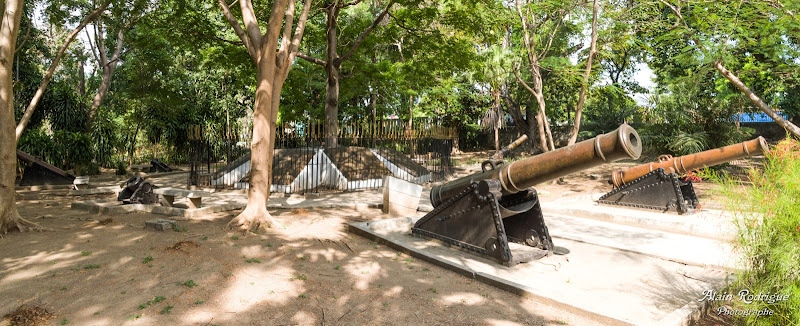
Spains troops on Santiago de Cuba Surrender Tree Memorial
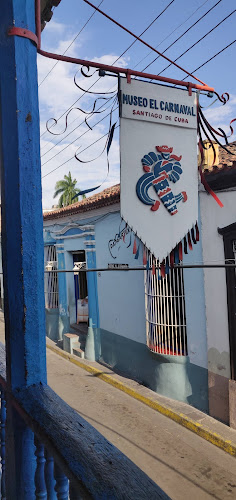
Museo del Carnaval
Find Accommodations Nearby
Recommended Tours & Activities
Visitor Reviews
There are no reviews yet. Be the first one to write one.
Share Your Experience
Have you visited Casa de Diego Velazquez? Help other travelers by leaving a review.