
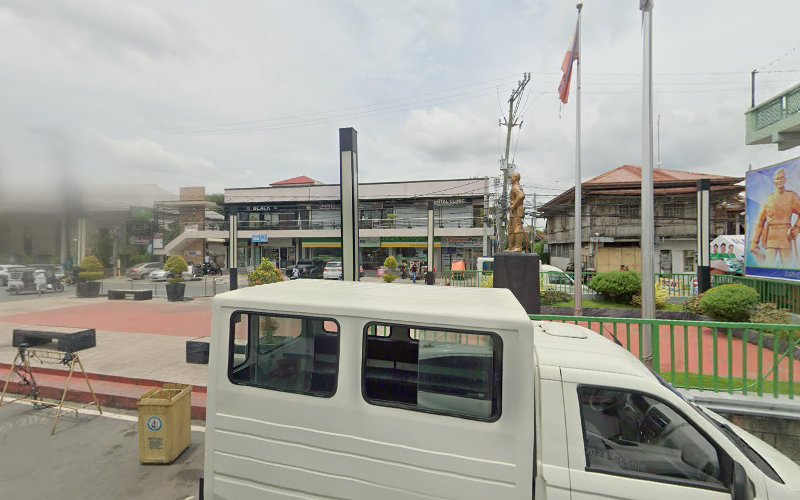
Bantayog at Panandang Pangkasaysayan ni Heneral Mariano Trias
About Bantayog at Panandang Pangkasaysayan ni Heneral Mariano Trias
Description
Standing proudly in the province of Cavite, the Bantayog at Panandang Pangkasaysayan ni Heneral Mariano Trias serves as a powerful reminder of the Philippines' revolutionary past. This historical landmark honors one of the most significant yet often underappreciated figures in Philippine history – General Mariano Trias, who played a crucial role during the Philippine Revolution against Spanish colonial rule. When you first approach the monument, there's this undeniable sense of gravity that washes over you. I remember my first visit there, and honestly, I wasn't expecting to feel so moved by what could have easily been just another historical marker. But this place carries weight. General Trias wasn't just some footnote in history textbooks – he was the first Vice President of the Philippines and a key military strategist whose contributions shaped the nation's fight for independence. The monument itself is more than just bronze and stone. It represents a bridge between the past and present, allowing travelers to connect with a period when ordinary Filipinos took up arms for their freedom. And yes, while many international tourists flock to the more famous historical sites in Manila, this landmark offers something different – a quieter, more reflective experience where you can actually absorb the history without fighting through massive crowds. What makes this place particularly special for families is that it's genuinely suitable for kids. Too often, historical sites can feel stuffy or inaccessible to younger visitors, but the layout and presentation here make it easier for parents to share important historical lessons with their children. There's something about standing in front of a monument dedicated to real heroes that makes history feel tangible rather than abstract.Key Features
The Bantayog at Panandang Pangkasaysayan ni Heneral Mariano Trias offers several distinctive elements that make it worth adding to your Cavite itinerary:- Impressive Monument Structure: The centerpiece features a commanding statue of General Mariano Trias himself, crafted with attention to historical detail that captures both his military bearing and his dedication to Philippine independence.
- Historical Markers and Inscriptions: Throughout the site, you'll find informative plaques written in both Filipino and English that detail General Trias's accomplishments, military campaigns, and his pivotal role in establishing the revolutionary government.
- Family-Friendly Environment: The grounds are well-maintained and safe for children, making it an educational destination where families can spend quality time together while learning about Philippine history.
- Accessible Location: Positioned in an area that's relatively easy to reach from various parts of Cavite, the monument doesn't require extensive hiking or difficult terrain navigation.
- Photography Opportunities: The monument provides excellent backdrops for photos, particularly during golden hour when the lighting adds dramatic effect to the bronze and stone work.
- Open-Air Setting: Unlike museum-based historical experiences, this outdoor landmark allows visitors to appreciate the monument while enjoying fresh air and natural surroundings.
- Educational Value: For students, history enthusiasts, and anyone interested in Philippine revolutionary history, the site offers genuine learning opportunities often missing from more commercialized tourist attractions.
- Peaceful Atmosphere: The location typically maintains a respectful, tranquil environment conducive to reflection and contemplation about the sacrifices made for Philippine independence.
Best Time to Visit
Timing your visit to the Bantayog at Panandang Pangkasaysayan ni Heneral Mariano Trias can significantly impact your experience. But honestly, this isn't one of those places where you need to stress too much about hitting a narrow window of ideal conditions. The dry season, running from November through April, generally provides the most comfortable weather for exploring outdoor monuments. During these months, you're less likely to get caught in sudden downpours that could cut your visit short. And let's be real – nobody enjoys trying to read historical plaques while holding an umbrella and dodging puddles. Early morning visits, particularly between 7 AM and 9 AM, offer some distinct advantages. The temperature tends to be cooler, which matters more than you might think when you're standing in an open area with limited shade. Plus, morning light creates beautiful conditions for photography if that's something you care about. I've found that arriving early also means you might have the place almost entirely to yourself, which creates a more contemplative experience. Late afternoon visits around 4 PM to 6 PM can also work wonderfully. The harsh midday sun has mellowed, and if you time it right, you can experience that gorgeous golden hour lighting that photographers dream about. There's something particularly moving about seeing the monument bathed in that warm afternoon glow. Weekdays generally see fewer visitors compared to weekends, especially during school holidays when families with children might be more likely to visit. If you prefer a quieter experience, consider scheduling your trip for a Tuesday or Wednesday. Special consideration should be given to visiting around significant historical dates related to Philippine independence or dates connected to General Mariano Trias's life. During these times, you might encounter commemorative ceremonies or additional educational programming, though the site may also be busier than usual. Avoid visiting during heavy rain seasons, particularly July through September, when weather conditions can be unpredictable and occasionally severe. Nothing dampens a historical pilgrimage quite like tropical storms.How to Get There
Getting to the Bantayog at Panandang Pangkasaysayan ni Heneral Mariano Trias requires some planning, but it's definitely manageable even if you're not intimately familiar with Cavite's geography. For travelers coming from Metro Manila, the journey typically takes between one to two hours depending on traffic conditions and your starting point. And yes, traffic in this part of the Philippines can be unpredictable, so always budget extra time – you don't want to rush through a historical site because you're worried about getting back before dark. If you're driving your own vehicle or renting a car, this gives you the most flexibility. Navigate toward the general area of Tanza, Cavite, where the monument is located. GPS applications like Waze or Google Maps work reasonably well in this area, though I'd recommend downloading offline maps just in case you encounter areas with spotty signal. The roads leading to the monument are generally well-maintained, though as with anywhere in the Philippines, expect some variation in road quality. Public transportation is absolutely viable, though it requires a bit more patience and willingness to embrace the local commuting experience. From Manila, you can take buses heading toward Cavite and inform the conductor of your destination. You might need to take a jeepney or tricycle for the final leg of the journey. Don't be shy about asking locals for directions – Filipinos are generally helpful to travelers, and someone will point you in the right direction. Tricycles are abundant in Cavite and can be hired for direct trips to the monument. Negotiate the fare before departing to avoid any awkward conversations later. If you're staying somewhere in Cavite province, your accommodation can usually help arrange transportation or provide detailed directions. For those joining organized tours focusing on Cavite's historical sites, this monument might be included as part of a broader itinerary that covers multiple revolutionary landmarks in the area. This option works particularly well if you want expert commentary and hassle-free logistics. Parking near the monument is generally available, though facilities might be basic compared to major tourist destinations. Arrive early if you're visiting during peak times or special occasions when more people might be present.Tips for Visiting
Making the most of your visit to this historical landmark requires some practical preparation mixed with the right mindset. Here's what you should know before you go. Dress comfortably and appropriately. While there's no strict dress code, remember you're visiting a monument honoring a national hero – overly casual or revealing clothing might not feel quite right. Wear comfortable walking shoes because you'll be standing and moving around on varied surfaces. And seriously, skip the flip-flops unless you want sore feet. Bring sun protection because shade can be limited. A hat, sunglasses, and sunscreen aren't just recommendations – they're essentials. I learned this the hard way during a midday visit that left me looking like a lobster in my photos. Not cute. Hydration matters too. Carry bottled water, especially if you're visiting during warmer months or traveling with children. There might not be vendors immediately nearby selling refreshments. If you're bringing kids, prepare them beforehand with age-appropriate information about General Mariano Trias and why he's important to Philippine history. This transforms the visit from "another boring historical thing" into an actual learning experience they might remember. Make it interactive – have them spot specific details on the monument or ask them questions about what they're seeing. Photography is generally permitted and encouraged at the monument. However, maintain respectful behavior while taking photos. This isn't the place for silly selfies or inappropriate poses – remember, you're honoring someone who fought for Philippine independence. Allow at least 30 to 45 minutes for your visit if you want to actually read the historical information and appreciate the monument properly. Rushing through defeats the purpose. If you're a serious history buff or traveling with curious children who ask lots of questions, budget an hour or more. Check current conditions before heading out, especially during rainy season. A quick call to local tourism offices or checking recent visitor reviews online can save you from wasted trips during closures or poor conditions. Bring some cash for incidental expenses like parking fees, tricycle fares, or donations if there's a collection for monument maintenance. Card payment facilities are unlikely at or near the site. Consider combining your visit with other historical landmarks in Cavite to create a full day of cultural exploration. The province is rich with revolutionary history, and seeing multiple sites in one trip maximizes your time and travel investment. Respect the site's purpose and maintain appropriate behavior throughout your visit. Keep voices at reasonable levels, dispose of any trash properly, and leave the monument exactly as you found it for future visitors to appreciate. Finally, take time to actually reflect on what you're experiencing. Yes, get your photos and check it off your travel list, but also spend a few quiet moments thinking about the people who sacrificed everything for Philippine independence. That's when places like this transform from tourist stops into genuinely meaningful experiences.Key Features
- Central monument honoring General Mariano Trias with sculptural elements
- Interpretive plaques detailing Trias’s role in the 1896–1899 revolutionary period
- Well-maintained plaza setting often used for local commemorations and ceremonies
- Accessible location within General Trias, easy to combine with other civic sites
- Photogenic, contemplative space suitable for reflection and educational visits
More Details
Updated January 17, 2026
Table of Contents
- Description
- Key Features
- Best Time to Visit
- How to Get There
- Tips for Visiting
- Key Highlights
- Location
- Places to Stay Near Bantayog at Panandang Pangkasaysayan ni Heneral Mariano Trias
- Find and Book a Tour
- Explore More Travel Guides
- Nearby Places You Might Like
- Traveler Reviews for Bantayog at Panandang Pangkasaysayan ni Heneral Mariano Trias
- Share Your Experience
Description
Standing proudly in the province of Cavite, the Bantayog at Panandang Pangkasaysayan ni Heneral Mariano Trias serves as a powerful reminder of the Philippines’ revolutionary past. This historical landmark honors one of the most significant yet often underappreciated figures in Philippine history – General Mariano Trias, who played a crucial role during the Philippine Revolution against Spanish colonial rule.
When you first approach the monument, there’s this undeniable sense of gravity that washes over you. I remember my first visit there, and honestly, I wasn’t expecting to feel so moved by what could have easily been just another historical marker. But this place carries weight. General Trias wasn’t just some footnote in history textbooks – he was the first Vice President of the Philippines and a key military strategist whose contributions shaped the nation’s fight for independence.
The monument itself is more than just bronze and stone. It represents a bridge between the past and present, allowing travelers to connect with a period when ordinary Filipinos took up arms for their freedom. And yes, while many international tourists flock to the more famous historical sites in Manila, this landmark offers something different – a quieter, more reflective experience where you can actually absorb the history without fighting through massive crowds.
What makes this place particularly special for families is that it’s genuinely suitable for kids. Too often, historical sites can feel stuffy or inaccessible to younger visitors, but the layout and presentation here make it easier for parents to share important historical lessons with their children. There’s something about standing in front of a monument dedicated to real heroes that makes history feel tangible rather than abstract.
Key Features
The Bantayog at Panandang Pangkasaysayan ni Heneral Mariano Trias offers several distinctive elements that make it worth adding to your Cavite itinerary:
- Impressive Monument Structure: The centerpiece features a commanding statue of General Mariano Trias himself, crafted with attention to historical detail that captures both his military bearing and his dedication to Philippine independence.
- Historical Markers and Inscriptions: Throughout the site, you’ll find informative plaques written in both Filipino and English that detail General Trias’s accomplishments, military campaigns, and his pivotal role in establishing the revolutionary government.
- Family-Friendly Environment: The grounds are well-maintained and safe for children, making it an educational destination where families can spend quality time together while learning about Philippine history.
- Accessible Location: Positioned in an area that’s relatively easy to reach from various parts of Cavite, the monument doesn’t require extensive hiking or difficult terrain navigation.
- Photography Opportunities: The monument provides excellent backdrops for photos, particularly during golden hour when the lighting adds dramatic effect to the bronze and stone work.
- Open-Air Setting: Unlike museum-based historical experiences, this outdoor landmark allows visitors to appreciate the monument while enjoying fresh air and natural surroundings.
- Educational Value: For students, history enthusiasts, and anyone interested in Philippine revolutionary history, the site offers genuine learning opportunities often missing from more commercialized tourist attractions.
- Peaceful Atmosphere: The location typically maintains a respectful, tranquil environment conducive to reflection and contemplation about the sacrifices made for Philippine independence.
Best Time to Visit
Timing your visit to the Bantayog at Panandang Pangkasaysayan ni Heneral Mariano Trias can significantly impact your experience. But honestly, this isn’t one of those places where you need to stress too much about hitting a narrow window of ideal conditions.
The dry season, running from November through April, generally provides the most comfortable weather for exploring outdoor monuments. During these months, you’re less likely to get caught in sudden downpours that could cut your visit short. And let’s be real – nobody enjoys trying to read historical plaques while holding an umbrella and dodging puddles.
Early morning visits, particularly between 7 AM and 9 AM, offer some distinct advantages. The temperature tends to be cooler, which matters more than you might think when you’re standing in an open area with limited shade. Plus, morning light creates beautiful conditions for photography if that’s something you care about. I’ve found that arriving early also means you might have the place almost entirely to yourself, which creates a more contemplative experience.
Late afternoon visits around 4 PM to 6 PM can also work wonderfully. The harsh midday sun has mellowed, and if you time it right, you can experience that gorgeous golden hour lighting that photographers dream about. There’s something particularly moving about seeing the monument bathed in that warm afternoon glow.
Weekdays generally see fewer visitors compared to weekends, especially during school holidays when families with children might be more likely to visit. If you prefer a quieter experience, consider scheduling your trip for a Tuesday or Wednesday.
Special consideration should be given to visiting around significant historical dates related to Philippine independence or dates connected to General Mariano Trias’s life. During these times, you might encounter commemorative ceremonies or additional educational programming, though the site may also be busier than usual.
Avoid visiting during heavy rain seasons, particularly July through September, when weather conditions can be unpredictable and occasionally severe. Nothing dampens a historical pilgrimage quite like tropical storms.
How to Get There
Getting to the Bantayog at Panandang Pangkasaysayan ni Heneral Mariano Trias requires some planning, but it’s definitely manageable even if you’re not intimately familiar with Cavite’s geography.
For travelers coming from Metro Manila, the journey typically takes between one to two hours depending on traffic conditions and your starting point. And yes, traffic in this part of the Philippines can be unpredictable, so always budget extra time – you don’t want to rush through a historical site because you’re worried about getting back before dark.
If you’re driving your own vehicle or renting a car, this gives you the most flexibility. Navigate toward the general area of Tanza, Cavite, where the monument is located. GPS applications like Waze or Google Maps work reasonably well in this area, though I’d recommend downloading offline maps just in case you encounter areas with spotty signal. The roads leading to the monument are generally well-maintained, though as with anywhere in the Philippines, expect some variation in road quality.
Public transportation is absolutely viable, though it requires a bit more patience and willingness to embrace the local commuting experience. From Manila, you can take buses heading toward Cavite and inform the conductor of your destination. You might need to take a jeepney or tricycle for the final leg of the journey. Don’t be shy about asking locals for directions – Filipinos are generally helpful to travelers, and someone will point you in the right direction.
Tricycles are abundant in Cavite and can be hired for direct trips to the monument. Negotiate the fare before departing to avoid any awkward conversations later. If you’re staying somewhere in Cavite province, your accommodation can usually help arrange transportation or provide detailed directions.
For those joining organized tours focusing on Cavite’s historical sites, this monument might be included as part of a broader itinerary that covers multiple revolutionary landmarks in the area. This option works particularly well if you want expert commentary and hassle-free logistics.
Parking near the monument is generally available, though facilities might be basic compared to major tourist destinations. Arrive early if you’re visiting during peak times or special occasions when more people might be present.
Tips for Visiting
Making the most of your visit to this historical landmark requires some practical preparation mixed with the right mindset. Here’s what you should know before you go.
Dress comfortably and appropriately. While there’s no strict dress code, remember you’re visiting a monument honoring a national hero – overly casual or revealing clothing might not feel quite right. Wear comfortable walking shoes because you’ll be standing and moving around on varied surfaces. And seriously, skip the flip-flops unless you want sore feet.
Bring sun protection because shade can be limited. A hat, sunglasses, and sunscreen aren’t just recommendations – they’re essentials. I learned this the hard way during a midday visit that left me looking like a lobster in my photos. Not cute.
Hydration matters too. Carry bottled water, especially if you’re visiting during warmer months or traveling with children. There might not be vendors immediately nearby selling refreshments.
If you’re bringing kids, prepare them beforehand with age-appropriate information about General Mariano Trias and why he’s important to Philippine history. This transforms the visit from “another boring historical thing” into an actual learning experience they might remember. Make it interactive – have them spot specific details on the monument or ask them questions about what they’re seeing.
Photography is generally permitted and encouraged at the monument. However, maintain respectful behavior while taking photos. This isn’t the place for silly selfies or inappropriate poses – remember, you’re honoring someone who fought for Philippine independence.
Allow at least 30 to 45 minutes for your visit if you want to actually read the historical information and appreciate the monument properly. Rushing through defeats the purpose. If you’re a serious history buff or traveling with curious children who ask lots of questions, budget an hour or more.
Check current conditions before heading out, especially during rainy season. A quick call to local tourism offices or checking recent visitor reviews online can save you from wasted trips during closures or poor conditions.
Bring some cash for incidental expenses like parking fees, tricycle fares, or donations if there’s a collection for monument maintenance. Card payment facilities are unlikely at or near the site.
Consider combining your visit with other historical landmarks in Cavite to create a full day of cultural exploration. The province is rich with revolutionary history, and seeing multiple sites in one trip maximizes your time and travel investment.
Respect the site’s purpose and maintain appropriate behavior throughout your visit. Keep voices at reasonable levels, dispose of any trash properly, and leave the monument exactly as you found it for future visitors to appreciate.
Finally, take time to actually reflect on what you’re experiencing. Yes, get your photos and check it off your travel list, but also spend a few quiet moments thinking about the people who sacrificed everything for Philippine independence. That’s when places like this transform from tourist stops into genuinely meaningful experiences.
Key Highlights
- Central monument honoring General Mariano Trias with sculptural elements
- Interpretive plaques detailing Trias’s role in the 1896–1899 revolutionary period
- Well-maintained plaza setting often used for local commemorations and ceremonies
- Accessible location within General Trias, easy to combine with other civic sites
- Photogenic, contemplative space suitable for reflection and educational visits
Location
Places to Stay Near Bantayog at Panandang Pangkasaysayan ni Heneral Mariano Trias
Find and Book a Tour
Explore More Travel Guides
No reviews found! Be the first to review!
Traveler Reviews for Bantayog at Panandang Pangkasaysayan ni Heneral Mariano Trias
There are no reviews yet. Be the first one to write one.
Have you visited Bantayog at Panandang Pangkasaysayan ni Heneral Mariano Trias? Help other travelers by sharing your review.
Nearby Attractions
You Might Also Like
Sanduguan Siklab ng Himagsikan Historical Marker (Pinagtipunan)
Smart Antenna
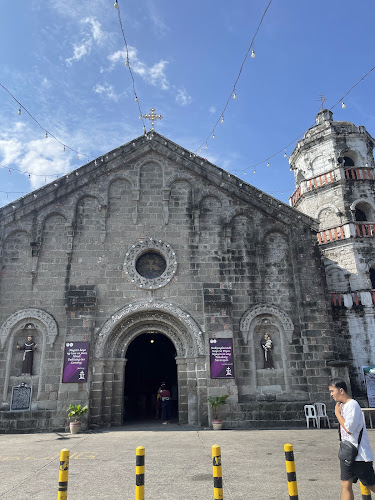
San Francisco De Malabon Parish Church
Find Accommodations Nearby
Recommended Tours & Activities
Visitor Reviews
There are no reviews yet. Be the first one to write one.
Share Your Experience
Have you visited Bantayog at Panandang Pangkasaysayan ni Heneral Mariano Trias? Help other travelers by leaving a review.