
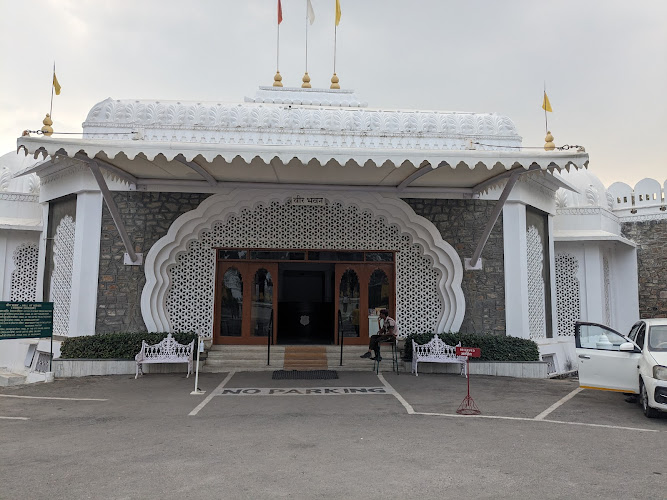
Hall Of Heroes
About Hall Of Heroes
Description
The Hall of Heroes stands as a powerful tribute to one of India's most celebrated warriors, Maharana Pratap, whose legacy continues to inspire millions even centuries after his time. This museum isn't just another collection of artifacts behind glass cases - it's an immersive journey into the life and times of a ruler who refused to bow down to imperial pressures. When I first heard about this place, I'll admit I expected something rather standard. But stepping through those doors completely changed my perspective on what a historical museum could really be. What makes this attraction genuinely special is how it manages to bring history alive for visitors who might not be history buffs at all. The exhibits here don't just tell you about battles and dates - they make you feel the weight of decisions made hundreds of years ago. You'll find yourself standing face-to-face with representations of the Rajput valor that defined an era, and honestly, it's pretty moving stuff. The museum has earned its reputation as a must-visit destination, drawing history enthusiasts, families, and curious travelers from across the globe. And there's good reason for that popularity. The facility does an excellent job of balancing educational content with engaging presentation, making it suitable for everyone from school children to seniors who've studied this period extensively. The accessibility features are particularly noteworthy - wheelchair users can navigate the entire space without difficulty, which is something you don't always find at historical sites in this region. The onsite restaurant is actually a nice touch too, because let's be honest, museum fatigue is real. Being able to grab a meal without leaving the premises means you can take your time exploring without worrying about where you'll eat later.Key Features
The Hall of Heroes offers several distinctive elements that set it apart from typical museum experiences: • Comprehensive exhibits dedicated to Maharana Pratap's life, military campaigns, and the broader historical context of Mewar's resistance against Mughal expansion • Interactive displays that engage younger visitors and make complex historical narratives accessible to all age groups • Detailed representations of the famous Battle of Haldighati, arguably one of the most significant confrontations in Rajput history • Well-preserved artifacts and replicas that illustrate the weapons, armor, and daily life of the period • Audio-visual presentations that bring historical events to life through modern technology • Full wheelchair accessibility throughout the entire facility, including entrances, restrooms, and parking areas • Onsite dining facilities that allow visitors to spend the entire day without needing to leave for meals • Clean, well-maintained restroom facilities - something that matters more than people often admit when planning a day out • Kid-friendly exhibits and presentation styles that make history education engaging rather than tedious • Informative plaques and descriptions in multiple languages to accommodate international visitors • Spacious layout that prevents the cramped feeling common in older museumsBest Time to Visit
Timing your visit to the Hall of Heroes can really make or break your experience, and I've learned this lesson the hard way at other attractions. The cooler months between October and March offer the most comfortable conditions for exploring, especially if you're planning to visit other outdoor attractions in the area on the same day. The temperature during these months stays pleasant, making the walk from the parking area and movement between different sections of the museum much more enjoyable. Weekday mornings are your best bet if you prefer a quieter, more contemplative experience. I remember visiting a similar attraction on a Sunday afternoon once, and it was so packed that I could barely see half the exhibits. Here, arriving right when the doors open gives you a chance to absorb the information at your own pace without dodging tour groups or waiting for others to finish reading plaques. The museum does see increased footfall during school holidays and national holidays, which isn't necessarily bad if you don't mind the energy of excited kids running around. But if you're someone who likes to really study each exhibit and take your time, those periods might test your patience a bit. Festival seasons can be particularly interesting times to visit, as the region often hosts cultural events that complement the historical narratives presented in the museum. However, this also means accommodation and other tourist services in the surrounding area might be busier and more expensive than usual. Avoid the peak summer months if possible - not because the museum itself becomes uncomfortable (it's adequately climate-controlled), but because the journey to and from can be pretty exhausting in the heat.How to Get There
Getting to the Hall of Heroes requires some planning, but it's definitely manageable for most travelers. The museum benefits from decent connectivity, though the exact route you'll take depends on where you're coming from. If you're driving, the parking facilities are quite accommodating with designated accessible spots for wheelchair users. The lot is well-maintained and large enough that finding a space isn't usually a problem, even during busier periods. I always recommend using a reliable GPS application because some of the local roads can be confusing if you're not familiar with the area. For those relying on public transportation, local buses and auto-rickshaws can get you reasonably close to the entrance. Do keep in mind that negotiating auto-rickshaw fares beforehand saves hassle later - just a tip from someone who's learned that lesson more than once! Hiring a taxi for the day is actually a pretty economical option if you're traveling in a group, especially since you'll probably want to visit other nearby attractions as well. Most local drivers know the museum well and can provide additional context about the area's history during the journey. The roads leading to the museum are generally in good condition, making the journey comfortable regardless of your chosen mode of transport. Signage in the vicinity helps guide visitors, though it wouldn't hurt to ask locals for directions if you're unsure - people in the area are typically quite helpful to tourists.Tips for Visiting
Making the most of your Hall of Heroes experience requires a bit of advance preparation. First things first - wear comfortable shoes. This might sound obvious, but you'll be doing more walking than you probably expect, and sore feet can really dampen your enthusiasm halfway through. Allocate at least two to three hours for your visit. Rushing through defeats the entire purpose, and there's genuinely enough here to keep you engaged for that duration. I'd actually suggest setting aside even more time if you're traveling with children, as they often want to spend longer at the interactive exhibits. Photography policies should be checked at the entrance. Some areas might restrict camera use, and respecting these rules helps preserve the exhibits for future visitors. But where photography is allowed, definitely take advantage - you'll want these memories documented. The onsite restaurant is convenient, but bringing some snacks and water bottles isn't a bad idea either, especially if you're visiting with kids who get hungry at unpredictable times. Just be mindful about where you consume food to avoid damaging any exhibits. Consider hiring a guide if you really want to dive deep into the historical significance of what you're seeing. The additional context they provide can transform your experience from merely interesting to truly enlightening. Self-guided tours work fine too, but guides often share stories and details that aren't included in the written descriptions. Check the museum's operating hours before heading out, as timings can occasionally change for maintenance or special events. Nothing's worse than arriving to find the doors locked! If you're visiting during peak season, purchasing tickets in advance (if that option's available) can save you time standing in queues. Those precious minutes are better spent actually exploring the exhibits. Don't skip the restroom facilities before starting your tour, even if you don't think you need them. The museum is large, and backtracking interrupts the flow of your visit. Finally, approach the experience with an open mind. Even if Rajput history wasn't something that particularly interested you before, the Hall of Heroes has a way of making these centuries-old stories feel remarkably relevant to our present times.Key Features
- Key Features
- Best Time to Visit
- How to Get There
- Tips for Visiting
More Details
Updated January 17, 2026
Table of Contents
Description
The Hall of Heroes stands as a powerful tribute to one of India’s most celebrated warriors, Maharana Pratap, whose legacy continues to inspire millions even centuries after his time. This museum isn’t just another collection of artifacts behind glass cases – it’s an immersive journey into the life and times of a ruler who refused to bow down to imperial pressures. When I first heard about this place, I’ll admit I expected something rather standard. But stepping through those doors completely changed my perspective on what a historical museum could really be.
What makes this attraction genuinely special is how it manages to bring history alive for visitors who might not be history buffs at all. The exhibits here don’t just tell you about battles and dates – they make you feel the weight of decisions made hundreds of years ago. You’ll find yourself standing face-to-face with representations of the Rajput valor that defined an era, and honestly, it’s pretty moving stuff.
The museum has earned its reputation as a must-visit destination, drawing history enthusiasts, families, and curious travelers from across the globe. And there’s good reason for that popularity. The facility does an excellent job of balancing educational content with engaging presentation, making it suitable for everyone from school children to seniors who’ve studied this period extensively. The accessibility features are particularly noteworthy – wheelchair users can navigate the entire space without difficulty, which is something you don’t always find at historical sites in this region.
The onsite restaurant is actually a nice touch too, because let’s be honest, museum fatigue is real. Being able to grab a meal without leaving the premises means you can take your time exploring without worrying about where you’ll eat later.
Key Features
The Hall of Heroes offers several distinctive elements that set it apart from typical museum experiences:
• Comprehensive exhibits dedicated to Maharana Pratap’s life, military campaigns, and the broader historical context of Mewar’s resistance against Mughal expansion
• Interactive displays that engage younger visitors and make complex historical narratives accessible to all age groups
• Detailed representations of the famous Battle of Haldighati, arguably one of the most significant confrontations in Rajput history
• Well-preserved artifacts and replicas that illustrate the weapons, armor, and daily life of the period
• Audio-visual presentations that bring historical events to life through modern technology
• Full wheelchair accessibility throughout the entire facility, including entrances, restrooms, and parking areas
• Onsite dining facilities that allow visitors to spend the entire day without needing to leave for meals
• Clean, well-maintained restroom facilities – something that matters more than people often admit when planning a day out
• Kid-friendly exhibits and presentation styles that make history education engaging rather than tedious
• Informative plaques and descriptions in multiple languages to accommodate international visitors
• Spacious layout that prevents the cramped feeling common in older museums
Best Time to Visit
Timing your visit to the Hall of Heroes can really make or break your experience, and I’ve learned this lesson the hard way at other attractions. The cooler months between October and March offer the most comfortable conditions for exploring, especially if you’re planning to visit other outdoor attractions in the area on the same day. The temperature during these months stays pleasant, making the walk from the parking area and movement between different sections of the museum much more enjoyable.
Weekday mornings are your best bet if you prefer a quieter, more contemplative experience. I remember visiting a similar attraction on a Sunday afternoon once, and it was so packed that I could barely see half the exhibits. Here, arriving right when the doors open gives you a chance to absorb the information at your own pace without dodging tour groups or waiting for others to finish reading plaques.
The museum does see increased footfall during school holidays and national holidays, which isn’t necessarily bad if you don’t mind the energy of excited kids running around. But if you’re someone who likes to really study each exhibit and take your time, those periods might test your patience a bit.
Festival seasons can be particularly interesting times to visit, as the region often hosts cultural events that complement the historical narratives presented in the museum. However, this also means accommodation and other tourist services in the surrounding area might be busier and more expensive than usual.
Avoid the peak summer months if possible – not because the museum itself becomes uncomfortable (it’s adequately climate-controlled), but because the journey to and from can be pretty exhausting in the heat.
How to Get There
Getting to the Hall of Heroes requires some planning, but it’s definitely manageable for most travelers. The museum benefits from decent connectivity, though the exact route you’ll take depends on where you’re coming from.
If you’re driving, the parking facilities are quite accommodating with designated accessible spots for wheelchair users. The lot is well-maintained and large enough that finding a space isn’t usually a problem, even during busier periods. I always recommend using a reliable GPS application because some of the local roads can be confusing if you’re not familiar with the area.
For those relying on public transportation, local buses and auto-rickshaws can get you reasonably close to the entrance. Do keep in mind that negotiating auto-rickshaw fares beforehand saves hassle later – just a tip from someone who’s learned that lesson more than once!
Hiring a taxi for the day is actually a pretty economical option if you’re traveling in a group, especially since you’ll probably want to visit other nearby attractions as well. Most local drivers know the museum well and can provide additional context about the area’s history during the journey.
The roads leading to the museum are generally in good condition, making the journey comfortable regardless of your chosen mode of transport. Signage in the vicinity helps guide visitors, though it wouldn’t hurt to ask locals for directions if you’re unsure – people in the area are typically quite helpful to tourists.
Tips for Visiting
Making the most of your Hall of Heroes experience requires a bit of advance preparation. First things first – wear comfortable shoes. This might sound obvious, but you’ll be doing more walking than you probably expect, and sore feet can really dampen your enthusiasm halfway through.
Allocate at least two to three hours for your visit. Rushing through defeats the entire purpose, and there’s genuinely enough here to keep you engaged for that duration. I’d actually suggest setting aside even more time if you’re traveling with children, as they often want to spend longer at the interactive exhibits.
Photography policies should be checked at the entrance. Some areas might restrict camera use, and respecting these rules helps preserve the exhibits for future visitors. But where photography is allowed, definitely take advantage – you’ll want these memories documented.
The onsite restaurant is convenient, but bringing some snacks and water bottles isn’t a bad idea either, especially if you’re visiting with kids who get hungry at unpredictable times. Just be mindful about where you consume food to avoid damaging any exhibits.
Consider hiring a guide if you really want to dive deep into the historical significance of what you’re seeing. The additional context they provide can transform your experience from merely interesting to truly enlightening. Self-guided tours work fine too, but guides often share stories and details that aren’t included in the written descriptions.
Check the museum’s operating hours before heading out, as timings can occasionally change for maintenance or special events. Nothing’s worse than arriving to find the doors locked!
If you’re visiting during peak season, purchasing tickets in advance (if that option’s available) can save you time standing in queues. Those precious minutes are better spent actually exploring the exhibits.
Don’t skip the restroom facilities before starting your tour, even if you don’t think you need them. The museum is large, and backtracking interrupts the flow of your visit.
Finally, approach the experience with an open mind. Even if Rajput history wasn’t something that particularly interested you before, the Hall of Heroes has a way of making these centuries-old stories feel remarkably relevant to our present times.
Key Highlights
- Key Features
- Best Time to Visit
- How to Get There
- Tips for Visiting
Location
Places to Stay Near Hall Of Heroes
Find and Book a Tour
Explore More Travel Guides
No reviews found! Be the first to review!
Traveler Reviews for Hall Of Heroes
There are no reviews yet. Be the first one to write one.
Have you visited Hall Of Heroes? Help other travelers by sharing your review.
You Might Also Like

Maharana Pratap Smarak Samiti Moti Magri
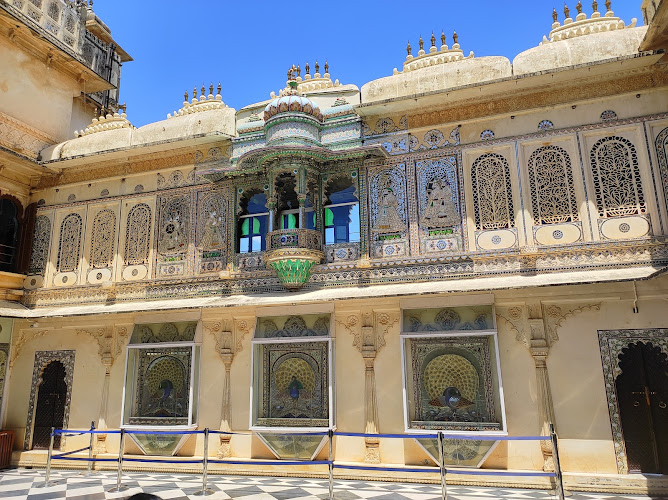
Bada Mahal

Manshapurn Karni mata Ropeway Udaipur
Find Accommodations Nearby
Recommended Tours & Activities
Visitor Reviews
There are no reviews yet. Be the first one to write one.
Share Your Experience
Have you visited Hall Of Heroes? Help other travelers by leaving a review.