About Bada Mahal

Description

Bada Mahal stands as one of those places that catches you off guard in the best possible way. I'll admit, when I first heard about it, I wasn't entirely sure what to expect—another museum tucked inside a city palace, perhaps just another stop on the tourist circuit. But here's the thing: this place has real substance behind its historic walls. The palace turned museum offers visitors a genuine glimpse into royal heritage that feels far less staged than many similar attractions. Walking through these corridors, you get the sense that people actually lived here, made decisions here, celebrated and mourned here. It's not just a collection of artifacts behind velvet ropes (though there are plenty of those too). The architecture itself tells stories through every carved pillar and painted ceiling. What struck me most about Bada Mahal is how it manages to balance preservation with accessibility. Sure, it's part of a larger city palace complex, but it maintains its own distinct character. The curators have done solid work presenting the exhibits in ways that make sense even if you're not a history buff. And honestly? Kids seem to really enjoy it here, which says something about how engaging the presentations are. The palace showcases different aspects of royal life through carefully preserved rooms and galleries. You'll find everything from weaponry collections to textiles, from miniature paintings to household items that give you perspective on daily life in centuries past. It's comprehensive without being overwhelming—a tricky balance that many museums fail to achieve.

Key Features

  • Authentic palace architecture that's been remarkably well-preserved through the centuries, with original frescoes and decorative elements still visible throughout the complex
  • Extensive collection of royal artifacts including traditional weapons, ceremonial dress, and household items that paint a complete picture of palatial life
  • Kid-friendly exhibits and presentation style that makes history accessible for younger visitors—parents will actually appreciate not having to constantly shush their children
  • Miniature painting galleries featuring intricate artworks that showcase regional artistic traditions and craftsmanship
  • Photography opportunities galore, from detailed architectural elements to sweeping views of connected palace structures
  • Informative displays that provide context without drowning you in academic jargon—the explanations actually make sense to regular folks
  • Less crowded than many comparable attractions, allowing for a more contemplative and personal experience
  • Textile and costume collections that demonstrate the evolution of royal fashion and the incredible skills of traditional artisans
  • Courtyard spaces that offer respite from the indoor galleries and photo spots that capture the palace's exterior beauty
  • Well-maintained facilities that show respect both for the heritage site and for visitors' comfort needs

Best Time to Visit

Here's where practical considerations really matter. The absolute best time to visit Bada Mahal runs from October through March, when temperatures are manageable and you won't feel like you're melting while exploring. I've visited museums during scorching summer months before, and let me tell you—it doesn't matter how fascinating the exhibits are if you're primarily focused on finding the next shaded spot. Winter months bring pleasant daytime temperatures perfect for wandering through both indoor galleries and outdoor courtyards. Mornings between 10 AM and noon offer the sweet spot where lighting is excellent for photography but crowds haven't peaked yet. The palace tends to get busier after lunch when tour groups arrive. If you're traveling during peak tourist season (November-February), consider visiting on weekdays rather than weekends. The difference in crowd levels is noticeable, and you'll have much more space to appreciate the exhibits at your own pace. Plus, weekday visits often mean better opportunities to ask questions of the staff without competing for their attention. Monsoon season (July-September) presents a mixed bag. On one hand, the palace looks absolutely stunning with rain-washed walls and dramatic skies. On the other hand, outdoor portions might be less accessible, and humidity can make the experience less comfortable. But if you don't mind occasional showers and prefer fewer tourists, it's actually not a bad option. Avoid visiting during major festivals or public holidays unless you genuinely enjoy navigating through packed spaces. The museum sees significant local visitor traffic during these times, which is wonderful for cultural atmosphere but challenging if you prefer a quieter experience. Early mornings right when they open? That's your golden hour. Seriously, that first hour of operation often sees maybe a third of the visitors you'd encounter later. The light streaming through windows hits exhibits differently, and you can actually hear your own footsteps echoing through the halls.

How to Get There

Getting to Bada Mahal doesn't require elaborate planning or adventure skills, which is refreshing. As part of a city palace complex, it benefits from being relatively centralized and well-connected to major transportation routes. Auto-rickshaws remain the most popular and practical option for most travelers. They're affordable, drivers generally know the location well, and you avoid parking headaches. Just make sure the driver understands you want the specific palace entrance—city palace complexes can be sprawling, and you don't want to end up at the wrong gate walking extra distances in the heat. For those preferring taxi services or ride-sharing apps, the destination is easily searchable and drivers recognize it immediately. The advantage here is fixed pricing and air conditioning, which matters more than you'd think on warmer days. Local buses serve the area, though this option works best if you're comfortable navigating public transportation systems and don't mind potentially crowded rides. It's definitely the most budget-friendly approach, and honestly, riding local buses gives you street-level perspectives on daily life that air-conditioned cars don't provide. If you're staying in the old city area, walking might actually be your best bet. The palace sits within reasonable walking distance of many heritage hotels and guesthouses. Morning walks through old city streets offer their own rewards—street food vendors, local shops, architectural details you'd miss from vehicle windows. Parking is available for those who've rented vehicles, though spaces fill up during peak hours. Arrive early if you're driving yourself, and be prepared for some creative parking configurations that would make driving instructors nervous.

Tips for Visiting

Comfortable footwear isn't just recommended—it's mandatory. You'll be doing more walking than you probably anticipate, often on uneven historic floors. Those cute sandals that seemed perfect for your trip? Leave them at the hotel for this particular outing. Your feet will thank you around hour two. Bring water, but check current policies on where you can drink it. Most museums restrict food and beverages in gallery spaces, which makes sense for preservation purposes. But staying hydrated matters, especially if you're visiting during warmer months. There are usually designated areas where you can take water breaks. Photography rules deserve attention before you start snapping away. Some areas allow it freely, others restrict flash photography, and certain sections might prohibit cameras altogether. Asking upfront saves you from embarrassing moments with security staff. And honestly? Sometimes just experiencing something with your eyes instead of through a camera lens enhances the memory anyway. Plan for at least two to three hours to properly explore the museum. Sure, you could rush through in an hour, but what's the point? The best exhibits reveal their depth only when you give them time. I've noticed that the difference between a satisfying museum visit and a forgettable one often comes down to whether you allowed enough time to actually absorb what you're seeing. Guided tours are available and generally worth considering, particularly if you're interested in stories behind the artifacts. Good guides connect dots that wall plaques can't, sharing anecdotes and historical context that brings everything to life. But if you prefer exploring independently, the displays are clear enough to navigate solo. Dress modestly and respectfully—this is still a heritage site with cultural significance. Covering shoulders and knees isn't just about following rules; it's about showing respect for the place and its history. Plus, it'll make you more comfortable in spaces where traditional sensibilities are maintained. Watch for special exhibitions or events that might coincide with your visit. Sometimes the palace hosts temporary displays, cultural programs, or festivals that add extra dimensions to the standard museum experience. Checking their schedule beforehand can turn a good visit into a memorable one. Bathrooms are available but not necessarily numerous, so plan accordingly. This is practical advice that saves awkward situations—use facilities when you encounter them rather than assuming another will appear soon. The gift shop, if there is one, actually contains some decent items beyond typical tourist trinkets. Look for books about the palace history or regional crafts that make meaningful souvenirs rather than dust collectors. Finally, take breaks. Museum fatigue is real, and your brain can only absorb so much historical information before everything blurs together. Those courtyard spaces exist partly for this reason—use them to reset your attention span before diving into the next gallery.

Key Features

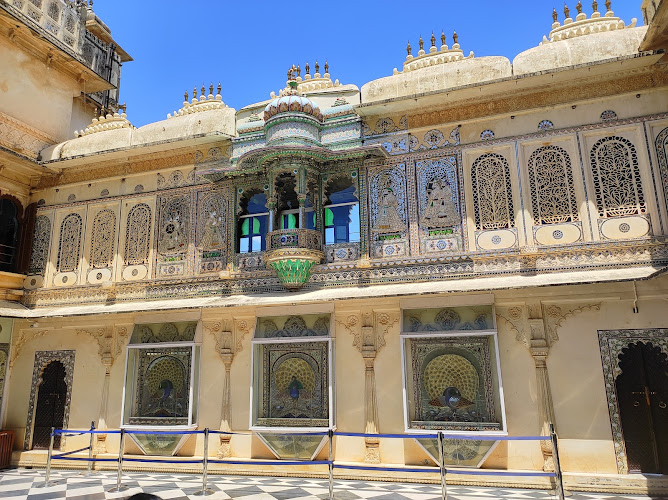
  • 17th-century Rajput-Mughal architecture and fresco fragments
  • Terraced garden setting and private pleasure-palace layout
  • Elevated viewpoints offering panoramic views of Udaipur and its lakes
  • Small museum galleries with royal-era artifacts and decorative pieces
  • Less-crowded, intimate atmosphere within the larger City Palace area

More Details

Updated January 17, 2026

Description

Bada Mahal stands as one of those places that catches you off guard in the best possible way. I’ll admit, when I first heard about it, I wasn’t entirely sure what to expect—another museum tucked inside a city palace, perhaps just another stop on the tourist circuit. But here’s the thing: this place has real substance behind its historic walls.

The palace turned museum offers visitors a genuine glimpse into royal heritage that feels far less staged than many similar attractions. Walking through these corridors, you get the sense that people actually lived here, made decisions here, celebrated and mourned here. It’s not just a collection of artifacts behind velvet ropes (though there are plenty of those too). The architecture itself tells stories through every carved pillar and painted ceiling.

What struck me most about Bada Mahal is how it manages to balance preservation with accessibility. Sure, it’s part of a larger city palace complex, but it maintains its own distinct character. The curators have done solid work presenting the exhibits in ways that make sense even if you’re not a history buff. And honestly? Kids seem to really enjoy it here, which says something about how engaging the presentations are.

The palace showcases different aspects of royal life through carefully preserved rooms and galleries. You’ll find everything from weaponry collections to textiles, from miniature paintings to household items that give you perspective on daily life in centuries past. It’s comprehensive without being overwhelming—a tricky balance that many museums fail to achieve.

Key Features

  • Authentic palace architecture that’s been remarkably well-preserved through the centuries, with original frescoes and decorative elements still visible throughout the complex
  • Extensive collection of royal artifacts including traditional weapons, ceremonial dress, and household items that paint a complete picture of palatial life
  • Kid-friendly exhibits and presentation style that makes history accessible for younger visitors—parents will actually appreciate not having to constantly shush their children
  • Miniature painting galleries featuring intricate artworks that showcase regional artistic traditions and craftsmanship
  • Photography opportunities galore, from detailed architectural elements to sweeping views of connected palace structures
  • Informative displays that provide context without drowning you in academic jargon—the explanations actually make sense to regular folks
  • Less crowded than many comparable attractions, allowing for a more contemplative and personal experience
  • Textile and costume collections that demonstrate the evolution of royal fashion and the incredible skills of traditional artisans
  • Courtyard spaces that offer respite from the indoor galleries and photo spots that capture the palace’s exterior beauty
  • Well-maintained facilities that show respect both for the heritage site and for visitors’ comfort needs

Best Time to Visit

Here’s where practical considerations really matter. The absolute best time to visit Bada Mahal runs from October through March, when temperatures are manageable and you won’t feel like you’re melting while exploring. I’ve visited museums during scorching summer months before, and let me tell you—it doesn’t matter how fascinating the exhibits are if you’re primarily focused on finding the next shaded spot.

Winter months bring pleasant daytime temperatures perfect for wandering through both indoor galleries and outdoor courtyards. Mornings between 10 AM and noon offer the sweet spot where lighting is excellent for photography but crowds haven’t peaked yet. The palace tends to get busier after lunch when tour groups arrive.

If you’re traveling during peak tourist season (November-February), consider visiting on weekdays rather than weekends. The difference in crowd levels is noticeable, and you’ll have much more space to appreciate the exhibits at your own pace. Plus, weekday visits often mean better opportunities to ask questions of the staff without competing for their attention.

Monsoon season (July-September) presents a mixed bag. On one hand, the palace looks absolutely stunning with rain-washed walls and dramatic skies. On the other hand, outdoor portions might be less accessible, and humidity can make the experience less comfortable. But if you don’t mind occasional showers and prefer fewer tourists, it’s actually not a bad option.

Avoid visiting during major festivals or public holidays unless you genuinely enjoy navigating through packed spaces. The museum sees significant local visitor traffic during these times, which is wonderful for cultural atmosphere but challenging if you prefer a quieter experience.

Early mornings right when they open? That’s your golden hour. Seriously, that first hour of operation often sees maybe a third of the visitors you’d encounter later. The light streaming through windows hits exhibits differently, and you can actually hear your own footsteps echoing through the halls.

How to Get There

Getting to Bada Mahal doesn’t require elaborate planning or adventure skills, which is refreshing. As part of a city palace complex, it benefits from being relatively centralized and well-connected to major transportation routes.

Auto-rickshaws remain the most popular and practical option for most travelers. They’re affordable, drivers generally know the location well, and you avoid parking headaches. Just make sure the driver understands you want the specific palace entrance—city palace complexes can be sprawling, and you don’t want to end up at the wrong gate walking extra distances in the heat.

For those preferring taxi services or ride-sharing apps, the destination is easily searchable and drivers recognize it immediately. The advantage here is fixed pricing and air conditioning, which matters more than you’d think on warmer days.

Local buses serve the area, though this option works best if you’re comfortable navigating public transportation systems and don’t mind potentially crowded rides. It’s definitely the most budget-friendly approach, and honestly, riding local buses gives you street-level perspectives on daily life that air-conditioned cars don’t provide.

If you’re staying in the old city area, walking might actually be your best bet. The palace sits within reasonable walking distance of many heritage hotels and guesthouses. Morning walks through old city streets offer their own rewards—street food vendors, local shops, architectural details you’d miss from vehicle windows.

Parking is available for those who’ve rented vehicles, though spaces fill up during peak hours. Arrive early if you’re driving yourself, and be prepared for some creative parking configurations that would make driving instructors nervous.

Tips for Visiting

Comfortable footwear isn’t just recommended—it’s mandatory. You’ll be doing more walking than you probably anticipate, often on uneven historic floors. Those cute sandals that seemed perfect for your trip? Leave them at the hotel for this particular outing. Your feet will thank you around hour two.

Bring water, but check current policies on where you can drink it. Most museums restrict food and beverages in gallery spaces, which makes sense for preservation purposes. But staying hydrated matters, especially if you’re visiting during warmer months. There are usually designated areas where you can take water breaks.

Photography rules deserve attention before you start snapping away. Some areas allow it freely, others restrict flash photography, and certain sections might prohibit cameras altogether. Asking upfront saves you from embarrassing moments with security staff. And honestly? Sometimes just experiencing something with your eyes instead of through a camera lens enhances the memory anyway.

Plan for at least two to three hours to properly explore the museum. Sure, you could rush through in an hour, but what’s the point? The best exhibits reveal their depth only when you give them time. I’ve noticed that the difference between a satisfying museum visit and a forgettable one often comes down to whether you allowed enough time to actually absorb what you’re seeing.

Guided tours are available and generally worth considering, particularly if you’re interested in stories behind the artifacts. Good guides connect dots that wall plaques can’t, sharing anecdotes and historical context that brings everything to life. But if you prefer exploring independently, the displays are clear enough to navigate solo.

Dress modestly and respectfully—this is still a heritage site with cultural significance. Covering shoulders and knees isn’t just about following rules; it’s about showing respect for the place and its history. Plus, it’ll make you more comfortable in spaces where traditional sensibilities are maintained.

Watch for special exhibitions or events that might coincide with your visit. Sometimes the palace hosts temporary displays, cultural programs, or festivals that add extra dimensions to the standard museum experience. Checking their schedule beforehand can turn a good visit into a memorable one.

Bathrooms are available but not necessarily numerous, so plan accordingly. This is practical advice that saves awkward situations—use facilities when you encounter them rather than assuming another will appear soon.

The gift shop, if there is one, actually contains some decent items beyond typical tourist trinkets. Look for books about the palace history or regional crafts that make meaningful souvenirs rather than dust collectors.

Finally, take breaks. Museum fatigue is real, and your brain can only absorb so much historical information before everything blurs together. Those courtyard spaces exist partly for this reason—use them to reset your attention span before diving into the next gallery.

Key Highlights

  • 17th-century Rajput-Mughal architecture and fresco fragments
  • Terraced garden setting and private pleasure-palace layout
  • Elevated viewpoints offering panoramic views of Udaipur and its lakes
  • Small museum galleries with royal-era artifacts and decorative pieces
  • Less-crowded, intimate atmosphere within the larger City Palace area

Location

Places to Stay Near Bada Mahal

Find and Book a Tour

Explore More Travel Guides

No reviews found! Be the first to review!

Traveler Reviews for Bada Mahal

There are no reviews yet. Be the first one to write one.

Share Your Experience

Have you visited Bada Mahal? Help other travelers by sharing your review.

Nearby Attractions

City Palace, Udaipur Jag Mandir / Lake Pichola boat rides Bagore Ki Haveli

Find Accommodations Nearby

Recommended Tours & Activities

Visitor Reviews

There are no reviews yet. Be the first one to write one.

Share Your Experience

Have you visited Bada Mahal? Help other travelers by leaving a review.