
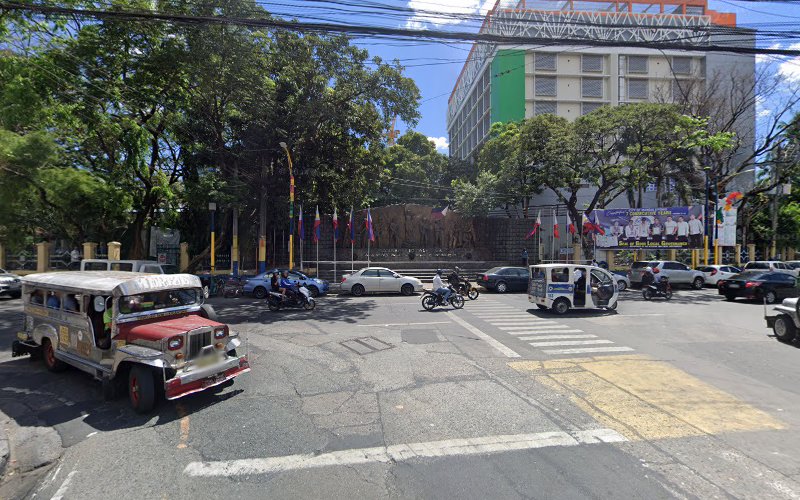
Mandaluyong Martyrs Memorial
About Mandaluyong Martyrs Memorial
Description
The Mandaluyong Martyrs Memorial stands as a powerful reminder of the Philippines' complex history, particularly during one of the nation's darkest periods. This memorial park honors those who lost their lives fighting for freedom and democracy, making it more than just another green space in Metro Manila—it's a place where history breathes through every monument and pathway. When you visit this memorial, you're stepping into a space that serves multiple purposes. Sure, it's technically classified as a park, but calling it just that doesn't really capture its essence. I've found that places like these often get overlooked by travelers who stick to the usual tourist circuits, and honestly, that's a shame because there's something deeply moving about standing where history was made. The memorial itself occupies a thoughtful layout that encourages both reflection and learning. Unlike the crowded tourist spots you'll find elsewhere in Manila, this space offers a different kind of experience—one that's quieter, more contemplative, and frankly, more meaningful if you're the type of traveler who wants to understand a place beyond its beaches and shopping malls. What strikes most visitors first is the solemnity of the space. And I don't mean that in a depressing way—it's more like the atmosphere commands respect. The monuments here tell stories of sacrifice and courage that shaped modern Philippines, and whether you're a history buff or just someone who appreciates good storytelling, these narratives will stick with you long after you've left. The park also serves the local community as a gathering space, which I think adds another layer to the experience. You might see students doing research, families taking walks, or elderly locals who remember the events commemorated here firsthand. That blend of memorial and living community space creates something special that you won't find in a museum behind glass cases.Key Features
- Historical Monuments and Markers – The memorial features several monuments dedicated to those who fought against oppression, each with inscriptions and plaques that provide context about the events and individuals being honored. These aren't just generic statues either; they're designed with intention and carry real emotional weight.
- Quiet Green Spaces – Between the monuments, you'll find well-maintained gardens and shaded areas perfect for sitting and processing what you've learned. The landscaping here is done with purpose, creating a peaceful environment that supports reflection.
- Educational Value – This memorial functions as an outdoor classroom where Philippine history comes alive. The information presented here fills in gaps that many history books gloss over, giving you a more complete picture of the country's journey toward democracy.
- Community Integration – Unlike some memorials that feel isolated or separate from daily life, this space integrates naturally into the local community's rhythm, offering insight into how Filipinos honor their past while moving forward.
- Accessible Layout – The park's design makes it easy to navigate, with clear pathways connecting different memorial sections. You won't need a guide to find your way around, though having one certainly enriches the experience.
- Photo-Worthy Monuments – For those who document their travels (and let's be honest, who doesn't these days?), the monuments provide striking subjects that tell stories through images.
- Local Atmosphere – Being in Mandaluyong rather than tourist-heavy areas gives you authentic exposure to everyday Filipino life, which is honestly what makes travel memorable anyway.
Best Time to Visit
Timing your visit to the Mandaluyong Martyrs Memorial requires considering both weather and your personal preferences for crowd levels. The dry season, which runs from November through April, offers the most comfortable conditions for walking around the memorial grounds. You won't be dealing with sudden downpours or that oppressive humidity that can make outdoor exploration feel like a workout. Early mornings, particularly between 7 and 9 AM, provide the best experience in my opinion. The temperature's still manageable, the light is beautiful for photographs, and you'll likely have more space to yourself for quiet contemplation. There's something about morning visits to memorials that just feels right—the day hasn't filled up with noise and distractions yet. But here's a thought: visiting during national holidays or commemoration days can actually enhance your experience if you don't mind crowds. These occasions often feature ceremonies, wreath-laying events, and sometimes speeches that provide additional context and emotional depth to what you're seeing. Just be prepared for larger groups and a different energy than you'd get during a regular weekday. Weekday afternoons between 2 and 4 PM tend to be quieter, though you'll be dealing with heat. If you can handle the temperature, you might find yourself nearly alone with the monuments, which creates a powerful, personal experience. I've always believed that some places reveal themselves differently when you have space to breathe and think without crowds pressing in. Avoid visiting during heavy rain season (June through October) unless you're prepared for sudden weather changes. Nothing dampens a memorial visit quite like scrambling for cover during a tropical downpour, and the grounds can get muddy and less pleasant to navigate. Special anniversaries related to the martyrs being commemorated might attract both ceremonies and larger crowds. Research these dates beforehand so you can decide whether you want to participate in communal remembrance or prefer a more solitary visit.How to Get There
Getting to the Mandaluyong Martyrs Memorial isn't complicated, though like anywhere in Metro Manila, traffic can turn a short trip into an odyssey. Your transportation options vary depending on where you're starting from and your comfort level with different modes of transit. If you're staying in Makati or nearby business districts, taking a ride-hailing service like Grab offers the most straightforward option. The drivers generally know the area well, and you won't need to navigate public transportation with luggage or worry about getting lost. Expect the fare to run between 100-200 pesos depending on distance and traffic conditions. For the more adventurous travelers who want authentic local experiences, the MRT (Metro Rail Transit) provides access to Mandaluyong. The Boni Avenue or Shaw Boulevard stations are your closest options, though you'll still need to take a short jeepney ride or tricycle to reach the memorial itself. This combination approach saves money and gives you real exposure to how locals move through the city. Jeepneys heading through Mandaluyong can drop you relatively close to the memorial—just tell the driver your destination and they'll let you know when to hop off. The fare's cheap (around 10-15 pesos), but be prepared for crowded conditions during rush hours. And honestly? The jeepney experience is something every visitor to the Philippines should try at least once. Tricycles work well for the final leg of your journey if you're coming from a nearby MRT station or main road. They're everywhere in Mandaluyong and drivers are usually familiar with local landmarks. Negotiate the fare before getting in—it should be around 20-50 pesos for short distances. If you're driving yourself (rental car or otherwise), parking can be limited depending on the day and time. Weekday mornings generally offer better parking availability than weekends when local families visit. For international visitors staying in tourist areas like Bonifacio Global City or Manila's hotel district, consider combining your memorial visit with other Mandaluyong attractions to make the trip more efficient. The city doesn't get as much tourist attention as it deserves, so you're already off the beaten path.Tips for Visiting
Approaching your visit to the Mandaluyong Martyrs Memorial with some preparation ensures a more meaningful and comfortable experience. These aren't just generic travel tips either—they're based on the specific nature of memorial visits and the local context. First off, dress respectfully. You don't need formal attire, but this isn't the place for beachwear or anything too revealing. Comfortable walking shoes are essential since you'll be on your feet exploring the grounds. The Philippines takes memorial spaces seriously, and showing respect through your appearance matters to locals. Bring water and maybe a small snack, but consume them away from the monuments themselves. There's usually shade where you can take a break, rehydrate, and rest without being disrespectful. The heat in Metro Manila can sneak up on you, especially if you're not used to tropical climates. Take your time reading the plaques and inscriptions. I know it's tempting to snap quick photos and move on, but the real value here lies in the stories being told. Sit with them for a bit. Let them sink in. You'll understand the Philippines better for it, and isn't that partly why we travel? If you're interested in deeper historical context, consider hiring a local guide or doing research beforehand. The monuments tell important stories, but having background knowledge transforms them from interesting artifacts into powerful narratives. There are usually locals around who remember the events being commemorated and sometimes they're willing to share their perspectives if you're respectful and genuinely interested. Photography is generally permitted, but approach it thoughtfully. This isn't Instagram background scenery—it's sacred space for many Filipinos. Take your photos, but don't pose disrespectfully or treat monuments as props. I've seen tourists do some pretty cringeworthy things at memorial sites, and it doesn't reflect well on any of us. Engage with locals if the opportunity arises naturally. Filipinos are generally friendly and often happy to discuss their history with respectful visitors. You might learn stories and perspectives that no guidebook includes. Some of my most memorable travel experiences have come from these spontaneous conversations. Watch your belongings, as you should anywhere in Metro Manila. The memorial itself is generally safe, but it's still an urban environment. Basic awareness and common sense go a long way. Consider visiting both alone and, if possible, with others. Solo visits offer space for personal reflection, while going with friends or other travelers allows for discussion and shared processing of what you're experiencing. Both approaches have value. Finally, take a moment before leaving to simply sit quietly and reflect on what you've learned. In our rush-rush travel culture, we often forget to actually process experiences. Give yourself that space. The memorial deserves it, the martyrs deserve it, and honestly, you deserve it too. The Mandaluyong Martyrs Memorial offers something rare in today's tourism landscape—a chance to connect with history on human terms, to understand struggle and sacrifice, and to see a side of the Philippines that extends far beyond tropical beaches and colonial architecture. It won't be the flashiest stop on your itinerary, but it might be among the most meaningful.Key Features
- Central commemorative monument and sculptural elements
- Engraved plaques listing names and historical details
- Landscaped garden and shaded seating for reflection
- Easy access from Boni Avenue and nearby transit routes
- Nearby civic landmarks and public spaces for combined visits
More Details
Updated January 18, 2026
Table of Contents
Description
The Mandaluyong Martyrs Memorial stands as a powerful reminder of the Philippines’ complex history, particularly during one of the nation’s darkest periods. This memorial park honors those who lost their lives fighting for freedom and democracy, making it more than just another green space in Metro Manila—it’s a place where history breathes through every monument and pathway.
When you visit this memorial, you’re stepping into a space that serves multiple purposes. Sure, it’s technically classified as a park, but calling it just that doesn’t really capture its essence. I’ve found that places like these often get overlooked by travelers who stick to the usual tourist circuits, and honestly, that’s a shame because there’s something deeply moving about standing where history was made.
The memorial itself occupies a thoughtful layout that encourages both reflection and learning. Unlike the crowded tourist spots you’ll find elsewhere in Manila, this space offers a different kind of experience—one that’s quieter, more contemplative, and frankly, more meaningful if you’re the type of traveler who wants to understand a place beyond its beaches and shopping malls.
What strikes most visitors first is the solemnity of the space. And I don’t mean that in a depressing way—it’s more like the atmosphere commands respect. The monuments here tell stories of sacrifice and courage that shaped modern Philippines, and whether you’re a history buff or just someone who appreciates good storytelling, these narratives will stick with you long after you’ve left.
The park also serves the local community as a gathering space, which I think adds another layer to the experience. You might see students doing research, families taking walks, or elderly locals who remember the events commemorated here firsthand. That blend of memorial and living community space creates something special that you won’t find in a museum behind glass cases.
Key Features
- Historical Monuments and Markers – The memorial features several monuments dedicated to those who fought against oppression, each with inscriptions and plaques that provide context about the events and individuals being honored. These aren’t just generic statues either; they’re designed with intention and carry real emotional weight.
- Quiet Green Spaces – Between the monuments, you’ll find well-maintained gardens and shaded areas perfect for sitting and processing what you’ve learned. The landscaping here is done with purpose, creating a peaceful environment that supports reflection.
- Educational Value – This memorial functions as an outdoor classroom where Philippine history comes alive. The information presented here fills in gaps that many history books gloss over, giving you a more complete picture of the country’s journey toward democracy.
- Community Integration – Unlike some memorials that feel isolated or separate from daily life, this space integrates naturally into the local community’s rhythm, offering insight into how Filipinos honor their past while moving forward.
- Accessible Layout – The park’s design makes it easy to navigate, with clear pathways connecting different memorial sections. You won’t need a guide to find your way around, though having one certainly enriches the experience.
- Photo-Worthy Monuments – For those who document their travels (and let’s be honest, who doesn’t these days?), the monuments provide striking subjects that tell stories through images.
- Local Atmosphere – Being in Mandaluyong rather than tourist-heavy areas gives you authentic exposure to everyday Filipino life, which is honestly what makes travel memorable anyway.
Best Time to Visit
Timing your visit to the Mandaluyong Martyrs Memorial requires considering both weather and your personal preferences for crowd levels. The dry season, which runs from November through April, offers the most comfortable conditions for walking around the memorial grounds. You won’t be dealing with sudden downpours or that oppressive humidity that can make outdoor exploration feel like a workout.
Early mornings, particularly between 7 and 9 AM, provide the best experience in my opinion. The temperature’s still manageable, the light is beautiful for photographs, and you’ll likely have more space to yourself for quiet contemplation. There’s something about morning visits to memorials that just feels right—the day hasn’t filled up with noise and distractions yet.
But here’s a thought: visiting during national holidays or commemoration days can actually enhance your experience if you don’t mind crowds. These occasions often feature ceremonies, wreath-laying events, and sometimes speeches that provide additional context and emotional depth to what you’re seeing. Just be prepared for larger groups and a different energy than you’d get during a regular weekday.
Weekday afternoons between 2 and 4 PM tend to be quieter, though you’ll be dealing with heat. If you can handle the temperature, you might find yourself nearly alone with the monuments, which creates a powerful, personal experience. I’ve always believed that some places reveal themselves differently when you have space to breathe and think without crowds pressing in.
Avoid visiting during heavy rain season (June through October) unless you’re prepared for sudden weather changes. Nothing dampens a memorial visit quite like scrambling for cover during a tropical downpour, and the grounds can get muddy and less pleasant to navigate.
Special anniversaries related to the martyrs being commemorated might attract both ceremonies and larger crowds. Research these dates beforehand so you can decide whether you want to participate in communal remembrance or prefer a more solitary visit.
How to Get There
Getting to the Mandaluyong Martyrs Memorial isn’t complicated, though like anywhere in Metro Manila, traffic can turn a short trip into an odyssey. Your transportation options vary depending on where you’re starting from and your comfort level with different modes of transit.
If you’re staying in Makati or nearby business districts, taking a ride-hailing service like Grab offers the most straightforward option. The drivers generally know the area well, and you won’t need to navigate public transportation with luggage or worry about getting lost. Expect the fare to run between 100-200 pesos depending on distance and traffic conditions.
For the more adventurous travelers who want authentic local experiences, the MRT (Metro Rail Transit) provides access to Mandaluyong. The Boni Avenue or Shaw Boulevard stations are your closest options, though you’ll still need to take a short jeepney ride or tricycle to reach the memorial itself. This combination approach saves money and gives you real exposure to how locals move through the city.
Jeepneys heading through Mandaluyong can drop you relatively close to the memorial—just tell the driver your destination and they’ll let you know when to hop off. The fare’s cheap (around 10-15 pesos), but be prepared for crowded conditions during rush hours. And honestly? The jeepney experience is something every visitor to the Philippines should try at least once.
Tricycles work well for the final leg of your journey if you’re coming from a nearby MRT station or main road. They’re everywhere in Mandaluyong and drivers are usually familiar with local landmarks. Negotiate the fare before getting in—it should be around 20-50 pesos for short distances.
If you’re driving yourself (rental car or otherwise), parking can be limited depending on the day and time. Weekday mornings generally offer better parking availability than weekends when local families visit.
For international visitors staying in tourist areas like Bonifacio Global City or Manila’s hotel district, consider combining your memorial visit with other Mandaluyong attractions to make the trip more efficient. The city doesn’t get as much tourist attention as it deserves, so you’re already off the beaten path.
Tips for Visiting
Approaching your visit to the Mandaluyong Martyrs Memorial with some preparation ensures a more meaningful and comfortable experience. These aren’t just generic travel tips either—they’re based on the specific nature of memorial visits and the local context.
First off, dress respectfully. You don’t need formal attire, but this isn’t the place for beachwear or anything too revealing. Comfortable walking shoes are essential since you’ll be on your feet exploring the grounds. The Philippines takes memorial spaces seriously, and showing respect through your appearance matters to locals.
Bring water and maybe a small snack, but consume them away from the monuments themselves. There’s usually shade where you can take a break, rehydrate, and rest without being disrespectful. The heat in Metro Manila can sneak up on you, especially if you’re not used to tropical climates.
Take your time reading the plaques and inscriptions. I know it’s tempting to snap quick photos and move on, but the real value here lies in the stories being told. Sit with them for a bit. Let them sink in. You’ll understand the Philippines better for it, and isn’t that partly why we travel?
If you’re interested in deeper historical context, consider hiring a local guide or doing research beforehand. The monuments tell important stories, but having background knowledge transforms them from interesting artifacts into powerful narratives. There are usually locals around who remember the events being commemorated and sometimes they’re willing to share their perspectives if you’re respectful and genuinely interested.
Photography is generally permitted, but approach it thoughtfully. This isn’t Instagram background scenery—it’s sacred space for many Filipinos. Take your photos, but don’t pose disrespectfully or treat monuments as props. I’ve seen tourists do some pretty cringeworthy things at memorial sites, and it doesn’t reflect well on any of us.
Engage with locals if the opportunity arises naturally. Filipinos are generally friendly and often happy to discuss their history with respectful visitors. You might learn stories and perspectives that no guidebook includes. Some of my most memorable travel experiences have come from these spontaneous conversations.
Watch your belongings, as you should anywhere in Metro Manila. The memorial itself is generally safe, but it’s still an urban environment. Basic awareness and common sense go a long way.
Consider visiting both alone and, if possible, with others. Solo visits offer space for personal reflection, while going with friends or other travelers allows for discussion and shared processing of what you’re experiencing. Both approaches have value.
Finally, take a moment before leaving to simply sit quietly and reflect on what you’ve learned. In our rush-rush travel culture, we often forget to actually process experiences. Give yourself that space. The memorial deserves it, the martyrs deserve it, and honestly, you deserve it too.
The Mandaluyong Martyrs Memorial offers something rare in today’s tourism landscape—a chance to connect with history on human terms, to understand struggle and sacrifice, and to see a side of the Philippines that extends far beyond tropical beaches and colonial architecture. It won’t be the flashiest stop on your itinerary, but it might be among the most meaningful.
Key Highlights
- Central commemorative monument and sculptural elements
- Engraved plaques listing names and historical details
- Landscaped garden and shaded seating for reflection
- Easy access from Boni Avenue and nearby transit routes
- Nearby civic landmarks and public spaces for combined visits
Location
Places to Stay Near Mandaluyong Martyrs Memorial
Find and Book a Tour
Explore More Travel Guides
No reviews found! Be the first to review!
Traveler Reviews for Mandaluyong Martyrs Memorial
There are no reviews yet. Be the first one to write one.
Have you visited Mandaluyong Martyrs Memorial? Help other travelers by sharing your review.
Nearby Attractions
You Might Also Like

Museo ng Kahapon ( Boni Mandaluyong)

San Roque de Mandaluyong Parish - Barangka Ilaya, Mandaluyong City (Archdiocese of Manila)
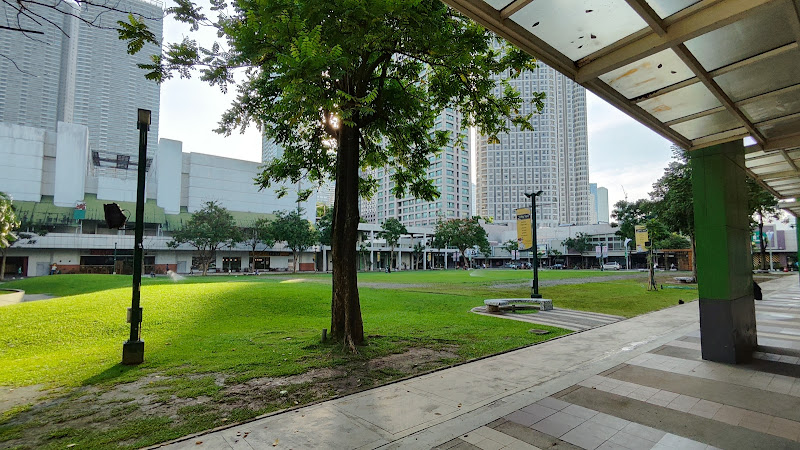
Greenfield District Central Park
Find Accommodations Nearby
Recommended Tours & Activities
Visitor Reviews
There are no reviews yet. Be the first one to write one.
Share Your Experience
Have you visited Mandaluyong Martyrs Memorial? Help other travelers by leaving a review.