

San Roque de Mandaluyong Parish – Barangka Ilaya, Mandaluyong City (Archdiocese of Manila)
About San Roque de Mandaluyong Parish – Barangka Ilaya, Mandaluyong City (Archdiocese of Manila)
Description
San Roque de Mandaluyong Parish stands as a spiritual anchor in the bustling Barangka Ilaya neighborhood, serving the faithful and curious travelers alike in Mandaluyong City. This Catholic church belongs to the Archdiocese of Manila and has become more than just a place of worship—it's genuinely become a cultural touchstone for both locals and visitors seeking a moment of peace amid the Metro Manila chaos. The church has this distinctive character that you won't find in every Manila parish. I remember visiting on a random Thursday afternoon, and the atmosphere was completely different from what you'd expect in such an urban setting. The parish welcomes everyone with open arms, whether you're there for spiritual reasons or simply to appreciate the religious architecture and community spirit that defines Filipino Catholicism. What makes San Roque particularly interesting for travelers is how it represents authentic local religious life rather than being primarily a tourist destination. You're not going to find crowds of tour groups here with their selfie sticks and matching hats. Instead, you'll encounter real parishioners going about their devotions, families lighting candles, and elderly ladies saying their rosaries—the genuine fabric of Filipino Catholic culture. The church operates regular mass schedules that accommodate the working population of Mandaluyong, which means you can often find services throughout the week. This accessibility makes it convenient for travelers who want to experience a Filipino mass without having to plan their entire itinerary around it.Key Features
San Roque de Mandaluyong Parish offers several noteworthy features that enhance the visitor experience:- Wheelchair Accessible Facilities: The parish has made genuine efforts to accommodate visitors with mobility challenges, featuring both accessible entrances and designated parking areas. This is honestly more than you'll find at many older Manila churches, showing the parish's commitment to inclusivity.
- Restroom Facilities: Available on-site, which might seem like a small thing until you're exploring Metro Manila and desperately need one. Trust me, this convenience shouldn't be underestimated.
- Regular Mass Schedules: Multiple services throughout the week cater to different schedules, making it easy for travelers to attend without major planning gymnastics.
- Community Atmosphere: The parish maintains a welcoming environment where visitors genuinely feel like guests rather than intruders, reflecting the Filipino hospitality that makes the country special.
- Urban Location: Situated in a residential and commercial area, the church provides an interesting contrast between sacred space and everyday city life.
- Active Parish Life: Beyond just Sunday services, the church hosts various religious activities, devotions, and community events that showcase living Catholic traditions.
- Devotional Opportunities: Various saints and devotions are represented within the church, allowing visitors to participate in specific Filipino Catholic practices.
Best Time to Visit
Timing your visit to San Roque de Mandaluyong Parish really depends on what kind of experience you're after, and I'll be honest—there's no single "perfect" time that works for everyone. For travelers wanting to experience the church at its most atmospheric, attending Sunday mass gives you the full Filipino Catholic experience. The church fills with families dressed in their Sunday best, the choir performs, and you'll witness the social aspect of parish life that's so central to Filipino culture. Sunday masses typically draw larger crowds, so arrive at least 15-20 minutes early if you want decent seating. Weekday masses offer a quieter, more contemplative experience. Early morning services attract dedicated parishioners—often older folks who've been attending the same mass time for decades. There's something beautifully meditative about these weekday gatherings that you just don't get on Sundays. If you're primarily interested in viewing the church and soaking in the atmosphere without attending a service, weekday afternoons work well. The church usually remains open for private prayer and visits, though you should be respectful of anyone praying or attending to their devotions. Special feast days and religious celebrations present unique opportunities. The Feast of San Roque, the parish's patron saint, brings festive energy with processions, special masses, and community celebrations. But be prepared—these events draw significant crowds. Weather-wise, visiting during the dry season from November through April makes the most practical sense. The church itself provides shelter from Manila's occasional downpours, but getting there during heavy rains can be challenging. And Metro Manila traffic during rainy season? That's a special kind of purgatory that even the saints might struggle with. Early mornings generally offer the calmest experience. The neighborhood hasn't fully woken up yet, parking is easier to find, and the church has this peaceful quality before the day's activities begin in earnest.How to Get There
Getting to San Roque de Mandaluyong Parish in Barangka Ilaya requires navigating Metro Manila's transport system, which can feel overwhelming but isn't impossible once you understand your options. The church sits in Mandaluyong City, which is relatively central in Metro Manila. If you're staying in Makati, Pasig, or other nearby cities, you're looking at a short journey. From farther areas like Quezon City or Manila proper, plan for longer travel times depending on traffic conditions. For travelers using ride-hailing services like Grab, simply input "San Roque de Mandaluyong Parish" or specify the Barangka Ilaya area. This is honestly the most straightforward option for visitors unfamiliar with Manila's public transport. The fare will vary based on your starting point and traffic conditions, but it removes the navigation stress. If you're feeling adventurous and want to experience local transport, jeepneys serve the Barangka area. Look for routes passing through Mandaluyong or specifically Barangka. You'll need to ask the driver or barker (the guy who collects fares and announces stops) to let you know when you're near the church. Don't be shy about asking—locals are generally helpful to confused-looking foreigners. The MRT-3 line doesn't directly serve the church, but you can take it to Shaw Boulevard or Boni Avenue stations, then catch a jeepney or tricycle for the remaining distance. This combination of rail and local transport gives you a more authentic Manila experience, though it takes longer than a direct Grab ride. Tricycles operate throughout Barangka Ilaya and can take you directly to the church from nearby transport hubs. These motorized three-wheelers are perfect for short distances and can navigate smaller streets that larger vehicles can't access. For those driving, the church has parking facilities including wheelchair-accessible spots. However, parking in this residential area can get tight, especially during peak mass times on Sundays. Weekday visits usually present fewer parking challenges. Navigation apps like Google Maps or Waze work reasonably well in Metro Manila, though occasionally they'll send you down one-way streets or through confusing subdivisions. Having a backup plan or asking locals never hurts.Tips for Visiting
Visiting San Roque de Mandaluyong Parish goes smoothly when you keep a few practical considerations in mind, and I've learned some of these the hard way. Dress modestly and respectfully. This is an active place of worship, not primarily a tourist attraction, so shorts, tank tops, and revealing clothing aren't appropriate. Filipinos take their church dress codes seriously, even if enforcement seems relaxed. When in doubt, cover your shoulders and knees. Silence your phone before entering. Better yet, put it on airplane mode. Nothing disrupts a quiet prayer moment quite like someone's ringtone blasting a pop song during mass. And while we're on phone etiquette—taking photos is generally acceptable in Catholic churches when done respectfully, but avoid flash photography during services and don't disturb people who are praying. If you attend mass without being Catholic, you're welcome to participate in everything except receiving communion. Just remain seated or in the pew during communion time. Nobody will judge you, and it's perfectly acceptable to attend mass for cultural or spiritual interest without being a practicing Catholic. Bring small bills if you plan to light candles or make a donation. The church accepts contributions for candles and has collection baskets during mass, but they typically can't break large bills. Twenty peso coins or bills work well for candle offerings. Arrive early for Sunday masses, especially during special celebrations. The church fills up, and arriving late means standing in the back or even outside. Locals have their regular spots, and you'll feel less awkward if you're settled before the service begins. The restroom facilities are available, but bringing tissues or hand sanitizer provides backup since supplies sometimes run low, particularly during well-attended masses. Be respectful of devotional practices you might not understand. You'll see people touching statues, kneeling on hard floors, or performing gestures that might seem unfamiliar. These are meaningful religious expressions, not performances for observation. If you visit during hot weather—which is most of the year in Manila—the church provides relief from the heat, but it might not be fully air-conditioned. Bringing a fan or handkerchief helps you stay comfortable during longer services. Connect with locals if you're curious about traditions or practices. Filipinos are generally friendly and happy to explain their faith traditions to genuinely interested visitors. The parish community welcomes questions asked respectfully. Plan extra time for your visit. Metro Manila traffic is unpredictable, and what should be a 20-minute journey can easily become an hour during rush periods. Building buffer time into your schedule prevents stressful rushing. Combining your church visit with exploring the surrounding Barangka area gives you a fuller sense of local life. Small eateries, bakeries, and shops in the neighborhood offer authentic experiences beyond what typical tourist areas provide. Check the mass schedule before visiting if you want to attend a service rather than just view the church. Schedules can occasionally change for special events or holidays, and confirming timing prevents wasted trips. Finally, approach your visit with openness and respect. San Roque de Mandaluyong Parish isn't going to overwhelm you with grandeur like Manila Cathedral or the baroque churches in other parts of the Philippines. What it offers instead is authentic, lived religious experience—a window into how faith shapes daily life for ordinary Filipinos in Metro Manila's urban landscape.Key Features
- Devotion to St. Roch (San Roque) with annual fiesta on August 16
- Active parish life with daily and weekend masses
- Accessible neighborhood location in Barangka Ilaya, Mandaluyong City
- Modest but well-maintained interiors and devotional imagery
- Community events and sacramental services reflecting local Filipino Catholic traditions
More Details
Updated January 18, 2026
Table of Contents
- Description
- Key Features
- Best Time to Visit
- How to Get There
- Tips for Visiting
- Key Highlights
- Location
- Places to Stay Near San Roque de Mandaluyong Parish - Barangka Ilaya, Mandaluyong City (Archdiocese of Manila)
- Find and Book a Tour
- Explore More Travel Guides
- Nearby Places You Might Like
- Traveler Reviews for San Roque de Mandaluyong Parish – Barangka Ilaya, Mandaluyong City (Archdiocese of Manila)
- Share Your Experience
Description
San Roque de Mandaluyong Parish stands as a spiritual anchor in the bustling Barangka Ilaya neighborhood, serving the faithful and curious travelers alike in Mandaluyong City. This Catholic church belongs to the Archdiocese of Manila and has become more than just a place of worship—it’s genuinely become a cultural touchstone for both locals and visitors seeking a moment of peace amid the Metro Manila chaos.
The church has this distinctive character that you won’t find in every Manila parish. I remember visiting on a random Thursday afternoon, and the atmosphere was completely different from what you’d expect in such an urban setting. The parish welcomes everyone with open arms, whether you’re there for spiritual reasons or simply to appreciate the religious architecture and community spirit that defines Filipino Catholicism.
What makes San Roque particularly interesting for travelers is how it represents authentic local religious life rather than being primarily a tourist destination. You’re not going to find crowds of tour groups here with their selfie sticks and matching hats. Instead, you’ll encounter real parishioners going about their devotions, families lighting candles, and elderly ladies saying their rosaries—the genuine fabric of Filipino Catholic culture.
The church operates regular mass schedules that accommodate the working population of Mandaluyong, which means you can often find services throughout the week. This accessibility makes it convenient for travelers who want to experience a Filipino mass without having to plan their entire itinerary around it.
Key Features
San Roque de Mandaluyong Parish offers several noteworthy features that enhance the visitor experience:
- Wheelchair Accessible Facilities: The parish has made genuine efforts to accommodate visitors with mobility challenges, featuring both accessible entrances and designated parking areas. This is honestly more than you’ll find at many older Manila churches, showing the parish’s commitment to inclusivity.
- Restroom Facilities: Available on-site, which might seem like a small thing until you’re exploring Metro Manila and desperately need one. Trust me, this convenience shouldn’t be underestimated.
- Regular Mass Schedules: Multiple services throughout the week cater to different schedules, making it easy for travelers to attend without major planning gymnastics.
- Community Atmosphere: The parish maintains a welcoming environment where visitors genuinely feel like guests rather than intruders, reflecting the Filipino hospitality that makes the country special.
- Urban Location: Situated in a residential and commercial area, the church provides an interesting contrast between sacred space and everyday city life.
- Active Parish Life: Beyond just Sunday services, the church hosts various religious activities, devotions, and community events that showcase living Catholic traditions.
- Devotional Opportunities: Various saints and devotions are represented within the church, allowing visitors to participate in specific Filipino Catholic practices.
Best Time to Visit
Timing your visit to San Roque de Mandaluyong Parish really depends on what kind of experience you’re after, and I’ll be honest—there’s no single “perfect” time that works for everyone.
For travelers wanting to experience the church at its most atmospheric, attending Sunday mass gives you the full Filipino Catholic experience. The church fills with families dressed in their Sunday best, the choir performs, and you’ll witness the social aspect of parish life that’s so central to Filipino culture. Sunday masses typically draw larger crowds, so arrive at least 15-20 minutes early if you want decent seating.
Weekday masses offer a quieter, more contemplative experience. Early morning services attract dedicated parishioners—often older folks who’ve been attending the same mass time for decades. There’s something beautifully meditative about these weekday gatherings that you just don’t get on Sundays.
If you’re primarily interested in viewing the church and soaking in the atmosphere without attending a service, weekday afternoons work well. The church usually remains open for private prayer and visits, though you should be respectful of anyone praying or attending to their devotions.
Special feast days and religious celebrations present unique opportunities. The Feast of San Roque, the parish’s patron saint, brings festive energy with processions, special masses, and community celebrations. But be prepared—these events draw significant crowds.
Weather-wise, visiting during the dry season from November through April makes the most practical sense. The church itself provides shelter from Manila’s occasional downpours, but getting there during heavy rains can be challenging. And Metro Manila traffic during rainy season? That’s a special kind of purgatory that even the saints might struggle with.
Early mornings generally offer the calmest experience. The neighborhood hasn’t fully woken up yet, parking is easier to find, and the church has this peaceful quality before the day’s activities begin in earnest.
How to Get There
Getting to San Roque de Mandaluyong Parish in Barangka Ilaya requires navigating Metro Manila’s transport system, which can feel overwhelming but isn’t impossible once you understand your options.
The church sits in Mandaluyong City, which is relatively central in Metro Manila. If you’re staying in Makati, Pasig, or other nearby cities, you’re looking at a short journey. From farther areas like Quezon City or Manila proper, plan for longer travel times depending on traffic conditions.
For travelers using ride-hailing services like Grab, simply input “San Roque de Mandaluyong Parish” or specify the Barangka Ilaya area. This is honestly the most straightforward option for visitors unfamiliar with Manila’s public transport. The fare will vary based on your starting point and traffic conditions, but it removes the navigation stress.
If you’re feeling adventurous and want to experience local transport, jeepneys serve the Barangka area. Look for routes passing through Mandaluyong or specifically Barangka. You’ll need to ask the driver or barker (the guy who collects fares and announces stops) to let you know when you’re near the church. Don’t be shy about asking—locals are generally helpful to confused-looking foreigners.
The MRT-3 line doesn’t directly serve the church, but you can take it to Shaw Boulevard or Boni Avenue stations, then catch a jeepney or tricycle for the remaining distance. This combination of rail and local transport gives you a more authentic Manila experience, though it takes longer than a direct Grab ride.
Tricycles operate throughout Barangka Ilaya and can take you directly to the church from nearby transport hubs. These motorized three-wheelers are perfect for short distances and can navigate smaller streets that larger vehicles can’t access.
For those driving, the church has parking facilities including wheelchair-accessible spots. However, parking in this residential area can get tight, especially during peak mass times on Sundays. Weekday visits usually present fewer parking challenges.
Navigation apps like Google Maps or Waze work reasonably well in Metro Manila, though occasionally they’ll send you down one-way streets or through confusing subdivisions. Having a backup plan or asking locals never hurts.
Tips for Visiting
Visiting San Roque de Mandaluyong Parish goes smoothly when you keep a few practical considerations in mind, and I’ve learned some of these the hard way.
Dress modestly and respectfully. This is an active place of worship, not primarily a tourist attraction, so shorts, tank tops, and revealing clothing aren’t appropriate. Filipinos take their church dress codes seriously, even if enforcement seems relaxed. When in doubt, cover your shoulders and knees.
Silence your phone before entering. Better yet, put it on airplane mode. Nothing disrupts a quiet prayer moment quite like someone’s ringtone blasting a pop song during mass. And while we’re on phone etiquette—taking photos is generally acceptable in Catholic churches when done respectfully, but avoid flash photography during services and don’t disturb people who are praying.
If you attend mass without being Catholic, you’re welcome to participate in everything except receiving communion. Just remain seated or in the pew during communion time. Nobody will judge you, and it’s perfectly acceptable to attend mass for cultural or spiritual interest without being a practicing Catholic.
Bring small bills if you plan to light candles or make a donation. The church accepts contributions for candles and has collection baskets during mass, but they typically can’t break large bills. Twenty peso coins or bills work well for candle offerings.
Arrive early for Sunday masses, especially during special celebrations. The church fills up, and arriving late means standing in the back or even outside. Locals have their regular spots, and you’ll feel less awkward if you’re settled before the service begins.
The restroom facilities are available, but bringing tissues or hand sanitizer provides backup since supplies sometimes run low, particularly during well-attended masses.
Be respectful of devotional practices you might not understand. You’ll see people touching statues, kneeling on hard floors, or performing gestures that might seem unfamiliar. These are meaningful religious expressions, not performances for observation.
If you visit during hot weather—which is most of the year in Manila—the church provides relief from the heat, but it might not be fully air-conditioned. Bringing a fan or handkerchief helps you stay comfortable during longer services.
Connect with locals if you’re curious about traditions or practices. Filipinos are generally friendly and happy to explain their faith traditions to genuinely interested visitors. The parish community welcomes questions asked respectfully.
Plan extra time for your visit. Metro Manila traffic is unpredictable, and what should be a 20-minute journey can easily become an hour during rush periods. Building buffer time into your schedule prevents stressful rushing.
Combining your church visit with exploring the surrounding Barangka area gives you a fuller sense of local life. Small eateries, bakeries, and shops in the neighborhood offer authentic experiences beyond what typical tourist areas provide.
Check the mass schedule before visiting if you want to attend a service rather than just view the church. Schedules can occasionally change for special events or holidays, and confirming timing prevents wasted trips.
Finally, approach your visit with openness and respect. San Roque de Mandaluyong Parish isn’t going to overwhelm you with grandeur like Manila Cathedral or the baroque churches in other parts of the Philippines. What it offers instead is authentic, lived religious experience—a window into how faith shapes daily life for ordinary Filipinos in Metro Manila’s urban landscape.
Key Highlights
- Devotion to St. Roch (San Roque) with annual fiesta on August 16
- Active parish life with daily and weekend masses
- Accessible neighborhood location in Barangka Ilaya, Mandaluyong City
- Modest but well-maintained interiors and devotional imagery
- Community events and sacramental services reflecting local Filipino Catholic traditions
Location
Places to Stay Near San Roque de Mandaluyong Parish - Barangka Ilaya, Mandaluyong City (Archdiocese of Manila)
Find and Book a Tour
Explore More Travel Guides
No reviews found! Be the first to review!
Traveler Reviews for San Roque de Mandaluyong Parish – Barangka Ilaya, Mandaluyong City (Archdiocese of Manila)
There are no reviews yet. Be the first one to write one.
Have you visited San Roque de Mandaluyong Parish – Barangka Ilaya, Mandaluyong City (Archdiocese of Manila)? Help other travelers by sharing your review.
Nearby Attractions
You Might Also Like
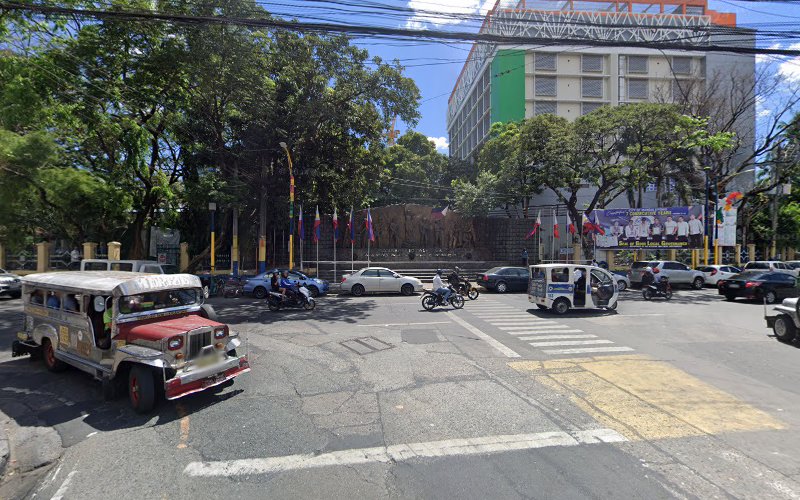
Mandaluyong Martyrs Memorial
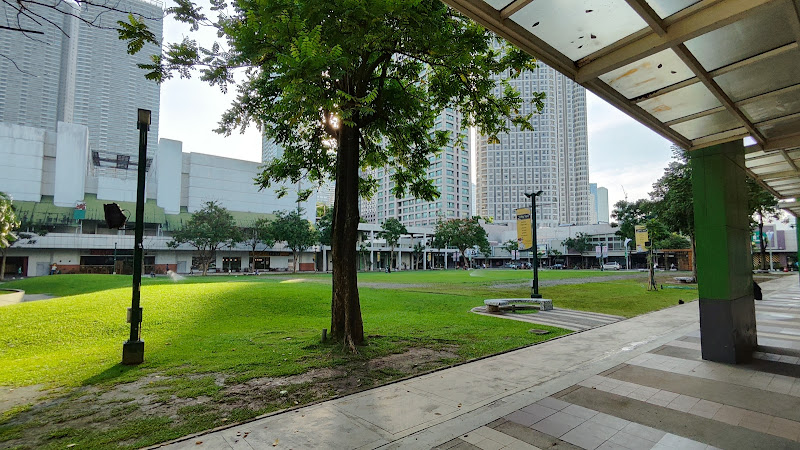
Greenfield District Central Park
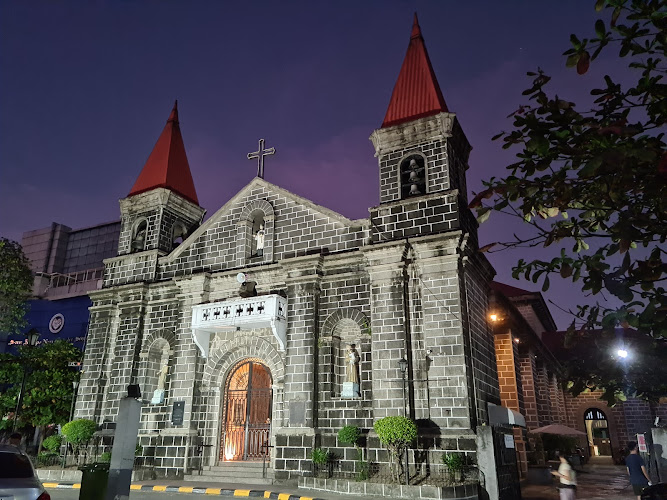
San Felipe Neri Parish Church - Poblacion, Mandaluyong City (Archdiocese of Manila)
Find Accommodations Nearby
Recommended Tours & Activities
Visitor Reviews
There are no reviews yet. Be the first one to write one.
Share Your Experience
Have you visited San Roque de Mandaluyong Parish – Barangka Ilaya, Mandaluyong City (Archdiocese of Manila)? Help other travelers by leaving a review.