

Museo ng Kahapon ( Boni Mandaluyong)
About Museo ng Kahapon ( Boni Mandaluyong)
Description
Museo ng Kahapon sits in Boni, Mandaluyong, offering travelers a glimpse into Philippine history through its carefully curated collection of artifacts and memorabilia. The museum operates with a personal touch that you won't find in the massive, sterile institutions that dominate most tourist circuits. Walking through its doors feels less like entering a formal educational space and more like stepping into someone's carefully preserved memories of the Philippines. The collection spans various periods of Philippine history, focusing particularly on everyday items that defined life in earlier decades. You'll encounter vintage household objects, old photographs, traditional clothing, and cultural artifacts that paint a picture of how Filipinos lived before the digital age transformed everything. It's the kind of place where your grandparents might get teary-eyed pointing at objects they remember from their childhood, while younger visitors scratch their heads wondering how people ever managed without smartphones. The museum's intimate scale actually works in its favor. Unlike sprawling institutions where you need a full day and comfortable shoes to see everything, Museo ng Kahapon presents its collection in a manageable space that doesn't overwhelm. This makes it particularly suitable for families with children who might get restless in larger venues. And speaking from experience, kids do get fascinated when they see what their great-grandparents used for entertainment before Netflix existed. The place maintains an educational mission but avoids being preachy about it. Displays are arranged thoughtfully, though visitors should note that this isn't a high-tech, interactive museum with fancy digital displays and augmented reality features. It's old-school in the best sense – real objects behind glass, explanatory cards, and the opportunity to actually contemplate what you're seeing without constant multimedia stimulation demanding your attention.Key Features
The museum's distinctive characteristics make it worth considering for travelers seeking authentic cultural experiences: • Historical artifacts spanning multiple decades of Philippine life, with particular emphasis on the pre-martial law era and earlier periods • Collections of vintage household items including kitchen utensils, furniture, and decorative pieces that showcase Filipino domestic life • Traditional Filipino clothing and textiles representing different regions and social classes throughout history • Photographic archives documenting Manila and surrounding areas during earlier periods of development • Educational displays appropriate for children, making it a family-friendly destination that works for multi-generational travel groups • Relatively compact exhibition space that allows for a complete visit within 1-2 hours, perfect for travelers with packed itineraries • Located in Boni, Mandaluyong, an area that's accessible but less touristy than typical Manila attractions • Intimate atmosphere that encourages closer examination of exhibits without the crowds found at major museums • Focus on everyday objects rather than exclusively highlighting elite or ceremonial items, providing a more democratic view of history • Good for kids according to visitor assessments, though parents should gauge their children's interest in historical topicsBest Time to Visit
Timing your visit to Museo ng Kahapon requires considering several factors that'll affect your experience. The museum operates on standard business hours during weekdays, which actually presents travelers with options depending on your schedule and crowd preferences. Weekday mornings, particularly Tuesday through Thursday, tend to be quieter. If you're someone who appreciates contemplating exhibits without background chatter, these slots work best. You might even have entire rooms to yourself, which rarely happens at Manila's more popular attractions. I've found that museums always feel more impactful when you're not jostling for position with tour groups. Weekends can attract more local families, especially those introducing children to Philippine history. This creates a different energy – livelier, sometimes noisier, but also more communal. If you enjoy observing how locals engage with their own cultural heritage, weekend visits provide that anthropological bonus. Weather-wise, the museum offers year-round accessibility since you'll be indoors. But Manila's climate still matters for your overall day planning. The dry season from November through April means you won't arrive soaked from sudden downpours, though honestly, any museum makes an excellent rainy day backup plan when tropical storms disrupt outdoor activities. Avoid major Philippine holidays when many attractions close or operate on modified schedules. Christmas season, Holy Week, and major national holidays can affect operating hours. Always verify current schedules before making the trip, because nothing's more frustrating than showing up to locked doors after navigating Manila traffic. Consider visiting during the cooler parts of the day – early morning or late afternoon – since you'll likely be walking some distance from your transport. Manila's heat and humidity can be brutal, and arriving already exhausted diminishes your museum appreciation considerably.How to Get There
Getting to Museo ng Kahapon in Boni, Mandaluyong requires understanding Manila's transportation landscape, which can intimidate first-time visitors but becomes manageable with proper planning. For travelers using ride-hailing apps like Grab, simply input the museum's name or general Boni area coordinates. This represents the most straightforward option, especially if you're unfamiliar with public transport or traveling with children. The comfort and air conditioning justify the cost when you factor in Manila's climate and traffic conditions. The MRT-3 line serves Mandaluyong, with Boni Station being your target destination. From the station, the museum requires a short walk or tricycle ride depending on your tolerance for heat and crowds. The MRT gets packed during rush hours – we're talking sardine-can levels of crowding – so avoid commuting times between 7-9 AM and 5-7 PM if possible. But outside peak hours, it's efficient and affordable. Jeepneys and buses service the area extensively, though navigating these requires more local knowledge. Ask drivers if they pass through Boni, and don't hesitate to ask fellow passengers for help. Filipinos generally appreciate when tourists attempt public transport and will often go out of their way to ensure you reach your destination. If you're driving, parking in Mandaluyong can be challenging depending on the specific museum location. Street parking exists but fills quickly, and you'll need to watch for confusing parking regulations that sometimes appear enforced randomly. Consider parking at nearby malls or commercial areas and taking a short tricycle ride to the museum. Tricycles dominate local transport throughout Mandaluyong. Negotiate fares before boarding – a reasonable rate from Boni Station shouldn't exceed 50 pesos under normal circumstances. Some drivers will quote tourist prices, so having a sense of fair rates helps.Tips for Visiting
Making the most of your Museo ng Kahapon experience involves some practical preparation and realistic expectations. First things first – verify operating hours before going. Smaller museums sometimes keep irregular schedules or close unexpectedly for maintenance or private events. A quick phone call or social media message check saves wasted trips. Trust me on this; I've learned this lesson the hard way at multiple obscure museums. Bring cash for admission fees. While digital payments are spreading throughout Manila, smaller cultural institutions often remain cash-only operations. Having exact change is even better, as museums sometimes lack sufficient bills for breaking large denominations. The museum doesn't have a restaurant on-site, so plan your meals accordingly. Boni has plenty of local eateries and fast-food options nearby, but don't expect to grab lunch within the museum itself. Eating a substantial meal beforehand or planning a post-visit food excursion works best. Photography policies vary, so ask permission before snapping pictures. Some exhibits may prohibit photography to protect delicate artifacts from flash damage, while others welcome documentation. Respecting these rules preserves the collections for future visitors. Dress comfortably but modestly. While museums aren't as strict as churches regarding attire, Filipino cultural institutions generally appreciate respectful presentation. Comfortable walking shoes matter more than fashion statements anyway. Children benefit from advance preparation about museum behavior. The venue welcomes kids, but explaining beforehand about indoor voices and not touching displays prevents stressful moments. Bringing small notebooks and pencils lets children sketch interesting objects, keeping them engaged while developing observation skills. Allow 1-2 hours for your visit. Rushing through defeats the purpose, but realistically, the museum's size doesn't require half-day commitments. This makes it perfect for combining with other Mandaluyong or nearby Makati attractions. Consider visiting with someone knowledgeable about Philippine history. Having a companion who can provide context enriches the experience considerably. Even reading up on basic Philippine historical periods beforehand helps artifacts resonate more meaningfully. The intimate nature of this museum means you might encounter staff directly. Don't hesitate to ask questions – smaller institutions often have passionate, knowledgeable people who genuinely enjoy sharing information with curious visitors. Keep your expectations calibrated to reality. This isn't the National Museum with vast resources and international-standard facilities. But that's precisely what makes it interesting – it represents a different approach to cultural preservation, more personal and focused. Appreciating it on its own terms rather than comparing it to major institutions leads to more satisfying experiences. Combine your visit with exploring Mandaluyong more broadly. The area offers local markets, shopping centers, and authentic Filipino dining that tour groups typically skip. Museums provide cultural context that makes exploring surrounding neighborhoods more meaningful.Key Features
- Private collection of vintage Filipino toys, bottles, signage and memorabilia
- Intimate, personal display style — feels like a lived-in time capsule
- Focus on everyday social and material history rather than formal artifacts
- Located on Boni Avenue, easy to pair with nearby Mandaluyong and Ortigas stops
- Photo-friendly exhibits and opportunities to speak with the collector/curator (when available)
More Details
Updated January 18, 2026
Table of Contents
- Description
- Key Features
- Best Time to Visit
- How to Get There
- Tips for Visiting
- Key Highlights
- Location
- Places to Stay Near Museo ng Kahapon ( Boni Mandaluyong)
- Find and Book a Tour
- Explore More Travel Guides
- Nearby Places You Might Like
- Traveler Reviews for Museo ng Kahapon ( Boni Mandaluyong)
- Share Your Experience
Description
Museo ng Kahapon sits in Boni, Mandaluyong, offering travelers a glimpse into Philippine history through its carefully curated collection of artifacts and memorabilia. The museum operates with a personal touch that you won’t find in the massive, sterile institutions that dominate most tourist circuits. Walking through its doors feels less like entering a formal educational space and more like stepping into someone’s carefully preserved memories of the Philippines.
The collection spans various periods of Philippine history, focusing particularly on everyday items that defined life in earlier decades. You’ll encounter vintage household objects, old photographs, traditional clothing, and cultural artifacts that paint a picture of how Filipinos lived before the digital age transformed everything. It’s the kind of place where your grandparents might get teary-eyed pointing at objects they remember from their childhood, while younger visitors scratch their heads wondering how people ever managed without smartphones.
The museum’s intimate scale actually works in its favor. Unlike sprawling institutions where you need a full day and comfortable shoes to see everything, Museo ng Kahapon presents its collection in a manageable space that doesn’t overwhelm. This makes it particularly suitable for families with children who might get restless in larger venues. And speaking from experience, kids do get fascinated when they see what their great-grandparents used for entertainment before Netflix existed.
The place maintains an educational mission but avoids being preachy about it. Displays are arranged thoughtfully, though visitors should note that this isn’t a high-tech, interactive museum with fancy digital displays and augmented reality features. It’s old-school in the best sense – real objects behind glass, explanatory cards, and the opportunity to actually contemplate what you’re seeing without constant multimedia stimulation demanding your attention.
Key Features
The museum’s distinctive characteristics make it worth considering for travelers seeking authentic cultural experiences:
• Historical artifacts spanning multiple decades of Philippine life, with particular emphasis on the pre-martial law era and earlier periods
• Collections of vintage household items including kitchen utensils, furniture, and decorative pieces that showcase Filipino domestic life
• Traditional Filipino clothing and textiles representing different regions and social classes throughout history
• Photographic archives documenting Manila and surrounding areas during earlier periods of development
• Educational displays appropriate for children, making it a family-friendly destination that works for multi-generational travel groups
• Relatively compact exhibition space that allows for a complete visit within 1-2 hours, perfect for travelers with packed itineraries
• Located in Boni, Mandaluyong, an area that’s accessible but less touristy than typical Manila attractions
• Intimate atmosphere that encourages closer examination of exhibits without the crowds found at major museums
• Focus on everyday objects rather than exclusively highlighting elite or ceremonial items, providing a more democratic view of history
• Good for kids according to visitor assessments, though parents should gauge their children’s interest in historical topics
Best Time to Visit
Timing your visit to Museo ng Kahapon requires considering several factors that’ll affect your experience. The museum operates on standard business hours during weekdays, which actually presents travelers with options depending on your schedule and crowd preferences.
Weekday mornings, particularly Tuesday through Thursday, tend to be quieter. If you’re someone who appreciates contemplating exhibits without background chatter, these slots work best. You might even have entire rooms to yourself, which rarely happens at Manila’s more popular attractions. I’ve found that museums always feel more impactful when you’re not jostling for position with tour groups.
Weekends can attract more local families, especially those introducing children to Philippine history. This creates a different energy – livelier, sometimes noisier, but also more communal. If you enjoy observing how locals engage with their own cultural heritage, weekend visits provide that anthropological bonus.
Weather-wise, the museum offers year-round accessibility since you’ll be indoors. But Manila’s climate still matters for your overall day planning. The dry season from November through April means you won’t arrive soaked from sudden downpours, though honestly, any museum makes an excellent rainy day backup plan when tropical storms disrupt outdoor activities.
Avoid major Philippine holidays when many attractions close or operate on modified schedules. Christmas season, Holy Week, and major national holidays can affect operating hours. Always verify current schedules before making the trip, because nothing’s more frustrating than showing up to locked doors after navigating Manila traffic.
Consider visiting during the cooler parts of the day – early morning or late afternoon – since you’ll likely be walking some distance from your transport. Manila’s heat and humidity can be brutal, and arriving already exhausted diminishes your museum appreciation considerably.
How to Get There
Getting to Museo ng Kahapon in Boni, Mandaluyong requires understanding Manila’s transportation landscape, which can intimidate first-time visitors but becomes manageable with proper planning.
For travelers using ride-hailing apps like Grab, simply input the museum’s name or general Boni area coordinates. This represents the most straightforward option, especially if you’re unfamiliar with public transport or traveling with children. The comfort and air conditioning justify the cost when you factor in Manila’s climate and traffic conditions.
The MRT-3 line serves Mandaluyong, with Boni Station being your target destination. From the station, the museum requires a short walk or tricycle ride depending on your tolerance for heat and crowds. The MRT gets packed during rush hours – we’re talking sardine-can levels of crowding – so avoid commuting times between 7-9 AM and 5-7 PM if possible. But outside peak hours, it’s efficient and affordable.
Jeepneys and buses service the area extensively, though navigating these requires more local knowledge. Ask drivers if they pass through Boni, and don’t hesitate to ask fellow passengers for help. Filipinos generally appreciate when tourists attempt public transport and will often go out of their way to ensure you reach your destination.
If you’re driving, parking in Mandaluyong can be challenging depending on the specific museum location. Street parking exists but fills quickly, and you’ll need to watch for confusing parking regulations that sometimes appear enforced randomly. Consider parking at nearby malls or commercial areas and taking a short tricycle ride to the museum.
Tricycles dominate local transport throughout Mandaluyong. Negotiate fares before boarding – a reasonable rate from Boni Station shouldn’t exceed 50 pesos under normal circumstances. Some drivers will quote tourist prices, so having a sense of fair rates helps.
Tips for Visiting
Making the most of your Museo ng Kahapon experience involves some practical preparation and realistic expectations.
First things first – verify operating hours before going. Smaller museums sometimes keep irregular schedules or close unexpectedly for maintenance or private events. A quick phone call or social media message check saves wasted trips. Trust me on this; I’ve learned this lesson the hard way at multiple obscure museums.
Bring cash for admission fees. While digital payments are spreading throughout Manila, smaller cultural institutions often remain cash-only operations. Having exact change is even better, as museums sometimes lack sufficient bills for breaking large denominations.
The museum doesn’t have a restaurant on-site, so plan your meals accordingly. Boni has plenty of local eateries and fast-food options nearby, but don’t expect to grab lunch within the museum itself. Eating a substantial meal beforehand or planning a post-visit food excursion works best.
Photography policies vary, so ask permission before snapping pictures. Some exhibits may prohibit photography to protect delicate artifacts from flash damage, while others welcome documentation. Respecting these rules preserves the collections for future visitors.
Dress comfortably but modestly. While museums aren’t as strict as churches regarding attire, Filipino cultural institutions generally appreciate respectful presentation. Comfortable walking shoes matter more than fashion statements anyway.
Children benefit from advance preparation about museum behavior. The venue welcomes kids, but explaining beforehand about indoor voices and not touching displays prevents stressful moments. Bringing small notebooks and pencils lets children sketch interesting objects, keeping them engaged while developing observation skills.
Allow 1-2 hours for your visit. Rushing through defeats the purpose, but realistically, the museum’s size doesn’t require half-day commitments. This makes it perfect for combining with other Mandaluyong or nearby Makati attractions.
Consider visiting with someone knowledgeable about Philippine history. Having a companion who can provide context enriches the experience considerably. Even reading up on basic Philippine historical periods beforehand helps artifacts resonate more meaningfully.
The intimate nature of this museum means you might encounter staff directly. Don’t hesitate to ask questions – smaller institutions often have passionate, knowledgeable people who genuinely enjoy sharing information with curious visitors.
Keep your expectations calibrated to reality. This isn’t the National Museum with vast resources and international-standard facilities. But that’s precisely what makes it interesting – it represents a different approach to cultural preservation, more personal and focused. Appreciating it on its own terms rather than comparing it to major institutions leads to more satisfying experiences.
Combine your visit with exploring Mandaluyong more broadly. The area offers local markets, shopping centers, and authentic Filipino dining that tour groups typically skip. Museums provide cultural context that makes exploring surrounding neighborhoods more meaningful.
Key Highlights
- Private collection of vintage Filipino toys, bottles, signage and memorabilia
- Intimate, personal display style — feels like a lived-in time capsule
- Focus on everyday social and material history rather than formal artifacts
- Located on Boni Avenue, easy to pair with nearby Mandaluyong and Ortigas stops
- Photo-friendly exhibits and opportunities to speak with the collector/curator (when available)
Location
Places to Stay Near Museo ng Kahapon ( Boni Mandaluyong)
Find and Book a Tour
Explore More Travel Guides
No reviews found! Be the first to review!
Traveler Reviews for Museo ng Kahapon ( Boni Mandaluyong)
There are no reviews yet. Be the first one to write one.
Have you visited Museo ng Kahapon ( Boni Mandaluyong)? Help other travelers by sharing your review.
Nearby Attractions
You Might Also Like
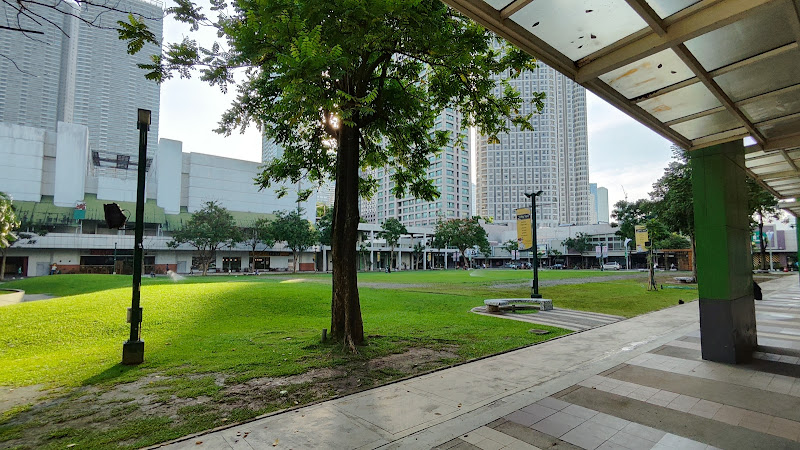
Greenfield District Central Park
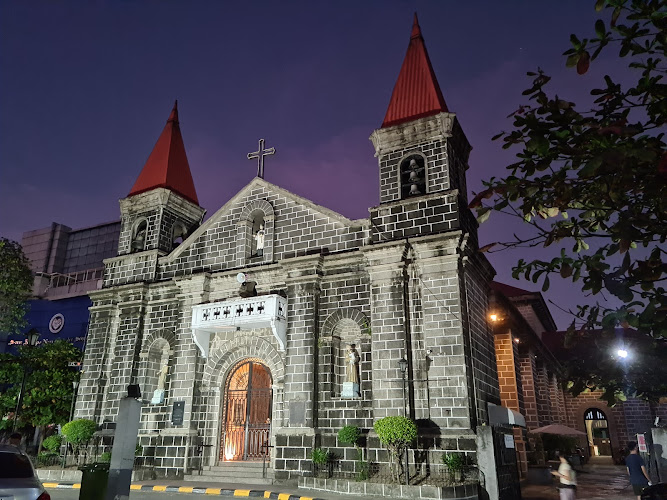
San Felipe Neri Parish Church - Poblacion, Mandaluyong City (Archdiocese of Manila)

San Roque de Mandaluyong Parish - Barangka Ilaya, Mandaluyong City (Archdiocese of Manila)
Find Accommodations Nearby
Recommended Tours & Activities
Visitor Reviews
There are no reviews yet. Be the first one to write one.
Share Your Experience
Have you visited Museo ng Kahapon ( Boni Mandaluyong)? Help other travelers by leaving a review.