
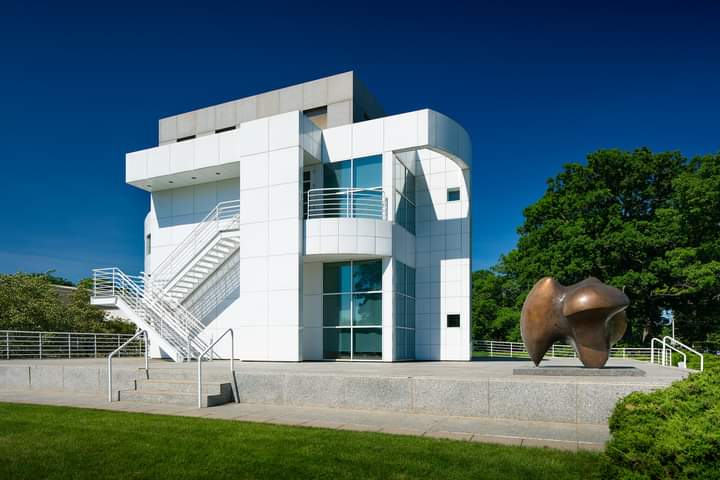
Des Moines Art Center
About Des Moines Art Center
Description
The Des Moines Art Center stands as one of those unexpected cultural treasures that makes you reconsider everything you thought you knew about Midwest cities. When travelers think of major art destinations in America, their minds usually jump to New York, Los Angeles, or Chicago. But here's the thing – this particular institution has been quietly building one of the most impressive modern and contemporary art collections in the country since 1948, and they're not charging you a single penny to experience it. I'll be honest, the first time someone told me about a world-class art museum in Des Moines with free admission, I was skeptical. Museums of this caliber typically cost anywhere from $15 to $30 per person. Yet the Des Moines Art Center maintains its commitment to accessibility by keeping its doors open to everyone without an entrance fee. That philosophy alone tells you something important about what this place values. The museum itself is an architectural masterpiece – actually three masterpieces if we're being precise. Three different renowned architects designed additions to the building across different decades, creating this fascinating dialogue between architectural styles that somehow works beautifully. The original 1948 building was designed by Eliel Saarinen, with additions by I.M. Pei in 1968 and Richard Meier in 1985. Walking through the space feels like moving through different eras of architectural thinking, and honestly, the building could be an exhibit all on its own. But let's talk about what's inside. The permanent collection features works by artists whose names you'd recognize from art history textbooks – we're talking Monet, Matisse, O'Keeffe, Hopper, and Warhol. And these aren't minor pieces tucked away in a corner. The center holds significant works that would be highlights in any major metropolitan museum. Contemporary installations and rotating exhibits keep the experience fresh for repeat visitors and locals alike. What makes this art center different from your typical museum experience is its dual role as both a gallery space and an active art school. You might encounter students working on projects or participating in classes throughout your visit. There's something energizing about seeing art education happening in real-time alongside centuries of artistic achievement. It reminds visitors that art isn't just something preserved behind glass – it's a living, breathing practice.Key Features
The Des Moines Art Center offers travelers a remarkable range of experiences that extend well beyond typical museum visits:- Completely free admission to all galleries and exhibitions throughout the year, making it accessible for budget-conscious travelers and families
- Permanent collection featuring major works from masters including Edward Hopper, Georgia O'Keeffe, Andy Warhol, Francis Bacon, and Henri Matisse
- Three architecturally significant buildings designed by Eliel Saarinen, I.M. Pei, and Richard Meier that represent different movements in 20th-century architecture
- Rotating contemporary exhibitions that showcase cutting-edge artists and emerging voices in the art world
- Onsite restaurant providing a convenient dining option with views of the surrounding sculpture garden
- Well-curated museum shop offering art books, jewelry, home goods, and unique gifts you won't find in typical tourist stores
- Active art school with classes and workshops for various age groups and skill levels
- Outdoor sculpture garden featuring large-scale installations set among beautifully landscaped grounds
- Fully wheelchair accessible facilities including entrance, parking, and gallery spaces
- Guided tours and educational programming that provide deeper context for the collections and exhibitions
- Intimate gallery spaces that allow for personal connections with artworks without the overwhelming crowds of major city museums
Best Time to Visit
Timing your visit to the Des Moines Art Center can significantly impact your experience, though honestly it's a solid destination year-round. The museum operates Tuesday through Sunday with extended hours on Thursdays, making it flexible for various travel schedules. If you're looking to avoid crowds – and I know many art lovers prefer quieter gallery experiences – weekday mornings are your best bet. The center tends to be most peaceful on Tuesday and Wednesday mornings right after opening. You'll have space to really sit with pieces that speak to you without feeling rushed or jostled by tour groups. Weekend afternoons naturally attract more visitors, particularly families with children. That's not necessarily a bad thing, as the energy can be wonderful, but if you're seeking a contemplative experience, plan accordingly. Sunday mornings strike a nice balance – there's activity but not overwhelming crowds. The outdoor sculpture garden truly shines from late spring through early fall, roughly May through October. Iowa weather can be unpredictable, but those months offer the best conditions for strolling the grounds and appreciating the large-scale outdoor installations. That said, I've visited in winter and found the stark landscape gave the sculptures an entirely different character. The snow-covered grounds create this minimalist backdrop that really makes the forms stand out. Summer brings additional programming and events, including outdoor concerts and special exhibitions that capitalize on the pleasant weather. But summer also means school groups during June and July, so factor that into your planning if you prefer a quieter visit. For travelers planning trips around specific exhibitions, checking the center's schedule beforehand is essential. Major temporary exhibitions typically run for several months, giving you a reasonable window for planning. The museum often schedules significant shows during fall and spring when cultural tourism picks up in Des Moines. Weather-wise, spring and fall in Iowa are genuinely beautiful. September through October offers comfortable temperatures and gorgeous foliage that enhances the grounds. Spring, particularly April and May, brings blooming gardens though weather can be more variable with occasional rain showers.How to Get There
Getting to the Des Moines Art Center is straightforward regardless of how you're traveling to Iowa's capital city. The museum sits in a residential neighborhood about three miles west of downtown Des Moines, making it accessible but tucked away in a quieter setting than you might expect for such a major cultural institution. If you're flying in, Des Moines International Airport is your closest option, located roughly 15 minutes from the art center depending on traffic. Most travelers rent cars at the airport, which is probably your best bet for flexibility in exploring Des Moines and the surrounding area. The drive is simple – major rental car companies all have counters at the airport. For those driving from other cities, Des Moines sits at the intersection of several major highways. Interstate 35 and Interstate 80 both pass through the city, making road trips quite manageable. From the interstate, you'll take local roads into the residential area where the center is located. GPS navigation works reliably in Des Moines, so punching in the destination will get you there without issues. Parking at the art center is free and plentiful, which is refreshing compared to many urban museums where parking costs can rival admission fees. The parking lot is well-maintained and offers wheelchair accessible spaces near the entrance. During major events or popular exhibitions, the lot can fill up, but overflow parking is typically available. Public transportation exists in Des Moines through DART (Des Moines Area Regional Transit), though the bus system is less extensive than what you'd find in larger cities. Route options to the art center area are limited, making it less convenient for travelers without cars. Ride-sharing services like Uber and Lyft operate in Des Moines and can be cost-effective options, particularly if you're staying downtown and don't want to rent a car just for a museum visit. For travelers combining their art center visit with other Des Moines attractions, the museum's location works well as part of a broader itinerary. Downtown Des Moines, the State Capitol, and other cultural sites are all within a short drive.Tips for Visiting
After multiple visits to the Des Moines Art Center over the years, I've picked up a few insights that can enhance your experience. First things first – even though admission is free, consider making a donation if you're able. Supporting institutions that prioritize accessibility helps ensure they can continue offering free admission to everyone. There's typically a donation box near the entrance, and your contribution directly supports programming and acquisitions. Wear comfortable shoes. I know that seems obvious, but the center's three buildings and outdoor spaces require more walking than the compact floor plan might suggest. The architecture itself encourages exploration, with interesting sightlines and connections between spaces that invite wandering. You'll want to spend time outside in the sculpture garden too, which involves uneven terrain in some areas. Photography policies allow personal photography without flash in most areas, but always check for specific restrictions in temporary exhibitions. Some borrowed works or contemporary pieces may have photography limitations. And here's my personal plea – please don't be that person who spends the entire visit photographing art for social media without actually looking at it. I've watched too many visitors experience entire exhibitions through their phone screens. The museum restaurant offers a nice respite mid-visit, and the food is genuinely good – not just acceptable museum cafe fare. Their menu changes seasonally and emphasizes local ingredients when possible. Even if you don't want a full meal, grabbing coffee and sitting in their space overlooking the grounds provides a peaceful break. Plan at least two to three hours for your visit if you want to see the permanent collection and any special exhibitions without rushing. Art lovers could easily spend half a day here, particularly if you take time to read exhibition materials and really engage with individual pieces. The intimate scale means you can see everything in one visit, unlike massive institutions where seeing the full collection requires multiple days. The museum shop deserves more than a quick browse on your way out. They carry thoughtfully selected items including artist-made jewelry, design objects, and books you won't find at typical tourist stops. It's an excellent place for distinctive gifts or personal souvenirs that actually reflect the museum's mission. Check the education calendar before visiting. The center offers gallery talks, artist lectures, and special programs that can deepen your understanding of the collection. Many of these programs are free with admission – which is already free, so really there's no reason not to take advantage. For visitors with mobility concerns, the center provides wheelchairs on a first-come basis, though you might want to call ahead during peak times. The building is thoughtfully designed for accessibility, with elevators connecting all levels and ramps where needed. Lastly, don't skip the sculpture garden even if weather isn't perfect. The outdoor installations are significant works by major artists, and experiencing art in nature offers a completely different perspective than gallery viewing. Some visitors make the mistake of focusing solely on the indoor exhibitions and miss out on this unique aspect of the center's collection. Bundle up in winter or embrace the Iowa summer heat – the outdoor works are worth experiencing in any season.Key Features
- Three architecturally distinct gallery buildings designed by noted architects
- Permanent collection spanning 19th century to contemporary art
- On-site sculpture park integrated with the grounds
- Free general admission (with exceptions for special events)
- Educational programs and studio art classes
More Details
Updated January 18, 2026
Table of Contents
Description
The Des Moines Art Center stands as one of those unexpected cultural treasures that makes you reconsider everything you thought you knew about Midwest cities. When travelers think of major art destinations in America, their minds usually jump to New York, Los Angeles, or Chicago. But here’s the thing – this particular institution has been quietly building one of the most impressive modern and contemporary art collections in the country since 1948, and they’re not charging you a single penny to experience it.
I’ll be honest, the first time someone told me about a world-class art museum in Des Moines with free admission, I was skeptical. Museums of this caliber typically cost anywhere from $15 to $30 per person. Yet the Des Moines Art Center maintains its commitment to accessibility by keeping its doors open to everyone without an entrance fee. That philosophy alone tells you something important about what this place values.
The museum itself is an architectural masterpiece – actually three masterpieces if we’re being precise. Three different renowned architects designed additions to the building across different decades, creating this fascinating dialogue between architectural styles that somehow works beautifully. The original 1948 building was designed by Eliel Saarinen, with additions by I.M. Pei in 1968 and Richard Meier in 1985. Walking through the space feels like moving through different eras of architectural thinking, and honestly, the building could be an exhibit all on its own.
But let’s talk about what’s inside. The permanent collection features works by artists whose names you’d recognize from art history textbooks – we’re talking Monet, Matisse, O’Keeffe, Hopper, and Warhol. And these aren’t minor pieces tucked away in a corner. The center holds significant works that would be highlights in any major metropolitan museum. Contemporary installations and rotating exhibits keep the experience fresh for repeat visitors and locals alike.
What makes this art center different from your typical museum experience is its dual role as both a gallery space and an active art school. You might encounter students working on projects or participating in classes throughout your visit. There’s something energizing about seeing art education happening in real-time alongside centuries of artistic achievement. It reminds visitors that art isn’t just something preserved behind glass – it’s a living, breathing practice.
Key Features
The Des Moines Art Center offers travelers a remarkable range of experiences that extend well beyond typical museum visits:
- Completely free admission to all galleries and exhibitions throughout the year, making it accessible for budget-conscious travelers and families
- Permanent collection featuring major works from masters including Edward Hopper, Georgia O’Keeffe, Andy Warhol, Francis Bacon, and Henri Matisse
- Three architecturally significant buildings designed by Eliel Saarinen, I.M. Pei, and Richard Meier that represent different movements in 20th-century architecture
- Rotating contemporary exhibitions that showcase cutting-edge artists and emerging voices in the art world
- Onsite restaurant providing a convenient dining option with views of the surrounding sculpture garden
- Well-curated museum shop offering art books, jewelry, home goods, and unique gifts you won’t find in typical tourist stores
- Active art school with classes and workshops for various age groups and skill levels
- Outdoor sculpture garden featuring large-scale installations set among beautifully landscaped grounds
- Fully wheelchair accessible facilities including entrance, parking, and gallery spaces
- Guided tours and educational programming that provide deeper context for the collections and exhibitions
- Intimate gallery spaces that allow for personal connections with artworks without the overwhelming crowds of major city museums
Best Time to Visit
Timing your visit to the Des Moines Art Center can significantly impact your experience, though honestly it’s a solid destination year-round. The museum operates Tuesday through Sunday with extended hours on Thursdays, making it flexible for various travel schedules.
If you’re looking to avoid crowds – and I know many art lovers prefer quieter gallery experiences – weekday mornings are your best bet. The center tends to be most peaceful on Tuesday and Wednesday mornings right after opening. You’ll have space to really sit with pieces that speak to you without feeling rushed or jostled by tour groups.
Weekend afternoons naturally attract more visitors, particularly families with children. That’s not necessarily a bad thing, as the energy can be wonderful, but if you’re seeking a contemplative experience, plan accordingly. Sunday mornings strike a nice balance – there’s activity but not overwhelming crowds.
The outdoor sculpture garden truly shines from late spring through early fall, roughly May through October. Iowa weather can be unpredictable, but those months offer the best conditions for strolling the grounds and appreciating the large-scale outdoor installations. That said, I’ve visited in winter and found the stark landscape gave the sculptures an entirely different character. The snow-covered grounds create this minimalist backdrop that really makes the forms stand out.
Summer brings additional programming and events, including outdoor concerts and special exhibitions that capitalize on the pleasant weather. But summer also means school groups during June and July, so factor that into your planning if you prefer a quieter visit.
For travelers planning trips around specific exhibitions, checking the center’s schedule beforehand is essential. Major temporary exhibitions typically run for several months, giving you a reasonable window for planning. The museum often schedules significant shows during fall and spring when cultural tourism picks up in Des Moines.
Weather-wise, spring and fall in Iowa are genuinely beautiful. September through October offers comfortable temperatures and gorgeous foliage that enhances the grounds. Spring, particularly April and May, brings blooming gardens though weather can be more variable with occasional rain showers.
How to Get There
Getting to the Des Moines Art Center is straightforward regardless of how you’re traveling to Iowa’s capital city. The museum sits in a residential neighborhood about three miles west of downtown Des Moines, making it accessible but tucked away in a quieter setting than you might expect for such a major cultural institution.
If you’re flying in, Des Moines International Airport is your closest option, located roughly 15 minutes from the art center depending on traffic. Most travelers rent cars at the airport, which is probably your best bet for flexibility in exploring Des Moines and the surrounding area. The drive is simple – major rental car companies all have counters at the airport.
For those driving from other cities, Des Moines sits at the intersection of several major highways. Interstate 35 and Interstate 80 both pass through the city, making road trips quite manageable. From the interstate, you’ll take local roads into the residential area where the center is located. GPS navigation works reliably in Des Moines, so punching in the destination will get you there without issues.
Parking at the art center is free and plentiful, which is refreshing compared to many urban museums where parking costs can rival admission fees. The parking lot is well-maintained and offers wheelchair accessible spaces near the entrance. During major events or popular exhibitions, the lot can fill up, but overflow parking is typically available.
Public transportation exists in Des Moines through DART (Des Moines Area Regional Transit), though the bus system is less extensive than what you’d find in larger cities. Route options to the art center area are limited, making it less convenient for travelers without cars. Ride-sharing services like Uber and Lyft operate in Des Moines and can be cost-effective options, particularly if you’re staying downtown and don’t want to rent a car just for a museum visit.
For travelers combining their art center visit with other Des Moines attractions, the museum’s location works well as part of a broader itinerary. Downtown Des Moines, the State Capitol, and other cultural sites are all within a short drive.
Tips for Visiting
After multiple visits to the Des Moines Art Center over the years, I’ve picked up a few insights that can enhance your experience. First things first – even though admission is free, consider making a donation if you’re able. Supporting institutions that prioritize accessibility helps ensure they can continue offering free admission to everyone. There’s typically a donation box near the entrance, and your contribution directly supports programming and acquisitions.
Wear comfortable shoes. I know that seems obvious, but the center’s three buildings and outdoor spaces require more walking than the compact floor plan might suggest. The architecture itself encourages exploration, with interesting sightlines and connections between spaces that invite wandering. You’ll want to spend time outside in the sculpture garden too, which involves uneven terrain in some areas.
Photography policies allow personal photography without flash in most areas, but always check for specific restrictions in temporary exhibitions. Some borrowed works or contemporary pieces may have photography limitations. And here’s my personal plea – please don’t be that person who spends the entire visit photographing art for social media without actually looking at it. I’ve watched too many visitors experience entire exhibitions through their phone screens.
The museum restaurant offers a nice respite mid-visit, and the food is genuinely good – not just acceptable museum cafe fare. Their menu changes seasonally and emphasizes local ingredients when possible. Even if you don’t want a full meal, grabbing coffee and sitting in their space overlooking the grounds provides a peaceful break.
Plan at least two to three hours for your visit if you want to see the permanent collection and any special exhibitions without rushing. Art lovers could easily spend half a day here, particularly if you take time to read exhibition materials and really engage with individual pieces. The intimate scale means you can see everything in one visit, unlike massive institutions where seeing the full collection requires multiple days.
The museum shop deserves more than a quick browse on your way out. They carry thoughtfully selected items including artist-made jewelry, design objects, and books you won’t find at typical tourist stops. It’s an excellent place for distinctive gifts or personal souvenirs that actually reflect the museum’s mission.
Check the education calendar before visiting. The center offers gallery talks, artist lectures, and special programs that can deepen your understanding of the collection. Many of these programs are free with admission – which is already free, so really there’s no reason not to take advantage.
For visitors with mobility concerns, the center provides wheelchairs on a first-come basis, though you might want to call ahead during peak times. The building is thoughtfully designed for accessibility, with elevators connecting all levels and ramps where needed.
Lastly, don’t skip the sculpture garden even if weather isn’t perfect. The outdoor installations are significant works by major artists, and experiencing art in nature offers a completely different perspective than gallery viewing. Some visitors make the mistake of focusing solely on the indoor exhibitions and miss out on this unique aspect of the center’s collection. Bundle up in winter or embrace the Iowa summer heat – the outdoor works are worth experiencing in any season.
Key Highlights
- Three architecturally distinct gallery buildings designed by noted architects
- Permanent collection spanning 19th century to contemporary art
- On-site sculpture park integrated with the grounds
- Free general admission (with exceptions for special events)
- Educational programs and studio art classes
Location
Places to Stay Near Des Moines Art Center
Find and Book a Tour
Explore More Travel Guides
No reviews found! Be the first to review!
Traveler Reviews for Des Moines Art Center
There are no reviews yet. Be the first one to write one.
Have you visited Des Moines Art Center? Help other travelers by sharing your review.
Nearby Attractions
You Might Also Like
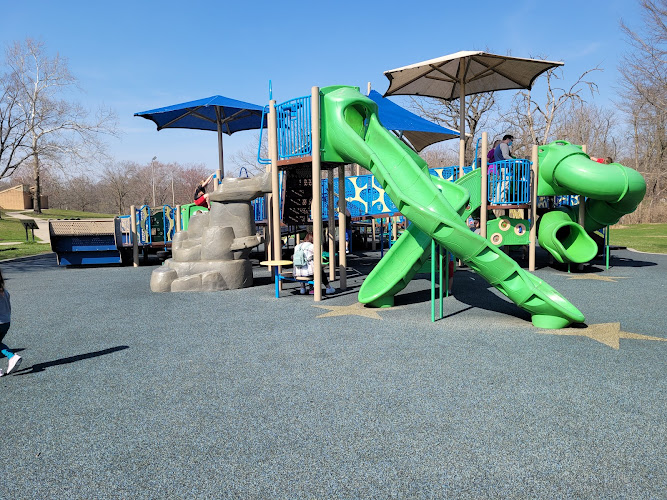
Ashley Okland Star Playground
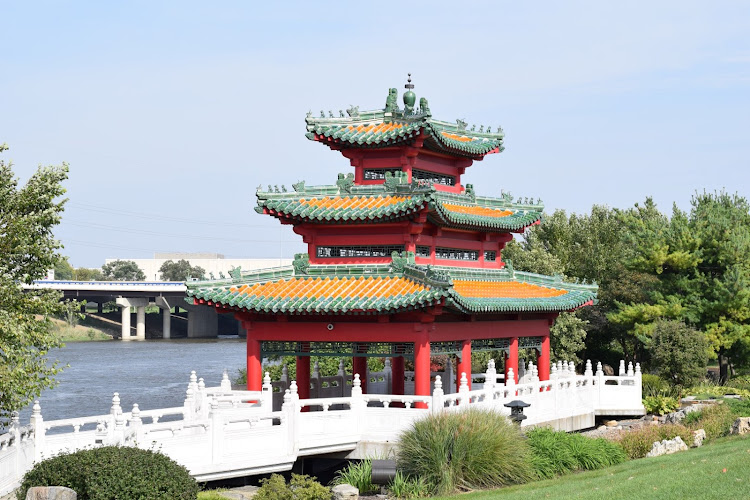
Robert D. Ray Asian Garden
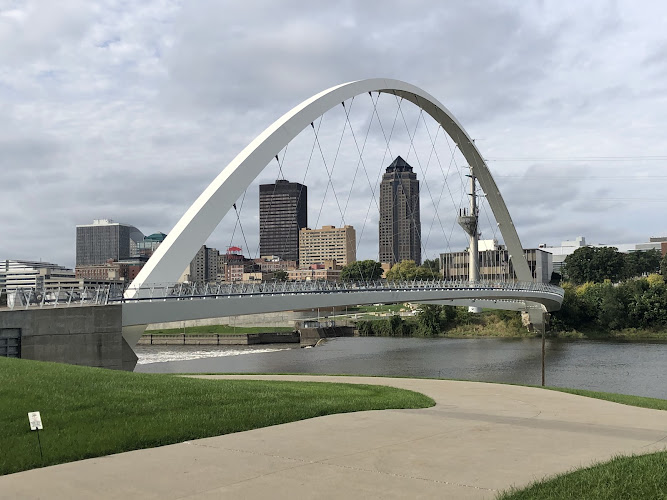
Rotary Riverwalk Park
Find Accommodations Nearby
Recommended Tours & Activities
Visitor Reviews
There are no reviews yet. Be the first one to write one.
Share Your Experience
Have you visited Des Moines Art Center? Help other travelers by leaving a review.