
Robert D. Ray Asian Garden
About Robert D. Ray Asian Garden
Description
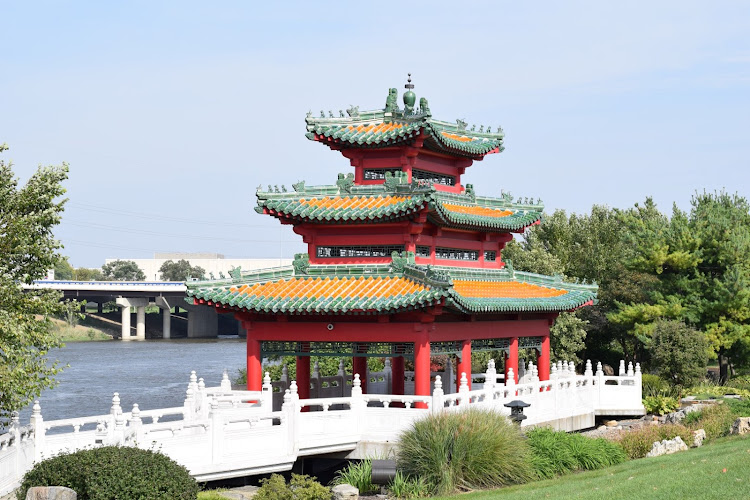
The Robert D. Ray Asian Garden offers visitors a peaceful escape into thoughtfully designed landscapes that blend traditional Asian garden elements with the natural beauty of the American Midwest. Named after Iowa's longest-serving governor who championed humanitarian causes and cultural diversity, this garden park stands as a living tribute to cross-cultural understanding and appreciation. Spanning several acres, the garden showcases authentic Asian architectural elements including a striking pavilion and traditional stone pagodas that serve as focal points throughout the space. Water plays a central role here, with a serene pond that reflects the sky and surrounding vegetation, while a series of carefully positioned waterfalls create soothing ambient sounds that transport visitors far from the hustle of everyday life. What makes this place genuinely special is how it manages to feel both intentional and organic at the same time. The designers clearly understood that Asian gardens aren't just about pretty plants—they're about creating spaces for contemplation and finding balance. And honestly, they nailed it. You'll notice how the paths wind in deliberate ways, how certain views open up unexpectedly, and how the sound of water seems to follow you wherever you wander. The garden park functions as both a tourist attraction and a neighborhood treasure, drawing visitors who specifically seek it out alongside locals who've made it part of their regular walking routine. It's accessible to everyone, with wheelchair-friendly pathways and parking that make exploring easy for visitors with mobility considerations. This inclusivity extends to families with children, who find the garden equally engaging whether they're spotting koi in the pond or climbing gentle slopes along the trails.Key Features
The Robert D. Ray Asian Garden presents several distinctive elements that create its unique character:- Traditional Asian Pavilion: The centerpiece structure provides both architectural interest and functional shelter, perfect for taking a break or simply observing the garden from a covered vantage point
- Authentic Stone Pagodas: These traditional elements add vertical interest and cultural authenticity throughout the landscape, serving as meditation focal points
- Reflective Pond: The water feature hosts aquatic life and creates mirror-like reflections that change with seasons and weather conditions
- Multi-Level Waterfalls: Cascading water elements provide both visual movement and calming sounds that enhance the meditative atmosphere
- Walking Trails: Interconnected paths wind through the garden, offering varying perspectives and allowing for both short visits and extended explorations
- Seasonal Plantings: Carefully selected vegetation that changes throughout the year, reflecting traditional Asian garden philosophy of celebrating natural cycles
- Accessibility Features: Wheelchair-accessible entrance and parking ensure everyone can experience the garden's tranquility
- Photography Opportunities: Countless angles and compositions make this a favorite spot for both amateur and serious photographers
- Free Parking: Street parking available at no cost removes one barrier to visiting
- Kid-Friendly Environment: Safe, engaging spaces where children can explore nature and learn about different cultural traditions
Best Time to Visit
Timing your visit to the Robert D. Ray Asian Garden can significantly affect your experience, and honestly, each season brings something different to the table. Spring emerges as perhaps the most popular season, when flowering trees and early perennials burst into bloom. Late April through May typically showcases the garden at its most colorful, with blossoms reflected in the pond and new growth everywhere you look. But fair warning—you won't be alone during these peak weeks. Early morning visits around 7 or 8 AM let you beat the crowds and catch morning light that photographers absolutely love. Summer brings full, lush growth and the garden takes on a more enveloping, immersive quality. The waterfalls feel especially welcome during hot afternoons, and the shade from mature trees makes walking comfortable even in July and August. Evening visits during summer months offer golden hour lighting that makes everything glow. Just bring bug spray because mosquitoes near the pond can be annoying. Fall might actually be my personal favorite season here. The foliage transitions create stunning color combinations, and the crisp air makes walking more pleasant. September through October typically delivers ideal conditions—not too hot, not too cold, and the slanting autumn light creates incredible shadows and depth. Plus, the crowds thin out after school starts. Winter transforms the garden into something completely different. While not everyone thinks to visit during cold months, snow-covered pagodas and ice formations on the waterfalls create ethereal scenes. The garden takes on a minimalist quality that feels very aligned with traditional Asian aesthetics. Just dress warmly and watch for ice on pathways. Regarding time of day, weekday mornings remain consistently peaceful regardless of season. Weekends see more families and tourists, particularly between 10 AM and 3 PM. If solitude ranks high on your priority list, aim for weekday visits before 9 AM or after 4 PM. Weather considerations matter too. Overcast days actually work beautifully for photography here, eliminating harsh shadows while recent rain makes colors more saturated and keeps the waterfalls flowing robustly.How to Get There
Getting to the Robert D. Ray Asian Garden proves straightforward for most travelers, whether you're staying locally or visiting from out of town. For those driving, the garden benefits from clear signage as you approach the area. Free street parking is available nearby, which is honestly a relief considering how many attractions nickel-and-dime visitors with parking fees these days. During peak visiting times, you might need to park a block or two away and walk, but the neighborhood is safe and pleasant for a short stroll. The wheelchair-accessible parking lot ensures visitors with mobility needs can access the garden without difficulty. These designated spots sit close to the accessible entrance, minimizing the distance anyone needs to travel before entering the garden proper. Public transportation users should check local bus routes and schedules, as service frequency varies by day and season. Several bus lines stop within reasonable walking distance of the garden, making car-free visits entirely feasible. Download the local transit app before your trip to track real-time arrivals and plan connections. Rideshare services like Uber and Lyft operate in the area and can drop you directly at the garden entrance. This option works particularly well if you're staying downtown or don't want to deal with parking during busy periods. Cyclists will find the garden accessible via bike paths and bike-friendly streets, though check for bike rack locations before you go. I've seen visitors lock bikes to nearby street furniture, but dedicated racks make everything easier and safer. For out-of-town visitors, the garden sits within reasonable distance from major hotels and lodging areas. Many people combine their garden visit with other nearby attractions, making it part of a larger day exploring the area. Taxi services know the location well, so you won't need to provide detailed directions. If you're planning to visit with a group, consider arranging a single carpool rather than multiple vehicles. Parking availability fluctuates, and arriving together simplifies coordination.Tips for Visiting
Making the most of your Robert D. Ray Asian Garden experience involves some practical considerations and insider knowledge that helps you avoid common pitfalls. First off, wear comfortable walking shoes. This sounds obvious, but I've watched too many visitors struggle in inappropriate footwear. The paths are generally well-maintained, but you'll be on your feet, and comfort matters more than style here. Skip the heels and fancy sandals. Bring water, especially during warmer months. While the garden creates a cooling effect with its water features and shade, you'll still want hydration during extended visits. There isn't a concession stand or water fountain right in the garden, so come prepared. Photography equipment deserves mention because this garden practically begs to be photographed. A smartphone camera works fine, but if you're serious about capturing the space, bring a DSLR or mirrorless camera with a versatile lens. Wide-angle shots capture the overall landscape while zoom capabilities let you isolate details like water droplets on leaves or architectural elements. A tripod helps if you're shooting in lower light or want long exposures of the waterfalls. Weather preparation goes beyond just checking the forecast. Even if rain isn't predicted, conditions around the pond can be humid and occasionally misty from the waterfalls. This creates atmosphere but also means moisture in the air. Protect sensitive electronics accordingly. For families with children, the garden offers genuine educational opportunities beyond just running around. Talk about the cultural significance of different elements, point out wildlife in and around the pond, or make it a scavenger hunt looking for specific plants or features. Kids generally respond well to the space if you give them things to discover rather than just expecting them to walk quietly. Respect the space and other visitors. This garden functions as a contemplative environment for many people, so keeping noise levels reasonable helps everyone enjoy their experience. Save the loud conversations and phone calls for after your visit. The hiking opportunities here are real but not strenuous. Don't come expecting mountain trails, but do appreciate the varied terrain and how paths lead you through different garden zones. Some gentle slopes exist, adding topographical interest without creating accessibility challenges. Seasonal considerations affect what you'll see. Spring flowers don't last forever, fall colors peak for just a few weeks, and winter visits require different expectations than summer ones. Don't show up in February expecting the same experience as June—embrace what each season offers instead. Give yourself enough time. Rushing through defeats the purpose. Plan for at least an hour, ideally more if you want to really absorb the atmosphere. I've seen people dash through in twenty minutes taking quick photos, and they miss the entire point. This garden rewards slow observation. Check for any scheduled maintenance or events before visiting. While the garden remains generally accessible year-round, occasional closures happen for upkeep or special programming. Finally, consider visiting multiple times if you're local or staying in the area for several days. The garden genuinely changes throughout the day and across seasons, revealing new aspects with each visit. What you see at sunrise differs dramatically from sunset, and that spring visit will show you something completely different than autumn brings.Key Features
- Key Features
- Best Time to Visit
- How to Get There
- Tips for Visiting
More Details
Updated January 18, 2026
Table of Contents
Description
The Robert D. Ray Asian Garden offers visitors a peaceful escape into thoughtfully designed landscapes that blend traditional Asian garden elements with the natural beauty of the American Midwest. Named after Iowa’s longest-serving governor who championed humanitarian causes and cultural diversity, this garden park stands as a living tribute to cross-cultural understanding and appreciation.
Spanning several acres, the garden showcases authentic Asian architectural elements including a striking pavilion and traditional stone pagodas that serve as focal points throughout the space. Water plays a central role here, with a serene pond that reflects the sky and surrounding vegetation, while a series of carefully positioned waterfalls create soothing ambient sounds that transport visitors far from the hustle of everyday life.
What makes this place genuinely special is how it manages to feel both intentional and organic at the same time. The designers clearly understood that Asian gardens aren’t just about pretty plants—they’re about creating spaces for contemplation and finding balance. And honestly, they nailed it. You’ll notice how the paths wind in deliberate ways, how certain views open up unexpectedly, and how the sound of water seems to follow you wherever you wander.
The garden park functions as both a tourist attraction and a neighborhood treasure, drawing visitors who specifically seek it out alongside locals who’ve made it part of their regular walking routine. It’s accessible to everyone, with wheelchair-friendly pathways and parking that make exploring easy for visitors with mobility considerations. This inclusivity extends to families with children, who find the garden equally engaging whether they’re spotting koi in the pond or climbing gentle slopes along the trails.
Key Features
The Robert D. Ray Asian Garden presents several distinctive elements that create its unique character:
- Traditional Asian Pavilion: The centerpiece structure provides both architectural interest and functional shelter, perfect for taking a break or simply observing the garden from a covered vantage point
- Authentic Stone Pagodas: These traditional elements add vertical interest and cultural authenticity throughout the landscape, serving as meditation focal points
- Reflective Pond: The water feature hosts aquatic life and creates mirror-like reflections that change with seasons and weather conditions
- Multi-Level Waterfalls: Cascading water elements provide both visual movement and calming sounds that enhance the meditative atmosphere
- Walking Trails: Interconnected paths wind through the garden, offering varying perspectives and allowing for both short visits and extended explorations
- Seasonal Plantings: Carefully selected vegetation that changes throughout the year, reflecting traditional Asian garden philosophy of celebrating natural cycles
- Accessibility Features: Wheelchair-accessible entrance and parking ensure everyone can experience the garden’s tranquility
- Photography Opportunities: Countless angles and compositions make this a favorite spot for both amateur and serious photographers
- Free Parking: Street parking available at no cost removes one barrier to visiting
- Kid-Friendly Environment: Safe, engaging spaces where children can explore nature and learn about different cultural traditions
Best Time to Visit
Timing your visit to the Robert D. Ray Asian Garden can significantly affect your experience, and honestly, each season brings something different to the table.
Spring emerges as perhaps the most popular season, when flowering trees and early perennials burst into bloom. Late April through May typically showcases the garden at its most colorful, with blossoms reflected in the pond and new growth everywhere you look. But fair warning—you won’t be alone during these peak weeks. Early morning visits around 7 or 8 AM let you beat the crowds and catch morning light that photographers absolutely love.
Summer brings full, lush growth and the garden takes on a more enveloping, immersive quality. The waterfalls feel especially welcome during hot afternoons, and the shade from mature trees makes walking comfortable even in July and August. Evening visits during summer months offer golden hour lighting that makes everything glow. Just bring bug spray because mosquitoes near the pond can be annoying.
Fall might actually be my personal favorite season here. The foliage transitions create stunning color combinations, and the crisp air makes walking more pleasant. September through October typically delivers ideal conditions—not too hot, not too cold, and the slanting autumn light creates incredible shadows and depth. Plus, the crowds thin out after school starts.
Winter transforms the garden into something completely different. While not everyone thinks to visit during cold months, snow-covered pagodas and ice formations on the waterfalls create ethereal scenes. The garden takes on a minimalist quality that feels very aligned with traditional Asian aesthetics. Just dress warmly and watch for ice on pathways.
Regarding time of day, weekday mornings remain consistently peaceful regardless of season. Weekends see more families and tourists, particularly between 10 AM and 3 PM. If solitude ranks high on your priority list, aim for weekday visits before 9 AM or after 4 PM.
Weather considerations matter too. Overcast days actually work beautifully for photography here, eliminating harsh shadows while recent rain makes colors more saturated and keeps the waterfalls flowing robustly.
How to Get There
Getting to the Robert D. Ray Asian Garden proves straightforward for most travelers, whether you’re staying locally or visiting from out of town.
For those driving, the garden benefits from clear signage as you approach the area. Free street parking is available nearby, which is honestly a relief considering how many attractions nickel-and-dime visitors with parking fees these days. During peak visiting times, you might need to park a block or two away and walk, but the neighborhood is safe and pleasant for a short stroll.
The wheelchair-accessible parking lot ensures visitors with mobility needs can access the garden without difficulty. These designated spots sit close to the accessible entrance, minimizing the distance anyone needs to travel before entering the garden proper.
Public transportation users should check local bus routes and schedules, as service frequency varies by day and season. Several bus lines stop within reasonable walking distance of the garden, making car-free visits entirely feasible. Download the local transit app before your trip to track real-time arrivals and plan connections.
Rideshare services like Uber and Lyft operate in the area and can drop you directly at the garden entrance. This option works particularly well if you’re staying downtown or don’t want to deal with parking during busy periods.
Cyclists will find the garden accessible via bike paths and bike-friendly streets, though check for bike rack locations before you go. I’ve seen visitors lock bikes to nearby street furniture, but dedicated racks make everything easier and safer.
For out-of-town visitors, the garden sits within reasonable distance from major hotels and lodging areas. Many people combine their garden visit with other nearby attractions, making it part of a larger day exploring the area. Taxi services know the location well, so you won’t need to provide detailed directions.
If you’re planning to visit with a group, consider arranging a single carpool rather than multiple vehicles. Parking availability fluctuates, and arriving together simplifies coordination.
Tips for Visiting
Making the most of your Robert D. Ray Asian Garden experience involves some practical considerations and insider knowledge that helps you avoid common pitfalls.
First off, wear comfortable walking shoes. This sounds obvious, but I’ve watched too many visitors struggle in inappropriate footwear. The paths are generally well-maintained, but you’ll be on your feet, and comfort matters more than style here. Skip the heels and fancy sandals.
Bring water, especially during warmer months. While the garden creates a cooling effect with its water features and shade, you’ll still want hydration during extended visits. There isn’t a concession stand or water fountain right in the garden, so come prepared.
Photography equipment deserves mention because this garden practically begs to be photographed. A smartphone camera works fine, but if you’re serious about capturing the space, bring a DSLR or mirrorless camera with a versatile lens. Wide-angle shots capture the overall landscape while zoom capabilities let you isolate details like water droplets on leaves or architectural elements. A tripod helps if you’re shooting in lower light or want long exposures of the waterfalls.
Weather preparation goes beyond just checking the forecast. Even if rain isn’t predicted, conditions around the pond can be humid and occasionally misty from the waterfalls. This creates atmosphere but also means moisture in the air. Protect sensitive electronics accordingly.
For families with children, the garden offers genuine educational opportunities beyond just running around. Talk about the cultural significance of different elements, point out wildlife in and around the pond, or make it a scavenger hunt looking for specific plants or features. Kids generally respond well to the space if you give them things to discover rather than just expecting them to walk quietly.
Respect the space and other visitors. This garden functions as a contemplative environment for many people, so keeping noise levels reasonable helps everyone enjoy their experience. Save the loud conversations and phone calls for after your visit.
The hiking opportunities here are real but not strenuous. Don’t come expecting mountain trails, but do appreciate the varied terrain and how paths lead you through different garden zones. Some gentle slopes exist, adding topographical interest without creating accessibility challenges.
Seasonal considerations affect what you’ll see. Spring flowers don’t last forever, fall colors peak for just a few weeks, and winter visits require different expectations than summer ones. Don’t show up in February expecting the same experience as June—embrace what each season offers instead.
Give yourself enough time. Rushing through defeats the purpose. Plan for at least an hour, ideally more if you want to really absorb the atmosphere. I’ve seen people dash through in twenty minutes taking quick photos, and they miss the entire point. This garden rewards slow observation.
Check for any scheduled maintenance or events before visiting. While the garden remains generally accessible year-round, occasional closures happen for upkeep or special programming.
Finally, consider visiting multiple times if you’re local or staying in the area for several days. The garden genuinely changes throughout the day and across seasons, revealing new aspects with each visit. What you see at sunrise differs dramatically from sunset, and that spring visit will show you something completely different than autumn brings.
Key Highlights
- Key Features
- Best Time to Visit
- How to Get There
- Tips for Visiting
Location
Places to Stay Near Robert D. Ray Asian Garden
Find and Book a Tour
Explore More Travel Guides
No reviews found! Be the first to review!
Traveler Reviews for Robert D. Ray Asian Garden
There are no reviews yet. Be the first one to write one.
Have you visited Robert D. Ray Asian Garden? Help other travelers by sharing your review.
You Might Also Like
Des Moines Art Center

World Food Prize Hall of Laureates
Cowles Commons
Find Accommodations Nearby
Recommended Tours & Activities
Visitor Reviews
There are no reviews yet. Be the first one to write one.
Share Your Experience
Have you visited Robert D. Ray Asian Garden? Help other travelers by leaving a review.