
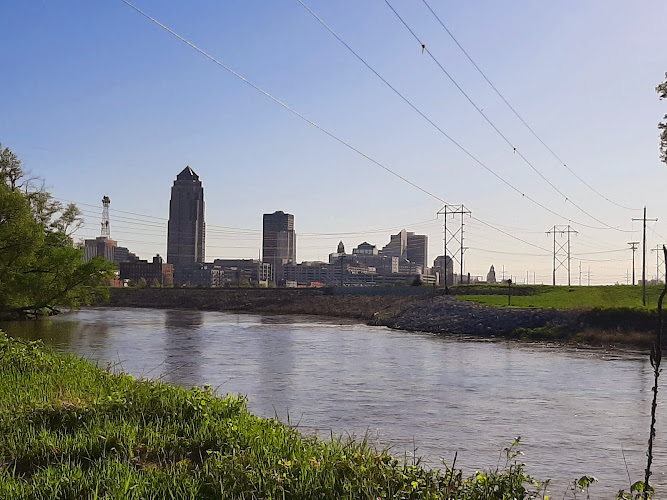
Des Moines
About Des Moines
Description
Des Moines has this reputation as just another flyover city, but honestly, that couldn't be further from the truth. Iowa's capital has been quietly transforming itself into one of the Midwest's most underrated destinations, and I think it's about time more travelers caught on. The city sits right where the Des Moines and Raccoon Rivers meet, which historically made it a trading hub and now gives it some really nice riverfront areas to explore. What strikes most visitors first is how the city manages to balance its historical architecture with forward-thinking cultural institutions. That gold-domed Iowa State Capitol? It's genuinely stunning, and the fact that you can tour it for free is pretty remarkable. The dome actually contains more gold leaf than most state capitols, including the one in Washington D.C., which is a fun fact that surprised me when I first learned it. But Des Moines isn't stuck in the past. The East Village neighborhood has become this really cool district where old buildings have been reimagined as boutiques, restaurants, and galleries. And the Des Moines Art Center houses works by artists like Monet, Rothko, and Francis Bacon in a building that's itself a work of art, designed by three different renowned architects across different eras. The city has also invested heavily in its public spaces. The Pappajohn Sculpture Park downtown features works by some of contemporary art's biggest names, and it's completely free to wander through. The Greater Des Moines Botanical Garden's geodesic dome is visible from the highway and houses tropical plants year-round, which feels particularly special when you're visiting during an Iowa winter.Key Features
- The Iowa State Capitol building with its distinctive gold dome that can be spotted from miles away, offering free public tours that showcase intricate mosaics and historical chambers
- Des Moines Art Center featuring an impressive permanent collection with free admission and architecture designed by Eliel Saarinen, I.M. Pei, and Richard Meier
- Pappajohn Sculpture Park with 31 sculptures by internationally recognized artists spread across 4.4 acres in the heart of downtown
- Downtown Farmers' Market, one of the largest in the country, attracting over 25,000 visitors on peak Saturdays during the growing season
- Greater Des Moines Botanical Garden with its distinctive geodesic dome housing tropical and subtropical plants alongside seasonal outdoor gardens
- Historic East Village district filled with locally-owned shops, restaurants, and entertainment venues in beautifully preserved buildings
- Principal Riverwalk connecting various downtown attractions along the waterfront with walking and biking paths
- John and Mary Pappajohn Education Center offering interactive exhibits about entrepreneurship and innovation
- Science Center of Iowa with a planetarium and hands-on exhibits that appeal to visitors of all ages
- Historic Valley Junction in West Des Moines featuring over 450 antique shops, boutiques, and restaurants in a preserved 1890s railroad town setting
Best Time to Visit
Here's where I'll be straight with you – Iowa weather can be, well, intense. But that doesn't mean there isn't a perfect window for visiting Des Moines. Late spring through early fall, specifically May through October, offers the most comfortable weather for exploring the city. The Downtown Farmers' Market runs from early May through late October, and if you're planning your trip around this, you absolutely should. Saturday mornings at the market are when Des Moines really shows its community spirit. I've talked to travelers who structured entire weekends around this market, and they weren't disappointed. Summer months of June, July, and August bring temperatures typically in the 80s, though it can get humid. But this is when the city's festival calendar really kicks into high gear. The Iowa State Fair in August is legendary – it's been running since 1854 and draws over a million visitors. If you've never experienced a proper state fair, this is arguably one of the best in the nation. Just prepare for crowds and book accommodations well in advance. September and October might actually be my favorite time to visit. The weather cools down to that perfect sweater-weather range, the fall colors in the parks and along the river trails are gorgeous, and the summer tourist crowds have thinned out. Plus, you're still catching the tail end of the farmers market season. Winter in Des Moines isn't for the faint of heart – temperatures regularly drop below freezing, and snow is common from December through March. But if you don't mind bundling up, hotel rates drop significantly, and there's something genuinely beautiful about seeing the Capitol dome covered in snow. The Botanical Garden's tropical dome also becomes particularly appealing when it's 15 degrees outside. Spring can be unpredictable with sudden temperature swings and rain, but April and May see the city come back to life after winter. The outdoor gardens start blooming, and there's this palpable energy as everyone emerges from their winter hibernation.How to Get There
Des Moines International Airport is surprisingly well-connected for a city of its size, with direct flights to major hubs like Chicago, Denver, Dallas, Atlanta, and both New York airports. The airport sits just about 10 minutes from downtown, which makes it one of the most convenient airport-to-city commutes you'll experience. No hour-long taxi rides or complicated train transfers here. If you're driving, Des Moines sits at the intersection of Interstates 35 and 80, making it easily accessible from pretty much any direction. It's about a three-and-a-half hour drive from Kansas City, five hours from Chicago, and four hours from Minneapolis. The drive through Iowa farmland might not be the most scenic route you've ever taken, but it's straightforward and the roads are generally well-maintained. There's also Amtrak service via the California Zephyr route, though the station is actually in nearby Osceola, about 45 minutes south of Des Moines. It's not the most convenient option, but if you're doing a cross-country rail trip, it's doable. Once you're in the city, you'll probably want a car. Des Moines does have a public bus system called DART, and they've been expanding their routes, but the city is spread out enough that having your own wheels makes exploring much easier. Downtown is walkable, and there are decent bike trails, but to really experience everything Des Moines offers, personal transportation helps. Ride-sharing services are readily available throughout the metro area.Tips for Visiting
First thing – don't underestimate how much walking you'll do if you're hitting the major attractions downtown. Comfortable shoes aren't just a suggestion; they're mandatory, especially if you're visiting during the farmers market. The Downtown Farmers' Market deserves its own strategy session. If you're going, arrive early – like 7:30 or 8:00 a.m. early. By 9:30 or 10:00, the crowds can be overwhelming. Bring cash, though many vendors now accept cards. And don't just grab something and leave; the people-watching alone is worth lingering for. Many of Des Moines' best cultural attractions are free, which is incredible for budget-conscious travelers. The Art Center, Capitol tours, Pappajohn Sculpture Park – you could fill an entire day without spending a dime on admission. Take advantage of this. The food scene in Des Moines has evolved significantly over the past decade. The city has developed a really interesting fusion of traditional Midwestern comfort food and more contemporary cuisine. Don't skip the local restaurants in favor of chains – you'll be missing out. The East Village and Court Avenue districts have the highest concentration of interesting dining options. Weather preparation is crucial, and I can't stress this enough. If you're visiting in summer, sunscreen and hydration are essential. If you're coming in winter, pack layers like your comfort depends on it, because it does. That Midwest wind is no joke. Parking downtown is generally reasonable compared to larger cities. There are several parking garages, and street parking is available, though it can be limited during events. The parking situation is one area where Des Moines' smaller size works in your favor. If you're interested in Iowa's agricultural heritage – and you should be, since it's such a huge part of the state's identity – time your visit during the State Fair or plan a day trip to one of the surrounding farms that offer tours. Understanding Iowa's farming culture adds depth to your Des Moines experience. The locals are genuinely friendly, which sounds like a cliche but it's true. Don't hesitate to ask for recommendations or directions. Midwestern hospitality is real, and people take pride in their city. Lastly, give yourself more time than you think you need. Des Moines isn't a city you'll fully appreciate in a rushed 24-hour stopover. Plan for at least a long weekend. There's a depth to this place that reveals itself slowly, and that's part of its charm.Key Features
- The Iowa State Capitol building with its distinctive gold dome that can be spotted from miles away, offering free public tours that showcase intricate mosaics and historical chambers
- Des Moines Art Center featuring an impressive permanent collection with free admission and architecture designed by Eliel Saarinen, I.M. Pei, and Richard Meier
- Pappajohn Sculpture Park with 31 sculptures by internationally recognized artists spread across 4.4 acres in the heart of downtown
- Downtown Farmers' Market, one of the largest in the country, attracting over 25,000 visitors on peak Saturdays during the growing season
- Greater Des Moines Botanical Garden with its distinctive geodesic dome housing tropical and subtropical plants alongside seasonal outdoor gardens
- Historic East Village district filled with locally-owned shops, restaurants, and entertainment venues in beautifully preserved buildings
- Principal Riverwalk connecting various downtown attractions along the waterfront with walking and biking paths
- John and Mary Pappajohn Education Center offering interactive exhibits about entrepreneurship and innovation
More Details
Updated January 18, 2026
Table of Contents
Description
Des Moines has this reputation as just another flyover city, but honestly, that couldn’t be further from the truth. Iowa’s capital has been quietly transforming itself into one of the Midwest’s most underrated destinations, and I think it’s about time more travelers caught on. The city sits right where the Des Moines and Raccoon Rivers meet, which historically made it a trading hub and now gives it some really nice riverfront areas to explore.
What strikes most visitors first is how the city manages to balance its historical architecture with forward-thinking cultural institutions. That gold-domed Iowa State Capitol? It’s genuinely stunning, and the fact that you can tour it for free is pretty remarkable. The dome actually contains more gold leaf than most state capitols, including the one in Washington D.C., which is a fun fact that surprised me when I first learned it.
But Des Moines isn’t stuck in the past. The East Village neighborhood has become this really cool district where old buildings have been reimagined as boutiques, restaurants, and galleries. And the Des Moines Art Center houses works by artists like Monet, Rothko, and Francis Bacon in a building that’s itself a work of art, designed by three different renowned architects across different eras.
The city has also invested heavily in its public spaces. The Pappajohn Sculpture Park downtown features works by some of contemporary art’s biggest names, and it’s completely free to wander through. The Greater Des Moines Botanical Garden’s geodesic dome is visible from the highway and houses tropical plants year-round, which feels particularly special when you’re visiting during an Iowa winter.
Key Features
- The Iowa State Capitol building with its distinctive gold dome that can be spotted from miles away, offering free public tours that showcase intricate mosaics and historical chambers
- Des Moines Art Center featuring an impressive permanent collection with free admission and architecture designed by Eliel Saarinen, I.M. Pei, and Richard Meier
- Pappajohn Sculpture Park with 31 sculptures by internationally recognized artists spread across 4.4 acres in the heart of downtown
- Downtown Farmers’ Market, one of the largest in the country, attracting over 25,000 visitors on peak Saturdays during the growing season
- Greater Des Moines Botanical Garden with its distinctive geodesic dome housing tropical and subtropical plants alongside seasonal outdoor gardens
- Historic East Village district filled with locally-owned shops, restaurants, and entertainment venues in beautifully preserved buildings
- Principal Riverwalk connecting various downtown attractions along the waterfront with walking and biking paths
- John and Mary Pappajohn Education Center offering interactive exhibits about entrepreneurship and innovation
- Science Center of Iowa with a planetarium and hands-on exhibits that appeal to visitors of all ages
- Historic Valley Junction in West Des Moines featuring over 450 antique shops, boutiques, and restaurants in a preserved 1890s railroad town setting
Best Time to Visit
Here’s where I’ll be straight with you – Iowa weather can be, well, intense. But that doesn’t mean there isn’t a perfect window for visiting Des Moines.
Late spring through early fall, specifically May through October, offers the most comfortable weather for exploring the city. The Downtown Farmers’ Market runs from early May through late October, and if you’re planning your trip around this, you absolutely should. Saturday mornings at the market are when Des Moines really shows its community spirit. I’ve talked to travelers who structured entire weekends around this market, and they weren’t disappointed.
Summer months of June, July, and August bring temperatures typically in the 80s, though it can get humid. But this is when the city’s festival calendar really kicks into high gear. The Iowa State Fair in August is legendary – it’s been running since 1854 and draws over a million visitors. If you’ve never experienced a proper state fair, this is arguably one of the best in the nation. Just prepare for crowds and book accommodations well in advance.
September and October might actually be my favorite time to visit. The weather cools down to that perfect sweater-weather range, the fall colors in the parks and along the river trails are gorgeous, and the summer tourist crowds have thinned out. Plus, you’re still catching the tail end of the farmers market season.
Winter in Des Moines isn’t for the faint of heart – temperatures regularly drop below freezing, and snow is common from December through March. But if you don’t mind bundling up, hotel rates drop significantly, and there’s something genuinely beautiful about seeing the Capitol dome covered in snow. The Botanical Garden’s tropical dome also becomes particularly appealing when it’s 15 degrees outside.
Spring can be unpredictable with sudden temperature swings and rain, but April and May see the city come back to life after winter. The outdoor gardens start blooming, and there’s this palpable energy as everyone emerges from their winter hibernation.
How to Get There
Des Moines International Airport is surprisingly well-connected for a city of its size, with direct flights to major hubs like Chicago, Denver, Dallas, Atlanta, and both New York airports. The airport sits just about 10 minutes from downtown, which makes it one of the most convenient airport-to-city commutes you’ll experience. No hour-long taxi rides or complicated train transfers here.
If you’re driving, Des Moines sits at the intersection of Interstates 35 and 80, making it easily accessible from pretty much any direction. It’s about a three-and-a-half hour drive from Kansas City, five hours from Chicago, and four hours from Minneapolis. The drive through Iowa farmland might not be the most scenic route you’ve ever taken, but it’s straightforward and the roads are generally well-maintained.
There’s also Amtrak service via the California Zephyr route, though the station is actually in nearby Osceola, about 45 minutes south of Des Moines. It’s not the most convenient option, but if you’re doing a cross-country rail trip, it’s doable.
Once you’re in the city, you’ll probably want a car. Des Moines does have a public bus system called DART, and they’ve been expanding their routes, but the city is spread out enough that having your own wheels makes exploring much easier. Downtown is walkable, and there are decent bike trails, but to really experience everything Des Moines offers, personal transportation helps. Ride-sharing services are readily available throughout the metro area.
Tips for Visiting
First thing – don’t underestimate how much walking you’ll do if you’re hitting the major attractions downtown. Comfortable shoes aren’t just a suggestion; they’re mandatory, especially if you’re visiting during the farmers market.
The Downtown Farmers’ Market deserves its own strategy session. If you’re going, arrive early – like 7:30 or 8:00 a.m. early. By 9:30 or 10:00, the crowds can be overwhelming. Bring cash, though many vendors now accept cards. And don’t just grab something and leave; the people-watching alone is worth lingering for.
Many of Des Moines’ best cultural attractions are free, which is incredible for budget-conscious travelers. The Art Center, Capitol tours, Pappajohn Sculpture Park – you could fill an entire day without spending a dime on admission. Take advantage of this.
The food scene in Des Moines has evolved significantly over the past decade. The city has developed a really interesting fusion of traditional Midwestern comfort food and more contemporary cuisine. Don’t skip the local restaurants in favor of chains – you’ll be missing out. The East Village and Court Avenue districts have the highest concentration of interesting dining options.
Weather preparation is crucial, and I can’t stress this enough. If you’re visiting in summer, sunscreen and hydration are essential. If you’re coming in winter, pack layers like your comfort depends on it, because it does. That Midwest wind is no joke.
Parking downtown is generally reasonable compared to larger cities. There are several parking garages, and street parking is available, though it can be limited during events. The parking situation is one area where Des Moines’ smaller size works in your favor.
If you’re interested in Iowa’s agricultural heritage – and you should be, since it’s such a huge part of the state’s identity – time your visit during the State Fair or plan a day trip to one of the surrounding farms that offer tours. Understanding Iowa’s farming culture adds depth to your Des Moines experience.
The locals are genuinely friendly, which sounds like a cliche but it’s true. Don’t hesitate to ask for recommendations or directions. Midwestern hospitality is real, and people take pride in their city.
Lastly, give yourself more time than you think you need. Des Moines isn’t a city you’ll fully appreciate in a rushed 24-hour stopover. Plan for at least a long weekend. There’s a depth to this place that reveals itself slowly, and that’s part of its charm.
Key Highlights
- The Iowa State Capitol building with its distinctive gold dome that can be spotted from miles away, offering free public tours that showcase intricate mosaics and historical chambers
- Des Moines Art Center featuring an impressive permanent collection with free admission and architecture designed by Eliel Saarinen, I.M. Pei, and Richard Meier
- Pappajohn Sculpture Park with 31 sculptures by internationally recognized artists spread across 4.4 acres in the heart of downtown
- Downtown Farmers' Market, one of the largest in the country, attracting over 25,000 visitors on peak Saturdays during the growing season
- Greater Des Moines Botanical Garden with its distinctive geodesic dome housing tropical and subtropical plants alongside seasonal outdoor gardens
- Historic East Village district filled with locally-owned shops, restaurants, and entertainment venues in beautifully preserved buildings
- Principal Riverwalk connecting various downtown attractions along the waterfront with walking and biking paths
- John and Mary Pappajohn Education Center offering interactive exhibits about entrepreneurship and innovation
Location
Places to Stay Near Des Moines
Find and Book a Tour
Explore More Travel Guides
No reviews found! Be the first to review!
Traveler Reviews for Des Moines
There are no reviews yet. Be the first one to write one.
Have you visited Des Moines? Help other travelers by sharing your review.
You Might Also Like
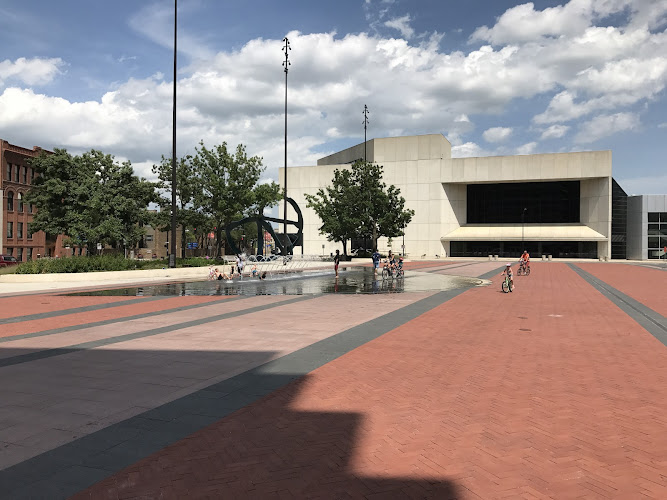
Cowles Commons
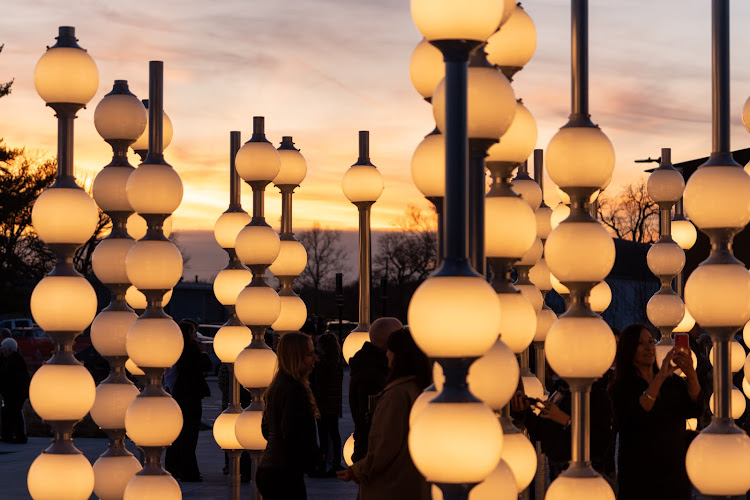
Des Moines Water Works Park

Ashby Park
Find Accommodations Nearby
Recommended Tours & Activities
Visitor Reviews
There are no reviews yet. Be the first one to write one.
Share Your Experience
Have you visited Des Moines? Help other travelers by leaving a review.