
Greater Des Moines Botanical Garden
About Greater Des Moines Botanical Garden
Description
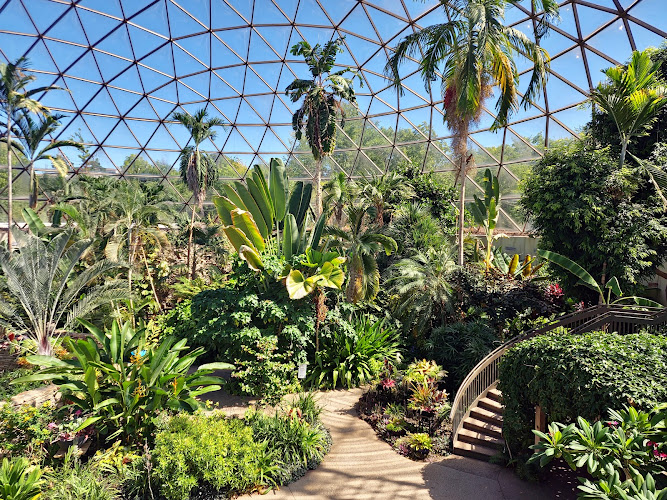
The Greater Des Moines Botanical Garden offers travelers an escape into a world where nature and architecture blend in unexpected ways. What really sets this place apart is its striking geodesic dome – and trust me, it's way more impressive in person than it sounds on paper. Inside this climate-controlled sphere, you'll find yourself surrounded by exotic plants from tropical and subtropical regions that have no business surviving an Iowa winter, yet there they are, thriving under the dome's protective glass panels. Beyond the dome, the outdoor gardens shift with Iowa's four distinct seasons, offering a different experience depending on when you visit. I've always found botanical gardens to be these quiet spaces where you can actually hear yourself think, and this one delivers on that promise while also serving up some genuinely educational moments through their rotating art exhibits and programming. What surprised me most about this botanical garden is how multifaceted it is. Sure, it's a place where you can geek out over plant species and learn about sustainable gardening practices. But it's also become a popular wedding venue – because apparently saying "I do" surrounded by flowering plants under a giant geodesic dome has become quite the thing. They've got a restaurant on-site too, which honestly makes sense when you think about it. Nothing works up an appetite quite like strolling through garden paths for an hour or two. The facility has earned a solid reputation among visitors, with the vast majority of people leaving thoroughly satisfied with their experience. Most travelers appreciate the combination of indoor and outdoor spaces, the educational value, and the peaceful atmosphere that's become increasingly rare in our screen-dominated world.Key Features
The Greater Des Moines Botanical Garden packs quite a bit into its grounds, making it more than just your typical walk-through-and-leave attraction. Here's what makes this place worth adding to your Iowa itinerary:- The Geodesic Dome: This architectural centerpiece houses tropical and subtropical plants year-round, maintaining consistent temperatures and humidity levels that keep everything from orchids to palms happy regardless of what's happening outside
- Seasonal Outdoor Gardens: Multiple garden areas showcase plants that change throughout the year, reflecting Iowa's natural growing seasons and demonstrating what actually thrives in the Midwest climate
- Educational Programs: Regular workshops, classes, and demonstrations cover everything from basic gardening techniques to specialized horticultural topics – perfect for travelers who want to take home knowledge along with photos
- Rotating Art Exhibitions: The garden doubles as an art space, with installations and exhibits that complement the natural surroundings and change throughout the year
- On-Site Restaurant: Tangerine Food Company serves meals and refreshments, letting you extend your visit without having to leave the premises when hunger strikes
- Gift Shop: A well-stocked shop offers plant-related items, gardening tools, and locally made products for those who can't resist bringing a piece of the garden home
- Full Accessibility: Wheelchair accessible throughout, including entrances, parking, restrooms, and seating areas – making it genuinely welcoming to all visitors
- Inclusive Facilities: Gender-neutral restrooms and a commitment to being an LGBTQ+ friendly and transgender safe space shows intentional effort toward creating welcoming environments
- Picnic-Friendly Spaces: Designated picnic areas with tables allow visitors to bring their own food and make a longer day of it
- Free Parking: Both on-site parking lots and street parking options available at no cost – a small detail that actually matters when you're planning a travel budget
Best Time to Visit
Here's the thing about timing your visit to the Greater Des Moines Botanical Garden – there really isn't a bad time, but there are definitely optimal times depending on what you're after. Spring, particularly April through May, brings the outdoor gardens to life in spectacular fashion. Tulips, daffodils, and other spring bloomers put on quite a show, and the energy of renewal after Iowa's harsh winters is palpable. You'll catch locals and travelers alike soaking up the warmer weather, so expect moderate crowds but nothing overwhelming. The dome remains consistently comfortable, offering a nice contrast to the sometimes unpredictable spring temperatures outside. Summer months from June through August showcase the gardens at their most lush. Everything's in full growth mode, the outdoor spaces are completely accessible, and the programming calendar tends to be packed with events and workshops. But here's my honest take – summer in Iowa can get pretty humid, and while the gardens are beautiful, you might find yourself seeking refuge in the air-conditioned dome more often than you'd like. Still, if you're only in Des Moines during summer months, don't let weather concerns stop you. Fall, especially September and October, might actually be my personal favorite time. The crowds thin out a bit after school starts, the temperatures become genuinely pleasant, and there's something special about seeing the outdoor gardens transition into their autumn colors while the tropical dome maintains its endless summer vibe. You get the best of both worlds. Winter visits have their own unique appeal. While the outdoor gardens are dormant, the geodesic dome becomes the star of the show. There's something almost defiant about walking through a tropical paradise while snow falls outside the glass panels. Holiday displays and winter programming add seasonal interest, and honestly, it's a great activity when cabin fever sets in during those long Iowa winters. Weekday mornings tend to be quieter than weekend afternoons, regardless of season. If you're someone who prefers contemplative experiences without dodging strollers and tour groups, aim for Tuesday through Thursday mornings. Weekends get busier, particularly when special events or exhibitions are happening.How to Get There
Getting to the Greater Des Moines Botanical Garden is refreshingly straightforward, which I appreciate since some attractions seem to pride themselves on being difficult to find. If you're flying into Des Moines, you'll land at Des Moines International Airport, which sits about 15-20 minutes from the botanical garden depending on traffic. Rental cars are available at the airport through all the major companies, and this is probably your most flexible option if you're planning to explore other Des Moines attractions during your stay. For those driving from other cities, Des Moines sits at the intersection of several major highways. Interstate 35 and Interstate 80 both run through the metro area, making it accessible from pretty much any direction. The botanical garden is located near downtown Des Moines, so once you're in the city proper, navigation becomes fairly simple. Just follow your GPS – this isn't one of those places where technology leads you astray. Rideshare services like Uber and Lyft operate throughout Des Moines and will get you right to the entrance. This works particularly well if you're staying at a downtown hotel and don't want to deal with parking or navigation. The fare from most downtown locations runs reasonable, though prices surge during peak times as they always do. Public transportation exists through the Des Moines Area Regional Transit Authority (DART), though I'll be honest – like many Midwestern cities, Des Moines was built with cars in mind. Bus routes do service the area near the botanical garden, but schedules might require more planning than other transportation options. Check the DART website for current routes and timing if this is your preferred method. The garden provides free parking in their on-site lot, which is surprisingly generous in an era where attractions nickel-and-dime visitors for every service. Additional free street parking is available in the surrounding area if the lot happens to be full during special events. The entrance and parking areas are well-marked and wheelchair accessible.Tips for Visiting
Let me share some practical wisdom that'll help you make the most of your time at the Greater Des Moines Botanical Garden, including a few things I wish someone had told me before my first visit. Plan for at least 90 minutes to two hours if you want to see everything at a comfortable pace. Sure, you could speed through in 45 minutes, but what's the point? The whole appeal of a botanical garden is slowing down and actually observing things. If you're someone who reads every plant label and sits on benches to soak in the atmosphere, budget three hours. Dress in layers, especially during spring and fall. The dome maintains tropical temperatures year-round, which means it might be 50 degrees outside but 75 degrees inside. Wearing a jacket you can easily remove and carry prevents that clammy, overdressed feeling once you step into the dome. Trust me on this one. Bring your camera or make sure your phone is charged. The lighting inside the dome can be tricky – lots of natural light but also shadows from the structural elements. Early morning and late afternoon tend to offer the best natural lighting for photography. And speaking of photos, the dome's architecture creates some genuinely Instagram-worthy shots if that's your thing. Check their event calendar before visiting. While drop-in visits are perfectly fine, the botanical garden regularly hosts workshops, concerts, and special exhibitions that might enhance your experience. Some events require advance registration or carry additional fees beyond general admission. The on-site restaurant, Tangerine, serves quality food at reasonable prices. Their menu leans toward fresh, seasonal ingredients which makes sense given the setting. You can grab lunch after touring the gardens, or start with a meal and then walk it off among the plants. Either way works. If you're visiting with kids, the botanical garden is genuinely family-friendly rather than just tolerating children like some cultural attractions. The open spaces allow kids to move around without constant "don't touch" warnings, though obviously the standard rules about staying on paths and being gentle with plants apply. Educational programming often includes family-focused options. Take advantage of the picnic areas if weather permits. You're allowed to bring your own food, and the picnic tables are situated in pleasant spots throughout the grounds. This is a money-saving tip that also lets you extend your visit without the pressure of restaurant timing. Visit the gift shop, even if you're not a typical souvenir buyer. They stock practical gardening items, locally made products, and plant-related books that are actually useful beyond being dust collectors. If you're into houseplants, they sometimes have interesting specimens you won't find at big box stores. The botanical garden takes accessibility seriously, so if you or anyone in your group has mobility concerns, don't hesitate to take advantage of the wheelchair-accessible facilities. Everything from parking to restrooms to viewing areas has been designed with universal access in mind. Finally, and this might sound odd, but visit the bathrooms even if you don't need them. The gender-neutral restrooms and the overall thoughtful facility design reflect a level of consideration that's worth noting. It's these details that separate a good attraction from a genuinely welcoming space. One last thing – the botanical garden isn't trying to compete with massive conservatories in major metropolitan areas. It's a Midwestern botanical garden that knows exactly what it is and does it well. Come with appropriate expectations, and you'll leave pleasantly satisfied rather than underwhelmed by unrealistic comparisons.Key Features
- Geodesic dome conservatory featuring tropical and seasonal displays
- 12 acres of curated outdoor gardens and native plantings
- Educational programming, workshops, and rotating exhibits
- On-site gift shop and café/restaurant options
- Popular venue for weddings and special events with downtown views
More Details
Updated January 18, 2026
Table of Contents
- Description
- Key Features
- Best Time to Visit
- How to Get There
- Tips for Visiting
- Key Highlights
- Location
- Places to Stay Near Greater Des Moines Botanical Garden
- Find and Book a Tour
- Explore More Travel Guides
- Nearby Places You Might Like
- Traveler Reviews for Greater Des Moines Botanical Garden
- Share Your Experience
Description
The Greater Des Moines Botanical Garden offers travelers an escape into a world where nature and architecture blend in unexpected ways. What really sets this place apart is its striking geodesic dome – and trust me, it’s way more impressive in person than it sounds on paper. Inside this climate-controlled sphere, you’ll find yourself surrounded by exotic plants from tropical and subtropical regions that have no business surviving an Iowa winter, yet there they are, thriving under the dome’s protective glass panels.
Beyond the dome, the outdoor gardens shift with Iowa’s four distinct seasons, offering a different experience depending on when you visit. I’ve always found botanical gardens to be these quiet spaces where you can actually hear yourself think, and this one delivers on that promise while also serving up some genuinely educational moments through their rotating art exhibits and programming.
What surprised me most about this botanical garden is how multifaceted it is. Sure, it’s a place where you can geek out over plant species and learn about sustainable gardening practices. But it’s also become a popular wedding venue – because apparently saying “I do” surrounded by flowering plants under a giant geodesic dome has become quite the thing. They’ve got a restaurant on-site too, which honestly makes sense when you think about it. Nothing works up an appetite quite like strolling through garden paths for an hour or two.
The facility has earned a solid reputation among visitors, with the vast majority of people leaving thoroughly satisfied with their experience. Most travelers appreciate the combination of indoor and outdoor spaces, the educational value, and the peaceful atmosphere that’s become increasingly rare in our screen-dominated world.
Key Features
The Greater Des Moines Botanical Garden packs quite a bit into its grounds, making it more than just your typical walk-through-and-leave attraction. Here’s what makes this place worth adding to your Iowa itinerary:
- The Geodesic Dome: This architectural centerpiece houses tropical and subtropical plants year-round, maintaining consistent temperatures and humidity levels that keep everything from orchids to palms happy regardless of what’s happening outside
- Seasonal Outdoor Gardens: Multiple garden areas showcase plants that change throughout the year, reflecting Iowa’s natural growing seasons and demonstrating what actually thrives in the Midwest climate
- Educational Programs: Regular workshops, classes, and demonstrations cover everything from basic gardening techniques to specialized horticultural topics – perfect for travelers who want to take home knowledge along with photos
- Rotating Art Exhibitions: The garden doubles as an art space, with installations and exhibits that complement the natural surroundings and change throughout the year
- On-Site Restaurant: Tangerine Food Company serves meals and refreshments, letting you extend your visit without having to leave the premises when hunger strikes
- Gift Shop: A well-stocked shop offers plant-related items, gardening tools, and locally made products for those who can’t resist bringing a piece of the garden home
- Full Accessibility: Wheelchair accessible throughout, including entrances, parking, restrooms, and seating areas – making it genuinely welcoming to all visitors
- Inclusive Facilities: Gender-neutral restrooms and a commitment to being an LGBTQ+ friendly and transgender safe space shows intentional effort toward creating welcoming environments
- Picnic-Friendly Spaces: Designated picnic areas with tables allow visitors to bring their own food and make a longer day of it
- Free Parking: Both on-site parking lots and street parking options available at no cost – a small detail that actually matters when you’re planning a travel budget
Best Time to Visit
Here’s the thing about timing your visit to the Greater Des Moines Botanical Garden – there really isn’t a bad time, but there are definitely optimal times depending on what you’re after.
Spring, particularly April through May, brings the outdoor gardens to life in spectacular fashion. Tulips, daffodils, and other spring bloomers put on quite a show, and the energy of renewal after Iowa’s harsh winters is palpable. You’ll catch locals and travelers alike soaking up the warmer weather, so expect moderate crowds but nothing overwhelming. The dome remains consistently comfortable, offering a nice contrast to the sometimes unpredictable spring temperatures outside.
Summer months from June through August showcase the gardens at their most lush. Everything’s in full growth mode, the outdoor spaces are completely accessible, and the programming calendar tends to be packed with events and workshops. But here’s my honest take – summer in Iowa can get pretty humid, and while the gardens are beautiful, you might find yourself seeking refuge in the air-conditioned dome more often than you’d like. Still, if you’re only in Des Moines during summer months, don’t let weather concerns stop you.
Fall, especially September and October, might actually be my personal favorite time. The crowds thin out a bit after school starts, the temperatures become genuinely pleasant, and there’s something special about seeing the outdoor gardens transition into their autumn colors while the tropical dome maintains its endless summer vibe. You get the best of both worlds.
Winter visits have their own unique appeal. While the outdoor gardens are dormant, the geodesic dome becomes the star of the show. There’s something almost defiant about walking through a tropical paradise while snow falls outside the glass panels. Holiday displays and winter programming add seasonal interest, and honestly, it’s a great activity when cabin fever sets in during those long Iowa winters.
Weekday mornings tend to be quieter than weekend afternoons, regardless of season. If you’re someone who prefers contemplative experiences without dodging strollers and tour groups, aim for Tuesday through Thursday mornings. Weekends get busier, particularly when special events or exhibitions are happening.
How to Get There
Getting to the Greater Des Moines Botanical Garden is refreshingly straightforward, which I appreciate since some attractions seem to pride themselves on being difficult to find.
If you’re flying into Des Moines, you’ll land at Des Moines International Airport, which sits about 15-20 minutes from the botanical garden depending on traffic. Rental cars are available at the airport through all the major companies, and this is probably your most flexible option if you’re planning to explore other Des Moines attractions during your stay.
For those driving from other cities, Des Moines sits at the intersection of several major highways. Interstate 35 and Interstate 80 both run through the metro area, making it accessible from pretty much any direction. The botanical garden is located near downtown Des Moines, so once you’re in the city proper, navigation becomes fairly simple. Just follow your GPS – this isn’t one of those places where technology leads you astray.
Rideshare services like Uber and Lyft operate throughout Des Moines and will get you right to the entrance. This works particularly well if you’re staying at a downtown hotel and don’t want to deal with parking or navigation. The fare from most downtown locations runs reasonable, though prices surge during peak times as they always do.
Public transportation exists through the Des Moines Area Regional Transit Authority (DART), though I’ll be honest – like many Midwestern cities, Des Moines was built with cars in mind. Bus routes do service the area near the botanical garden, but schedules might require more planning than other transportation options. Check the DART website for current routes and timing if this is your preferred method.
The garden provides free parking in their on-site lot, which is surprisingly generous in an era where attractions nickel-and-dime visitors for every service. Additional free street parking is available in the surrounding area if the lot happens to be full during special events. The entrance and parking areas are well-marked and wheelchair accessible.
Tips for Visiting
Let me share some practical wisdom that’ll help you make the most of your time at the Greater Des Moines Botanical Garden, including a few things I wish someone had told me before my first visit.
Plan for at least 90 minutes to two hours if you want to see everything at a comfortable pace. Sure, you could speed through in 45 minutes, but what’s the point? The whole appeal of a botanical garden is slowing down and actually observing things. If you’re someone who reads every plant label and sits on benches to soak in the atmosphere, budget three hours.
Dress in layers, especially during spring and fall. The dome maintains tropical temperatures year-round, which means it might be 50 degrees outside but 75 degrees inside. Wearing a jacket you can easily remove and carry prevents that clammy, overdressed feeling once you step into the dome. Trust me on this one.
Bring your camera or make sure your phone is charged. The lighting inside the dome can be tricky – lots of natural light but also shadows from the structural elements. Early morning and late afternoon tend to offer the best natural lighting for photography. And speaking of photos, the dome’s architecture creates some genuinely Instagram-worthy shots if that’s your thing.
Check their event calendar before visiting. While drop-in visits are perfectly fine, the botanical garden regularly hosts workshops, concerts, and special exhibitions that might enhance your experience. Some events require advance registration or carry additional fees beyond general admission.
The on-site restaurant, Tangerine, serves quality food at reasonable prices. Their menu leans toward fresh, seasonal ingredients which makes sense given the setting. You can grab lunch after touring the gardens, or start with a meal and then walk it off among the plants. Either way works.
If you’re visiting with kids, the botanical garden is genuinely family-friendly rather than just tolerating children like some cultural attractions. The open spaces allow kids to move around without constant “don’t touch” warnings, though obviously the standard rules about staying on paths and being gentle with plants apply. Educational programming often includes family-focused options.
Take advantage of the picnic areas if weather permits. You’re allowed to bring your own food, and the picnic tables are situated in pleasant spots throughout the grounds. This is a money-saving tip that also lets you extend your visit without the pressure of restaurant timing.
Visit the gift shop, even if you’re not a typical souvenir buyer. They stock practical gardening items, locally made products, and plant-related books that are actually useful beyond being dust collectors. If you’re into houseplants, they sometimes have interesting specimens you won’t find at big box stores.
The botanical garden takes accessibility seriously, so if you or anyone in your group has mobility concerns, don’t hesitate to take advantage of the wheelchair-accessible facilities. Everything from parking to restrooms to viewing areas has been designed with universal access in mind.
Finally, and this might sound odd, but visit the bathrooms even if you don’t need them. The gender-neutral restrooms and the overall thoughtful facility design reflect a level of consideration that’s worth noting. It’s these details that separate a good attraction from a genuinely welcoming space.
One last thing – the botanical garden isn’t trying to compete with massive conservatories in major metropolitan areas. It’s a Midwestern botanical garden that knows exactly what it is and does it well. Come with appropriate expectations, and you’ll leave pleasantly satisfied rather than underwhelmed by unrealistic comparisons.
Key Highlights
- Geodesic dome conservatory featuring tropical and seasonal displays
- 12 acres of curated outdoor gardens and native plantings
- Educational programming, workshops, and rotating exhibits
- On-site gift shop and café/restaurant options
- Popular venue for weddings and special events with downtown views
Location
Places to Stay Near Greater Des Moines Botanical Garden
Find and Book a Tour
Explore More Travel Guides
No reviews found! Be the first to review!
Traveler Reviews for Greater Des Moines Botanical Garden
There are no reviews yet. Be the first one to write one.
Have you visited Greater Des Moines Botanical Garden? Help other travelers by sharing your review.
Nearby Attractions
You Might Also Like

Ashby Park

Iowa State Capitol
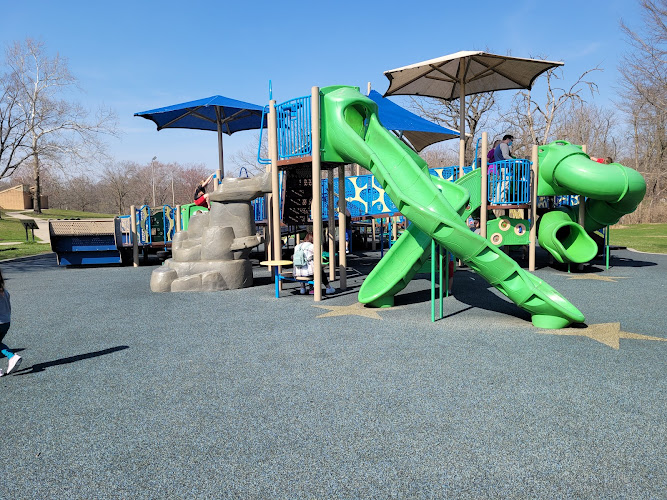
Ashley Okland Star Playground
Find Accommodations Nearby
Recommended Tours & Activities
Visitor Reviews
There are no reviews yet. Be the first one to write one.
Share Your Experience
Have you visited Greater Des Moines Botanical Garden? Help other travelers by leaving a review.