

Lisbon
About Lisbon
Description
Lisbon has this magnetic quality that's hard to put into words. I remember my first morning there, stumbling out of my hotel with jet lag and being immediately struck by how the light hits those famous pastel buildings differently than anywhere else I've traveled. This isn't your typical European capital – it's grittier, more authentic, less polished around the edges in the best possible way. The city sprawls across seven hills overlooking the Tagus Estuary, and trust me, you'll feel every single one of those inclines in your calves by day two. But that's part of Lisbon's charm. The Portuguese capital doesn't try to make things easy for you, and somehow that makes discovering it all the more rewarding. You'll find yourself wandering through neighborhoods where laundry hangs between buildings, where old ladies lean out of windows to chat with neighbors, where street art transforms entire building facades into open-air galleries. What really sets Lisbon apart from other European capitals is this wonderful collision of old and new. São Jorge Castle dominates the skyline, standing watch over the city like it has for centuries, while down below you've got innovative restaurants reimagining Portuguese cuisine and tech startups choosing Lisbon over Berlin or London. The city's having this moment right now – it's become a magnet for digital nomads, creative types, and travelers who want something a bit more raw and real than Paris or Rome. And then there's the water. The Tagus is always there, this massive presence that opens up to the Atlantic just beyond the city limits. The estuary creates this unique microclimate and gives Lisbon an almost perpetual golden hour that photographers absolutely lose their minds over. The Ponte 25 de Abril bridge stretches across the water, looking remarkably similar to San Francisco's Golden Gate (same designer, actually), connecting Lisbon to the southern suburbs and Cristo Rei statue.Key Features
The National Azulejo Museum deserves way more attention than most guidebooks give it. These aren't just pretty tiles – they're five centuries of Portuguese history told through ceramic art. You'll see everything from geometric Moorish patterns to elaborate narrative scenes depicting historical events. The museum itself sits in a former convent, which adds another layer of beauty to the whole experience. • The historic tram system, particularly Tram 28, winds through the oldest neighborhoods of Alfama, Graça, and Baixa. Yes, it's touristy now, but there's a reason for that • Belém district houses the iconic Jerónimos Monastery and Tower of Belém, both UNESCO World Heritage sites that showcase Portugal's Age of Discovery architecture • Time Out Market brings together some of Lisbon's best chefs and food vendors under one roof in a renovated market space • LX Factory, a creative hub in a former industrial complex, offers independent shops, restaurants, and cultural spaces that feel authentically Lisbon • The Miradouros (viewpoints) scattered across the hills provide stunning panoramic views, with Miradouro da Senhora do Monte being particularly spectacular at sunset • Fado houses in Alfama and Bairro Alto where you can experience Portugal's melancholic traditional music performed live • The coastal strip extending to Cascais and Estoril offers accessible beach escapes without leaving the greater Lisbon area • Street art tours reveal works by internationally recognized artists alongside local talent in neighborhoods like MourariaBest Time to Visit
Here's where I'm gonna be honest with you – summer in Lisbon can be a bit much. July and August bring crowds that transform the city's narrow streets into human traffic jams, and temperatures regularly climb above 35°C (95°F). Plus, accommodation prices basically double. I learned this the hard way on my second visit when I couldn't get a table at any decent restaurant without waiting an hour. Spring, specifically April through early June, is when Lisbon really shines. The jacaranda trees bloom purple along the streets, outdoor festivals start popping up, and the weather sits in that perfect 20-25°C (68-77°F) range. You can actually move around without feeling like you're part of a tourist parade, and locals haven't fled to their August beach houses yet. September through October offers similar advantages. The Atlantic's actually warmed up enough for comfortable swimming, the summer crowds have dispersed, and there's this lovely mellowness that settles over the city. The light during autumn is absolutely gorgeous – softer and more golden than summer's harsh brightness. Winter shouldn't be completely written off either. Sure, it rains more frequently and you'll need a jacket, but Lisbon never gets truly cold by Northern European standards. Hotel prices drop significantly, and there's something appealing about having major attractions mostly to yourself. Christmas markets and New Year celebrations add their own appeal. Just pack an umbrella and embrace the moody atmosphere. One more thing – avoid Portuguese public holidays if possible, particularly June when Lisbon celebrates Santo António with city-wide festivities. It's amazing if you're into that, but impossible if you're trying to actually see the sights.How to Get There
Humberto Delgado Airport, also called Portela Airport, sits just seven kilometers from central Lisbon. This makes getting into the city refreshingly straightforward compared to airports in other European capitals that dump you 30+ kilometers away. The metro's red line connects directly to the airport, and for roughly €1.50 you can reach downtown in about 20 minutes. You'll need to buy a reusable Viva Viagem card first, which costs €0.50, but you can keep using it for all public transport during your stay. The Aerobus runs every 20 minutes and stops at major hotels and tourist areas. It costs around €4 and takes roughly the same time as the metro, but you get luggage space and don't have to navigate stairs with your bags. Taxis and Uber are widely available too – expect to pay €10-15 for the trip depending on traffic and your exact destination. But honestly? Flying isn't the only way into Lisbon, and sometimes it's not even the best. The train network connects Lisbon to other Portuguese cities and to Spain. I took the train from Porto once and loved watching the countryside roll past for three hours. The Santa Apolónia and Oriente stations are both well-connected to public transport. Driving into Lisbon is possible but I wouldn't recommend it unless you absolutely need a car for trips outside the city. Those hills combined with narrow medieval streets and aggressive local drivers make for a stressful introduction. Parking is expensive and difficult to find. If you're planning beach trips to Cascais or Sintra, you can easily catch trains from central stations – the coastal train from Cais do Sodré to Cascais is actually one of the prettiest commuter routes you'll ever take. International bus services from other European cities arrive at the Sete Rios terminal. It's budget-friendly but obviously takes considerably longer than flying.Tips for Visiting
First thing – wear comfortable shoes with good grip. I can't stress this enough. Lisbon's hills are steep and those lovely traditional calcada portuguesa pavements (black and white mosaic sidewalks) become incredibly slippery when wet. I watched three people fall on my last visit after a light rain. Heels are basically out of the question unless you're only staying in flat modern areas. Learn a few Portuguese phrases. Unlike in some European capitals, English isn't universally spoken, especially in traditional neighborhoods and smaller establishments. The effort is appreciated, and I've noticed Portuguese people become noticeably warmer when you at least try. "Obrigado" (if you're male) or "Obrigada" (if you're female), "por favor," and "desculpe" will get you surprisingly far. Eat where locals eat, which usually means stepping away from the main tourist drags. If you see a restaurant with laminated menus in five languages displaying photos of every dish, keep walking. Look for places with handwritten menus, older Portuguese clientele, and that slightly worn-in feeling. They'll serve you better food at half the price. And for the love of everything holy, try the seafood – Lisbon's coastal location means incredible fish and shellfish that doesn't cost a fortune. The Lisboa Card can save money if you're planning to hit multiple museums and use public transport extensively, but do the math first. For shorter stays focused on wandering and soaking up atmosphere rather than ticking off attractions, it might not be worth it. Be aware of pickpockets, particularly on crowded trams and in touristy areas like Baixa and Belém. This isn't unique to Lisbon and the city's generally quite safe, but keep your wits about you in crowds. I use a cross-body bag that zips closed and keep my phone in a front pocket. Don't skip the neighborhoods beyond the main tourist zones. Mouraria offers amazing multicultural food scenes and fewer crowds. Campo de Ourique feels like a proper Lisbon residential neighborhood with excellent local cafes and shops. Parque das Nações, built for the 1998 World Expo, showcases modern Lisbon with its contemporary architecture and waterfront location. Try to pace yourself. Lisbon rewards slow exploration rather than rushed sightseeing. Schedule breaks at outdoor cafes, factor in time to get lost in Alfama's maze-like streets, and don't try to do too much in one day. The hills alone will slow you down anyway. Dinner starts late here, typically after 8 PM, and restaurants don't really get busy until 9 PM or later. Adjust your meal times accordingly or you'll find yourself eating in empty restaurants surrounded by staff preparing for actual dinner service. Finally, venture beyond Lisbon proper if time allows. Sintra's fairy-tale palaces sit just 30 minutes away by train. The Atlantic beaches are equally accessible. But honestly? You could easily spend a week in Lisbon itself and still feel like you're leaving things undiscovered. That's exactly the kind of place it is.Key Features
- Historic Azorean-influenced architecture and colorful colonial facades
- Calm bays and tidal pools ideal for swimming and snorkeling
- Active artisan scene with local handicrafts and renda (lace)
- Seafront promenades and seafood restaurants serving regional cuisine
- Close proximity to other northern Florianópolis beaches and viewpoints
More Details
Updated January 18, 2026
Table of Contents
Description
Lisbon has this magnetic quality that’s hard to put into words. I remember my first morning there, stumbling out of my hotel with jet lag and being immediately struck by how the light hits those famous pastel buildings differently than anywhere else I’ve traveled. This isn’t your typical European capital – it’s grittier, more authentic, less polished around the edges in the best possible way.
The city sprawls across seven hills overlooking the Tagus Estuary, and trust me, you’ll feel every single one of those inclines in your calves by day two. But that’s part of Lisbon’s charm. The Portuguese capital doesn’t try to make things easy for you, and somehow that makes discovering it all the more rewarding. You’ll find yourself wandering through neighborhoods where laundry hangs between buildings, where old ladies lean out of windows to chat with neighbors, where street art transforms entire building facades into open-air galleries.
What really sets Lisbon apart from other European capitals is this wonderful collision of old and new. São Jorge Castle dominates the skyline, standing watch over the city like it has for centuries, while down below you’ve got innovative restaurants reimagining Portuguese cuisine and tech startups choosing Lisbon over Berlin or London. The city’s having this moment right now – it’s become a magnet for digital nomads, creative types, and travelers who want something a bit more raw and real than Paris or Rome.
And then there’s the water. The Tagus is always there, this massive presence that opens up to the Atlantic just beyond the city limits. The estuary creates this unique microclimate and gives Lisbon an almost perpetual golden hour that photographers absolutely lose their minds over. The Ponte 25 de Abril bridge stretches across the water, looking remarkably similar to San Francisco’s Golden Gate (same designer, actually), connecting Lisbon to the southern suburbs and Cristo Rei statue.
Key Features
The National Azulejo Museum deserves way more attention than most guidebooks give it. These aren’t just pretty tiles – they’re five centuries of Portuguese history told through ceramic art. You’ll see everything from geometric Moorish patterns to elaborate narrative scenes depicting historical events. The museum itself sits in a former convent, which adds another layer of beauty to the whole experience.
• The historic tram system, particularly Tram 28, winds through the oldest neighborhoods of Alfama, Graça, and Baixa. Yes, it’s touristy now, but there’s a reason for that
• Belém district houses the iconic Jerónimos Monastery and Tower of Belém, both UNESCO World Heritage sites that showcase Portugal’s Age of Discovery architecture
• Time Out Market brings together some of Lisbon’s best chefs and food vendors under one roof in a renovated market space
• LX Factory, a creative hub in a former industrial complex, offers independent shops, restaurants, and cultural spaces that feel authentically Lisbon
• The Miradouros (viewpoints) scattered across the hills provide stunning panoramic views, with Miradouro da Senhora do Monte being particularly spectacular at sunset
• Fado houses in Alfama and Bairro Alto where you can experience Portugal’s melancholic traditional music performed live
• The coastal strip extending to Cascais and Estoril offers accessible beach escapes without leaving the greater Lisbon area
• Street art tours reveal works by internationally recognized artists alongside local talent in neighborhoods like Mouraria
Best Time to Visit
Here’s where I’m gonna be honest with you – summer in Lisbon can be a bit much. July and August bring crowds that transform the city’s narrow streets into human traffic jams, and temperatures regularly climb above 35°C (95°F). Plus, accommodation prices basically double. I learned this the hard way on my second visit when I couldn’t get a table at any decent restaurant without waiting an hour.
Spring, specifically April through early June, is when Lisbon really shines. The jacaranda trees bloom purple along the streets, outdoor festivals start popping up, and the weather sits in that perfect 20-25°C (68-77°F) range. You can actually move around without feeling like you’re part of a tourist parade, and locals haven’t fled to their August beach houses yet.
September through October offers similar advantages. The Atlantic’s actually warmed up enough for comfortable swimming, the summer crowds have dispersed, and there’s this lovely mellowness that settles over the city. The light during autumn is absolutely gorgeous – softer and more golden than summer’s harsh brightness.
Winter shouldn’t be completely written off either. Sure, it rains more frequently and you’ll need a jacket, but Lisbon never gets truly cold by Northern European standards. Hotel prices drop significantly, and there’s something appealing about having major attractions mostly to yourself. Christmas markets and New Year celebrations add their own appeal. Just pack an umbrella and embrace the moody atmosphere.
One more thing – avoid Portuguese public holidays if possible, particularly June when Lisbon celebrates Santo António with city-wide festivities. It’s amazing if you’re into that, but impossible if you’re trying to actually see the sights.
How to Get There
Humberto Delgado Airport, also called Portela Airport, sits just seven kilometers from central Lisbon. This makes getting into the city refreshingly straightforward compared to airports in other European capitals that dump you 30+ kilometers away. The metro’s red line connects directly to the airport, and for roughly €1.50 you can reach downtown in about 20 minutes. You’ll need to buy a reusable Viva Viagem card first, which costs €0.50, but you can keep using it for all public transport during your stay.
The Aerobus runs every 20 minutes and stops at major hotels and tourist areas. It costs around €4 and takes roughly the same time as the metro, but you get luggage space and don’t have to navigate stairs with your bags. Taxis and Uber are widely available too – expect to pay €10-15 for the trip depending on traffic and your exact destination.
But honestly? Flying isn’t the only way into Lisbon, and sometimes it’s not even the best. The train network connects Lisbon to other Portuguese cities and to Spain. I took the train from Porto once and loved watching the countryside roll past for three hours. The Santa Apolónia and Oriente stations are both well-connected to public transport.
Driving into Lisbon is possible but I wouldn’t recommend it unless you absolutely need a car for trips outside the city. Those hills combined with narrow medieval streets and aggressive local drivers make for a stressful introduction. Parking is expensive and difficult to find. If you’re planning beach trips to Cascais or Sintra, you can easily catch trains from central stations – the coastal train from Cais do Sodré to Cascais is actually one of the prettiest commuter routes you’ll ever take.
International bus services from other European cities arrive at the Sete Rios terminal. It’s budget-friendly but obviously takes considerably longer than flying.
Tips for Visiting
First thing – wear comfortable shoes with good grip. I can’t stress this enough. Lisbon’s hills are steep and those lovely traditional calcada portuguesa pavements (black and white mosaic sidewalks) become incredibly slippery when wet. I watched three people fall on my last visit after a light rain. Heels are basically out of the question unless you’re only staying in flat modern areas.
Learn a few Portuguese phrases. Unlike in some European capitals, English isn’t universally spoken, especially in traditional neighborhoods and smaller establishments. The effort is appreciated, and I’ve noticed Portuguese people become noticeably warmer when you at least try. “Obrigado” (if you’re male) or “Obrigada” (if you’re female), “por favor,” and “desculpe” will get you surprisingly far.
Eat where locals eat, which usually means stepping away from the main tourist drags. If you see a restaurant with laminated menus in five languages displaying photos of every dish, keep walking. Look for places with handwritten menus, older Portuguese clientele, and that slightly worn-in feeling. They’ll serve you better food at half the price. And for the love of everything holy, try the seafood – Lisbon’s coastal location means incredible fish and shellfish that doesn’t cost a fortune.
The Lisboa Card can save money if you’re planning to hit multiple museums and use public transport extensively, but do the math first. For shorter stays focused on wandering and soaking up atmosphere rather than ticking off attractions, it might not be worth it.
Be aware of pickpockets, particularly on crowded trams and in touristy areas like Baixa and Belém. This isn’t unique to Lisbon and the city’s generally quite safe, but keep your wits about you in crowds. I use a cross-body bag that zips closed and keep my phone in a front pocket.
Don’t skip the neighborhoods beyond the main tourist zones. Mouraria offers amazing multicultural food scenes and fewer crowds. Campo de Ourique feels like a proper Lisbon residential neighborhood with excellent local cafes and shops. Parque das Nações, built for the 1998 World Expo, showcases modern Lisbon with its contemporary architecture and waterfront location.
Try to pace yourself. Lisbon rewards slow exploration rather than rushed sightseeing. Schedule breaks at outdoor cafes, factor in time to get lost in Alfama’s maze-like streets, and don’t try to do too much in one day. The hills alone will slow you down anyway.
Dinner starts late here, typically after 8 PM, and restaurants don’t really get busy until 9 PM or later. Adjust your meal times accordingly or you’ll find yourself eating in empty restaurants surrounded by staff preparing for actual dinner service.
Finally, venture beyond Lisbon proper if time allows. Sintra’s fairy-tale palaces sit just 30 minutes away by train. The Atlantic beaches are equally accessible. But honestly? You could easily spend a week in Lisbon itself and still feel like you’re leaving things undiscovered. That’s exactly the kind of place it is.
Key Highlights
- Historic Azorean-influenced architecture and colorful colonial facades
- Calm bays and tidal pools ideal for swimming and snorkeling
- Active artisan scene with local handicrafts and renda (lace)
- Seafront promenades and seafood restaurants serving regional cuisine
- Close proximity to other northern Florianópolis beaches and viewpoints
Location
Places to Stay Near Lisbon
Find and Book a Tour
Explore More Travel Guides
No reviews found! Be the first to review!
Traveler Reviews for Lisbon
There are no reviews yet. Be the first one to write one.
Have you visited Lisbon? Help other travelers by sharing your review.
Nearby Attractions
You Might Also Like

Parque Florestal de Monsanto

Mercado de Santa Clara
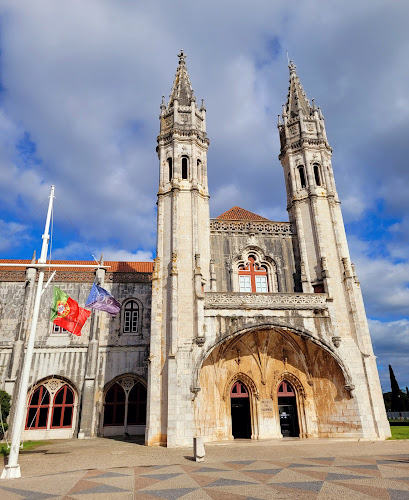
Museu de Marinha
Find Accommodations Nearby
Recommended Tours & Activities
Visitor Reviews
There are no reviews yet. Be the first one to write one.
Share Your Experience
Have you visited Lisbon? Help other travelers by leaving a review.