
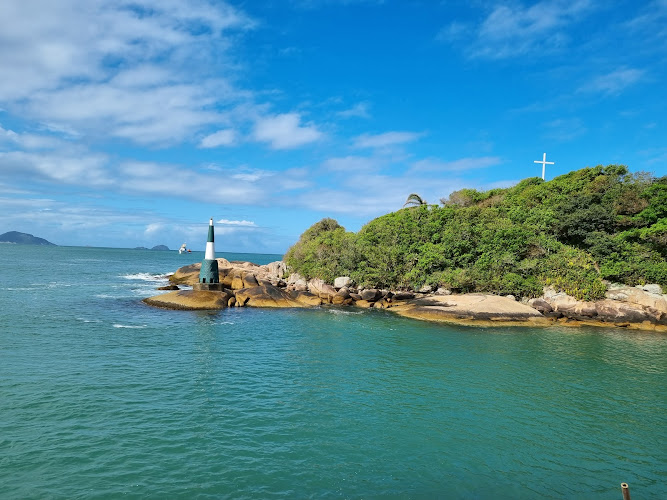
Praia da Barra da Lagoa
About Praia da Barra da Lagoa
Description
Praia da Barra da Lagoa represents one of those rare coastal gems where traditional fishing village charm meets serious surf culture. Located in Florianópolis, this stretch of golden sand has managed to maintain its authentic character despite being discovered by wave riders from across the globe. The beach draws its name from the lagoon bar where freshwater meets the Atlantic Ocean, creating a unique geographical feature that shapes everything from the local ecosystem to the quality of waves that roll in. What makes this place genuinely special is how it hasn't completely surrendered to tourism's homogenizing effects. You'll still find fishermen mending their nets early in the morning, their colorful boats pulled up on the sand like they've been doing for generations. And yes, right next to them you'll see surfers waxing their longboards, waiting for the next set. This juxtaposition feels natural here rather than forced, like both worlds actually belong together. The beach itself stretches for about a kilometer, offering plenty of space even during busier periods. The sand has that light golden quality that photographs beautifully, though honestly I think it looks better in person when the late afternoon sun hits it just right. The water temperature stays relatively mild compared to other Southern Brazilian beaches, making it more forgiving for those who want to spend extended time in the waves. Behind the beach, the small community maintains a laid-back atmosphere with restaurants serving fresh seafood that was probably swimming that same morning. The surrounding Atlantic Forest provides hiking opportunities for when you've had enough sun, and the nearby lagoon offers calmer waters if the ocean feels too intense. It's this variety packed into a relatively compact area that keeps people coming back season after season.Key Features
- Consistent surf conditions particularly suited for longboarding, with waves that maintain good form throughout most of the year
- Traditional fishing village atmosphere that hasn't been completely overtaken by commercial development
- Canal connecting Lagoa da Conceição to the ocean, creating unique tidal patterns and excellent fishing spots
- Multiple beachfront restaurants and bars serving authentic local cuisine, especially fresh seafood
- Hiking trails leading to Praia da Galheta and other neighboring beaches through preserved Atlantic Forest
- Natural rock formations providing shelter and creating distinct sections along the beach
- Active local community that organizes cultural events and maintains traditional festivals
- Mix of wave conditions suitable for different skill levels, from beginners to experienced surfers
- Relatively family-friendly atmosphere compared to some of Florianópolis's party-focused beaches
- Easy access to both ocean activities and lagoon water sports within walking distance
Best Time to Visit
The answer really depends on what you're after, because Barra da Lagoa shifts personality throughout the year. Summer months from December through March bring warm weather and the biggest crowds. Water temperatures reach their peak, sometimes hitting 25°C (77°F), which feels comfortable even for extended swimming sessions. But here's the thing - this is when Brazilian schools are out and everyone descends on Florianópolis. The beach gets packed, prices climb, and finding parking becomes an Olympic sport. I personally think the shoulder seasons offer the sweet spot. April through June and September through November give you milder weather that's still perfectly pleasant for beach activities. The water stays warm enough for swimming without a wetsuit, though you might want to bring one if you plan on staying in for hours. More importantly, the crowds thin out considerably. You'll actually be able to spread out your towel without negotiating territorial disputes with your neighbors. For surfers specifically, the autumn and winter months (March to August) typically deliver the most consistent swells. The waves get bigger and more powerful, which is exactly what longboard enthusiasts are looking for. Yes, the water gets cooler - dropping to around 18°C (64°F) in winter - but nothing a decent wetsuit can't handle. The tradeoff is worth it when you're catching clean sets without battling for position with fifty other people. Winter also brings clearer skies after storm systems pass through, creating those postcard-perfect days where the light seems to make everything more crisp and defined. The surrounding forest looks particularly lush during this time too, if you're planning to explore the hiking trails. One thing to consider: Brazilian holidays can transform even the quietest season into temporary chaos. Carnival, Easter, and extended holiday weekends bring surges of visitors regardless of when they fall on the calendar. If you're seeking solitude, check the Brazilian holiday schedule before booking.How to Get There
Getting to Barra da Lagoa requires a bit of planning but nothing too complicated. Most visitors fly into Florianópolis International Airport (Hercílio Luz), which sits about 35 kilometers from the beach. The airport handles domestic flights from major Brazilian cities and some international connections, mainly from other South American countries. From the airport, you've got several options. Renting a car makes the most sense if you plan on exploring multiple beaches around the island, and the drive takes roughly 45 minutes depending on traffic. You'll head north on the SC-401 highway, following signs toward the eastern beaches. The route is straightforward though it can get congested during peak season, particularly on weekend afternoons when day-trippers are heading back to the mainland. Taxis and ride-sharing services like Uber operate from the airport, with fares typically running between 100-150 Brazilian Reais depending on time of day and demand. Make sure to agree on a price beforehand if taking a regular taxi, or just stick with the apps to avoid any misunderstandings. Public transportation exists but requires patience and time. You'll need to take a bus to the city center (TICEN terminal) and then catch another bus specifically to Barra da Lagoa. The entire journey can take two hours or more, though it's definitely the budget option if you're not in a hurry. Once you're staying in Florianópolis, local buses run regularly to Barra da Lagoa from various points around the island. The frequency increases during summer months. If you're based in nearby Lagoa da Conceição, you can even walk or bike along the canal path, which takes about 30-40 minutes on foot and offers nice views along the way. Parking at the beach itself can be challenging during high season. There are some paid lots near the main beach access points, but they fill up quickly on weekends. Arriving early morning or late afternoon helps, and some visitors prefer to park in the residential streets a few blocks back and walk in. Just respect any posted restrictions - parking tickets are real and annoying in any language.Tips for Visiting
Bring cash because not every beachfront vendor accepts cards, especially the smaller kiosks selling drinks and snacks. ATMs exist in the village but they sometimes run out during busy weekends, which leaves you in an awkward position if you've committed to a seafood feast. The seafood restaurants along the beach serve generous portions. I mean really generous. Don't make the mistake of ordering multiple dishes per person thinking you'll still be hungry - one well-chosen entrée often feeds two people comfortably. The local fish stew (caldeirada) deserves your attention if you're into that sort of thing. For surfers, the northern end of the beach typically offers the best and most consistent waves. The southern section near the canal tends to be calmer, making it better for swimming or trying your hand at surfing if you're still learning. Locals are generally welcoming but do follow basic surf etiquette - don't drop in on someone else's wave and wait your turn in the lineup. The hiking trail to Praia da Galheta starts from the southern end of Barra da Lagoa and takes about 20-30 minutes depending on your fitness level. It's worth doing even if you don't plan on spending much time at Galheta itself, just for the viewpoints along the way. Wear proper shoes though, not flip-flops, because the trail gets rocky and slippery in sections. Sun protection here is serious business. The Brazilian sun doesn't mess around, especially between 10am and 3pm. Even on cloudy days you'll burn faster than you expect. Reapply sunscreen more frequently than you think necessary, particularly after swimming. The small canal area where the lagoon meets the ocean creates interesting currents. It's fascinating to watch but not the best place for inexperienced swimmers, especially when the tide is going out. Stick to the main beach sections if you're with kids or aren't confident in strong currents. Local restaurants get packed during lunch hours, roughly between noon and 2pm. Showing up slightly earlier or later means shorter waits and better service. The evening scene is more relaxed, with many places staying open until late serving drinks and lighter fare. Weekdays offer a completely different experience than weekends. If your schedule allows flexibility, visiting Tuesday through Thursday gives you a much more authentic feel for the place without the crowds overwhelming everything. You'll actually hear the waves instead of just beach music from competing sound systems. Bring a reusable water bottle and refill it rather than buying plastic bottles constantly. Several restaurants will refill your bottle if you ask politely, and it's better for the beach environment which frankly could use everyone's help staying clean. Don't skip exploring the village itself beyond just the beach. Walking through the residential streets reveals colorful houses, small local shops, and cafes that cater more to residents than tourists. This is where you'll find cheaper prices and more authentic interaction with the community that actually lives here year-round.Key Features
- Working fishing village with Azorean cultural roots
- Long golden sandy beach with calm channel-influenced waters
- Beginner-friendly surf breaks and local surf schools
- Pier, small lighthouse and photo-friendly coastal scenery
- Restaurants and artisan stalls serving fresh seafood and local crafts
More Details
Updated January 18, 2026
Table of Contents
Description
Praia da Barra da Lagoa represents one of those rare coastal gems where traditional fishing village charm meets serious surf culture. Located in Florianópolis, this stretch of golden sand has managed to maintain its authentic character despite being discovered by wave riders from across the globe. The beach draws its name from the lagoon bar where freshwater meets the Atlantic Ocean, creating a unique geographical feature that shapes everything from the local ecosystem to the quality of waves that roll in.
What makes this place genuinely special is how it hasn’t completely surrendered to tourism’s homogenizing effects. You’ll still find fishermen mending their nets early in the morning, their colorful boats pulled up on the sand like they’ve been doing for generations. And yes, right next to them you’ll see surfers waxing their longboards, waiting for the next set. This juxtaposition feels natural here rather than forced, like both worlds actually belong together.
The beach itself stretches for about a kilometer, offering plenty of space even during busier periods. The sand has that light golden quality that photographs beautifully, though honestly I think it looks better in person when the late afternoon sun hits it just right. The water temperature stays relatively mild compared to other Southern Brazilian beaches, making it more forgiving for those who want to spend extended time in the waves.
Behind the beach, the small community maintains a laid-back atmosphere with restaurants serving fresh seafood that was probably swimming that same morning. The surrounding Atlantic Forest provides hiking opportunities for when you’ve had enough sun, and the nearby lagoon offers calmer waters if the ocean feels too intense. It’s this variety packed into a relatively compact area that keeps people coming back season after season.
Key Features
- Consistent surf conditions particularly suited for longboarding, with waves that maintain good form throughout most of the year
- Traditional fishing village atmosphere that hasn’t been completely overtaken by commercial development
- Canal connecting Lagoa da Conceição to the ocean, creating unique tidal patterns and excellent fishing spots
- Multiple beachfront restaurants and bars serving authentic local cuisine, especially fresh seafood
- Hiking trails leading to Praia da Galheta and other neighboring beaches through preserved Atlantic Forest
- Natural rock formations providing shelter and creating distinct sections along the beach
- Active local community that organizes cultural events and maintains traditional festivals
- Mix of wave conditions suitable for different skill levels, from beginners to experienced surfers
- Relatively family-friendly atmosphere compared to some of Florianópolis’s party-focused beaches
- Easy access to both ocean activities and lagoon water sports within walking distance
Best Time to Visit
The answer really depends on what you’re after, because Barra da Lagoa shifts personality throughout the year. Summer months from December through March bring warm weather and the biggest crowds. Water temperatures reach their peak, sometimes hitting 25°C (77°F), which feels comfortable even for extended swimming sessions. But here’s the thing – this is when Brazilian schools are out and everyone descends on Florianópolis. The beach gets packed, prices climb, and finding parking becomes an Olympic sport.
I personally think the shoulder seasons offer the sweet spot. April through June and September through November give you milder weather that’s still perfectly pleasant for beach activities. The water stays warm enough for swimming without a wetsuit, though you might want to bring one if you plan on staying in for hours. More importantly, the crowds thin out considerably. You’ll actually be able to spread out your towel without negotiating territorial disputes with your neighbors.
For surfers specifically, the autumn and winter months (March to August) typically deliver the most consistent swells. The waves get bigger and more powerful, which is exactly what longboard enthusiasts are looking for. Yes, the water gets cooler – dropping to around 18°C (64°F) in winter – but nothing a decent wetsuit can’t handle. The tradeoff is worth it when you’re catching clean sets without battling for position with fifty other people.
Winter also brings clearer skies after storm systems pass through, creating those postcard-perfect days where the light seems to make everything more crisp and defined. The surrounding forest looks particularly lush during this time too, if you’re planning to explore the hiking trails.
One thing to consider: Brazilian holidays can transform even the quietest season into temporary chaos. Carnival, Easter, and extended holiday weekends bring surges of visitors regardless of when they fall on the calendar. If you’re seeking solitude, check the Brazilian holiday schedule before booking.
How to Get There
Getting to Barra da Lagoa requires a bit of planning but nothing too complicated. Most visitors fly into Florianópolis International Airport (Hercílio Luz), which sits about 35 kilometers from the beach. The airport handles domestic flights from major Brazilian cities and some international connections, mainly from other South American countries.
From the airport, you’ve got several options. Renting a car makes the most sense if you plan on exploring multiple beaches around the island, and the drive takes roughly 45 minutes depending on traffic. You’ll head north on the SC-401 highway, following signs toward the eastern beaches. The route is straightforward though it can get congested during peak season, particularly on weekend afternoons when day-trippers are heading back to the mainland.
Taxis and ride-sharing services like Uber operate from the airport, with fares typically running between 100-150 Brazilian Reais depending on time of day and demand. Make sure to agree on a price beforehand if taking a regular taxi, or just stick with the apps to avoid any misunderstandings.
Public transportation exists but requires patience and time. You’ll need to take a bus to the city center (TICEN terminal) and then catch another bus specifically to Barra da Lagoa. The entire journey can take two hours or more, though it’s definitely the budget option if you’re not in a hurry.
Once you’re staying in Florianópolis, local buses run regularly to Barra da Lagoa from various points around the island. The frequency increases during summer months. If you’re based in nearby Lagoa da Conceição, you can even walk or bike along the canal path, which takes about 30-40 minutes on foot and offers nice views along the way.
Parking at the beach itself can be challenging during high season. There are some paid lots near the main beach access points, but they fill up quickly on weekends. Arriving early morning or late afternoon helps, and some visitors prefer to park in the residential streets a few blocks back and walk in. Just respect any posted restrictions – parking tickets are real and annoying in any language.
Tips for Visiting
Bring cash because not every beachfront vendor accepts cards, especially the smaller kiosks selling drinks and snacks. ATMs exist in the village but they sometimes run out during busy weekends, which leaves you in an awkward position if you’ve committed to a seafood feast.
The seafood restaurants along the beach serve generous portions. I mean really generous. Don’t make the mistake of ordering multiple dishes per person thinking you’ll still be hungry – one well-chosen entrée often feeds two people comfortably. The local fish stew (caldeirada) deserves your attention if you’re into that sort of thing.
For surfers, the northern end of the beach typically offers the best and most consistent waves. The southern section near the canal tends to be calmer, making it better for swimming or trying your hand at surfing if you’re still learning. Locals are generally welcoming but do follow basic surf etiquette – don’t drop in on someone else’s wave and wait your turn in the lineup.
The hiking trail to Praia da Galheta starts from the southern end of Barra da Lagoa and takes about 20-30 minutes depending on your fitness level. It’s worth doing even if you don’t plan on spending much time at Galheta itself, just for the viewpoints along the way. Wear proper shoes though, not flip-flops, because the trail gets rocky and slippery in sections.
Sun protection here is serious business. The Brazilian sun doesn’t mess around, especially between 10am and 3pm. Even on cloudy days you’ll burn faster than you expect. Reapply sunscreen more frequently than you think necessary, particularly after swimming.
The small canal area where the lagoon meets the ocean creates interesting currents. It’s fascinating to watch but not the best place for inexperienced swimmers, especially when the tide is going out. Stick to the main beach sections if you’re with kids or aren’t confident in strong currents.
Local restaurants get packed during lunch hours, roughly between noon and 2pm. Showing up slightly earlier or later means shorter waits and better service. The evening scene is more relaxed, with many places staying open until late serving drinks and lighter fare.
Weekdays offer a completely different experience than weekends. If your schedule allows flexibility, visiting Tuesday through Thursday gives you a much more authentic feel for the place without the crowds overwhelming everything. You’ll actually hear the waves instead of just beach music from competing sound systems.
Bring a reusable water bottle and refill it rather than buying plastic bottles constantly. Several restaurants will refill your bottle if you ask politely, and it’s better for the beach environment which frankly could use everyone’s help staying clean.
Don’t skip exploring the village itself beyond just the beach. Walking through the residential streets reveals colorful houses, small local shops, and cafes that cater more to residents than tourists. This is where you’ll find cheaper prices and more authentic interaction with the community that actually lives here year-round.
Key Highlights
- Working fishing village with Azorean cultural roots
- Long golden sandy beach with calm channel-influenced waters
- Beginner-friendly surf breaks and local surf schools
- Pier, small lighthouse and photo-friendly coastal scenery
- Restaurants and artisan stalls serving fresh seafood and local crafts
Location
Places to Stay Near Praia da Barra da Lagoa
Find and Book a Tour
Explore More Travel Guides
No reviews found! Be the first to review!
Traveler Reviews for Praia da Barra da Lagoa
There are no reviews yet. Be the first one to write one.
Have you visited Praia da Barra da Lagoa? Help other travelers by sharing your review.
Nearby Attractions
You Might Also Like
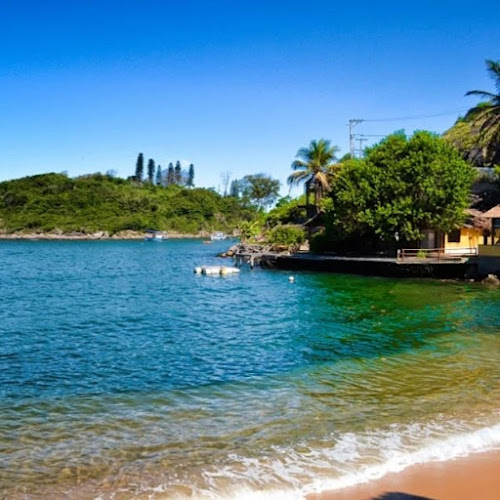
Praia do Bananal
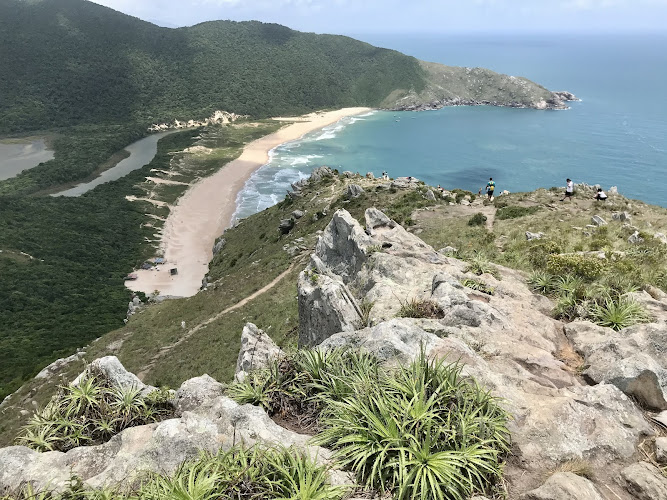
Lagoinha do Leste Beach
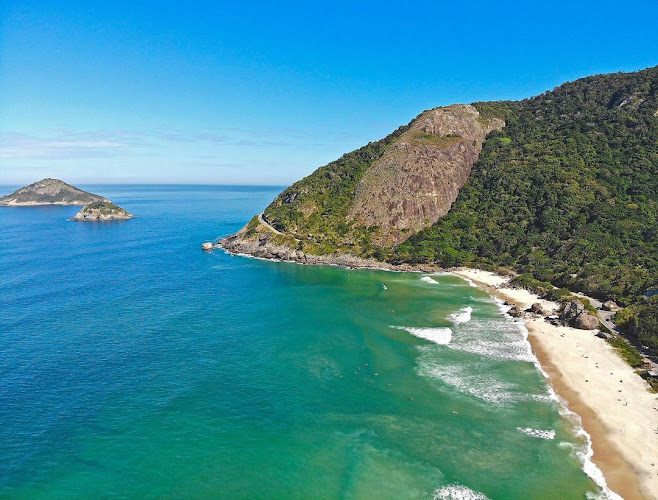
Prainha Beach
Find Accommodations Nearby
Recommended Tours & Activities
Visitor Reviews
There are no reviews yet. Be the first one to write one.
Share Your Experience
Have you visited Praia da Barra da Lagoa? Help other travelers by leaving a review.