

Wat Thai Buddhagaya Temple
About Wat Thai Buddhagaya Temple
Description
The Wat Thai Buddhagaya Temple stands as one of those places that just hits different when you're traveling through India's Buddhist circuit. Built back in 1956, this ornate Thai Buddhist monastery brings a slice of Southeast Asian architecture and spirituality right into the heart of Bodh Gaya, just a stone's throw from where the Buddha himself attained enlightenment under the Bodhi tree. And honestly? The contrast between this structure and the surrounding Indian landscape creates this fascinating cultural moment that you won't experience anywhere else. I remember the first time I walked up to this temple - the golden spires catching the afternoon light against that dusty Bihar sky - and thinking how perfectly it represented the way Buddhism spread across Asia, taking on new flavors and expressions in different cultures. The temple complex isn't just a religious site though it absolutely is that first and foremost. It's become an important stop for travelers seeking to understand how different Buddhist traditions honor the same sacred geography. The centerpiece of this monastery is truly something else - a massive Buddha statue that commands your attention the moment you step inside. The Thai architectural style, with its distinctive multi-tiered roofs and intricate decorative elements, feels worlds away from the ancient Indian Buddhist sites nearby. But that's kind of the point, isn't it? This temple represents Thailand's deep connection to Buddhist heritage and their desire to maintain a presence at one of Buddhism's most holy locations. What makes Wat Thai particularly special is how it serves as both a working monastery and a tourist destination. Monks actually live here, study here, practice here. You're not just visiting a museum piece frozen in time - you're stepping into a living, breathing religious community that's been going strong for nearly seven decades now.Key Features
- The impressive 80-foot Buddha statue dominates the main prayer hall, crafted in traditional Thai style with golden detailing that seems to glow in the filtered light coming through the temple windows
- Authentic Thai architectural design featuring the characteristic sweeping rooflines and ornate gables that immediately transport you to Southeast Asia
- Beautiful meditation halls where visitors can actually sit and practice alongside resident monks, offering a genuine spiritual experience rather than just a photo opportunity
- Intricate murals covering the interior walls depicting scenes from the Buddha's life, rendered in the distinctive Thai artistic tradition with vibrant colors and flowing compositions
- Well-maintained gardens surrounding the temple complex that provide peaceful spots for contemplation and a respite from the sometimes overwhelming energy of Bodh Gaya's main thoroughfares
- A small museum area showcasing Thai Buddhist artifacts and explaining the connection between Thailand and this sacred Indian site
- Accessible facilities including wheelchair-friendly entrances and parking areas, making it one of the more visitor-conscious temples in the region
- Regular prayer ceremonies where you can observe or participate in traditional Thai Buddhist practices, complete with distinctive chanting styles that differ markedly from Tibetan or other Buddhist traditions
- Clean restroom facilities - which believe me, after traveling around rural Bihar for a few days, you'll appreciate more than you might expect
Best Time to Visit
Timing your visit to Wat Thai Buddhagaya Temple really depends on what kind of experience you're after and how much heat you can handle. The peak season runs from October through March, when the weather in Bihar becomes actually bearable for humans. During these months, temperatures hover in that pleasant 15-25 degrees Celsius range, and you won't feel like you're melting into the pavement. But here's where it gets interesting - the busiest times coincide with major Buddhist festivals, particularly during the full moon days. If you show up around Buddha Purnima in April or May (yeah, I know I just said avoid those months for weather, but hear me out), you'll witness the temple absolutely come alive with celebrations, special ceremonies, and an influx of Thai pilgrims who travel specifically for these occasions. The energy is incredible, though you'll be sharing the experience with quite a few more people. I've visited during both quiet periods and festival times, and honestly each has its merits. The shoulder season in September or October can be perfect - fewer crowds but still pleasant weather, and the monsoon rains have usually cleared out by then leaving everything looking fresh and green. Early mornings offer something special regardless of season. Getting there around sunrise means you'll catch the monks during their morning prayers, and there's this magical quality to the light filtering through the temple at that hour. Plus, it's significantly cooler and less crowded. The temple typically opens around 5:30 AM, and being there right at opening time puts you ahead of the tour bus crowds that roll in later. Winter months from November to February are genuinely ideal for most travelers. The days are comfortable, nights can get a bit chilly but nothing you can't handle with a light jacket, and the clear skies make for stunning photographs of the golden temple architecture. Just be aware that this is also when every other traveler has the same brilliant idea, so accommodation prices in Bodh Gaya spike accordingly. Avoid the summer months of April through June unless you have a very specific reason or really don't mind temperatures that regularly push past 40 degrees Celsius. The monsoon season from July through September brings relief from the heat but can make getting around more challenging with muddy roads and occasional flooding in the area.How to Get There
Getting to Wat Thai Buddhagaya Temple is actually pretty straightforward once you've made it to Bodh Gaya itself, which is the trickier part of the journey for most international travelers. The temple sits within walking distance of the main Mahabodhi Temple complex, making it easy to visit multiple sites in one day. Most people fly into Gaya Airport, which is about 12 kilometers from Bodh Gaya. It's a small regional airport but it's well-connected to major Indian cities like Delhi, Kolkata, and Varanasi. From the airport, you can grab a prepaid taxi or arrange a pickup through your hotel. The drive takes maybe 30-40 minutes depending on traffic, and you'll pay around 500-700 rupees for the ride. If you're already traveling through India's Buddhist circuit, Gaya Junction Railway Station is another solid option. It's connected to major cities across India, and from there it's about a 20-minute drive to Bodh Gaya. Auto-rickshaws cluster outside the station and they'll take you directly to the temple area for 200-300 rupees, though you'll probably need to negotiate a bit. Once you're in Bodh Gaya proper, the Wat Thai Temple is accessible by foot, bicycle rickshaw, or auto-rickshaw from pretty much anywhere in town. The whole place is relatively compact. If you're staying near the main temple area, you can honestly just walk - it's maybe 10-15 minutes depending on which direction you're coming from. For the more adventurous travelers, renting a bicycle is a fantastic way to get around Bodh Gaya and reach the temple. Several shops near the Mahabodhi Temple rent bikes for 50-100 rupees per day, and the flat terrain makes cycling pretty easy. Plus you can explore at your own pace and stop whenever something catches your eye. The roads leading to the temple are paved and generally well-maintained by Bihar standards. The wheelchair-accessible entrance isn't just theoretical - the paths are actually smooth enough to navigate without too much difficulty, which isn't always a given at Indian heritage sites.Tips for Visiting
Dress appropriately because this is an active religious site first and tourist attraction second. That means covering your shoulders and knees at minimum. I've seen travelers turned away at the entrance for wearing shorts or tank tops, and it's an awkward situation that's easily avoided. Bring a scarf or shawl if you're traveling light - you can cover up when needed and it works for multiple temple visits. Remove your shoes before entering the main temple building. There's a designated shoe storage area, and it's generally safe, but I always carry my footwear in a bag rather than leaving expensive shoes lying around. Socks are a good idea too because those marble floors get scorching hot in the afternoon sun. Photography is usually allowed in the exterior areas and gardens, but be respectful about taking pictures inside the main prayer halls, especially during ceremonies. And please, please don't photograph monks without asking permission first. A simple gesture or inquiry goes a long way toward showing respect. Visit early in the day if possible. The temple opens early and those morning hours offer cooler temperatures, softer light for photos, and a more contemplative atmosphere before the tour groups arrive. I usually try to get there by 6 or 7 AM and it's made all the difference in my experiences. The monks at Wat Thai are generally friendly and some speak English, but don't expect everyone to be available for long conversations. They have their own schedules and practices to maintain. If you're genuinely interested in learning about Thai Buddhism, visiting during less busy times increases your chances of meaningful interactions. Bring some water and maybe snacks, especially if you're planning to sit and meditate for awhile. There are vendors around but not right at the temple entrance, and you'll appreciate having supplies on hand. That said, consume food and drinks only in appropriate areas, not within the prayer halls. The onsite services include basic facilities and there's usually someone available who can answer questions or provide guidance about ongoing ceremonies. Don't hesitate to ask if you're unsure about something - it's better than accidentally doing something disrespectful. Combine your visit with other nearby temples and monasteries. Bodh Gaya has temples built by Buddhist communities from around the world - Japanese, Bhutanese, Tibetan - and each offers a different architectural and cultural perspective. You can easily visit several in a single day. Be mindful of your belongings but don't stress too much. The temple area is generally safe, though like anywhere with tourists, pickpockets occasionally work the crowds during busy periods. Keep valuables secure and you'll be fine. If you're interested in attending a prayer ceremony, check the schedule at the entrance or ask when you arrive. Morning and evening prayers are typically the most atmospheric, with chanting and ritual offerings that provide genuine insight into Thai Buddhist practices. Consider making a small donation if the visit resonates with you. The temple runs on contributions from visitors and the Thai Buddhist community, and those funds support both the maintenance of this beautiful space and the monks who live here. There's no pressure and no set amount - just whatever feels appropriate to you. Finally, take your time. Too many travelers rush through checking boxes on their Buddhist circuit itinerary. Wat Thai Buddhagaya Temple deserves more than a quick photo stop. Sit in the meditation hall for awhile. Watch how the light changes as it moves across those golden Buddha features. Let yourself actually experience the peaceful atmosphere that people consistently mention. That's what you came all this way for, isn't it?Key Features
- Distinct Thai-style architecture with gilded roof tiles and ornate wood carvings
- Active Thai Theravada monastery with resident monks and daily rituals
- Peaceful meditation halls and spaces for contemplative practice
- Close proximity (walking distance) to Mahabodhi Temple and other pilgrimage sites
- Photogenic compound offering contrast to Indian temple styles
More Details
Updated January 18, 2026
Table of Contents
Description
The Wat Thai Buddhagaya Temple stands as one of those places that just hits different when you’re traveling through India’s Buddhist circuit. Built back in 1956, this ornate Thai Buddhist monastery brings a slice of Southeast Asian architecture and spirituality right into the heart of Bodh Gaya, just a stone’s throw from where the Buddha himself attained enlightenment under the Bodhi tree. And honestly? The contrast between this structure and the surrounding Indian landscape creates this fascinating cultural moment that you won’t experience anywhere else.
I remember the first time I walked up to this temple – the golden spires catching the afternoon light against that dusty Bihar sky – and thinking how perfectly it represented the way Buddhism spread across Asia, taking on new flavors and expressions in different cultures. The temple complex isn’t just a religious site though it absolutely is that first and foremost. It’s become an important stop for travelers seeking to understand how different Buddhist traditions honor the same sacred geography.
The centerpiece of this monastery is truly something else – a massive Buddha statue that commands your attention the moment you step inside. The Thai architectural style, with its distinctive multi-tiered roofs and intricate decorative elements, feels worlds away from the ancient Indian Buddhist sites nearby. But that’s kind of the point, isn’t it? This temple represents Thailand’s deep connection to Buddhist heritage and their desire to maintain a presence at one of Buddhism’s most holy locations.
What makes Wat Thai particularly special is how it serves as both a working monastery and a tourist destination. Monks actually live here, study here, practice here. You’re not just visiting a museum piece frozen in time – you’re stepping into a living, breathing religious community that’s been going strong for nearly seven decades now.
Key Features
- The impressive 80-foot Buddha statue dominates the main prayer hall, crafted in traditional Thai style with golden detailing that seems to glow in the filtered light coming through the temple windows
- Authentic Thai architectural design featuring the characteristic sweeping rooflines and ornate gables that immediately transport you to Southeast Asia
- Beautiful meditation halls where visitors can actually sit and practice alongside resident monks, offering a genuine spiritual experience rather than just a photo opportunity
- Intricate murals covering the interior walls depicting scenes from the Buddha’s life, rendered in the distinctive Thai artistic tradition with vibrant colors and flowing compositions
- Well-maintained gardens surrounding the temple complex that provide peaceful spots for contemplation and a respite from the sometimes overwhelming energy of Bodh Gaya’s main thoroughfares
- A small museum area showcasing Thai Buddhist artifacts and explaining the connection between Thailand and this sacred Indian site
- Accessible facilities including wheelchair-friendly entrances and parking areas, making it one of the more visitor-conscious temples in the region
- Regular prayer ceremonies where you can observe or participate in traditional Thai Buddhist practices, complete with distinctive chanting styles that differ markedly from Tibetan or other Buddhist traditions
- Clean restroom facilities – which believe me, after traveling around rural Bihar for a few days, you’ll appreciate more than you might expect
Best Time to Visit
Timing your visit to Wat Thai Buddhagaya Temple really depends on what kind of experience you’re after and how much heat you can handle. The peak season runs from October through March, when the weather in Bihar becomes actually bearable for humans. During these months, temperatures hover in that pleasant 15-25 degrees Celsius range, and you won’t feel like you’re melting into the pavement.
But here’s where it gets interesting – the busiest times coincide with major Buddhist festivals, particularly during the full moon days. If you show up around Buddha Purnima in April or May (yeah, I know I just said avoid those months for weather, but hear me out), you’ll witness the temple absolutely come alive with celebrations, special ceremonies, and an influx of Thai pilgrims who travel specifically for these occasions. The energy is incredible, though you’ll be sharing the experience with quite a few more people.
I’ve visited during both quiet periods and festival times, and honestly each has its merits. The shoulder season in September or October can be perfect – fewer crowds but still pleasant weather, and the monsoon rains have usually cleared out by then leaving everything looking fresh and green.
Early mornings offer something special regardless of season. Getting there around sunrise means you’ll catch the monks during their morning prayers, and there’s this magical quality to the light filtering through the temple at that hour. Plus, it’s significantly cooler and less crowded. The temple typically opens around 5:30 AM, and being there right at opening time puts you ahead of the tour bus crowds that roll in later.
Winter months from November to February are genuinely ideal for most travelers. The days are comfortable, nights can get a bit chilly but nothing you can’t handle with a light jacket, and the clear skies make for stunning photographs of the golden temple architecture. Just be aware that this is also when every other traveler has the same brilliant idea, so accommodation prices in Bodh Gaya spike accordingly.
Avoid the summer months of April through June unless you have a very specific reason or really don’t mind temperatures that regularly push past 40 degrees Celsius. The monsoon season from July through September brings relief from the heat but can make getting around more challenging with muddy roads and occasional flooding in the area.
How to Get There
Getting to Wat Thai Buddhagaya Temple is actually pretty straightforward once you’ve made it to Bodh Gaya itself, which is the trickier part of the journey for most international travelers. The temple sits within walking distance of the main Mahabodhi Temple complex, making it easy to visit multiple sites in one day.
Most people fly into Gaya Airport, which is about 12 kilometers from Bodh Gaya. It’s a small regional airport but it’s well-connected to major Indian cities like Delhi, Kolkata, and Varanasi. From the airport, you can grab a prepaid taxi or arrange a pickup through your hotel. The drive takes maybe 30-40 minutes depending on traffic, and you’ll pay around 500-700 rupees for the ride.
If you’re already traveling through India’s Buddhist circuit, Gaya Junction Railway Station is another solid option. It’s connected to major cities across India, and from there it’s about a 20-minute drive to Bodh Gaya. Auto-rickshaws cluster outside the station and they’ll take you directly to the temple area for 200-300 rupees, though you’ll probably need to negotiate a bit.
Once you’re in Bodh Gaya proper, the Wat Thai Temple is accessible by foot, bicycle rickshaw, or auto-rickshaw from pretty much anywhere in town. The whole place is relatively compact. If you’re staying near the main temple area, you can honestly just walk – it’s maybe 10-15 minutes depending on which direction you’re coming from.
For the more adventurous travelers, renting a bicycle is a fantastic way to get around Bodh Gaya and reach the temple. Several shops near the Mahabodhi Temple rent bikes for 50-100 rupees per day, and the flat terrain makes cycling pretty easy. Plus you can explore at your own pace and stop whenever something catches your eye.
The roads leading to the temple are paved and generally well-maintained by Bihar standards. The wheelchair-accessible entrance isn’t just theoretical – the paths are actually smooth enough to navigate without too much difficulty, which isn’t always a given at Indian heritage sites.
Tips for Visiting
Dress appropriately because this is an active religious site first and tourist attraction second. That means covering your shoulders and knees at minimum. I’ve seen travelers turned away at the entrance for wearing shorts or tank tops, and it’s an awkward situation that’s easily avoided. Bring a scarf or shawl if you’re traveling light – you can cover up when needed and it works for multiple temple visits.
Remove your shoes before entering the main temple building. There’s a designated shoe storage area, and it’s generally safe, but I always carry my footwear in a bag rather than leaving expensive shoes lying around. Socks are a good idea too because those marble floors get scorching hot in the afternoon sun.
Photography is usually allowed in the exterior areas and gardens, but be respectful about taking pictures inside the main prayer halls, especially during ceremonies. And please, please don’t photograph monks without asking permission first. A simple gesture or inquiry goes a long way toward showing respect.
Visit early in the day if possible. The temple opens early and those morning hours offer cooler temperatures, softer light for photos, and a more contemplative atmosphere before the tour groups arrive. I usually try to get there by 6 or 7 AM and it’s made all the difference in my experiences.
The monks at Wat Thai are generally friendly and some speak English, but don’t expect everyone to be available for long conversations. They have their own schedules and practices to maintain. If you’re genuinely interested in learning about Thai Buddhism, visiting during less busy times increases your chances of meaningful interactions.
Bring some water and maybe snacks, especially if you’re planning to sit and meditate for awhile. There are vendors around but not right at the temple entrance, and you’ll appreciate having supplies on hand. That said, consume food and drinks only in appropriate areas, not within the prayer halls.
The onsite services include basic facilities and there’s usually someone available who can answer questions or provide guidance about ongoing ceremonies. Don’t hesitate to ask if you’re unsure about something – it’s better than accidentally doing something disrespectful.
Combine your visit with other nearby temples and monasteries. Bodh Gaya has temples built by Buddhist communities from around the world – Japanese, Bhutanese, Tibetan – and each offers a different architectural and cultural perspective. You can easily visit several in a single day.
Be mindful of your belongings but don’t stress too much. The temple area is generally safe, though like anywhere with tourists, pickpockets occasionally work the crowds during busy periods. Keep valuables secure and you’ll be fine.
If you’re interested in attending a prayer ceremony, check the schedule at the entrance or ask when you arrive. Morning and evening prayers are typically the most atmospheric, with chanting and ritual offerings that provide genuine insight into Thai Buddhist practices.
Consider making a small donation if the visit resonates with you. The temple runs on contributions from visitors and the Thai Buddhist community, and those funds support both the maintenance of this beautiful space and the monks who live here. There’s no pressure and no set amount – just whatever feels appropriate to you.
Finally, take your time. Too many travelers rush through checking boxes on their Buddhist circuit itinerary. Wat Thai Buddhagaya Temple deserves more than a quick photo stop. Sit in the meditation hall for awhile. Watch how the light changes as it moves across those golden Buddha features. Let yourself actually experience the peaceful atmosphere that people consistently mention. That’s what you came all this way for, isn’t it?
Key Highlights
- Distinct Thai-style architecture with gilded roof tiles and ornate wood carvings
- Active Thai Theravada monastery with resident monks and daily rituals
- Peaceful meditation halls and spaces for contemplative practice
- Close proximity (walking distance) to Mahabodhi Temple and other pilgrimage sites
- Photogenic compound offering contrast to Indian temple styles
Location
Places to Stay Near Wat Thai Buddhagaya Temple
Find and Book a Tour
Explore More Travel Guides
No reviews found! Be the first to review!
Traveler Reviews for Wat Thai Buddhagaya Temple
There are no reviews yet. Be the first one to write one.
Have you visited Wat Thai Buddhagaya Temple? Help other travelers by sharing your review.
Nearby Attractions
You Might Also Like

The Royal Bhutanese Monastery

Root Institute for Wisdom Culture
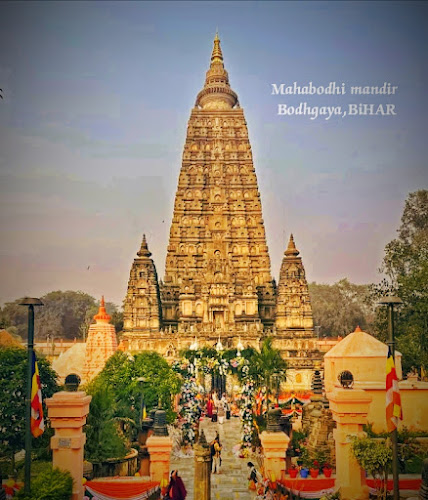
Mahabodhi Temple
Find Accommodations Nearby
Recommended Tours & Activities
Visitor Reviews
There are no reviews yet. Be the first one to write one.
Share Your Experience
Have you visited Wat Thai Buddhagaya Temple? Help other travelers by leaving a review.