
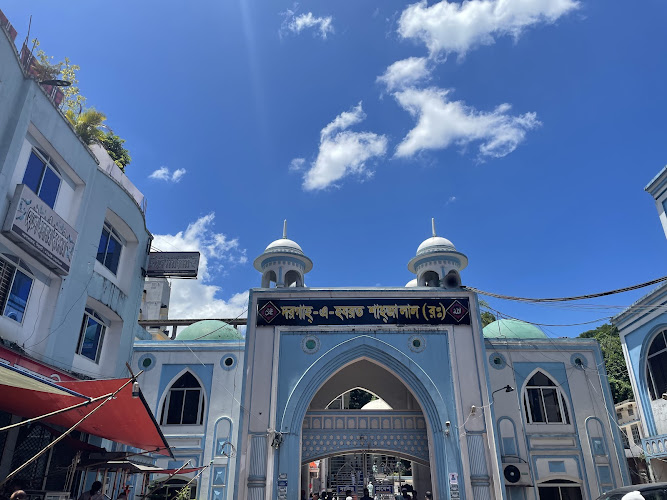
Hazrat Shahjalal Rah. Mazar Sharif
About Hazrat Shahjalal Rah. Mazar Sharif
Description
The Hazrat Shahjalal Rah. Mazar Sharif stands as one of Bangladesh's most revered spiritual destinations, drawing countless pilgrims and curious travelers throughout the year. This sacred shrine honors the memory of Hazrat Shah Jalal, a 14th-century Sufi saint whose legacy continues to shape the religious and cultural landscape of the region. When you first approach the complex, you'll immediately notice the distinctive blue and white paint scheme that adorns the buildings—a color combination that's become synonymous with this holy site and creates quite a striking visual impression against the Sylhet skyline. The mausoleum itself houses the tomb of Hazrat Shah Jalal, a Yemeni mystic who traveled to this part of the world in the 1300s and played a significant role in spreading Islam throughout Bengal. And here's something interesting—the site isn't just about quiet contemplation. The annual urs festival transforms the entire area into a bustling celebration that attracts devotees from across Bangladesh and neighboring countries. During this time, the atmosphere shifts dramatically from the usual peaceful reverence to something more energetic and communal. What makes this place particularly fascinating for travelers is how it serves multiple purposes simultaneously. It's a functioning mosque where daily prayers occur, a pilgrimage site where people come seeking spiritual blessings, and increasingly, a cultural landmark that offers insights into Sufi traditions and Bengali Muslim heritage. The architecture itself tells a story—though the original structures have been renovated and expanded over the centuries, there's still an authentic feeling that connects visitors to the distant past.Key Features
- The main tomb chamber where Hazrat Shah Jalal's remains rest, decorated with traditional Islamic calligraphy and ornamental designs that reflect centuries of devotion
- A large mosque area that accommodates worshippers throughout the day, with separate prayer spaces that maintain gender-segregated arrangements as per Islamic custom
- The famous sacred pond where large catfish swim freely—locals believe these fish are descendants of those kept by the saint himself, and feeding them has become a popular ritual among visitors
- Multiple smaller shrines dedicated to the saint's companions who traveled with him from Yemen and settled in the area
- Wheelchair accessible facilities including entrance ramps, parking areas, and restrooms, making the site more inclusive than many historical religious sites in the region
- Onsite services including areas for wudu (ritual washing before prayers) and donation collection points for the shrine's maintenance
- Clothing recycling facilities as part of the site's charitable activities, where visitors can donate garments for distribution to those in need
- A covered courtyard area that provides shelter during monsoon rains while allowing large gatherings during festivals and special occasions
- Small shops around the perimeter selling religious items, prayer beads, incense, and traditional sweets that pilgrims often purchase as offerings or gifts
Best Time to Visit
Timing your visit to Hazrat Shahjalal Rah. Mazar Sharif can significantly impact your experience, and honestly, there's no single "perfect" time that works for everyone. It really depends on what you're hoping to get out of the visit. If you're after the full cultural immersion and want to witness the site at its most alive, then the annual urs festival is absolutely when you should plan your trip. This celebration typically falls in the Islamic month corresponding to the saint's death anniversary, which shifts on the Gregorian calendar each year. During urs, you'll see the shrine at maximum capacity—thousands of devotees gather, special prayers are held, and the entire complex buzzes with energy. But fair warning: it gets crowded. Like, really crowded. You'll be shoulder-to-shoulder with fellow visitors, and finding a quiet moment for personal reflection becomes nearly impossible. For travelers who prefer a more contemplative experience, the regular weekdays outside festival periods offer a completely different atmosphere. Early mornings are particularly special—you can arrive around dawn when the first call to prayer echoes through the complex, and there's this peaceful quality to the light that photographers absolutely love. The crowds are manageable, giving you space to actually observe the architectural details and soak in the spiritual ambiance without feeling rushed. Weather-wise, October through March represents the most comfortable period for visiting Sylhet. The temperatures stay pleasant, humidity drops from the oppressive summer levels, and you won't be dealing with the monsoon rains that can make navigating the area challenging. And speaking from experience, trying to explore outdoor religious sites during Bangladesh's summer heat can be pretty exhausting, especially when you're expected to dress modestly with full coverage. Fridays hold special significance as the main congregational prayer day, so if you want to observe Islamic worship practices, that's your day. However, expect larger crowds, particularly around midday prayer time. The site gets particularly busy during Ramadan too, with evening gatherings after the daily fast breaks creating a unique communal atmosphere.How to Get There
Getting to Hazrat Shahjalal Rah. Mazar Sharif is relatively straightforward, though like most travel in Bangladesh, it requires some patience and flexibility. The shrine is located in Sylhet, a city in the northeastern part of the country that's fairly well-connected to Dhaka and other major urban centers. If you're flying in, Osmani International Airport in Sylhet is your closest option, and several domestic carriers operate multiple daily flights from Dhaka. The flight takes roughly 50 minutes, which beats the alternative road journey by several hours. From the airport—which, incidentally, is named after another historical figure from the region—you can hire a taxi or use ride-sharing apps that have become increasingly reliable in Sylhet. The drive from the airport to the shrine takes about 20-30 minutes depending on traffic conditions. For budget-conscious travelers or those who enjoy overland journeys, buses run regularly between Dhaka and Sylhet. The journey takes anywhere from 5 to 7 hours depending on your departure point in Dhaka, traffic conditions, and how many stops your particular bus makes. Several bus companies offer different comfort levels, from basic non-AC coaches to more premium services with reclining seats. Pro tip: book the overnight bus if you want to save on accommodation and arrive fresh in the morning. Once you're in Sylhet city, getting to the mazar is easy since it's one of the most well-known landmarks. Local auto-rickshaws (CNGs as they're called locally) can take you there from anywhere in the city. Most drivers will know it simply as "Shahjalal Mazar" without needing the full formal name. Ride-sharing apps work here too, though during peak pilgrimage times, expect surge pricing. Train service between Dhaka and Sylhet exists and offers a scenic route through Bangladesh's countryside, though schedules can be less frequent than buses. The train journey takes roughly 6-8 hours, and the stations at either end require additional local transport to reach your final destinations.Tips for Visiting
Visiting a sacred Islamic site requires certain cultural awareness, and going in prepared will make your experience much smoother and more respectful. First and foremost, dress modestly. This isn't optional—it's expected. Men should wear long pants and shirts that cover the shoulders. Women need to cover their heads with a scarf, and loose-fitting clothing that covers arms and legs completely is essential. You'll see some women wearing full burqas, but that's not required for visitors; a simple headscarf and modest clothing works fine. Shoe removal is mandatory before entering the main shrine area and mosque sections. There are designated shoe storage areas, though I'd recommend keeping valuable shoes with you in a bag if possible, as mix-ups sometimes happen in crowded conditions. Wearing socks makes walking on the stone floors more comfortable, especially during cooler months when the marble can get pretty cold. Photography policies can be somewhat unclear and seem to vary depending on who's managing things on a particular day. Generally, taking photos in the outer courtyard areas is acceptable, but photographing inside the main tomb chamber is often discouraged or prohibited. And please, if you do take photos, be mindful of people who are there for worship—don't thrust cameras in faces of people mid-prayer or treat the space like a tourist attraction without acknowledging its sacred purpose for many visitors. If you're not Muslim, you're still welcome to visit, but maintaining respectful behavior becomes even more important. Stay quiet in prayer areas, don't walk directly in front of people who are praying, and if you're unsure about whether you can enter a particular section, just ask someone or observe what others are doing. Donations are customary but not mandatory. You'll see collection boxes throughout the complex, and while there's no fixed amount, contributing something toward the shrine's maintenance is appreciated. Some visitors bring flowers or sweets as offerings, which is also perfectly acceptable. The sacred fish pond draws lots of attention, and vendors nearby sell fish food if you want to participate in the feeding tradition. It's become quite touristy, but it's also genuinely meaningful for many pilgrims who see it as seeking the saint's blessings. Prepare for security checks at the entrance—bag inspections are standard, and during high-traffic periods or festivals, there may be gender-segregated queues. This is normal security procedure for major religious sites in Bangladesh. Bring local currency since most vendors and donation boxes don't accept cards or digital payments. Having small denomination notes makes transactions easier when buying offerings or snacks from nearby stalls. Plan for at least 1-2 hours at the complex if you want to explore properly, though you could easily spend longer if you're particularly interested in the architecture or want to observe prayer times. There's no strict time limit, but the site does close to visitors during certain prayer times, so checking the daily prayer schedule beforehand helps with planning. Finally, managing expectations is important. This isn't a polished tourist destination with information plaques and guided tours in multiple languages. It's primarily a working religious site where people come for spiritual purposes. The experience is raw, authentic, and sometimes a bit chaotic—especially during busy periods. But that authenticity is precisely what makes visiting Hazrat Shahjalal Rah. Mazar Sharif such a memorable window into Bangladesh's religious heritage and living Sufi traditions.Key Features
- 14th-century Sufi saint’s tomb and active dargah complex
- Historic mosque structures and evolving architectural layers
- Separate prayer areas and accessible courtyard for visitors
- Vibrant festival days and regular devotional music (qawwali)
- Central location in Sylhet with strong local cultural presence
More Details
Updated January 18, 2026
Table of Contents
- Description
- Key Features
- Best Time to Visit
- How to Get There
- Tips for Visiting
- Key Highlights
- Location
- Places to Stay Near Hazrat Shahjalal Rah. Mazar Sharif
- Find and Book a Tour
- Explore More Travel Guides
- Nearby Places You Might Like
- Traveler Reviews for Hazrat Shahjalal Rah. Mazar Sharif
- Share Your Experience
Description
The Hazrat Shahjalal Rah. Mazar Sharif stands as one of Bangladesh’s most revered spiritual destinations, drawing countless pilgrims and curious travelers throughout the year. This sacred shrine honors the memory of Hazrat Shah Jalal, a 14th-century Sufi saint whose legacy continues to shape the religious and cultural landscape of the region. When you first approach the complex, you’ll immediately notice the distinctive blue and white paint scheme that adorns the buildings—a color combination that’s become synonymous with this holy site and creates quite a striking visual impression against the Sylhet skyline.
The mausoleum itself houses the tomb of Hazrat Shah Jalal, a Yemeni mystic who traveled to this part of the world in the 1300s and played a significant role in spreading Islam throughout Bengal. And here’s something interesting—the site isn’t just about quiet contemplation. The annual urs festival transforms the entire area into a bustling celebration that attracts devotees from across Bangladesh and neighboring countries. During this time, the atmosphere shifts dramatically from the usual peaceful reverence to something more energetic and communal.
What makes this place particularly fascinating for travelers is how it serves multiple purposes simultaneously. It’s a functioning mosque where daily prayers occur, a pilgrimage site where people come seeking spiritual blessings, and increasingly, a cultural landmark that offers insights into Sufi traditions and Bengali Muslim heritage. The architecture itself tells a story—though the original structures have been renovated and expanded over the centuries, there’s still an authentic feeling that connects visitors to the distant past.
Key Features
- The main tomb chamber where Hazrat Shah Jalal’s remains rest, decorated with traditional Islamic calligraphy and ornamental designs that reflect centuries of devotion
- A large mosque area that accommodates worshippers throughout the day, with separate prayer spaces that maintain gender-segregated arrangements as per Islamic custom
- The famous sacred pond where large catfish swim freely—locals believe these fish are descendants of those kept by the saint himself, and feeding them has become a popular ritual among visitors
- Multiple smaller shrines dedicated to the saint’s companions who traveled with him from Yemen and settled in the area
- Wheelchair accessible facilities including entrance ramps, parking areas, and restrooms, making the site more inclusive than many historical religious sites in the region
- Onsite services including areas for wudu (ritual washing before prayers) and donation collection points for the shrine’s maintenance
- Clothing recycling facilities as part of the site’s charitable activities, where visitors can donate garments for distribution to those in need
- A covered courtyard area that provides shelter during monsoon rains while allowing large gatherings during festivals and special occasions
- Small shops around the perimeter selling religious items, prayer beads, incense, and traditional sweets that pilgrims often purchase as offerings or gifts
Best Time to Visit
Timing your visit to Hazrat Shahjalal Rah. Mazar Sharif can significantly impact your experience, and honestly, there’s no single “perfect” time that works for everyone. It really depends on what you’re hoping to get out of the visit.
If you’re after the full cultural immersion and want to witness the site at its most alive, then the annual urs festival is absolutely when you should plan your trip. This celebration typically falls in the Islamic month corresponding to the saint’s death anniversary, which shifts on the Gregorian calendar each year. During urs, you’ll see the shrine at maximum capacity—thousands of devotees gather, special prayers are held, and the entire complex buzzes with energy. But fair warning: it gets crowded. Like, really crowded. You’ll be shoulder-to-shoulder with fellow visitors, and finding a quiet moment for personal reflection becomes nearly impossible.
For travelers who prefer a more contemplative experience, the regular weekdays outside festival periods offer a completely different atmosphere. Early mornings are particularly special—you can arrive around dawn when the first call to prayer echoes through the complex, and there’s this peaceful quality to the light that photographers absolutely love. The crowds are manageable, giving you space to actually observe the architectural details and soak in the spiritual ambiance without feeling rushed.
Weather-wise, October through March represents the most comfortable period for visiting Sylhet. The temperatures stay pleasant, humidity drops from the oppressive summer levels, and you won’t be dealing with the monsoon rains that can make navigating the area challenging. And speaking from experience, trying to explore outdoor religious sites during Bangladesh’s summer heat can be pretty exhausting, especially when you’re expected to dress modestly with full coverage.
Fridays hold special significance as the main congregational prayer day, so if you want to observe Islamic worship practices, that’s your day. However, expect larger crowds, particularly around midday prayer time. The site gets particularly busy during Ramadan too, with evening gatherings after the daily fast breaks creating a unique communal atmosphere.
How to Get There
Getting to Hazrat Shahjalal Rah. Mazar Sharif is relatively straightforward, though like most travel in Bangladesh, it requires some patience and flexibility. The shrine is located in Sylhet, a city in the northeastern part of the country that’s fairly well-connected to Dhaka and other major urban centers.
If you’re flying in, Osmani International Airport in Sylhet is your closest option, and several domestic carriers operate multiple daily flights from Dhaka. The flight takes roughly 50 minutes, which beats the alternative road journey by several hours. From the airport—which, incidentally, is named after another historical figure from the region—you can hire a taxi or use ride-sharing apps that have become increasingly reliable in Sylhet. The drive from the airport to the shrine takes about 20-30 minutes depending on traffic conditions.
For budget-conscious travelers or those who enjoy overland journeys, buses run regularly between Dhaka and Sylhet. The journey takes anywhere from 5 to 7 hours depending on your departure point in Dhaka, traffic conditions, and how many stops your particular bus makes. Several bus companies offer different comfort levels, from basic non-AC coaches to more premium services with reclining seats. Pro tip: book the overnight bus if you want to save on accommodation and arrive fresh in the morning.
Once you’re in Sylhet city, getting to the mazar is easy since it’s one of the most well-known landmarks. Local auto-rickshaws (CNGs as they’re called locally) can take you there from anywhere in the city. Most drivers will know it simply as “Shahjalal Mazar” without needing the full formal name. Ride-sharing apps work here too, though during peak pilgrimage times, expect surge pricing.
Train service between Dhaka and Sylhet exists and offers a scenic route through Bangladesh’s countryside, though schedules can be less frequent than buses. The train journey takes roughly 6-8 hours, and the stations at either end require additional local transport to reach your final destinations.
Tips for Visiting
Visiting a sacred Islamic site requires certain cultural awareness, and going in prepared will make your experience much smoother and more respectful. First and foremost, dress modestly. This isn’t optional—it’s expected. Men should wear long pants and shirts that cover the shoulders. Women need to cover their heads with a scarf, and loose-fitting clothing that covers arms and legs completely is essential. You’ll see some women wearing full burqas, but that’s not required for visitors; a simple headscarf and modest clothing works fine.
Shoe removal is mandatory before entering the main shrine area and mosque sections. There are designated shoe storage areas, though I’d recommend keeping valuable shoes with you in a bag if possible, as mix-ups sometimes happen in crowded conditions. Wearing socks makes walking on the stone floors more comfortable, especially during cooler months when the marble can get pretty cold.
Photography policies can be somewhat unclear and seem to vary depending on who’s managing things on a particular day. Generally, taking photos in the outer courtyard areas is acceptable, but photographing inside the main tomb chamber is often discouraged or prohibited. And please, if you do take photos, be mindful of people who are there for worship—don’t thrust cameras in faces of people mid-prayer or treat the space like a tourist attraction without acknowledging its sacred purpose for many visitors.
If you’re not Muslim, you’re still welcome to visit, but maintaining respectful behavior becomes even more important. Stay quiet in prayer areas, don’t walk directly in front of people who are praying, and if you’re unsure about whether you can enter a particular section, just ask someone or observe what others are doing.
Donations are customary but not mandatory. You’ll see collection boxes throughout the complex, and while there’s no fixed amount, contributing something toward the shrine’s maintenance is appreciated. Some visitors bring flowers or sweets as offerings, which is also perfectly acceptable.
The sacred fish pond draws lots of attention, and vendors nearby sell fish food if you want to participate in the feeding tradition. It’s become quite touristy, but it’s also genuinely meaningful for many pilgrims who see it as seeking the saint’s blessings.
Prepare for security checks at the entrance—bag inspections are standard, and during high-traffic periods or festivals, there may be gender-segregated queues. This is normal security procedure for major religious sites in Bangladesh.
Bring local currency since most vendors and donation boxes don’t accept cards or digital payments. Having small denomination notes makes transactions easier when buying offerings or snacks from nearby stalls.
Plan for at least 1-2 hours at the complex if you want to explore properly, though you could easily spend longer if you’re particularly interested in the architecture or want to observe prayer times. There’s no strict time limit, but the site does close to visitors during certain prayer times, so checking the daily prayer schedule beforehand helps with planning.
Finally, managing expectations is important. This isn’t a polished tourist destination with information plaques and guided tours in multiple languages. It’s primarily a working religious site where people come for spiritual purposes. The experience is raw, authentic, and sometimes a bit chaotic—especially during busy periods. But that authenticity is precisely what makes visiting Hazrat Shahjalal Rah. Mazar Sharif such a memorable window into Bangladesh’s religious heritage and living Sufi traditions.
Key Highlights
- 14th-century Sufi saint’s tomb and active dargah complex
- Historic mosque structures and evolving architectural layers
- Separate prayer areas and accessible courtyard for visitors
- Vibrant festival days and regular devotional music (qawwali)
- Central location in Sylhet with strong local cultural presence
Location
Places to Stay Near Hazrat Shahjalal Rah. Mazar Sharif
Find and Book a Tour
Explore More Travel Guides
No reviews found! Be the first to review!
Traveler Reviews for Hazrat Shahjalal Rah. Mazar Sharif
There are no reviews yet. Be the first one to write one.
Have you visited Hazrat Shahjalal Rah. Mazar Sharif? Help other travelers by sharing your review.
Nearby Attractions
You Might Also Like

MAG Osmani Amusement Park
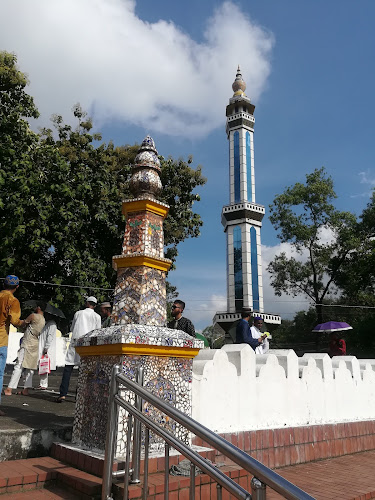
Shahi Eidgah
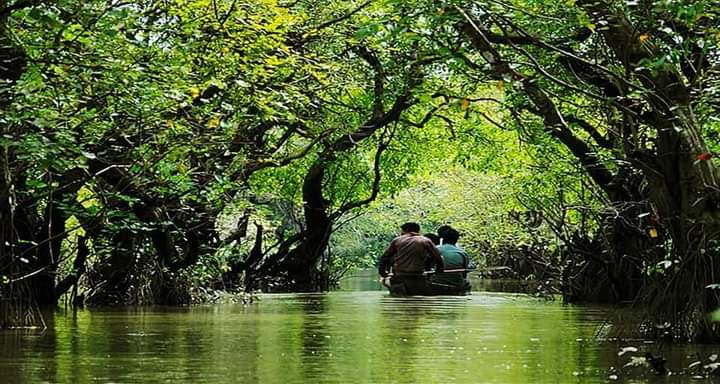
Sylhet
Find Accommodations Nearby
Recommended Tours & Activities
Visitor Reviews
There are no reviews yet. Be the first one to write one.
Share Your Experience
Have you visited Hazrat Shahjalal Rah. Mazar Sharif? Help other travelers by leaving a review.