
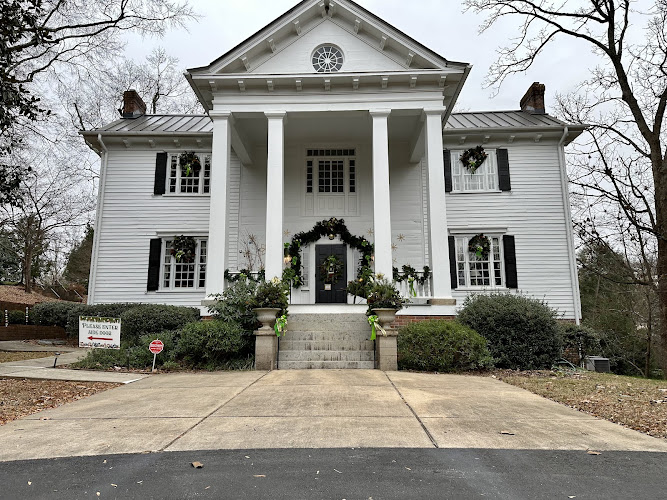
Kilgore-Lewis House
About Kilgore-Lewis House
Description
The Kilgore-Lewis House stands as a remarkable testament to antebellum architecture and Southern heritage, offering visitors a genuine glimpse into life during the 1830s. This Classical Revival mansion has been carefully preserved to maintain its original character, and honestly, walking through these halls feels like stepping into a different era entirely. Built in 1838, the property showcases the kind of architectural ambition that defined the period—high ceilings, elegant proportions, and those little details that modern construction just doesn't bother with anymore. What really sets this place apart from other historical homes is how authentically it captures the essence of its time period. The mansion isn't just another old building that's been turned into a tourist stop. It's a carefully maintained piece of living history where the walls genuinely seem to whisper stories of the families who lived here generations ago. And the grounds? They're something special too, with mature trees that have probably witnessed more history than any textbook could convey. I've visited my fair share of historical properties across the country, and there's something distinctly different about places like the Kilgore-Lewis House that haven't been over-commercialized. The tree-shaded grounds provide a peaceful retreat where you can actually imagine what daily life might have been like when this mansion was first constructed. The property maintains an atmosphere of quiet dignity that larger, more famous historical sites sometimes lose in translation.Key Features
The Kilgore-Lewis House offers visitors an impressive array of features that make it worth the trip: • Authentic Classical Revival architecture dating back to 1838, representing one of the finest examples of this architectural style in the region • Period-appropriate interior details including original moldings, mantlepieces, and architectural elements that survived nearly two centuries • Expansive tree-shaded grounds that provide a serene setting for photography, quiet reflection, or simply enjoying the outdoors • Well-preserved rooms that showcase authentic furnishings and decorative arts from the antebellum period • Wheelchair accessible parking facilities, making the site more inclusive for all visitors • On-site parking that eliminates the hassle of finding street parking or walking long distances • Educational opportunities to learn about Southern architecture, social history, and daily life in the 19th century • Gardens that reflect traditional landscaping practices of the era, offering botanical interest alongside historical significance • Relatively uncrowded atmosphere compared to larger historical attractions, allowing for a more intimate and personal experience • Knowledgeable guides who can share detailed stories and answer questions about the property's history and significanceBest Time to Visit
Timing your visit to the Kilgore-Lewis House can really make a difference in your overall experience. Spring months, particularly from March through May, offer some of the most pleasant conditions. The gardens come alive during this period, and those old trees on the property create a canopy of fresh green leaves that's just beautiful. Temperatures are comfortable for walking the grounds, and you won't be dealing with the oppressive heat that can make summer visits less enjoyable. Fall is another excellent option, especially from September through November. The cooler weather makes exploring the property more comfortable, and there's something magical about seeing historical architecture framed by autumn foliage. Plus, you'll likely encounter fewer visitors during weekday visits in fall compared to peak summer tourist season. Summer visits are certainly possible, but be prepared for heat and humidity. If you're planning a summer trip, try to visit earlier in the day before temperatures peak. The tree coverage on the grounds does provide some relief, but remember that many historical buildings like this weren't designed with air conditioning in mind. Winter visits have their own charm, though some folks might find the experience less appealing when the gardens aren't in bloom. But honestly, there's something atmospheric about seeing a 19th-century mansion on a crisp winter day. Just dress appropriately and check ahead to confirm operating hours, as some historical sites reduce their schedules during winter months. Weekday visits generally offer a more peaceful experience compared to weekends. If you're someone who prefers to explore at your own pace without crowds, try scheduling your visit for a Tuesday or Wednesday morning.How to Get There
Getting to the Kilgore-Lewis House is straightforward, which makes it accessible for travelers coming from various locations. The property benefits from having dedicated on-site parking, which immediately removes one of the common frustrations of visiting historical sites in urban areas. You won't need to worry about feeding parking meters or circling blocks looking for a spot. For those driving, the mansion is accessible via major regional routes. Using GPS navigation or smartphone mapping apps will get you there without much difficulty—just search for the Kilgore-Lewis House and follow the directions. The property is well-marked once you get close, though like many historical sites, it sits on grounds that reflect their original 19th-century layout rather than modern commercial development. If you're traveling from out of state, the nearest major airports will likely require a drive to reach the property. Renting a car is probably your best option if you're flying in specifically to visit this and other regional attractions. The drive itself can be part of the experience, as you'll pass through areas that still retain some of that old Southern character. Public transportation options vary depending on where you're coming from. While local bus routes might get you relatively close, having your own vehicle provides much more flexibility for exploring the area at your own pace. And let's be honest—most historical properties like this were built long before public transit was a consideration, so they're not always ideally situated for bus or train access. The wheelchair accessible parking lot makes visiting easier for those with mobility considerations. It's worth mentioning because not all historical properties have updated their facilities to accommodate modern accessibility needs, and this attention to inclusion is commendable.Tips for Visiting
Planning ahead will definitely enhance your experience at the Kilgore-Lewis House. First things first—call ahead or check their current operating hours before making the trip. Historical sites sometimes have irregular schedules, special events, or maintenance closures that aren't always updated online immediately. Nothing's more disappointing than driving an hour only to find a "closed" sign. Comfortable walking shoes are essential. Even though the grounds are well-maintained, you'll be doing a fair bit of walking, and the terrain reflects its historical origins rather than modern paving standards. Those elegant period shoes might look great in photos, but your feet will thank you for choosing comfort over style. Photography enthusiasts should bring their cameras, but ask about photography policies first. Some historical sites restrict flash photography or commercial photography without prior permission. The architecture and grounds offer fantastic photo opportunities, so you'll want to be prepared while respecting any guidelines. Give yourself more time than you think you'll need. Seriously. I've made the mistake before of rushing through historical properties to stick to a tight schedule, and you miss so much when you're watching the clock. Allow at least two hours minimum for a proper visit—more if you really want to soak in the atmosphere and explore the grounds thoroughly. Consider visiting during special events or tours if they're offered. Many historical properties host seasonal events, period reenactments, or specialized tours that provide deeper insight into specific aspects of the property's history. These can transform a good visit into a memorable experience. Dress in layers if you're visiting during transitional seasons. Historical buildings can be cooler inside than you expect, while the grounds might be warmer in direct sunlight. Being able to adjust your clothing makes the experience more comfortable. Bring water, especially during warmer months. While the tree-shaded grounds provide some relief, staying hydrated is important when you're spending time outdoors exploring. If you're traveling with children, prepare them ahead of time about what to expect. Historical house museums require different behavior than outdoor attractions—quieter voices, careful movement around antiques, and more focused attention. Setting these expectations beforehand helps everyone enjoy the visit more. Ask questions. The people who work at places like the Kilgore-Lewis House are usually passionate about the property's history and happy to share information beyond what's in the standard tour. Some of the best stories and details come from simply showing genuine interest and asking. Check weather forecasts before your visit. While you can't control the weather, knowing what to expect helps you dress appropriately and plan accordingly. A rainy day might actually create beautiful atmospheric conditions for experiencing a historical property, but only if you're prepared with appropriate clothing and footwear.Key Features
- Key Features
- Best Time to Visit
- How to Get There
- Tips for Visiting
More Details
Updated January 18, 2026
Table of Contents
Description
The Kilgore-Lewis House stands as a remarkable testament to antebellum architecture and Southern heritage, offering visitors a genuine glimpse into life during the 1830s. This Classical Revival mansion has been carefully preserved to maintain its original character, and honestly, walking through these halls feels like stepping into a different era entirely. Built in 1838, the property showcases the kind of architectural ambition that defined the period—high ceilings, elegant proportions, and those little details that modern construction just doesn’t bother with anymore.
What really sets this place apart from other historical homes is how authentically it captures the essence of its time period. The mansion isn’t just another old building that’s been turned into a tourist stop. It’s a carefully maintained piece of living history where the walls genuinely seem to whisper stories of the families who lived here generations ago. And the grounds? They’re something special too, with mature trees that have probably witnessed more history than any textbook could convey.
I’ve visited my fair share of historical properties across the country, and there’s something distinctly different about places like the Kilgore-Lewis House that haven’t been over-commercialized. The tree-shaded grounds provide a peaceful retreat where you can actually imagine what daily life might have been like when this mansion was first constructed. The property maintains an atmosphere of quiet dignity that larger, more famous historical sites sometimes lose in translation.
Key Features
The Kilgore-Lewis House offers visitors an impressive array of features that make it worth the trip:
• Authentic Classical Revival architecture dating back to 1838, representing one of the finest examples of this architectural style in the region
• Period-appropriate interior details including original moldings, mantlepieces, and architectural elements that survived nearly two centuries
• Expansive tree-shaded grounds that provide a serene setting for photography, quiet reflection, or simply enjoying the outdoors
• Well-preserved rooms that showcase authentic furnishings and decorative arts from the antebellum period
• Wheelchair accessible parking facilities, making the site more inclusive for all visitors
• On-site parking that eliminates the hassle of finding street parking or walking long distances
• Educational opportunities to learn about Southern architecture, social history, and daily life in the 19th century
• Gardens that reflect traditional landscaping practices of the era, offering botanical interest alongside historical significance
• Relatively uncrowded atmosphere compared to larger historical attractions, allowing for a more intimate and personal experience
• Knowledgeable guides who can share detailed stories and answer questions about the property’s history and significance
Best Time to Visit
Timing your visit to the Kilgore-Lewis House can really make a difference in your overall experience. Spring months, particularly from March through May, offer some of the most pleasant conditions. The gardens come alive during this period, and those old trees on the property create a canopy of fresh green leaves that’s just beautiful. Temperatures are comfortable for walking the grounds, and you won’t be dealing with the oppressive heat that can make summer visits less enjoyable.
Fall is another excellent option, especially from September through November. The cooler weather makes exploring the property more comfortable, and there’s something magical about seeing historical architecture framed by autumn foliage. Plus, you’ll likely encounter fewer visitors during weekday visits in fall compared to peak summer tourist season.
Summer visits are certainly possible, but be prepared for heat and humidity. If you’re planning a summer trip, try to visit earlier in the day before temperatures peak. The tree coverage on the grounds does provide some relief, but remember that many historical buildings like this weren’t designed with air conditioning in mind.
Winter visits have their own charm, though some folks might find the experience less appealing when the gardens aren’t in bloom. But honestly, there’s something atmospheric about seeing a 19th-century mansion on a crisp winter day. Just dress appropriately and check ahead to confirm operating hours, as some historical sites reduce their schedules during winter months.
Weekday visits generally offer a more peaceful experience compared to weekends. If you’re someone who prefers to explore at your own pace without crowds, try scheduling your visit for a Tuesday or Wednesday morning.
How to Get There
Getting to the Kilgore-Lewis House is straightforward, which makes it accessible for travelers coming from various locations. The property benefits from having dedicated on-site parking, which immediately removes one of the common frustrations of visiting historical sites in urban areas. You won’t need to worry about feeding parking meters or circling blocks looking for a spot.
For those driving, the mansion is accessible via major regional routes. Using GPS navigation or smartphone mapping apps will get you there without much difficulty—just search for the Kilgore-Lewis House and follow the directions. The property is well-marked once you get close, though like many historical sites, it sits on grounds that reflect their original 19th-century layout rather than modern commercial development.
If you’re traveling from out of state, the nearest major airports will likely require a drive to reach the property. Renting a car is probably your best option if you’re flying in specifically to visit this and other regional attractions. The drive itself can be part of the experience, as you’ll pass through areas that still retain some of that old Southern character.
Public transportation options vary depending on where you’re coming from. While local bus routes might get you relatively close, having your own vehicle provides much more flexibility for exploring the area at your own pace. And let’s be honest—most historical properties like this were built long before public transit was a consideration, so they’re not always ideally situated for bus or train access.
The wheelchair accessible parking lot makes visiting easier for those with mobility considerations. It’s worth mentioning because not all historical properties have updated their facilities to accommodate modern accessibility needs, and this attention to inclusion is commendable.
Tips for Visiting
Planning ahead will definitely enhance your experience at the Kilgore-Lewis House. First things first—call ahead or check their current operating hours before making the trip. Historical sites sometimes have irregular schedules, special events, or maintenance closures that aren’t always updated online immediately. Nothing’s more disappointing than driving an hour only to find a “closed” sign.
Comfortable walking shoes are essential. Even though the grounds are well-maintained, you’ll be doing a fair bit of walking, and the terrain reflects its historical origins rather than modern paving standards. Those elegant period shoes might look great in photos, but your feet will thank you for choosing comfort over style.
Photography enthusiasts should bring their cameras, but ask about photography policies first. Some historical sites restrict flash photography or commercial photography without prior permission. The architecture and grounds offer fantastic photo opportunities, so you’ll want to be prepared while respecting any guidelines.
Give yourself more time than you think you’ll need. Seriously. I’ve made the mistake before of rushing through historical properties to stick to a tight schedule, and you miss so much when you’re watching the clock. Allow at least two hours minimum for a proper visit—more if you really want to soak in the atmosphere and explore the grounds thoroughly.
Consider visiting during special events or tours if they’re offered. Many historical properties host seasonal events, period reenactments, or specialized tours that provide deeper insight into specific aspects of the property’s history. These can transform a good visit into a memorable experience.
Dress in layers if you’re visiting during transitional seasons. Historical buildings can be cooler inside than you expect, while the grounds might be warmer in direct sunlight. Being able to adjust your clothing makes the experience more comfortable.
Bring water, especially during warmer months. While the tree-shaded grounds provide some relief, staying hydrated is important when you’re spending time outdoors exploring.
If you’re traveling with children, prepare them ahead of time about what to expect. Historical house museums require different behavior than outdoor attractions—quieter voices, careful movement around antiques, and more focused attention. Setting these expectations beforehand helps everyone enjoy the visit more.
Ask questions. The people who work at places like the Kilgore-Lewis House are usually passionate about the property’s history and happy to share information beyond what’s in the standard tour. Some of the best stories and details come from simply showing genuine interest and asking.
Check weather forecasts before your visit. While you can’t control the weather, knowing what to expect helps you dress appropriately and plan accordingly. A rainy day might actually create beautiful atmospheric conditions for experiencing a historical property, but only if you’re prepared with appropriate clothing and footwear.
Key Highlights
- Key Features
- Best Time to Visit
- How to Get There
- Tips for Visiting
Location
Places to Stay Near Kilgore-Lewis House
Find and Book a Tour
Explore More Travel Guides
No reviews found! Be the first to review!
Traveler Reviews for Kilgore-Lewis House
There are no reviews yet. Be the first one to write one.
Have you visited Kilgore-Lewis House? Help other travelers by sharing your review.
You Might Also Like
Craft Axe Throwing- Greenville
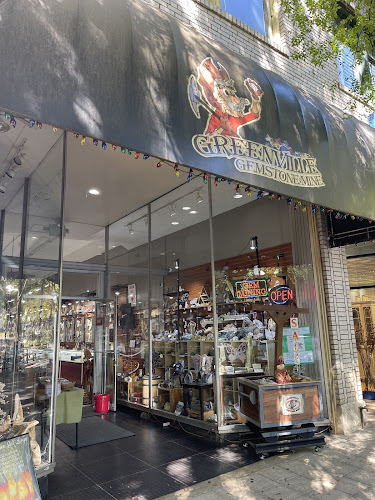
Greenville Gemstone Mine & Jewelry
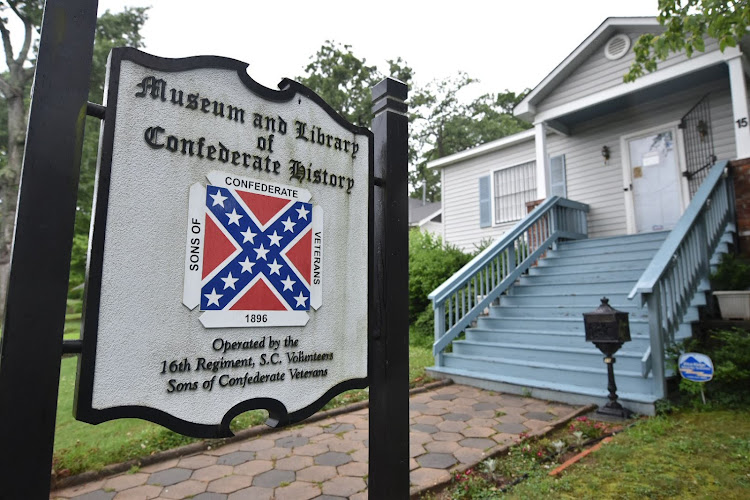
Museum & Library of Confederate History
Find Accommodations Nearby
Recommended Tours & Activities
Visitor Reviews
There are no reviews yet. Be the first one to write one.
Share Your Experience
Have you visited Kilgore-Lewis House? Help other travelers by leaving a review.