
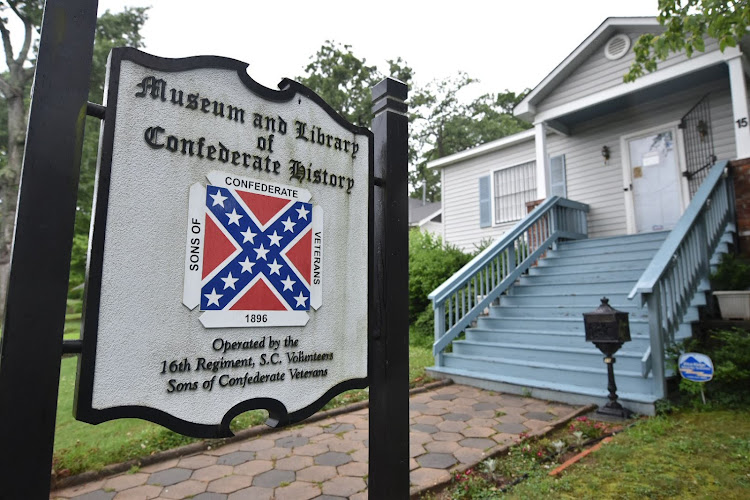
Museum & Library of Confederate History
About Museum & Library of Confederate History
Description
The Museum & Library of Confederate History offers travelers a unique opportunity to explore one of America's most complicated and defining historical periods through an extensive collection of 1860s artifacts and Civil War literature. And here's the kicker - admission is completely free, which honestly makes it accessible to anyone curious about this chapter of American history, whether you're a serious history buff or just someone trying to understand the complexities of the past. This isn't your typical stuffy museum where you shuffle through in silence. The facility houses a remarkable collection that goes beyond surface-level displays, diving deep into the personal stories and material culture of the Civil War era. You'll find yourself face-to-face with actual items that people touched, wore, and used during one of the most tumultuous times in American history. The library component adds another dimension entirely, with books and documents that let researchers and casual visitors alike dig deeper into specific aspects of the conflict. What struck me when learning about places like this is how they serve as important educational resources, regardless of where you stand on various historical interpretations. The Civil War shaped modern America in ways we're still grappling with today, and seeing physical evidence of that era helps make those 160-year-old events feel real and immediate. The museum takes its role seriously in preserving these materials for future generations while making them available to the public right now. The facility has worked hard to ensure accessibility for all visitors, which shows a commitment to making history available to everyone who wants to engage with it. Between the artifacts you can view and the extensive reading materials available, you could easily spend several hours here if you're genuinely interested in the subject matter.Key Features
The Museum & Library of Confederate History stands out among historical institutions for several distinctive reasons that travelers should know about before planning their visit: • Free Admission Policy - Unlike many museums that charge $15-25 per person, this facility offers completely free entry, making it budget-friendly for families and solo travelers alike • Authentic 1860s Artifacts - The collection includes genuine period items that survived over 150 years, giving visitors direct connection to the past rather than just reproductions • Extensive Research Library - Serious researchers and casual readers can access books and documents about the Civil War that aren't always easy to find elsewhere • Guided Tours Available - Knowledgeable staff offer tours that provide context and answer questions, which honestly makes a huge difference in understanding what you're looking at • Complete Accessibility Features - Wheelchair accessible entrance, parking, and restrooms ensure visitors with mobility challenges can fully experience the museum • Gift Shop - Take home books, replicas, or educational materials to continue learning after your visit ends • Family-Friendly Environment - The museum welcomes children and provides an educational experience suitable for various age groups • Onsite Services - Staff members are present to assist visitors, answer questions, and provide additional information about specific items or topics • Climate-Controlled Facilities - Artifacts are properly preserved, and visitors can explore comfortably regardless of outside weather conditionsBest Time to Visit
Timing your visit to the Museum & Library of Confederate History can really impact your experience, and I've learned that some periods work better than others for different types of travelers. Weekday mornings typically offer the quietest experience. If you're someone who likes to take your time reading exhibit labels, examining artifacts closely, or spending quality time in the research library without crowds, Tuesday through Thursday mornings are your sweet spot. You'll have more space to move around and can probably get more one-on-one time with staff members if you have specific questions. But weekends and afternoons tend to draw more families and tour groups, which creates a different energy. Some people actually prefer this because you overhear interesting conversations and questions from other visitors that you might not have thought to ask yourself. Kids asking questions often bring up perspectives adults miss. Weather-wise, since this is an indoor facility, you don't have to worry too much about seasons. However, summer months in many southern locations can bring more tourist traffic, so keep that in mind. Spring and fall often hit that perfect balance of comfortable travel weather and moderate visitor numbers. If you're planning to use the research library extensively, calling ahead to check if there are any special events or closures is smart. Some days the facility hosts school groups or special presentations that might affect the general visiting experience. Holiday periods can be tricky - the museum may have modified hours around major holidays, so don't just show up on Memorial Day or other significant dates without checking ahead. And honestly, visiting on historically significant dates related to the Civil War can add an extra layer of meaning to your experience, though you'll likely encounter more serious history enthusiasts on those days. For photographers (and let's be real, everyone's a photographer with their phones these days), natural light comes through differently depending on time of day, which might matter if you're documenting your visit for social media or personal records.How to Get There
Getting to the Museum & Library of Confederate History requires a bit of planning, but the journey is straightforward once you've mapped it out properly. Most travelers will arrive by personal vehicle, which is probably the most convenient option. The museum provides wheelchair accessible parking right on site, which eliminates the hassle of finding suitable parking spaces nearby. GPS navigation works well for finding the location - just punch in the museum name and your phone should get you there without too much trouble. If you're flying into the area for a longer historical tour of Civil War sites, you'll want to rent a car. Public transportation options to museums like this are sometimes limited depending on the specific location, and having your own wheels gives you flexibility to visit other nearby historical sites on the same trip. Road trippers will appreciate that the museum makes a good stopping point on longer journeys. There's something satisfying about breaking up a drive with a meaningful historical stop rather than just another fast food restaurant. Plus, it's free, which helps balance out those gas prices. For visitors who prefer not to drive, rideshare services like Uber or Lyft can work, though you'll want to schedule your pickup time carefully since you might not get instant availability in all areas. Having a backup plan never hurts. The accessible parking and entrance mean that visitors with mobility devices won't face the challenges that unfortunately still exist at some older historical buildings. Everything's designed to accommodate wheelchairs and walkers, which shows thoughtful planning. If you're staying at a nearby hotel, ask the front desk about distance and directions - local staff often know shortcuts or can give you realistic time estimates that GPS might miss. They might even have brochures or additional information about the museum.Tips for Visiting
Making the most of your Museum & Library of Confederate History experience goes beyond just showing up. Here's what you need to know from someone who's thought carefully about how to approach historical sites like this. First off, give yourself more time than you think you'll need. Museums have this funny way of drawing you in deeper once you start really looking at things. What you planned as a quick 45-minute stop might turn into two hours when you start reading personal letters or examining the craftsmanship on period items. And that's okay - in fact, that's kind of the point. Bring a notebook or use your phone to take notes. You'll see things that spark questions or make connections to other historical events you've studied. I've found that writing these down in the moment beats trying to remember them later when everything's fuzzy. The research library particularly benefits from this approach if you're diving into specific topics. The gift shop deserves a real look, not just a cursory glance on your way out. Books available there often include titles by local historians or specific works you won't easily find online. Supporting museum gift shops also helps these institutions keep their doors open and their collections maintained. Restroom facilities are available onsite, which sounds basic but actually matters when you're planning a visit with kids or spending several hours exploring. There's no restaurant though, so eat beforehand or plan to grab food afterward. Don't hesitate to engage with staff members and tour guides. These folks genuinely know their stuff and can point you toward specific items that align with your interests. Mentioned that your great-great-grandfather fought in a particular battle? They might know exactly which artifacts connect to that unit or location. Photography policies vary at different museums, so check whether you can take pictures. Most people want to document their visit, but flash photography can damage delicate artifacts, so be respectful of any restrictions. Approach your visit with an open mind and a critical thinking cap firmly in place. The Civil War remains a contentious subject, and different people interpret artifacts and history through different lenses. Museums like this provide raw materials for understanding - what you make of them involves your own research, reflection, and willingness to grapple with complicated truths. Parents visiting with children might want to prep kids beforehand about what war museums contain. Age-appropriate conversations about why we preserve history, even difficult history, can turn a museum visit into a meaningful family learning experience. Comfortable shoes are non-negotiable. Museum floors get tiring, and you'll want to focus on the exhibits rather than your aching feet. Finally, consider visiting as part of a broader Civil War historical tour. The museum works well alongside battlefield sites, other period museums, and historical markers that together create a more complete picture of the era. One stop rarely tells the whole story, and multiple perspectives from different institutions help build a fuller understanding of what happened and why it still matters today.Key Features
- Key Features
- Best Time to Visit
- How to Get There
- Tips for Visiting
More Details
Updated March 30, 2026
Table of Contents
- Description
- Key Features
- Best Time to Visit
- How to Get There
- Tips for Visiting
- Key Highlights
- Location
- Places to Stay Near Museum & Library of Confederate History
- Find and Book a Tour
- Explore More Travel Guides
- Nearby Places You Might Like
- Traveler Reviews for Museum & Library of Confederate History
- Share Your Experience
Description
The Museum & Library of Confederate History offers travelers a unique opportunity to explore one of America’s most complicated and defining historical periods through an extensive collection of 1860s artifacts and Civil War literature. And here’s the kicker – admission is completely free, which honestly makes it accessible to anyone curious about this chapter of American history, whether you’re a serious history buff or just someone trying to understand the complexities of the past.
This isn’t your typical stuffy museum where you shuffle through in silence. The facility houses a remarkable collection that goes beyond surface-level displays, diving deep into the personal stories and material culture of the Civil War era. You’ll find yourself face-to-face with actual items that people touched, wore, and used during one of the most tumultuous times in American history. The library component adds another dimension entirely, with books and documents that let researchers and casual visitors alike dig deeper into specific aspects of the conflict.
What struck me when learning about places like this is how they serve as important educational resources, regardless of where you stand on various historical interpretations. The Civil War shaped modern America in ways we’re still grappling with today, and seeing physical evidence of that era helps make those 160-year-old events feel real and immediate. The museum takes its role seriously in preserving these materials for future generations while making them available to the public right now.
The facility has worked hard to ensure accessibility for all visitors, which shows a commitment to making history available to everyone who wants to engage with it. Between the artifacts you can view and the extensive reading materials available, you could easily spend several hours here if you’re genuinely interested in the subject matter.
Key Features
The Museum & Library of Confederate History stands out among historical institutions for several distinctive reasons that travelers should know about before planning their visit:
• Free Admission Policy – Unlike many museums that charge $15-25 per person, this facility offers completely free entry, making it budget-friendly for families and solo travelers alike
• Authentic 1860s Artifacts – The collection includes genuine period items that survived over 150 years, giving visitors direct connection to the past rather than just reproductions
• Extensive Research Library – Serious researchers and casual readers can access books and documents about the Civil War that aren’t always easy to find elsewhere
• Guided Tours Available – Knowledgeable staff offer tours that provide context and answer questions, which honestly makes a huge difference in understanding what you’re looking at
• Complete Accessibility Features – Wheelchair accessible entrance, parking, and restrooms ensure visitors with mobility challenges can fully experience the museum
• Gift Shop – Take home books, replicas, or educational materials to continue learning after your visit ends
• Family-Friendly Environment – The museum welcomes children and provides an educational experience suitable for various age groups
• Onsite Services – Staff members are present to assist visitors, answer questions, and provide additional information about specific items or topics
• Climate-Controlled Facilities – Artifacts are properly preserved, and visitors can explore comfortably regardless of outside weather conditions
Best Time to Visit
Timing your visit to the Museum & Library of Confederate History can really impact your experience, and I’ve learned that some periods work better than others for different types of travelers.
Weekday mornings typically offer the quietest experience. If you’re someone who likes to take your time reading exhibit labels, examining artifacts closely, or spending quality time in the research library without crowds, Tuesday through Thursday mornings are your sweet spot. You’ll have more space to move around and can probably get more one-on-one time with staff members if you have specific questions.
But weekends and afternoons tend to draw more families and tour groups, which creates a different energy. Some people actually prefer this because you overhear interesting conversations and questions from other visitors that you might not have thought to ask yourself. Kids asking questions often bring up perspectives adults miss.
Weather-wise, since this is an indoor facility, you don’t have to worry too much about seasons. However, summer months in many southern locations can bring more tourist traffic, so keep that in mind. Spring and fall often hit that perfect balance of comfortable travel weather and moderate visitor numbers.
If you’re planning to use the research library extensively, calling ahead to check if there are any special events or closures is smart. Some days the facility hosts school groups or special presentations that might affect the general visiting experience.
Holiday periods can be tricky – the museum may have modified hours around major holidays, so don’t just show up on Memorial Day or other significant dates without checking ahead. And honestly, visiting on historically significant dates related to the Civil War can add an extra layer of meaning to your experience, though you’ll likely encounter more serious history enthusiasts on those days.
For photographers (and let’s be real, everyone’s a photographer with their phones these days), natural light comes through differently depending on time of day, which might matter if you’re documenting your visit for social media or personal records.
How to Get There
Getting to the Museum & Library of Confederate History requires a bit of planning, but the journey is straightforward once you’ve mapped it out properly.
Most travelers will arrive by personal vehicle, which is probably the most convenient option. The museum provides wheelchair accessible parking right on site, which eliminates the hassle of finding suitable parking spaces nearby. GPS navigation works well for finding the location – just punch in the museum name and your phone should get you there without too much trouble.
If you’re flying into the area for a longer historical tour of Civil War sites, you’ll want to rent a car. Public transportation options to museums like this are sometimes limited depending on the specific location, and having your own wheels gives you flexibility to visit other nearby historical sites on the same trip.
Road trippers will appreciate that the museum makes a good stopping point on longer journeys. There’s something satisfying about breaking up a drive with a meaningful historical stop rather than just another fast food restaurant. Plus, it’s free, which helps balance out those gas prices.
For visitors who prefer not to drive, rideshare services like Uber or Lyft can work, though you’ll want to schedule your pickup time carefully since you might not get instant availability in all areas. Having a backup plan never hurts.
The accessible parking and entrance mean that visitors with mobility devices won’t face the challenges that unfortunately still exist at some older historical buildings. Everything’s designed to accommodate wheelchairs and walkers, which shows thoughtful planning.
If you’re staying at a nearby hotel, ask the front desk about distance and directions – local staff often know shortcuts or can give you realistic time estimates that GPS might miss. They might even have brochures or additional information about the museum.
Tips for Visiting
Making the most of your Museum & Library of Confederate History experience goes beyond just showing up. Here’s what you need to know from someone who’s thought carefully about how to approach historical sites like this.
First off, give yourself more time than you think you’ll need. Museums have this funny way of drawing you in deeper once you start really looking at things. What you planned as a quick 45-minute stop might turn into two hours when you start reading personal letters or examining the craftsmanship on period items. And that’s okay – in fact, that’s kind of the point.
Bring a notebook or use your phone to take notes. You’ll see things that spark questions or make connections to other historical events you’ve studied. I’ve found that writing these down in the moment beats trying to remember them later when everything’s fuzzy. The research library particularly benefits from this approach if you’re diving into specific topics.
The gift shop deserves a real look, not just a cursory glance on your way out. Books available there often include titles by local historians or specific works you won’t easily find online. Supporting museum gift shops also helps these institutions keep their doors open and their collections maintained.
Restroom facilities are available onsite, which sounds basic but actually matters when you’re planning a visit with kids or spending several hours exploring. There’s no restaurant though, so eat beforehand or plan to grab food afterward.
Don’t hesitate to engage with staff members and tour guides. These folks genuinely know their stuff and can point you toward specific items that align with your interests. Mentioned that your great-great-grandfather fought in a particular battle? They might know exactly which artifacts connect to that unit or location.
Photography policies vary at different museums, so check whether you can take pictures. Most people want to document their visit, but flash photography can damage delicate artifacts, so be respectful of any restrictions.
Approach your visit with an open mind and a critical thinking cap firmly in place. The Civil War remains a contentious subject, and different people interpret artifacts and history through different lenses. Museums like this provide raw materials for understanding – what you make of them involves your own research, reflection, and willingness to grapple with complicated truths.
Parents visiting with children might want to prep kids beforehand about what war museums contain. Age-appropriate conversations about why we preserve history, even difficult history, can turn a museum visit into a meaningful family learning experience.
Comfortable shoes are non-negotiable. Museum floors get tiring, and you’ll want to focus on the exhibits rather than your aching feet.
Finally, consider visiting as part of a broader Civil War historical tour. The museum works well alongside battlefield sites, other period museums, and historical markers that together create a more complete picture of the era. One stop rarely tells the whole story, and multiple perspectives from different institutions help build a fuller understanding of what happened and why it still matters today.
Key Highlights
- Key Features
- Best Time to Visit
- How to Get There
- Tips for Visiting
Location
Places to Stay Near Museum & Library of Confederate History
Find and Book a Tour
Explore More Travel Guides
No reviews found! Be the first to review!
Museum & Library of Confederate History is a prominent museums located in Greenville.
Visit us at: 15 Boyce Ave, Greenville, SC 29601, United States.
Traveler Reviews for Museum & Library of Confederate History
There are no reviews yet. Be the first one to write one.
Have you visited Museum & Library of Confederate History? Help other travelers by sharing your review.
You Might Also Like

Roper Mountain Science Center

Cancer Survivors Park
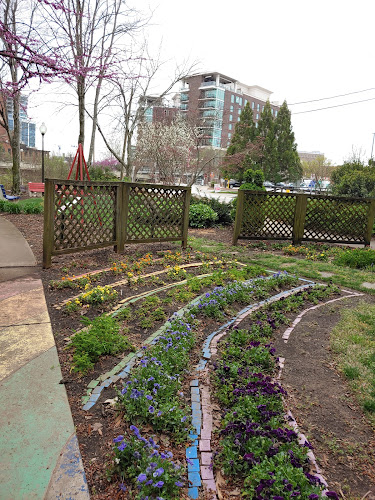
Linky Stone Park: The Children's Garden
Find Accommodations Nearby
Recommended Tours & Activities
Visitor Reviews
There are no reviews yet. Be the first one to write one.
Share Your Experience
Have you visited Museum & Library of Confederate History? Help other travelers by leaving a review.