
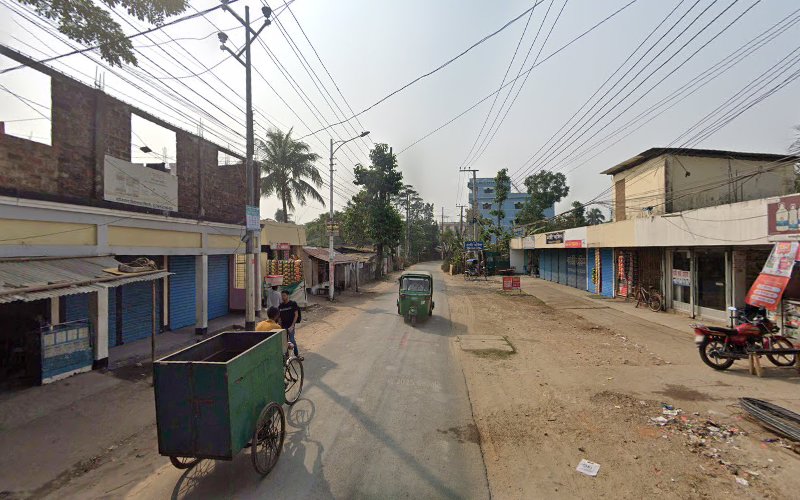
55 Syed Burhan Uddin Rd
About 55 Syed Burhan Uddin Rd
Description
When travelers think about exploring a city, they often overlook the quieter residential streets that tell the real story of a place. And honestly, that's where some of the most authentic experiences happen. 55 Syed Burhan Uddin Road represents one of those understated locations that gives visitors a genuine glimpse into everyday life rather than the polished tourist veneer you'd find at major attractions. This address sits in an area that feels lived-in and real, which I've always found more interesting than manufactured tourist zones. You know those neighborhoods where locals actually go about their daily business? That's what you're getting here. The surrounding area has that authentic character that makes you feel like you're experiencing something genuine rather than just checking boxes on a travel itinerary. I remember once staying in a similar residential area during my travels, and at first I thought I'd made a mistake booking accommodation away from the main tourist district. But it turned out to be one of my best decisions because I got to see how people actually lived, shopped at local markets, and discovered small eateries that no guidebook would ever mention. That's the kind of experience this location offers. The architecture around this part of town tells its own story through the buildings and street layout. You'll notice a mix of older structures alongside more modern developments, creating this interesting tapestry of different eras existing side by side. It's not flashy or particularly photogenic in that Instagram-ready way, but there's something honest about it that appeals to travelers who want substance over style. For those seeking a base that puts you among actual residents rather than surrounded by other tourists, this location delivers. You won't find tour buses clogging the streets here, and that's precisely the point. The pace feels different - slower, more deliberate, more connected to the rhythm of daily life rather than the frenetic energy of tourist hotspots.Key Features
The characteristics that define this location include several noteworthy aspects that travelers should understand before planning their visit:- Residential setting that provides authentic local atmosphere away from commercial tourist zones
- Access to neighborhood amenities used by residents including markets and small shops
- Street layout typical of established residential areas with mature development
- Mix of architectural styles reflecting different periods of urban development
- Quieter environment compared to central tourist districts and entertainment areas
- Opportunities to observe daily routines and cultural practices of local residents
- Proximity to residential services like corner stores and neighborhood restaurants
- Lower tourist density creating more authentic interactions and experiences
- Sidewalks and street conditions characteristic of residential neighborhoods
- Local transportation options used by residents for daily commuting
Best Time to Visit
Timing your visit to a residential area requires different considerations than planning trips to major attractions. Since this isn't a destination with specific operating hours or seasonal events, your visit depends more on what you want to experience and observe. Early mornings between 6 and 9 AM offer fascinating glimpses of neighborhood life as residents head to work, children go to school, and local vendors set up their daily operations. I've found these hours particularly rewarding for photography and people-watching because you see the community at its most animated and purposeful. The light during these hours tends to be softer too, which makes walking around more pleasant. Late afternoons around 4 to 7 PM bring another wave of activity as people return home and street life picks up again. This timing works well if you want to see the neighborhood in full swing with markets busy and food vendors preparing evening meals. You might catch some interesting cooking aromas drifting from homes and small eateries during these hours. Weekdays generally provide more authentic experiences than weekends since you'll observe the regular rhythm of working life. But weekends have their own appeal - families spend more time outside, kids play in available spaces, and there's a more relaxed atmosphere overall. Weather considerations matter significantly for exploring any area on foot. If you're visiting during hotter months, plan your walking explorations for early morning or late afternoon to avoid the midday heat. Rainy seasons might make navigating streets more challenging, so check local weather patterns before your trip. Avoid expecting much activity during midday hours, roughly between 11 AM and 3 PM, when residential areas tend to quiet down as people are at work or school. Unless you specifically want peace and quiet, these hours offer less to observe and experience.How to Get There
Navigating to a specific residential address requires some planning, especially if you're unfamiliar with the area. Local transportation knowledge becomes crucial here since you're not heading to a landmark that every taxi driver automatically knows. The most straightforward approach involves using ride-sharing apps or taxi services where you can input the exact address. This eliminates language barriers and reduces the chance of getting lost. I've learned through various misadventures that having the address written down in the local script can be incredibly helpful - show it to drivers rather than trying to pronounce street names you're unfamiliar with. If public transportation appeals to you (and it should for the full local experience), research the nearest bus stops or transit stations before your trip. Ask your accommodation host or use mapping apps to identify which routes serve the area. Public transit gives you that ground-level view of how residents actually move through their city, though it requires more patience and navigation skills. Walking from nearby areas can work if you're staying relatively close. Use offline maps downloaded before your trip since you can't always count on consistent data coverage in residential neighborhoods. Pay attention to landmarks along your route - distinctive buildings, parks, or intersections help you orient yourself better than street names alone. Hiring a local guide for your first visit makes sense if you're nervous about navigation or want deeper cultural context. They can explain neighborhood dynamics and point out details you'd otherwise miss. Plus, having someone who speaks the local language smooths over any communication challenges.Tips for Visiting
Exploring residential areas requires different etiquette and preparation than visiting commercial tourist zones. Your behavior matters more here because you're entering spaces where people live their daily lives. First and foremost, respect privacy. You're walking through someone's neighborhood, not a theme park. Avoid pointing cameras directly at people's homes or photographing residents without permission. I once made this mistake early in my travels and the uncomfortable confrontation that followed taught me a valuable lesson about boundaries and respect. Dress appropriately for the local culture and climate. Residential areas often have more conservative norms than tourist districts. Research local customs regarding clothing, especially if visiting areas with strong religious or cultural traditions. Comfortable walking shoes are non-negotiable since you'll likely be on your feet exploring. Bring small bills and local currency. Neighborhood shops and vendors typically can't break large notes, and many don't accept credit cards. Having exact change makes transactions smoother and shows you understand local business practices. Learn basic phrases in the local language. Even simple greetings and thank-yous demonstrate respect and often lead to warmer interactions. Residents appreciate when visitors make the effort, and it opens doors to more authentic exchanges. Stay aware of your surroundings without appearing overly nervous or suspicious. Residential areas are generally safe during daylight hours, but use common sense about valuables and remain alert. Trust your instincts - if something feels off, it probably is. Don't expect tourist infrastructure like signage in multiple languages, public restrooms, or information centers. Plan accordingly by using the restroom before your visit and bringing water and snacks. Small neighborhood shops might have what you need, but selection will be limited compared to tourist areas. Be patient with yourself and others. Navigation might take longer than expected, communication could be challenging, and you might feel uncertain at times. That's all part of the experience. Some of my best travel memories come from moments when plans went sideways and I had to figure things out. Consider timing your visit to coincide with a specific purpose - maybe there's a neighborhood market on certain days, or particular shops you want to visit. Having a loose plan gives your exploration structure while leaving room for spontaneous discoveries. Finally, approach the experience with genuine curiosity rather than expectations. Residential areas reveal themselves slowly to observant visitors. The rewards aren't immediate or obvious like they are at famous monuments, but they run deeper. You'll gain insights into how people actually live, work, and organize their communities - understanding that feels more valuable to me than any number of landmark selfies.Key Features
- Residential setting that provides authentic local atmosphere away from commercial tourist zones
- Access to neighborhood amenities used by residents including markets and small shops
- Street layout typical of established residential areas with mature development
- Mix of architectural styles reflecting different periods of urban development
- Quieter environment compared to central tourist districts and entertainment areas
- Opportunities to observe daily routines and cultural practices of local residents
- Proximity to residential services like corner stores and neighborhood restaurants
- Lower tourist density creating more authentic interactions and experiences
More Details
Updated January 19, 2026
Table of Contents
Description
When travelers think about exploring a city, they often overlook the quieter residential streets that tell the real story of a place. And honestly, that’s where some of the most authentic experiences happen. 55 Syed Burhan Uddin Road represents one of those understated locations that gives visitors a genuine glimpse into everyday life rather than the polished tourist veneer you’d find at major attractions.
This address sits in an area that feels lived-in and real, which I’ve always found more interesting than manufactured tourist zones. You know those neighborhoods where locals actually go about their daily business? That’s what you’re getting here. The surrounding area has that authentic character that makes you feel like you’re experiencing something genuine rather than just checking boxes on a travel itinerary.
I remember once staying in a similar residential area during my travels, and at first I thought I’d made a mistake booking accommodation away from the main tourist district. But it turned out to be one of my best decisions because I got to see how people actually lived, shopped at local markets, and discovered small eateries that no guidebook would ever mention. That’s the kind of experience this location offers.
The architecture around this part of town tells its own story through the buildings and street layout. You’ll notice a mix of older structures alongside more modern developments, creating this interesting tapestry of different eras existing side by side. It’s not flashy or particularly photogenic in that Instagram-ready way, but there’s something honest about it that appeals to travelers who want substance over style.
For those seeking a base that puts you among actual residents rather than surrounded by other tourists, this location delivers. You won’t find tour buses clogging the streets here, and that’s precisely the point. The pace feels different – slower, more deliberate, more connected to the rhythm of daily life rather than the frenetic energy of tourist hotspots.
Key Features
The characteristics that define this location include several noteworthy aspects that travelers should understand before planning their visit:
- Residential setting that provides authentic local atmosphere away from commercial tourist zones
- Access to neighborhood amenities used by residents including markets and small shops
- Street layout typical of established residential areas with mature development
- Mix of architectural styles reflecting different periods of urban development
- Quieter environment compared to central tourist districts and entertainment areas
- Opportunities to observe daily routines and cultural practices of local residents
- Proximity to residential services like corner stores and neighborhood restaurants
- Lower tourist density creating more authentic interactions and experiences
- Sidewalks and street conditions characteristic of residential neighborhoods
- Local transportation options used by residents for daily commuting
Best Time to Visit
Timing your visit to a residential area requires different considerations than planning trips to major attractions. Since this isn’t a destination with specific operating hours or seasonal events, your visit depends more on what you want to experience and observe.
Early mornings between 6 and 9 AM offer fascinating glimpses of neighborhood life as residents head to work, children go to school, and local vendors set up their daily operations. I’ve found these hours particularly rewarding for photography and people-watching because you see the community at its most animated and purposeful. The light during these hours tends to be softer too, which makes walking around more pleasant.
Late afternoons around 4 to 7 PM bring another wave of activity as people return home and street life picks up again. This timing works well if you want to see the neighborhood in full swing with markets busy and food vendors preparing evening meals. You might catch some interesting cooking aromas drifting from homes and small eateries during these hours.
Weekdays generally provide more authentic experiences than weekends since you’ll observe the regular rhythm of working life. But weekends have their own appeal – families spend more time outside, kids play in available spaces, and there’s a more relaxed atmosphere overall.
Weather considerations matter significantly for exploring any area on foot. If you’re visiting during hotter months, plan your walking explorations for early morning or late afternoon to avoid the midday heat. Rainy seasons might make navigating streets more challenging, so check local weather patterns before your trip.
Avoid expecting much activity during midday hours, roughly between 11 AM and 3 PM, when residential areas tend to quiet down as people are at work or school. Unless you specifically want peace and quiet, these hours offer less to observe and experience.
How to Get There
Navigating to a specific residential address requires some planning, especially if you’re unfamiliar with the area. Local transportation knowledge becomes crucial here since you’re not heading to a landmark that every taxi driver automatically knows.
The most straightforward approach involves using ride-sharing apps or taxi services where you can input the exact address. This eliminates language barriers and reduces the chance of getting lost. I’ve learned through various misadventures that having the address written down in the local script can be incredibly helpful – show it to drivers rather than trying to pronounce street names you’re unfamiliar with.
If public transportation appeals to you (and it should for the full local experience), research the nearest bus stops or transit stations before your trip. Ask your accommodation host or use mapping apps to identify which routes serve the area. Public transit gives you that ground-level view of how residents actually move through their city, though it requires more patience and navigation skills.
Walking from nearby areas can work if you’re staying relatively close. Use offline maps downloaded before your trip since you can’t always count on consistent data coverage in residential neighborhoods. Pay attention to landmarks along your route – distinctive buildings, parks, or intersections help you orient yourself better than street names alone.
Hiring a local guide for your first visit makes sense if you’re nervous about navigation or want deeper cultural context. They can explain neighborhood dynamics and point out details you’d otherwise miss. Plus, having someone who speaks the local language smooths over any communication challenges.
Tips for Visiting
Exploring residential areas requires different etiquette and preparation than visiting commercial tourist zones. Your behavior matters more here because you’re entering spaces where people live their daily lives.
First and foremost, respect privacy. You’re walking through someone’s neighborhood, not a theme park. Avoid pointing cameras directly at people’s homes or photographing residents without permission. I once made this mistake early in my travels and the uncomfortable confrontation that followed taught me a valuable lesson about boundaries and respect.
Dress appropriately for the local culture and climate. Residential areas often have more conservative norms than tourist districts. Research local customs regarding clothing, especially if visiting areas with strong religious or cultural traditions. Comfortable walking shoes are non-negotiable since you’ll likely be on your feet exploring.
Bring small bills and local currency. Neighborhood shops and vendors typically can’t break large notes, and many don’t accept credit cards. Having exact change makes transactions smoother and shows you understand local business practices.
Learn basic phrases in the local language. Even simple greetings and thank-yous demonstrate respect and often lead to warmer interactions. Residents appreciate when visitors make the effort, and it opens doors to more authentic exchanges.
Stay aware of your surroundings without appearing overly nervous or suspicious. Residential areas are generally safe during daylight hours, but use common sense about valuables and remain alert. Trust your instincts – if something feels off, it probably is.
Don’t expect tourist infrastructure like signage in multiple languages, public restrooms, or information centers. Plan accordingly by using the restroom before your visit and bringing water and snacks. Small neighborhood shops might have what you need, but selection will be limited compared to tourist areas.
Be patient with yourself and others. Navigation might take longer than expected, communication could be challenging, and you might feel uncertain at times. That’s all part of the experience. Some of my best travel memories come from moments when plans went sideways and I had to figure things out.
Consider timing your visit to coincide with a specific purpose – maybe there’s a neighborhood market on certain days, or particular shops you want to visit. Having a loose plan gives your exploration structure while leaving room for spontaneous discoveries.
Finally, approach the experience with genuine curiosity rather than expectations. Residential areas reveal themselves slowly to observant visitors. The rewards aren’t immediate or obvious like they are at famous monuments, but they run deeper. You’ll gain insights into how people actually live, work, and organize their communities – understanding that feels more valuable to me than any number of landmark selfies.
Key Highlights
- Residential setting that provides authentic local atmosphere away from commercial tourist zones
- Access to neighborhood amenities used by residents including markets and small shops
- Street layout typical of established residential areas with mature development
- Mix of architectural styles reflecting different periods of urban development
- Quieter environment compared to central tourist districts and entertainment areas
- Opportunities to observe daily routines and cultural practices of local residents
- Proximity to residential services like corner stores and neighborhood restaurants
- Lower tourist density creating more authentic interactions and experiences
Location
Places to Stay Near 55 Syed Burhan Uddin Rd
Find and Book a Tour
Explore More Travel Guides
No reviews found! Be the first to review!
Traveler Reviews for 55 Syed Burhan Uddin Rd
There are no reviews yet. Be the first one to write one.
Have you visited 55 Syed Burhan Uddin Rd? Help other travelers by sharing your review.
You Might Also Like

ALISHANGROUP MAJLIS @alisahebgroup

Sylhet
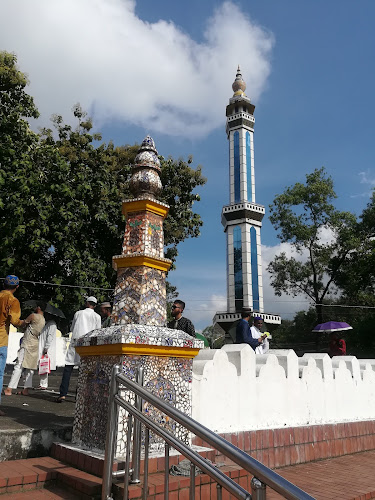
Shahi Eidgah
Find Accommodations Nearby
Recommended Tours & Activities
Visitor Reviews
There are no reviews yet. Be the first one to write one.
Share Your Experience
Have you visited 55 Syed Burhan Uddin Rd? Help other travelers by leaving a review.