
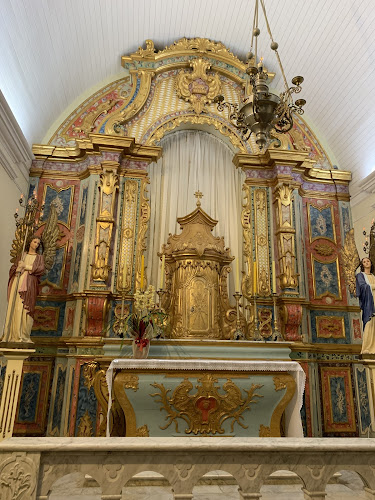
Catedral Metropolitana de Florianópolis Nossa Senhora Do Desterro e Santa Catarina De Alexandria
About Catedral Metropolitana de Florianópolis Nossa Senhora Do Desterro e Santa Catarina De Alexandria
Description
The Catedral Metropolitana de Florianópolis Nossa Senhora Do Desterro e Santa Catarina De Alexandria stands as one of southern Brazil's most captivating religious landmarks, drawing visitors from across the globe who seek both spiritual enrichment and architectural beauty. Built in 1908, this Catholic cathedral has watched over the heart of Florianópolis for more than a century, serving as a testament to the city's rich colonial heritage and enduring faith traditions. What strikes most travelers immediately is the cathedral's commanding presence in the downtown area. The twin towers rise majestically against the tropical sky, creating a silhouette that's become synonymous with Florianópolis itself. I've heard from countless visitors who stumbled upon this church while wandering through the historic center and found themselves completely captivated by its understated elegance. And honestly, there's something quite special about discovering a place organically rather than ticking it off a predetermined list. The cathedral serves multiple functions beyond being simply a tourist attraction. It remains an active place of worship where locals gather for mass, weddings, baptisms, and other significant life events. This living, breathing quality gives the cathedral an authenticity that many heavily touristed religious sites have lost. You're not just visiting a museum piece here – you're stepping into a space that continues to hold deep meaning for the community. The architectural style blends neoclassical elements with local Brazilian influences, creating something that feels both familiar and distinctly regional. The stained-glass windows filter the intense Brazilian sunlight into soft, colorful patterns that dance across the interior surfaces throughout the day. These windows tell biblical stories through intricate designs, and even if you're not particularly religious, the craftsmanship alone warrants appreciation.Key Features
The cathedral offers numerous elements that make it worth dedicating time to explore thoroughly:- Twin Bell Towers – The dual towers serve as the cathedral's most recognizable feature, visible from various points throughout downtown Florianópolis and providing excellent orientation landmarks for travelers navigating the historic district
- Stained-Glass Windows – Elaborate glass artwork depicting religious scenes and figures that transform natural light into a kaleidoscope of colors, particularly stunning during late afternoon when the sun hits at just the right angle
- Interior Frescoes – Hand-painted ceiling and wall frescoes that showcase biblical narratives and saints, executed in a style that reflects early 20th-century artistic sensibilities with Brazilian touches
- Religious Statuary – Multiple statues throughout the cathedral representing various saints and religious figures, each with its own history and significance to the local Catholic community
- Main Altar – An ornate focal point that demonstrates exceptional woodwork and gilding, representing the cathedral's spiritual center and architectural pinnacle
- Accessibility Features – Wheelchair-accessible entrances, parking areas, and restroom facilities make this cathedral more inclusive than many historic religious buildings
- Historic Pipe Organ – Though not always in use, the organ represents an important piece of the cathedral's musical heritage and occasionally accompanies special services
- Confessionals – Traditional wooden confessional booths that provide insight into Catholic practices and showcase beautiful carpentry work from the early 1900s
Best Time to Visit
Timing your visit to the Catedral Metropolitana can significantly impact your experience, and I've learned through various conversations with travelers that people often overlook this aspect when planning their Florianópolis itineraries. For those seeking quiet contemplation and uninterrupted photography opportunities, weekday mornings between 9 AM and 11 AM typically offer the most peaceful atmosphere. The cathedral opens its doors early, and you'll find fewer crowds during these hours compared to afternoons or weekends. The morning light also creates particularly beautiful effects through the stained-glass windows – something photographers absolutely shouldn't miss. But if you want to experience the cathedral as a living religious institution rather than just an architectural monument, attending a Sunday mass provides incredible cultural insight. The congregation fills the pews, voices rise in Portuguese hymns, and you witness how this space continues serving its original purpose. Just remember to dress respectfully and remain quiet during services if you're there primarily as an observer. Weather-wise, Florianópolis enjoys a subtropical climate, which means visiting the cathedral offers welcome respite during the hot summer months (December through March). The thick walls keep the interior surprisingly cool, making it an ideal midday stop when the coastal humidity becomes overwhelming. However, the winter months of June through August bring milder temperatures that many European and North American visitors find more comfortable for extended walking tours through the historic center. The cathedral takes on special significance during religious holidays, particularly Easter and Christmas. The decorations become more elaborate, special masses attract larger crowds, and the atmosphere carries an extra layer of reverence and celebration. These periods offer unique experiences but require patience with crowds and potentially limited access to certain areas. Avoid visiting during the peak lunch hour (noon to 2 PM) when the cathedral might close temporarily or have restricted access. Also worth noting – unlike some European cathedrals that charge entrance fees, this cathedral welcomes visitors free of charge, though donations are appreciated and help with ongoing maintenance.How to Get There
Reaching the Catedral Metropolitana proves remarkably straightforward for most travelers, regardless of where they're staying in Florianópolis. The cathedral sits in the historic downtown area, which locals call Centro, making it accessible through multiple transportation options. For those staying in beach areas like Canasvieiras, Ingleses, or Lagoa da Conceição, public buses provide affordable and reliable service to Centro. The TILAG and TITRI bus lines connect various beach neighborhoods to downtown, with stops within easy walking distance of the cathedral. The journey typically takes between 30 to 60 minutes depending on your starting point and traffic conditions. Bus fares remain very reasonable, and drivers generally accept cash payment. Uber and local taxi services offer more direct routes, particularly convenient for travelers not comfortable navigating the Portuguese-language bus system. From most beach areas, expect to pay moderate fares for the ride to Centro. The advantage here is getting dropped off right near the cathedral rather than walking from bus stops. If you're exploring the historic center on foot – which I'd highly recommend since so many colonial buildings, markets, and cafes cluster in this area – the cathedral's twin towers serve as excellent navigation beacons. You can spot them from blocks away, making it nearly impossible to get lost. The surrounding streets feature pedestrian-friendly sidewalks, though watch out for uneven pavement in some sections. Driving yourself presents certain challenges, as parking in Centro can be tricky during weekdays when locals are working. However, the cathedral does offer wheelchair-accessible parking options nearby for visitors with mobility needs. Street parking exists but fills up quickly, and you'll need to pay attention to posted restrictions to avoid tickets. For cruise ship passengers with limited time in port, the cathedral sits relatively close to the terminal area. A short taxi ride or even a 20-minute walk brings you to this landmark, making it feasible to visit even during brief shore excursions.Tips for Visiting
Making the most of your cathedral visit requires some practical knowledge that guidebooks don't always cover. First and foremost, dress codes matter here. While enforcement isn't always strict, respecting the religious nature of this space means avoiding beach attire, tank tops, or very short shorts. You don't need formal clothing, but modest, respectful dress shows consideration for worshippers and increases the likelihood that you'll be welcomed into all areas of the building. Photography is generally permitted, but flash photography during services is a definite no-go. I've seen well-meaning tourists accidentally disrupt prayers by using bright flashes, creating awkward situations for everyone involved. Natural light through those gorgeous stained-glass windows creates better photos anyway, so embrace the ambient lighting and adjust your camera settings accordingly. The cathedral provides restroom facilities, which might not sound like crucial information until you're wandering around Centro and desperately searching for one. Public restrooms aren't abundant in the historic district, so taking advantage of the cathedral's amenities proves surprisingly valuable. Combine your cathedral visit with exploration of the surrounding area to maximize your time. The Public Market (Mercado Público) sits just a short walk away, offering local foods, crafts, and a authentic slice of daily life in Florianópolis. The waterfront promenade provides beautiful views and pleasant strolling. Several museums and cultural centers are also within easy walking distance. Don't rush through your visit. Too many travelers pop in for five minutes, snap a few photos, and leave without really experiencing the space. Sit in the pews for a while. Observe the details in the frescoes. Watch how light changes the atmosphere as it moves across the stained glass. The cathedral reveals its character slowly to those willing to spend time with it. If you're visiting during services and aren't Catholic, you're still welcome to observe respectfully from the back pews. However, participation in communion and certain other rituals is reserved for practicing Catholics. When in doubt about protocol, simply follow the lead of those around you or remain seated. The clothing recycling program mentioned in the cathedral's amenities deserves attention from eco-conscious travelers. If you're doing an extended Brazil trip and need to lighten your luggage, this provides an opportunity to donate unneeded items responsibly rather than simply discarding them. Accessibility features make this cathedral unusually welcoming for visitors with mobility challenges. The ramps and accessible restrooms demonstrate thoughtful accommodation that many historic buildings lack. If you're traveling with elderly family members or anyone using wheelchairs, you can confidently include this site in your itinerary. Finally, remember that donations help preserve this historic building for future generations. While entrance remains free, contributing what you can – even a small amount – supports ongoing restoration work and operational costs. Think of it as investing in cultural preservation rather than just paying a fee.Key Features
- Key Features
- Best Time to Visit
- How to Get There
- Tips for Visiting
More Details
Updated March 30, 2026
Table of Contents
- Description
- Key Features
- Best Time to Visit
- How to Get There
- Tips for Visiting
- Key Highlights
- Location
- Places to Stay Near Catedral Metropolitana de Florianópolis Nossa Senhora Do Desterro e Santa Catarina De Alexandria
- Find and Book a Tour
- Explore More Travel Guides
- Nearby Places You Might Like
- Traveler Reviews for Catedral Metropolitana de Florianópolis Nossa Senhora Do Desterro e Santa Catarina De Alexandria
- Share Your Experience
Description
The Catedral Metropolitana de Florianópolis Nossa Senhora Do Desterro e Santa Catarina De Alexandria stands as one of southern Brazil’s most captivating religious landmarks, drawing visitors from across the globe who seek both spiritual enrichment and architectural beauty. Built in 1908, this Catholic cathedral has watched over the heart of Florianópolis for more than a century, serving as a testament to the city’s rich colonial heritage and enduring faith traditions.
What strikes most travelers immediately is the cathedral’s commanding presence in the downtown area. The twin towers rise majestically against the tropical sky, creating a silhouette that’s become synonymous with Florianópolis itself. I’ve heard from countless visitors who stumbled upon this church while wandering through the historic center and found themselves completely captivated by its understated elegance. And honestly, there’s something quite special about discovering a place organically rather than ticking it off a predetermined list.
The cathedral serves multiple functions beyond being simply a tourist attraction. It remains an active place of worship where locals gather for mass, weddings, baptisms, and other significant life events. This living, breathing quality gives the cathedral an authenticity that many heavily touristed religious sites have lost. You’re not just visiting a museum piece here – you’re stepping into a space that continues to hold deep meaning for the community.
The architectural style blends neoclassical elements with local Brazilian influences, creating something that feels both familiar and distinctly regional. The stained-glass windows filter the intense Brazilian sunlight into soft, colorful patterns that dance across the interior surfaces throughout the day. These windows tell biblical stories through intricate designs, and even if you’re not particularly religious, the craftsmanship alone warrants appreciation.
Key Features
The cathedral offers numerous elements that make it worth dedicating time to explore thoroughly:
- Twin Bell Towers – The dual towers serve as the cathedral’s most recognizable feature, visible from various points throughout downtown Florianópolis and providing excellent orientation landmarks for travelers navigating the historic district
- Stained-Glass Windows – Elaborate glass artwork depicting religious scenes and figures that transform natural light into a kaleidoscope of colors, particularly stunning during late afternoon when the sun hits at just the right angle
- Interior Frescoes – Hand-painted ceiling and wall frescoes that showcase biblical narratives and saints, executed in a style that reflects early 20th-century artistic sensibilities with Brazilian touches
- Religious Statuary – Multiple statues throughout the cathedral representing various saints and religious figures, each with its own history and significance to the local Catholic community
- Main Altar – An ornate focal point that demonstrates exceptional woodwork and gilding, representing the cathedral’s spiritual center and architectural pinnacle
- Accessibility Features – Wheelchair-accessible entrances, parking areas, and restroom facilities make this cathedral more inclusive than many historic religious buildings
- Historic Pipe Organ – Though not always in use, the organ represents an important piece of the cathedral’s musical heritage and occasionally accompanies special services
- Confessionals – Traditional wooden confessional booths that provide insight into Catholic practices and showcase beautiful carpentry work from the early 1900s
Best Time to Visit
Timing your visit to the Catedral Metropolitana can significantly impact your experience, and I’ve learned through various conversations with travelers that people often overlook this aspect when planning their Florianópolis itineraries.
For those seeking quiet contemplation and uninterrupted photography opportunities, weekday mornings between 9 AM and 11 AM typically offer the most peaceful atmosphere. The cathedral opens its doors early, and you’ll find fewer crowds during these hours compared to afternoons or weekends. The morning light also creates particularly beautiful effects through the stained-glass windows – something photographers absolutely shouldn’t miss.
But if you want to experience the cathedral as a living religious institution rather than just an architectural monument, attending a Sunday mass provides incredible cultural insight. The congregation fills the pews, voices rise in Portuguese hymns, and you witness how this space continues serving its original purpose. Just remember to dress respectfully and remain quiet during services if you’re there primarily as an observer.
Weather-wise, Florianópolis enjoys a subtropical climate, which means visiting the cathedral offers welcome respite during the hot summer months (December through March). The thick walls keep the interior surprisingly cool, making it an ideal midday stop when the coastal humidity becomes overwhelming. However, the winter months of June through August bring milder temperatures that many European and North American visitors find more comfortable for extended walking tours through the historic center.
The cathedral takes on special significance during religious holidays, particularly Easter and Christmas. The decorations become more elaborate, special masses attract larger crowds, and the atmosphere carries an extra layer of reverence and celebration. These periods offer unique experiences but require patience with crowds and potentially limited access to certain areas.
Avoid visiting during the peak lunch hour (noon to 2 PM) when the cathedral might close temporarily or have restricted access. Also worth noting – unlike some European cathedrals that charge entrance fees, this cathedral welcomes visitors free of charge, though donations are appreciated and help with ongoing maintenance.
How to Get There
Reaching the Catedral Metropolitana proves remarkably straightforward for most travelers, regardless of where they’re staying in Florianópolis. The cathedral sits in the historic downtown area, which locals call Centro, making it accessible through multiple transportation options.
For those staying in beach areas like Canasvieiras, Ingleses, or Lagoa da Conceição, public buses provide affordable and reliable service to Centro. The TILAG and TITRI bus lines connect various beach neighborhoods to downtown, with stops within easy walking distance of the cathedral. The journey typically takes between 30 to 60 minutes depending on your starting point and traffic conditions. Bus fares remain very reasonable, and drivers generally accept cash payment.
Uber and local taxi services offer more direct routes, particularly convenient for travelers not comfortable navigating the Portuguese-language bus system. From most beach areas, expect to pay moderate fares for the ride to Centro. The advantage here is getting dropped off right near the cathedral rather than walking from bus stops.
If you’re exploring the historic center on foot – which I’d highly recommend since so many colonial buildings, markets, and cafes cluster in this area – the cathedral’s twin towers serve as excellent navigation beacons. You can spot them from blocks away, making it nearly impossible to get lost. The surrounding streets feature pedestrian-friendly sidewalks, though watch out for uneven pavement in some sections.
Driving yourself presents certain challenges, as parking in Centro can be tricky during weekdays when locals are working. However, the cathedral does offer wheelchair-accessible parking options nearby for visitors with mobility needs. Street parking exists but fills up quickly, and you’ll need to pay attention to posted restrictions to avoid tickets.
For cruise ship passengers with limited time in port, the cathedral sits relatively close to the terminal area. A short taxi ride or even a 20-minute walk brings you to this landmark, making it feasible to visit even during brief shore excursions.
Tips for Visiting
Making the most of your cathedral visit requires some practical knowledge that guidebooks don’t always cover. First and foremost, dress codes matter here. While enforcement isn’t always strict, respecting the religious nature of this space means avoiding beach attire, tank tops, or very short shorts. You don’t need formal clothing, but modest, respectful dress shows consideration for worshippers and increases the likelihood that you’ll be welcomed into all areas of the building.
Photography is generally permitted, but flash photography during services is a definite no-go. I’ve seen well-meaning tourists accidentally disrupt prayers by using bright flashes, creating awkward situations for everyone involved. Natural light through those gorgeous stained-glass windows creates better photos anyway, so embrace the ambient lighting and adjust your camera settings accordingly.
The cathedral provides restroom facilities, which might not sound like crucial information until you’re wandering around Centro and desperately searching for one. Public restrooms aren’t abundant in the historic district, so taking advantage of the cathedral’s amenities proves surprisingly valuable.
Combine your cathedral visit with exploration of the surrounding area to maximize your time. The Public Market (Mercado Público) sits just a short walk away, offering local foods, crafts, and a authentic slice of daily life in Florianópolis. The waterfront promenade provides beautiful views and pleasant strolling. Several museums and cultural centers are also within easy walking distance.
Don’t rush through your visit. Too many travelers pop in for five minutes, snap a few photos, and leave without really experiencing the space. Sit in the pews for a while. Observe the details in the frescoes. Watch how light changes the atmosphere as it moves across the stained glass. The cathedral reveals its character slowly to those willing to spend time with it.
If you’re visiting during services and aren’t Catholic, you’re still welcome to observe respectfully from the back pews. However, participation in communion and certain other rituals is reserved for practicing Catholics. When in doubt about protocol, simply follow the lead of those around you or remain seated.
The clothing recycling program mentioned in the cathedral’s amenities deserves attention from eco-conscious travelers. If you’re doing an extended Brazil trip and need to lighten your luggage, this provides an opportunity to donate unneeded items responsibly rather than simply discarding them.
Accessibility features make this cathedral unusually welcoming for visitors with mobility challenges. The ramps and accessible restrooms demonstrate thoughtful accommodation that many historic buildings lack. If you’re traveling with elderly family members or anyone using wheelchairs, you can confidently include this site in your itinerary.
Finally, remember that donations help preserve this historic building for future generations. While entrance remains free, contributing what you can – even a small amount – supports ongoing restoration work and operational costs. Think of it as investing in cultural preservation rather than just paying a fee.
Key Highlights
- Key Features
- Best Time to Visit
- How to Get There
- Tips for Visiting
Location
Places to Stay Near Catedral Metropolitana de Florianópolis Nossa Senhora Do Desterro e Santa Catarina De Alexandria
Find and Book a Tour
Explore More Travel Guides
No reviews found! Be the first to review!
Catedral Metropolitana de Florianópolis Nossa Senhora Do Desterro e Santa Catarina De Alexandria is a prominent Catedral located in Florianópolis.
Visit us at: R. Padre Miguelinho, 55 – Centro, Florianópolis – SC, 88010-102, Brazil.
Traveler Reviews for Catedral Metropolitana de Florianópolis Nossa Senhora Do Desterro e Santa Catarina De Alexandria
There are no reviews yet. Be the first one to write one.
Have you visited Catedral Metropolitana de Florianópolis Nossa Senhora Do Desterro e Santa Catarina De Alexandria? Help other travelers by sharing your review.
You Might Also Like
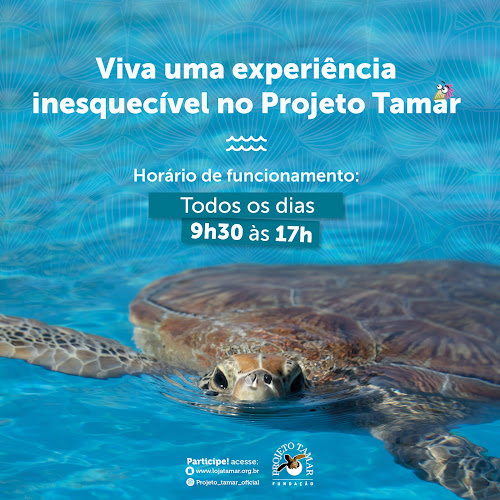
Fundação Projeto Tamar - Florianópolis
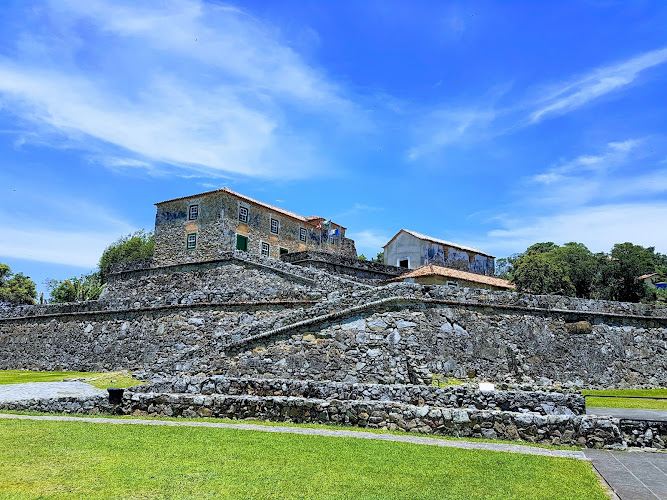
São José da Ponta Grossa Fortress
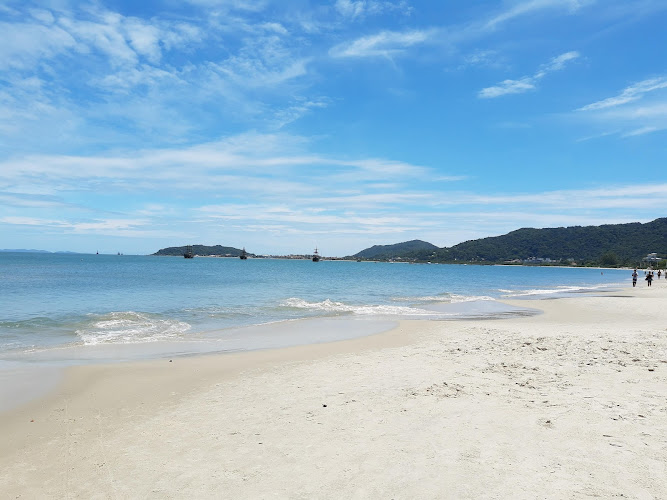
Cachoeira do Bom Jesus Beach
Find Accommodations Nearby
Recommended Tours & Activities
Visitor Reviews
There are no reviews yet. Be the first one to write one.
Share Your Experience
Have you visited Catedral Metropolitana de Florianópolis Nossa Senhora Do Desterro e Santa Catarina De Alexandria? Help other travelers by leaving a review.