
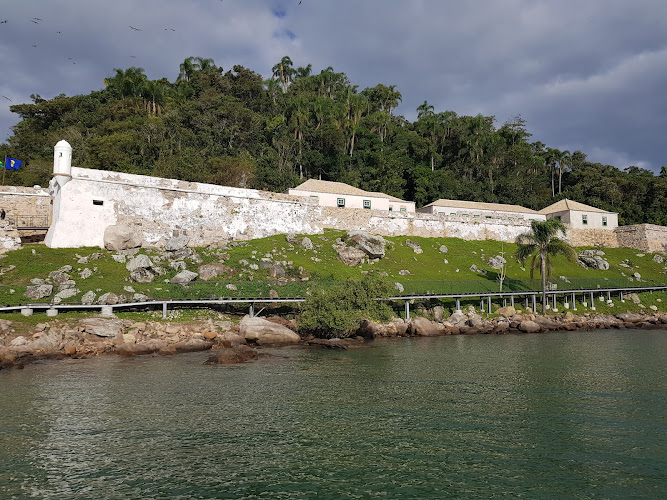
Fortaleza de Santo Antonio de Ratones
About Fortaleza de Santo Antonio de Ratones
Description
The Fortaleza de Santo Antonio de Ratones stands as one of those historical gems that doesn't always make it onto the typical tourist radar, but honestly, that's part of its charm. Built in the 18th century on a small island in the northern entrance of Florianópolis bay, this Portuguese colonial fortress served dual purposes throughout its existence - both as a military defense installation and later as a quarantine station for ships entering Brazilian waters. What makes this place genuinely fascinating is how it transports you back to a time when maritime security meant something entirely different. The fortress perches on elevated ground, which was obviously strategic for spotting approaching vessels, and today that same elevation rewards visitors with sweeping views of the surrounding waters and coastline. I've always thought there's something special about places that were built with such specific purposes in mind, and you can really feel that intentionality when you walk through the stone corridors and battlements. The structure itself has been remarkably well-preserved considering it's been exposed to ocean elements for nearly three centuries. Walking through the fortress, visitors encounter two complete batteries of cannons that still point outward toward the sea, frozen in their defensive postures. These aren't replicas either - they're the actual artillery pieces that once defended Brazilian waters from potential invaders and pirates who frequented these routes during colonial times. The quarantine history adds another layer to the story. During various epidemic outbreaks, ships would be held at the fortress while their crews were examined and isolated if necessary. You can still see some of the rooms where sailors and passengers waited out their quarantine periods, which brings a surprisingly human element to what could otherwise feel like just another military installation.Key Features
- Two fully intact cannon batteries with original 18th-century artillery pieces positioned to defend the bay entrance
- Elevated strategic position providing panoramic views of Florianópolis bay and the surrounding Atlantic waters
- Well-preserved Portuguese colonial military architecture featuring thick stone walls and defensive fortifications
- Historic quarantine facilities where ships' crews were isolated during epidemic periods
- Original stone construction showcasing engineering techniques from the 1700s
- Small island setting accessible only by boat, adding to the adventurous experience
- Interpretive displays and informational plaques explaining the fortress's dual military and public health roles
- Atmospheric courtyards and walkways that photographers absolutely love
- Less crowded than mainland attractions, offering a more intimate historical experience
- Spectacular sunset viewing opportunities from the ramparts
Best Time to Visit
Timing your visit to Fortaleza de Santo Antonio de Ratones really depends on what kind of experience you're after. The Brazilian summer months from December through March bring warm weather and calm seas, which makes the boat journey more comfortable and predictable. But here's the thing - everyone else knows this too, so you'll be sharing the experience with more people. I'd personally lean toward visiting during the shoulder seasons of April-May or September-November. The weather's still pretty cooperative during these months, the ocean conditions are generally reasonable for boat transfers, and you won't be jostling for position at the best viewpoints. Plus, the light during these months can be absolutely gorgeous for photography, especially in the late afternoon. Winter months (June through August) present a bit of a gamble. The temperatures drop - though we're talking mild by most standards, around 15-20 degrees Celsius - and the seas can get rough. Boat operators sometimes cancel trips during this period if conditions aren't suitable. That said, if you do make it out there on a clear winter day, you might have the place almost entirely to yourself, which creates a completely different atmosphere. Weather patterns in this region can shift pretty quickly, so checking forecasts a few days before your planned visit is just smart planning. Morning visits tend to offer clearer skies and better visibility, though afternoon light brings out different colors in the stone walls and creates dramatic shadows that history buffs and photographers seem to appreciate. The fortress doesn't get oppressively crowded even during peak season, but weekends naturally draw more visitors than weekdays. If you value solitude and want time to really absorb the historical atmosphere, targeting a weekday visit makes sense.How to Get There
Getting to the Fortaleza de Santo Antonio de Ratones is admittedly part of the adventure, and it requires a bit more effort than just hopping on a bus. The fortress sits on an island, which means water transportation is your only option - but don't let that intimidate you. Most visitors arrange boat tours from the northern beaches of Florianópolis, particularly from areas like Canasvieiras, Jurerê, or Daniela. Several local operators run regular trips to the fortress, and the journey itself typically takes about 30 to 45 minutes depending on your departure point and sea conditions. The boat ride offers its own rewards, passing by other islands and providing coastal perspectives you simply can't get from land. Booking in advance is genuinely recommended rather than just showing up and hoping for the best. Tours can fill up, especially during holiday periods and summer weekends, and you'd hate to miss out after making the trip to the departure point. Many operators offer combined tours that include the fortress along with other nearby islands, which can be good value if you've got the time. Some visitors prefer hiring private boat charters, which gives you more flexibility with timing and allows you to stay longer at the fortress if you're really into the history. This costs more, obviously, but for small groups the per-person price can be reasonable when split. The fortress doesn't have its own dock facilities that accommodate large vessels, so expect to transfer to smaller boats for the final approach, or in some cases, to step through shallow water to reach the landing area. Wearing appropriate footwear that can get wet is just practical thinking. Public transportation won't get you directly there, but buses do run from central Florianópolis to the northern beach areas where boat tours depart. If you're staying in the southern parts of the island, plan for about 45 minutes to an hour of travel time to reach the departure points, plus the boat journey itself.Tips for Visiting
Wear comfortable walking shoes with good grip - the fortress involves climbing stone stairs and walking on surfaces that can be uneven and sometimes slippery, especially if ocean spray has dampened them. Those Instagram-worthy sandals might look great in photos but won't do you any favors navigating the ramparts. Bring sun protection even if it doesn't look particularly sunny when you depart. The island offers limited shade, and the combination of direct sun and reflection off the water and light-colored stone walls can be intense. A hat, sunscreen, and sunglasses aren't optional accessories - they're essential gear. Pack water and light snacks because there are no facilities, vendors, or shops at the fortress. You're essentially visiting a preserved historical site on an isolated island, not a developed tourist complex. Staying hydrated is especially important if you're visiting during warmer months. The boat journey can be choppy depending on conditions, so if you're prone to seasickness, taking preventive measures beforehand is worth considering. I've seen excited tourists arrive at the fortress looking decidedly green and unable to enjoy the experience because they didn't prepare for the water crossing. Getting tickets or reserving your spot in advance really isn't just a suggestion - it's how you ensure you actually get to visit. Tour operators work with limited capacity, and particularly during peak periods, same-day availability can be nonexistent. Bring a camera or ensure your phone is charged because the photographic opportunities are exceptional. The cannons, the architecture, the views - it all creates memorable images. But also take time to actually experience the place without viewing it through a lens. Sometimes we get so focused on capturing content that we forget to actually be present. Respect the historical nature of the site. These aren't props or playground equipment - they're genuine historical artifacts. Climbing on cannons or carving names into stone walls isn't just disrespectful; it damages irreplaceable heritage. Check with your tour operator about what's included and what's not. Some tours provide guided interpretation while others are essentially just transportation to and from the island with free time to explore on your own. Knowing what you're paying for prevents disappointment. Portuguese language skills aren't required, but they can enhance the experience since many of the informational displays are primarily in Portuguese. Translation apps on your phone can be helpful for reading the historical context provided at various points throughout the fortress. Finally, manage your expectations about facilities. This isn't a modern tourist attraction with cafes and gift shops and restrooms every fifty meters. It's a preserved historical fortress on a small island. The lack of commercial development is actually what makes it special, but it also means planning ahead and being self-sufficient during your visit.Key Features
- 18th-century Portuguese military architecture with original stone walls
- Strategic location on Ilha de Ratones Grande with panoramic views of Baía Norte
- Cannons and batteries that formed a defensive triangle with nearby forts
- Relatively uncrowded, atmospheric setting ideal for photography
- Managed as part of the regional fortifications and accessible via boat/organized tour
More Details
Updated March 30, 2026
Table of Contents
- Description
- Key Features
- Best Time to Visit
- How to Get There
- Tips for Visiting
- Key Highlights
- Location
- Places to Stay Near Fortaleza de Santo Antonio de Ratones
- Find and Book a Tour
- Explore More Travel Guides
- Nearby Places You Might Like
- Traveler Reviews for Fortaleza de Santo Antonio de Ratones
- Share Your Experience
Description
The Fortaleza de Santo Antonio de Ratones stands as one of those historical gems that doesn’t always make it onto the typical tourist radar, but honestly, that’s part of its charm. Built in the 18th century on a small island in the northern entrance of Florianópolis bay, this Portuguese colonial fortress served dual purposes throughout its existence – both as a military defense installation and later as a quarantine station for ships entering Brazilian waters.
What makes this place genuinely fascinating is how it transports you back to a time when maritime security meant something entirely different. The fortress perches on elevated ground, which was obviously strategic for spotting approaching vessels, and today that same elevation rewards visitors with sweeping views of the surrounding waters and coastline. I’ve always thought there’s something special about places that were built with such specific purposes in mind, and you can really feel that intentionality when you walk through the stone corridors and battlements.
The structure itself has been remarkably well-preserved considering it’s been exposed to ocean elements for nearly three centuries. Walking through the fortress, visitors encounter two complete batteries of cannons that still point outward toward the sea, frozen in their defensive postures. These aren’t replicas either – they’re the actual artillery pieces that once defended Brazilian waters from potential invaders and pirates who frequented these routes during colonial times.
The quarantine history adds another layer to the story. During various epidemic outbreaks, ships would be held at the fortress while their crews were examined and isolated if necessary. You can still see some of the rooms where sailors and passengers waited out their quarantine periods, which brings a surprisingly human element to what could otherwise feel like just another military installation.
Key Features
- Two fully intact cannon batteries with original 18th-century artillery pieces positioned to defend the bay entrance
- Elevated strategic position providing panoramic views of Florianópolis bay and the surrounding Atlantic waters
- Well-preserved Portuguese colonial military architecture featuring thick stone walls and defensive fortifications
- Historic quarantine facilities where ships’ crews were isolated during epidemic periods
- Original stone construction showcasing engineering techniques from the 1700s
- Small island setting accessible only by boat, adding to the adventurous experience
- Interpretive displays and informational plaques explaining the fortress’s dual military and public health roles
- Atmospheric courtyards and walkways that photographers absolutely love
- Less crowded than mainland attractions, offering a more intimate historical experience
- Spectacular sunset viewing opportunities from the ramparts
Best Time to Visit
Timing your visit to Fortaleza de Santo Antonio de Ratones really depends on what kind of experience you’re after. The Brazilian summer months from December through March bring warm weather and calm seas, which makes the boat journey more comfortable and predictable. But here’s the thing – everyone else knows this too, so you’ll be sharing the experience with more people.
I’d personally lean toward visiting during the shoulder seasons of April-May or September-November. The weather’s still pretty cooperative during these months, the ocean conditions are generally reasonable for boat transfers, and you won’t be jostling for position at the best viewpoints. Plus, the light during these months can be absolutely gorgeous for photography, especially in the late afternoon.
Winter months (June through August) present a bit of a gamble. The temperatures drop – though we’re talking mild by most standards, around 15-20 degrees Celsius – and the seas can get rough. Boat operators sometimes cancel trips during this period if conditions aren’t suitable. That said, if you do make it out there on a clear winter day, you might have the place almost entirely to yourself, which creates a completely different atmosphere.
Weather patterns in this region can shift pretty quickly, so checking forecasts a few days before your planned visit is just smart planning. Morning visits tend to offer clearer skies and better visibility, though afternoon light brings out different colors in the stone walls and creates dramatic shadows that history buffs and photographers seem to appreciate.
The fortress doesn’t get oppressively crowded even during peak season, but weekends naturally draw more visitors than weekdays. If you value solitude and want time to really absorb the historical atmosphere, targeting a weekday visit makes sense.
How to Get There
Getting to the Fortaleza de Santo Antonio de Ratones is admittedly part of the adventure, and it requires a bit more effort than just hopping on a bus. The fortress sits on an island, which means water transportation is your only option – but don’t let that intimidate you.
Most visitors arrange boat tours from the northern beaches of Florianópolis, particularly from areas like Canasvieiras, Jurerê, or Daniela. Several local operators run regular trips to the fortress, and the journey itself typically takes about 30 to 45 minutes depending on your departure point and sea conditions. The boat ride offers its own rewards, passing by other islands and providing coastal perspectives you simply can’t get from land.
Booking in advance is genuinely recommended rather than just showing up and hoping for the best. Tours can fill up, especially during holiday periods and summer weekends, and you’d hate to miss out after making the trip to the departure point. Many operators offer combined tours that include the fortress along with other nearby islands, which can be good value if you’ve got the time.
Some visitors prefer hiring private boat charters, which gives you more flexibility with timing and allows you to stay longer at the fortress if you’re really into the history. This costs more, obviously, but for small groups the per-person price can be reasonable when split.
The fortress doesn’t have its own dock facilities that accommodate large vessels, so expect to transfer to smaller boats for the final approach, or in some cases, to step through shallow water to reach the landing area. Wearing appropriate footwear that can get wet is just practical thinking.
Public transportation won’t get you directly there, but buses do run from central Florianópolis to the northern beach areas where boat tours depart. If you’re staying in the southern parts of the island, plan for about 45 minutes to an hour of travel time to reach the departure points, plus the boat journey itself.
Tips for Visiting
Wear comfortable walking shoes with good grip – the fortress involves climbing stone stairs and walking on surfaces that can be uneven and sometimes slippery, especially if ocean spray has dampened them. Those Instagram-worthy sandals might look great in photos but won’t do you any favors navigating the ramparts.
Bring sun protection even if it doesn’t look particularly sunny when you depart. The island offers limited shade, and the combination of direct sun and reflection off the water and light-colored stone walls can be intense. A hat, sunscreen, and sunglasses aren’t optional accessories – they’re essential gear.
Pack water and light snacks because there are no facilities, vendors, or shops at the fortress. You’re essentially visiting a preserved historical site on an isolated island, not a developed tourist complex. Staying hydrated is especially important if you’re visiting during warmer months.
The boat journey can be choppy depending on conditions, so if you’re prone to seasickness, taking preventive measures beforehand is worth considering. I’ve seen excited tourists arrive at the fortress looking decidedly green and unable to enjoy the experience because they didn’t prepare for the water crossing.
Getting tickets or reserving your spot in advance really isn’t just a suggestion – it’s how you ensure you actually get to visit. Tour operators work with limited capacity, and particularly during peak periods, same-day availability can be nonexistent.
Bring a camera or ensure your phone is charged because the photographic opportunities are exceptional. The cannons, the architecture, the views – it all creates memorable images. But also take time to actually experience the place without viewing it through a lens. Sometimes we get so focused on capturing content that we forget to actually be present.
Respect the historical nature of the site. These aren’t props or playground equipment – they’re genuine historical artifacts. Climbing on cannons or carving names into stone walls isn’t just disrespectful; it damages irreplaceable heritage.
Check with your tour operator about what’s included and what’s not. Some tours provide guided interpretation while others are essentially just transportation to and from the island with free time to explore on your own. Knowing what you’re paying for prevents disappointment.
Portuguese language skills aren’t required, but they can enhance the experience since many of the informational displays are primarily in Portuguese. Translation apps on your phone can be helpful for reading the historical context provided at various points throughout the fortress.
Finally, manage your expectations about facilities. This isn’t a modern tourist attraction with cafes and gift shops and restrooms every fifty meters. It’s a preserved historical fortress on a small island. The lack of commercial development is actually what makes it special, but it also means planning ahead and being self-sufficient during your visit.
Key Highlights
- 18th-century Portuguese military architecture with original stone walls
- Strategic location on Ilha de Ratones Grande with panoramic views of Baía Norte
- Cannons and batteries that formed a defensive triangle with nearby forts
- Relatively uncrowded, atmospheric setting ideal for photography
- Managed as part of the regional fortifications and accessible via boat/organized tour
Location
Places to Stay Near Fortaleza de Santo Antonio de Ratones
Find and Book a Tour
Explore More Travel Guides
No reviews found! Be the first to review!
Fortaleza de Santo Antonio de Ratones is a prominent attractions located in Florianópolis.
Visit us at: Ilha de Ratones Grande s/n Baía Norte, Florianópolis – SC, Brasil.
Traveler Reviews for Fortaleza de Santo Antonio de Ratones
There are no reviews yet. Be the first one to write one.
Have you visited Fortaleza de Santo Antonio de Ratones? Help other travelers by sharing your review.
Nearby Attractions
You Might Also Like
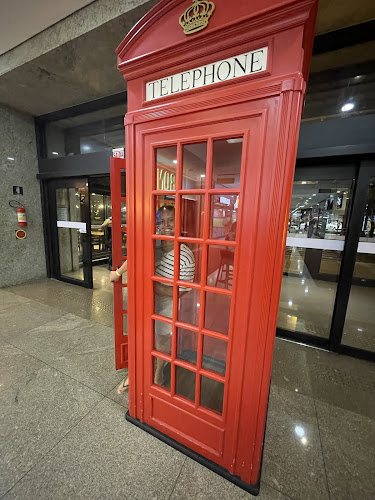
Villa Romana Shopping
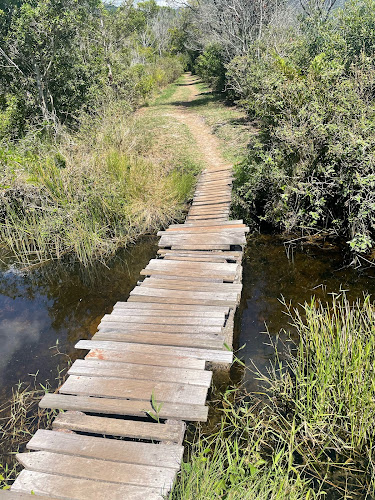
Rio Vermelho State Park
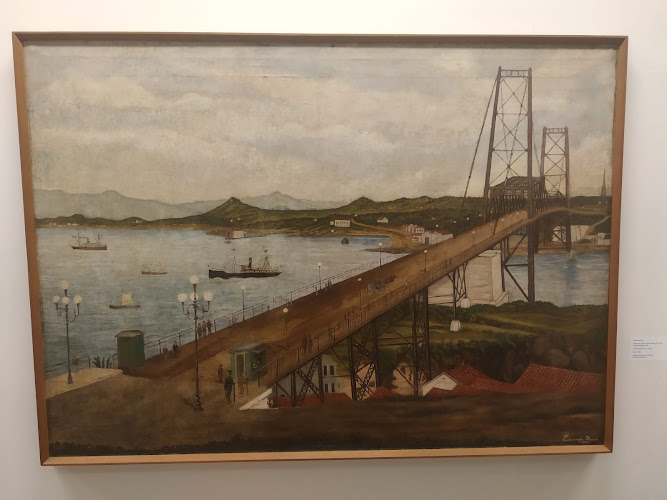
Santa Catarina Art Museum
Find Accommodations Nearby
Recommended Tours & Activities
Visitor Reviews
There are no reviews yet. Be the first one to write one.
Share Your Experience
Have you visited Fortaleza de Santo Antonio de Ratones? Help other travelers by leaving a review.