
Ali Amjad’s Clock
About Ali Amjad’s Clock
Description
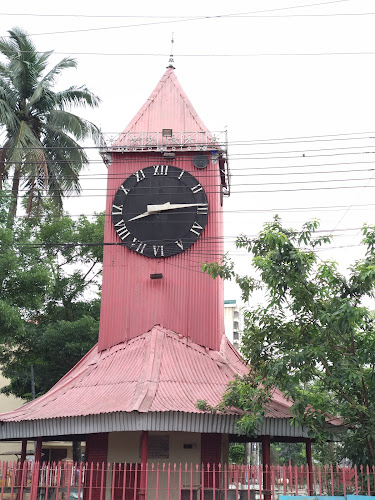
Ali Amjad's Clock stands as one of those peculiar historical monuments that makes you stop and wonder about the ambitions of rulers from bygone eras. Built during the reign of Nawab Ali Amjad Khan in the mid-19th century, this towering timepiece has become something of a local landmark that continues to draw curious travelers who appreciate architecture with a story to tell. The clock tower rises above its surroundings with an almost defiant presence, a testament to the engineering capabilities of its time. When I first learned about this structure, I couldn't help but think about how different our relationship with time was back then - before smartphones and digital everything. Here was a ruler who decided that what his people really needed was a massive public clock, and honestly, that kind of civic-minded thinking deserves respect. What makes this particular clock tower fascinating is its blend of European architectural influences with local design sensibilities. The Nawab was clearly inspired by British clock towers he'd seen or heard about, but the execution carries distinctly regional characteristics. You'll notice details in the brickwork and decorative elements that speak to local craftsmanship and aesthetic preferences. It's not trying to be a carbon copy of Big Ben or anything - it's got its own character. The structure has weathered more than a century and a half of monsoons, political upheavals, and changing urban landscapes around it. And while it might not always keep perfect time anymore (you'd probably want to check your phone for accuracy), there's something deeply moving about a mechanism that's been ticking away for generations. My grandfather used to say that old clocks had souls, and standing beneath Ali Amjad's Clock, you might start to believe him. The area surrounding the clock has evolved considerably over the decades. What was once probably a quiet plaza has transformed into a busier urban space, but the clock remains a constant reference point for locals giving directions and meeting up with friends. That's the mark of a true landmark - when it becomes woven into the daily fabric of community life rather than just sitting there as a tourist curiosity.Key Features
Visitors to Ali Amjad's Clock will discover several noteworthy aspects that make this historical monument worth the visit: • The tower reaches an impressive height that made it visible from considerable distances when it was first constructed, serving as both a timekeeper and a symbol of the Nawab's authority • Architectural details showcase intricate brickwork and design elements that represent mid-19th century construction techniques and aesthetic values • The clock mechanism itself, though aged, represents the technological advancement of its era and the importation of mechanical knowledge into the region • Four clock faces originally adorned the tower, allowing people from multiple directions to check the time - a genuinely democratic approach to timekeeping in an era when personal timepieces were luxury items • The surrounding area has developed into a gathering space where locals and visitors alike can appreciate both the historical structure and contemporary community life • Accessibility features including wheelchair-friendly entrances and parking make the site welcoming to all visitors regardless of mobility considerations • Restroom facilities are available on-site, which honestly is more than you can say for many historical monuments (planning ahead for basic human needs shows someone's thinking clearly about visitor experience) • Modern payment options including NFC mobile payments demonstrate how historical spaces can adapt to contemporary visitor needs • The location is considered appropriate and engaging for families traveling with children, offering an educational opportunity that doesn't require hours of attention spanBest Time to Visit
Timing your visit to Ali Amjad's Clock can significantly impact your experience, and I'd be doing you a disservice if I didn't share some practical wisdom here. Early mornings offer perhaps the most magical atmosphere. The light hits the brick differently, casting long shadows that emphasize the architectural details you might miss during harsh midday sun. Plus, you'll avoid the crowds that tend to accumulate later in the day. There's something special about having a historical monument mostly to yourself, even if just for twenty minutes before the tour buses arrive. Late afternoons work well too, particularly if you're into photography. The golden hour light can make even humble brickwork look absolutely stunning. But be prepared for more people during these times, especially on weekends when local families come out for evening strolls. Weather-wise, the cooler months between October and March provide the most comfortable visiting conditions. Nobody wants to stand in an open plaza admiring a clock tower while sweating through their shirt. The monsoon season has its own charm - dramatic clouds and occasional breaks of sunlight can create memorable atmospheric conditions - but you're gambling with potential downpours that might cut your visit short. Avoid major holidays and festival days unless you specifically want to experience the clock tower as part of larger celebrations. The crowds can be substantial, and while that energy might appeal to some travelers, others prefer a quieter, more contemplative visit. Weekday mornings tend to be significantly less crowded than weekends. If your travel schedule allows flexibility, consider visiting on a Tuesday or Wednesday morning when you're more likely to have space to really take in the structure without constantly dodging other visitors' selfie sticks.How to Get There
Getting to Ali Amjad's Clock doesn't require an expedition-level planning, but knowing your options helps considerably. Most travelers staying in the main tourist accommodations can reach the clock tower fairly easily by local transportation. Auto-rickshaws know the landmark well - just mention the clock tower and drivers will generally know exactly where you mean. This is one of those situations where being a famous local landmark actually works in your favor. If you're the type who prefers walking and your accommodation is within reasonable distance, the journey can be quite pleasant. Walking through the surrounding neighborhoods gives you street-level perspectives on daily life that you'd miss from inside a vehicle. Just make sure you've got comfortable shoes and have checked the weather forecast. Parking is available for those driving their own vehicles or arriving by hired car. The wheelchair-accessible parking lot means that travelers with mobility devices won't face the frustration of finding suitable parking spaces - something that's unfortunately still hit-or-miss at many historical sites. Public buses serve the area, though routes and schedules might require some local knowledge to navigate effectively. Don't be shy about asking your hotel staff or local contacts for specific route information. I've found that locals generally appreciate when visitors make the effort to use public transportation rather than always defaulting to tourist-oriented options. Taxi services and ride-sharing apps operate in the area, providing convenient door-to-door service if that's more your style. The cost remains reasonable compared to many tourist destinations, though as always, confirming the fare beforehand or ensuring the meter is running prevents awkward conversations later.Tips for Visiting
Here's where I share the kind of practical advice that comes from paying attention to what actually makes visits successful versus merely checking boxes on an itinerary. First off, this isn't going to occupy your entire day. Plan for maybe thirty minutes to an hour unless you're a serious architecture enthusiast or photographer who wants to capture every angle. Build it into a broader itinerary rather than making it your sole destination for the day. The surrounding area offers additional points of interest that can round out your experience. Bring water, especially during warmer months. Yes, this seems obvious, but you'd be surprised how many people show up to outdoor monuments without basic hydration. There's limited shade around the clock tower itself, so plan accordingly. The lighting conditions change dramatically throughout the day, so if photography is important to you, scout the location virtually beforehand or plan for multiple visits at different times. The architectural details really pop under certain light conditions and look flat under others. Dress modestly and comfortably. While this isn't a religious site with strict dress codes, you're visiting a historical monument in a community space. Respectful clothing that's also practical for walking and standing outdoors strikes the right balance. Kids can actually learn quite a bit here if you frame it right. Instead of just saying "look at the old clock," talk about how people lived before everyone had phones. What would it be like to rely on a town clock? How did they build something this tall without modern cranes? Engaging young minds with questions beats expecting them to appreciate historical significance through osmosis. The NFC payment capability is genuinely convenient, so don't worry if you're running low on local currency. That said, having some cash on hand for vendors in the surrounding area never hurts. Take time to observe local life happening around the monument. Some of the most memorable travel moments come not from the main attraction itself but from watching how that attraction fits into ordinary daily existence for residents. The way locals use the space tells you things that no guidebook can. Don't feel pressured to spend a long time if the clock tower doesn't resonate with you personally. Not every traveler connects with every historical site, and that's perfectly fine. Some visitors find it fascinating while others view it as a quick photo stop. Both approaches are valid - travel according to your own interests rather than what you think you're supposed to enjoy. Check the clock mechanism if it's operating during your visit. Hearing those gears turn connects you to generations of people who've stood in the same spot, listening to the same mechanical sounds. It's one of those small details that can transform a monument from a static object into something that feels alive and continuous. Finally, consider visiting during different seasons if you're in the area multiple times. The clock tower presents different characters depending on weather, light, and seasonal activities happening around it. What feels unremarkable in harsh summer heat might prove enchanting during a crisp winter morning with fog rolling across the plaza.Key Features
- Historic 1872 clock tower commissioned by Nawab Ali Amjad Khan
- Riverside location on the Surma River at Chadnighat
- Close proximity to Kean Bridge and Kazir Bazar market
- Photogenic white tower popular at sunrise/sunset
- Easily accessible on foot from central Sylhet landmarks
More Details
Updated March 30, 2026
Table of Contents
Description
Ali Amjad’s Clock stands as one of those peculiar historical monuments that makes you stop and wonder about the ambitions of rulers from bygone eras. Built during the reign of Nawab Ali Amjad Khan in the mid-19th century, this towering timepiece has become something of a local landmark that continues to draw curious travelers who appreciate architecture with a story to tell.
The clock tower rises above its surroundings with an almost defiant presence, a testament to the engineering capabilities of its time. When I first learned about this structure, I couldn’t help but think about how different our relationship with time was back then – before smartphones and digital everything. Here was a ruler who decided that what his people really needed was a massive public clock, and honestly, that kind of civic-minded thinking deserves respect.
What makes this particular clock tower fascinating is its blend of European architectural influences with local design sensibilities. The Nawab was clearly inspired by British clock towers he’d seen or heard about, but the execution carries distinctly regional characteristics. You’ll notice details in the brickwork and decorative elements that speak to local craftsmanship and aesthetic preferences. It’s not trying to be a carbon copy of Big Ben or anything – it’s got its own character.
The structure has weathered more than a century and a half of monsoons, political upheavals, and changing urban landscapes around it. And while it might not always keep perfect time anymore (you’d probably want to check your phone for accuracy), there’s something deeply moving about a mechanism that’s been ticking away for generations. My grandfather used to say that old clocks had souls, and standing beneath Ali Amjad’s Clock, you might start to believe him.
The area surrounding the clock has evolved considerably over the decades. What was once probably a quiet plaza has transformed into a busier urban space, but the clock remains a constant reference point for locals giving directions and meeting up with friends. That’s the mark of a true landmark – when it becomes woven into the daily fabric of community life rather than just sitting there as a tourist curiosity.
Key Features
Visitors to Ali Amjad’s Clock will discover several noteworthy aspects that make this historical monument worth the visit:
• The tower reaches an impressive height that made it visible from considerable distances when it was first constructed, serving as both a timekeeper and a symbol of the Nawab’s authority
• Architectural details showcase intricate brickwork and design elements that represent mid-19th century construction techniques and aesthetic values
• The clock mechanism itself, though aged, represents the technological advancement of its era and the importation of mechanical knowledge into the region
• Four clock faces originally adorned the tower, allowing people from multiple directions to check the time – a genuinely democratic approach to timekeeping in an era when personal timepieces were luxury items
• The surrounding area has developed into a gathering space where locals and visitors alike can appreciate both the historical structure and contemporary community life
• Accessibility features including wheelchair-friendly entrances and parking make the site welcoming to all visitors regardless of mobility considerations
• Restroom facilities are available on-site, which honestly is more than you can say for many historical monuments (planning ahead for basic human needs shows someone’s thinking clearly about visitor experience)
• Modern payment options including NFC mobile payments demonstrate how historical spaces can adapt to contemporary visitor needs
• The location is considered appropriate and engaging for families traveling with children, offering an educational opportunity that doesn’t require hours of attention span
Best Time to Visit
Timing your visit to Ali Amjad’s Clock can significantly impact your experience, and I’d be doing you a disservice if I didn’t share some practical wisdom here.
Early mornings offer perhaps the most magical atmosphere. The light hits the brick differently, casting long shadows that emphasize the architectural details you might miss during harsh midday sun. Plus, you’ll avoid the crowds that tend to accumulate later in the day. There’s something special about having a historical monument mostly to yourself, even if just for twenty minutes before the tour buses arrive.
Late afternoons work well too, particularly if you’re into photography. The golden hour light can make even humble brickwork look absolutely stunning. But be prepared for more people during these times, especially on weekends when local families come out for evening strolls.
Weather-wise, the cooler months between October and March provide the most comfortable visiting conditions. Nobody wants to stand in an open plaza admiring a clock tower while sweating through their shirt. The monsoon season has its own charm – dramatic clouds and occasional breaks of sunlight can create memorable atmospheric conditions – but you’re gambling with potential downpours that might cut your visit short.
Avoid major holidays and festival days unless you specifically want to experience the clock tower as part of larger celebrations. The crowds can be substantial, and while that energy might appeal to some travelers, others prefer a quieter, more contemplative visit.
Weekday mornings tend to be significantly less crowded than weekends. If your travel schedule allows flexibility, consider visiting on a Tuesday or Wednesday morning when you’re more likely to have space to really take in the structure without constantly dodging other visitors’ selfie sticks.
How to Get There
Getting to Ali Amjad’s Clock doesn’t require an expedition-level planning, but knowing your options helps considerably.
Most travelers staying in the main tourist accommodations can reach the clock tower fairly easily by local transportation. Auto-rickshaws know the landmark well – just mention the clock tower and drivers will generally know exactly where you mean. This is one of those situations where being a famous local landmark actually works in your favor.
If you’re the type who prefers walking and your accommodation is within reasonable distance, the journey can be quite pleasant. Walking through the surrounding neighborhoods gives you street-level perspectives on daily life that you’d miss from inside a vehicle. Just make sure you’ve got comfortable shoes and have checked the weather forecast.
Parking is available for those driving their own vehicles or arriving by hired car. The wheelchair-accessible parking lot means that travelers with mobility devices won’t face the frustration of finding suitable parking spaces – something that’s unfortunately still hit-or-miss at many historical sites.
Public buses serve the area, though routes and schedules might require some local knowledge to navigate effectively. Don’t be shy about asking your hotel staff or local contacts for specific route information. I’ve found that locals generally appreciate when visitors make the effort to use public transportation rather than always defaulting to tourist-oriented options.
Taxi services and ride-sharing apps operate in the area, providing convenient door-to-door service if that’s more your style. The cost remains reasonable compared to many tourist destinations, though as always, confirming the fare beforehand or ensuring the meter is running prevents awkward conversations later.
Tips for Visiting
Here’s where I share the kind of practical advice that comes from paying attention to what actually makes visits successful versus merely checking boxes on an itinerary.
First off, this isn’t going to occupy your entire day. Plan for maybe thirty minutes to an hour unless you’re a serious architecture enthusiast or photographer who wants to capture every angle. Build it into a broader itinerary rather than making it your sole destination for the day. The surrounding area offers additional points of interest that can round out your experience.
Bring water, especially during warmer months. Yes, this seems obvious, but you’d be surprised how many people show up to outdoor monuments without basic hydration. There’s limited shade around the clock tower itself, so plan accordingly.
The lighting conditions change dramatically throughout the day, so if photography is important to you, scout the location virtually beforehand or plan for multiple visits at different times. The architectural details really pop under certain light conditions and look flat under others.
Dress modestly and comfortably. While this isn’t a religious site with strict dress codes, you’re visiting a historical monument in a community space. Respectful clothing that’s also practical for walking and standing outdoors strikes the right balance.
Kids can actually learn quite a bit here if you frame it right. Instead of just saying “look at the old clock,” talk about how people lived before everyone had phones. What would it be like to rely on a town clock? How did they build something this tall without modern cranes? Engaging young minds with questions beats expecting them to appreciate historical significance through osmosis.
The NFC payment capability is genuinely convenient, so don’t worry if you’re running low on local currency. That said, having some cash on hand for vendors in the surrounding area never hurts.
Take time to observe local life happening around the monument. Some of the most memorable travel moments come not from the main attraction itself but from watching how that attraction fits into ordinary daily existence for residents. The way locals use the space tells you things that no guidebook can.
Don’t feel pressured to spend a long time if the clock tower doesn’t resonate with you personally. Not every traveler connects with every historical site, and that’s perfectly fine. Some visitors find it fascinating while others view it as a quick photo stop. Both approaches are valid – travel according to your own interests rather than what you think you’re supposed to enjoy.
Check the clock mechanism if it’s operating during your visit. Hearing those gears turn connects you to generations of people who’ve stood in the same spot, listening to the same mechanical sounds. It’s one of those small details that can transform a monument from a static object into something that feels alive and continuous.
Finally, consider visiting during different seasons if you’re in the area multiple times. The clock tower presents different characters depending on weather, light, and seasonal activities happening around it. What feels unremarkable in harsh summer heat might prove enchanting during a crisp winter morning with fog rolling across the plaza.
Key Highlights
- Historic 1872 clock tower commissioned by Nawab Ali Amjad Khan
- Riverside location on the Surma River at Chadnighat
- Close proximity to Kean Bridge and Kazir Bazar market
- Photogenic white tower popular at sunrise/sunset
- Easily accessible on foot from central Sylhet landmarks
Location
Places to Stay Near Ali Amjad's Clock
Find and Book a Tour
Explore More Travel Guides
No reviews found! Be the first to review!
Ali Amjad’s Clock is a prominent attractions located in Sylhet.
Visit us at: Kazir Bazar Rd, Sylhet 3100, Bangladesh.
Traveler Reviews for Ali Amjad’s Clock
There are no reviews yet. Be the first one to write one.
Have you visited Ali Amjad’s Clock? Help other travelers by sharing your review.
Nearby Attractions
You Might Also Like
TILAGOR ECO PARK
Sylhet
Museum of Rajas'
Find Accommodations Nearby
Recommended Tours & Activities
Visitor Reviews
There are no reviews yet. Be the first one to write one.
Share Your Experience
Have you visited Ali Amjad’s Clock? Help other travelers by leaving a review.