About Sylhet

Description

Sylhet sits in the northeastern corner of Bangladesh where the landscape changes from the flat delta plains into something altogether more dramatic. The Surma River winds through this region, and honestly, the first time you see those tea gardens stretching across rolling hills, you'll understand why people keep coming back. This isn't your typical Bangladeshi city - it's got this distinct character that comes from centuries of Sufi tradition, British colonial influence, and a population that's surprisingly connected to communities across the globe. The spiritual heart of Sylhet beats strongest around the shrine of Hazrat Shah Jalal, a 14th-century Sufi saint whose arrival here basically shaped the entire region's identity. I've watched pilgrims from all corners of Bangladesh make their way to this site, and there's something genuinely moving about seeing that kind of devotion in action. The complex itself features intricate architectural details that blend Mughal and local styles, with domes and minarets that catch the light just right during evening prayers. But Sylhet isn't just about religious tourism. The surrounding areas hold some of Bangladesh's most stunning natural landscapes - think endless tea estates, wetlands that attract migratory birds, and hills that offer actual elevation changes (which is kind of a big deal in a country that's mostly flat as a pancake). The Shahi Eidgah stands as a testament to Emperor Aurangzeb's influence here, with its distinctive three-domed gateway marking what's essentially a massive open-air mosque built right on a hilltop in the 17th century. What many travelers don't realize is that Sylhet has this huge expatriate community, particularly in the UK, which means the city has developed in ways that differ from other Bangladeshi urban centers. You'll find a cosmopolitan edge here that surprises first-time visitors.

Key Features

  • The shrine complex of Hazrat Shah Jalal serves as one of South Asia's most significant Sufi pilgrimage destinations, featuring ornate Mughal architecture and a mosque that accommodates thousands of devotees daily
  • Shahi Eidgah represents one of the largest open-air mosques in the subcontinent, constructed during the Mughal Empire with commanding hilltop views across the city
  • Museum of Rajas preserves the cultural heritage of Hasan Raja, a beloved folk poet whose songs still resonate throughout Bengali culture today
  • The Surma River provides a natural focal point for the city, offering boat rides and waterfront areas where locals gather during cooler evening hours
  • Tea gardens surrounding Sylhet produce some of Bangladesh's finest varieties, with estates that welcome visitors for tours and tastings
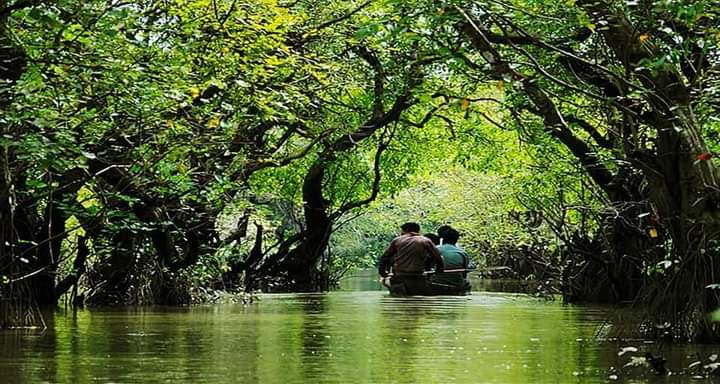
  • Ratargul Swamp Forest creates a unique freshwater ecosystem that floods seasonally, allowing boat exploration through submerged trees during monsoon months
  • Jaflong border area showcases spectacular views of the Khasi hills and traditional stone collection methods along crystal-clear rivers
  • Lalakhal's blue-green waters create a surreal landscape that photographs almost don't do justice - the natural color comes from mineral deposits in the riverbed

Best Time to Visit

Timing your visit to Sylhet makes a massive difference in what kind of experience you'll have. The winter months from November through February offer the most comfortable weather conditions, with temperatures ranging from about 12 to 25 degrees Celsius. This is when you'll actually want to be outside exploring tea gardens and hiking around without feeling like you're melting into the pavement. I've found that late October can be absolutely perfect if you catch it right - the monsoon rains have usually finished transforming everything into this lush green paradise, but the winter crowds haven't really arrived yet. The tea gardens look their best during this period, and the waterfalls in surrounding areas still have good flow from the recent rains. March through May gets progressively hotter and more humid, which isn't necessarily a dealbreaker but you'll definitely be seeking out air-conditioned spaces more often. Some travelers actually prefer this period because accommodation prices drop and you'll have major sites more to yourself. The Sufi shrines remain active year-round, so if that's your primary interest, the heat might be worth tolerating. Monsoon season runs from June through September, and here's where opinions really divide. The rainfall can be intense - we're talking about Sylhet being one of the wettest places on Earth during peak monsoon. But that same rain creates those stunning waterscapes at places like Ratargul where the forest completely floods and takes on this magical quality. Just know that travel disruptions happen, roads can become challenging, and you'll need proper rain gear if you're committed to exploring during these months. For photography enthusiasts, the post-monsoon period in September and October offers incredible cloud formations and that special quality of light filtering through moisture in the air. The countryside looks absolutely spectacular as rivers run full and vegetation reaches peak greenness.

How to Get There

Getting to Sylhet has become considerably easier over the past decade, though it still requires some planning. Osmani International Airport connects directly to Dhaka with multiple daily flights that take just about 50 minutes - way better than the alternative land routes. Several carriers operate this route, and booking in advance usually gets you reasonable fares. The airport also has international connections to several Middle Eastern cities and direct flights to London, which reflects that strong expatriate connection I mentioned earlier. If you're already in Bangladesh and enjoy overland travel, the train journey from Dhaka to Sylhet takes roughly 7 to 9 hours depending on which service you catch. The overnight trains can actually be quite pleasant if you book a berth in AC class - you'll sleep through most of the journey and wake up to those hill views as you approach Sylhet. The trains tend to run more reliably during dry season, so keep that in mind when planning. Bus services run frequently from Dhaka and other major cities, with both government and private operators covering the route. The journey takes anywhere from 6 to 8 hours depending on traffic and stops. Luxury bus services with air conditioning and reclining seats make the trip bearable, though the roads can get pretty rough in places. I'd recommend the overnight buses if you can sleep sitting up - you'll save on a night's accommodation and arrive ready to start exploring. Once you're in Sylhet, getting around involves a combination of CNGs (covered auto-rickshaws), regular rickshaws for short distances, and rental cars with drivers for visiting outlying attractions. The city itself is fairly compact for walking in certain areas, particularly around the shrine districts, but you'll want motorized transport for reaching tea gardens and natural sites outside the urban core.

Tips for Visiting

Dress modestly when visiting religious sites - this really matters in Sylhet given the city's spiritual significance. For women, that means covering shoulders and knees at minimum, with a headscarf being respectful at major shrines. Men should avoid shorts and sleeveless shirts. I've seen visitors turned away from Hazrat Shah Jalal's shrine for inappropriate clothing, and it's an avoidable disappointment. The shrine areas get incredibly crowded on Fridays and during religious festivals, so plan accordingly. If you want to actually experience the architecture and atmosphere without being in a massive throng of pilgrims, weekday mornings offer your best bet. Thursday evenings attract big crowds too as people prepare for Friday prayers. Cash remains king in Sylhet despite increasing digital payment adoption. ATMs exist throughout the city but can run out of money during busy periods, so withdraw what you need when you find a working machine. Smaller vendors, rickshaw drivers, and entrance fees at various sites expect physical currency. Learn a few basic Bangla phrases - English proficiency isn't as widespread here as in Dhaka, and making the effort to speak even poorly in the local language opens doors and creates genuine connections. "Koto taka?" (how much?) and "Dhonnobad" (thank you) will serve you well. Food safety deserves attention, as it does anywhere in South Asia. Stick to busy restaurants where high turnover means fresh ingredients, and be cautious with street food until your stomach acclimates. That said, Sylhet's cuisine deserves exploration - the paan (betel leaf preparation) here is legendary, and the seven-layer tea is more than just a tourist gimmick when properly prepared. Hiring a local guide for day trips to places like Jaflong, Ratargul, or the tea gardens makes logistical sense and enriches the experience considerably. They know which estates allow visitors, can negotiate boat rentals, and help navigate areas where tourist infrastructure remains minimal. Bring good walking shoes with grip - paths around natural sites and within shrine complexes can be uneven, wet, or both. Those stylish sandals won't cut it when you're navigating muddy tea garden trails or steep steps at religious sites. Respect photography restrictions, particularly around shrines and mosques. Always ask permission before photographing people, and be prepared for some folks to decline. The spiritual sites aren't backdrops for your Instagram shots - they're active places of worship where people come with genuine devotional intent. Monsoon visitors need proper waterproof bags for electronics and important documents. Even a short downpour can soak through regular backpacks, and protecting your passport and phone should be priority number one. Finally, keep your schedule flexible. Bangladesh operates on what you might call "relaxed time" in many situations, and getting frustrated when things don't run exactly on schedule just makes you miserable. That delayed bus might mean you meet interesting fellow passengers, or discover a roadside tea stall that serves the best cup you've ever tasted. Some of the best travel experiences come from those unplanned moments when your careful itinerary falls apart.

Key Features

  • Tea garden vistas and estate walks
  • Surma River boat rides and riverside promenades
  • Historic shrines and mosques with Sufi heritage
  • Proximity to natural sites like Ratargul Swamp and Jaflong
  • Vibrant local bazaars and distinctive Sylheti cuisine

More Details

Updated March 30, 2026

Description

Sylhet sits in the northeastern corner of Bangladesh where the landscape changes from the flat delta plains into something altogether more dramatic. The Surma River winds through this region, and honestly, the first time you see those tea gardens stretching across rolling hills, you’ll understand why people keep coming back. This isn’t your typical Bangladeshi city – it’s got this distinct character that comes from centuries of Sufi tradition, British colonial influence, and a population that’s surprisingly connected to communities across the globe.

The spiritual heart of Sylhet beats strongest around the shrine of Hazrat Shah Jalal, a 14th-century Sufi saint whose arrival here basically shaped the entire region’s identity. I’ve watched pilgrims from all corners of Bangladesh make their way to this site, and there’s something genuinely moving about seeing that kind of devotion in action. The complex itself features intricate architectural details that blend Mughal and local styles, with domes and minarets that catch the light just right during evening prayers.

But Sylhet isn’t just about religious tourism. The surrounding areas hold some of Bangladesh’s most stunning natural landscapes – think endless tea estates, wetlands that attract migratory birds, and hills that offer actual elevation changes (which is kind of a big deal in a country that’s mostly flat as a pancake). The Shahi Eidgah stands as a testament to Emperor Aurangzeb’s influence here, with its distinctive three-domed gateway marking what’s essentially a massive open-air mosque built right on a hilltop in the 17th century.

What many travelers don’t realize is that Sylhet has this huge expatriate community, particularly in the UK, which means the city has developed in ways that differ from other Bangladeshi urban centers. You’ll find a cosmopolitan edge here that surprises first-time visitors.

Key Features

  • The shrine complex of Hazrat Shah Jalal serves as one of South Asia’s most significant Sufi pilgrimage destinations, featuring ornate Mughal architecture and a mosque that accommodates thousands of devotees daily
  • Shahi Eidgah represents one of the largest open-air mosques in the subcontinent, constructed during the Mughal Empire with commanding hilltop views across the city
  • Museum of Rajas preserves the cultural heritage of Hasan Raja, a beloved folk poet whose songs still resonate throughout Bengali culture today
  • The Surma River provides a natural focal point for the city, offering boat rides and waterfront areas where locals gather during cooler evening hours
  • Tea gardens surrounding Sylhet produce some of Bangladesh’s finest varieties, with estates that welcome visitors for tours and tastings
  • Ratargul Swamp Forest creates a unique freshwater ecosystem that floods seasonally, allowing boat exploration through submerged trees during monsoon months
  • Jaflong border area showcases spectacular views of the Khasi hills and traditional stone collection methods along crystal-clear rivers
  • Lalakhal’s blue-green waters create a surreal landscape that photographs almost don’t do justice – the natural color comes from mineral deposits in the riverbed

Best Time to Visit

Timing your visit to Sylhet makes a massive difference in what kind of experience you’ll have. The winter months from November through February offer the most comfortable weather conditions, with temperatures ranging from about 12 to 25 degrees Celsius. This is when you’ll actually want to be outside exploring tea gardens and hiking around without feeling like you’re melting into the pavement.

I’ve found that late October can be absolutely perfect if you catch it right – the monsoon rains have usually finished transforming everything into this lush green paradise, but the winter crowds haven’t really arrived yet. The tea gardens look their best during this period, and the waterfalls in surrounding areas still have good flow from the recent rains.

March through May gets progressively hotter and more humid, which isn’t necessarily a dealbreaker but you’ll definitely be seeking out air-conditioned spaces more often. Some travelers actually prefer this period because accommodation prices drop and you’ll have major sites more to yourself. The Sufi shrines remain active year-round, so if that’s your primary interest, the heat might be worth tolerating.

Monsoon season runs from June through September, and here’s where opinions really divide. The rainfall can be intense – we’re talking about Sylhet being one of the wettest places on Earth during peak monsoon. But that same rain creates those stunning waterscapes at places like Ratargul where the forest completely floods and takes on this magical quality. Just know that travel disruptions happen, roads can become challenging, and you’ll need proper rain gear if you’re committed to exploring during these months.

For photography enthusiasts, the post-monsoon period in September and October offers incredible cloud formations and that special quality of light filtering through moisture in the air. The countryside looks absolutely spectacular as rivers run full and vegetation reaches peak greenness.

How to Get There

Getting to Sylhet has become considerably easier over the past decade, though it still requires some planning. Osmani International Airport connects directly to Dhaka with multiple daily flights that take just about 50 minutes – way better than the alternative land routes. Several carriers operate this route, and booking in advance usually gets you reasonable fares. The airport also has international connections to several Middle Eastern cities and direct flights to London, which reflects that strong expatriate connection I mentioned earlier.

If you’re already in Bangladesh and enjoy overland travel, the train journey from Dhaka to Sylhet takes roughly 7 to 9 hours depending on which service you catch. The overnight trains can actually be quite pleasant if you book a berth in AC class – you’ll sleep through most of the journey and wake up to those hill views as you approach Sylhet. The trains tend to run more reliably during dry season, so keep that in mind when planning.

Bus services run frequently from Dhaka and other major cities, with both government and private operators covering the route. The journey takes anywhere from 6 to 8 hours depending on traffic and stops. Luxury bus services with air conditioning and reclining seats make the trip bearable, though the roads can get pretty rough in places. I’d recommend the overnight buses if you can sleep sitting up – you’ll save on a night’s accommodation and arrive ready to start exploring.

Once you’re in Sylhet, getting around involves a combination of CNGs (covered auto-rickshaws), regular rickshaws for short distances, and rental cars with drivers for visiting outlying attractions. The city itself is fairly compact for walking in certain areas, particularly around the shrine districts, but you’ll want motorized transport for reaching tea gardens and natural sites outside the urban core.

Tips for Visiting

Dress modestly when visiting religious sites – this really matters in Sylhet given the city’s spiritual significance. For women, that means covering shoulders and knees at minimum, with a headscarf being respectful at major shrines. Men should avoid shorts and sleeveless shirts. I’ve seen visitors turned away from Hazrat Shah Jalal’s shrine for inappropriate clothing, and it’s an avoidable disappointment.

The shrine areas get incredibly crowded on Fridays and during religious festivals, so plan accordingly. If you want to actually experience the architecture and atmosphere without being in a massive throng of pilgrims, weekday mornings offer your best bet. Thursday evenings attract big crowds too as people prepare for Friday prayers.

Cash remains king in Sylhet despite increasing digital payment adoption. ATMs exist throughout the city but can run out of money during busy periods, so withdraw what you need when you find a working machine. Smaller vendors, rickshaw drivers, and entrance fees at various sites expect physical currency.

Learn a few basic Bangla phrases – English proficiency isn’t as widespread here as in Dhaka, and making the effort to speak even poorly in the local language opens doors and creates genuine connections. “Koto taka?” (how much?) and “Dhonnobad” (thank you) will serve you well.

Food safety deserves attention, as it does anywhere in South Asia. Stick to busy restaurants where high turnover means fresh ingredients, and be cautious with street food until your stomach acclimates. That said, Sylhet’s cuisine deserves exploration – the paan (betel leaf preparation) here is legendary, and the seven-layer tea is more than just a tourist gimmick when properly prepared.

Hiring a local guide for day trips to places like Jaflong, Ratargul, or the tea gardens makes logistical sense and enriches the experience considerably. They know which estates allow visitors, can negotiate boat rentals, and help navigate areas where tourist infrastructure remains minimal.

Bring good walking shoes with grip – paths around natural sites and within shrine complexes can be uneven, wet, or both. Those stylish sandals won’t cut it when you’re navigating muddy tea garden trails or steep steps at religious sites.

Respect photography restrictions, particularly around shrines and mosques. Always ask permission before photographing people, and be prepared for some folks to decline. The spiritual sites aren’t backdrops for your Instagram shots – they’re active places of worship where people come with genuine devotional intent.

Monsoon visitors need proper waterproof bags for electronics and important documents. Even a short downpour can soak through regular backpacks, and protecting your passport and phone should be priority number one.

Finally, keep your schedule flexible. Bangladesh operates on what you might call “relaxed time” in many situations, and getting frustrated when things don’t run exactly on schedule just makes you miserable. That delayed bus might mean you meet interesting fellow passengers, or discover a roadside tea stall that serves the best cup you’ve ever tasted. Some of the best travel experiences come from those unplanned moments when your careful itinerary falls apart.

Key Highlights

  • Tea garden vistas and estate walks
  • Surma River boat rides and riverside promenades
  • Historic shrines and mosques with Sufi heritage
  • Proximity to natural sites like Ratargul Swamp and Jaflong
  • Vibrant local bazaars and distinctive Sylheti cuisine

Location

Places to Stay Near Sylhet

Find and Book a Tour

Explore More Travel Guides

No reviews found! Be the first to review!

Sylhet is a prominent Attractions located in Sylhet.

Visit us at: WVGW+8R, Sylhet, Bangladesh.

Traveler Reviews for Sylhet

There are no reviews yet. Be the first one to write one.

Share Your Experience

Have you visited Sylhet? Help other travelers by sharing your review.

Nearby Attractions

Ratargul Swamp Forest Jaflong and stone collection areas Madhabkunda Waterfall

Find Accommodations Nearby

Recommended Tours & Activities

Visitor Reviews

There are no reviews yet. Be the first one to write one.

Share Your Experience

Have you visited Sylhet? Help other travelers by leaving a review.