
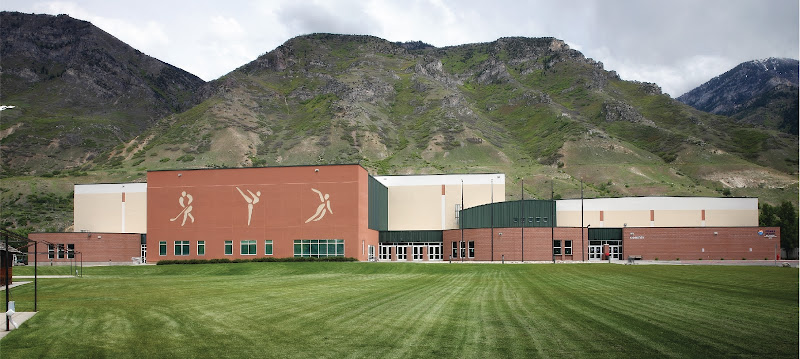
Peaks Ice Arena
About Peaks Ice Arena
Description
The Peaks Ice Arena represents one of those incredible legacy facilities that emerged from the 2002 Winter Olympics, and honestly, it's aged remarkably well over the years. This isn't just another municipal ice rink where kids wobble around on rental skates during open sessions. We're talking about an Olympic-caliber venue that hosted actual world-class athletes competing for gold medals, and now regular folks like you and me get to glide across the same ice surface where history was made. What strikes most visitors immediately is the sheer scale of the place. The facility was designed to accommodate thousands of spectators during Olympic hockey and figure skating competitions, which means when you show up for a casual skate session, there's this grandeur that you just don't find at your typical suburban ice facility. The building itself serves as a recreation center that's become integral to the local community while still welcoming travelers who want to experience a genuine piece of Olympic history. I've always found there's something special about stepping into venues that hosted the Games. Maybe it's just me being sentimental, but there's an energy to these spaces that regular arenas lack. The Peaks Ice Arena continues to host hockey tournaments, figure skating competitions, and public skating sessions throughout the year, functioning as both a tourist attraction and a working sports facility. And that dual purpose actually enhances the experience because you're not visiting some mothballed museum—you're experiencing a living, breathing venue that's still fulfilling its original purpose.Key Features
The amenities and characteristics that make the Peaks Ice Arena worth adding to your travel itinerary include several standout elements: • Olympic-sized ice surface that maintains professional-grade ice quality for both recreational and competitive skating • Full accessibility features including wheelchair-accessible entrances and dedicated parking spaces, ensuring all visitors can enjoy the facility • Modern payment systems accepting credit cards, debit cards, and contactless mobile payments for convenient transactions • Professional-quality sound systems and lighting that create an authentic arena atmosphere during public sessions • Spectator seating areas where non-skaters can watch comfortably while their companions hit the ice • Skate rental services available onsite, eliminating the need to travel with your own equipment • Climate-controlled viewing areas that provide comfortable spaces to warm up between skating sessions • Locker room facilities for storing personal belongings securely during your visit • Multiple ice surfaces allowing for varied programming and reduced crowding during peak times • Pro shop stocking skating essentials, souvenirs, and Olympic memorabilia • Regularly scheduled public skating sessions alongside league play and lessons • Year-round operation ensuring ice availability regardless of outside weather conditionsBest Time to Visit
Timing your visit to the Peaks Ice Arena really depends on what kind of experience you're after, and I'll be straight with you—this matters more than you might think. The facility operates year-round, which is both a blessing and something that requires strategic planning if you want to avoid certain crowds. Weekday mornings and early afternoons typically offer the quietest public skating sessions. If you're traveling with young children or you're getting back into skating after years away from the ice, these sessions provide more space and a less hectic environment. But weekday visits during school hours mean you'll miss out on some of that community energy that makes the experience feel authentic. Weekend public sessions bring larger crowds, particularly Saturday afternoons and evenings. The atmosphere becomes more festive, with families, friend groups, and date-night couples all converging on the ice simultaneously. Some people find this overwhelming; others thrive in that buzzing environment. I tend to think the weekend sessions capture the arena's personality better, even if you're navigating around more people. Winter months, especially December through February, see increased attendance as skating becomes more seasonally appropriate in people's minds. The irony, of course, is that indoor ice quality remains constant year-round. Summer visits—particularly June through August—can actually be ideal because you're combining ice skating with escape from outdoor heat, and the crowds thin out considerably as tourists focus on outdoor attractions. Holiday periods deserve special mention. The weeks surrounding Christmas and New Year's bring specialized sessions, themed events, and significantly larger crowds. If you're visiting during these times, arrive early and expect to share the ice with plenty of other folks who had the same idea. Hockey tournaments and figure skating competitions periodically close the facility to public skating, so checking the schedule before making concrete plans saves disappointment. Nothing's worse than showing up with excited kids only to find the arena hosting a regional peewee hockey championship.How to Get There
Getting yourself to the Peaks Ice Arena requires some planning, though it's certainly not the most difficult attraction to reach in the area. The facility sits in a location that's accessible by various transportation methods, each with its own advantages depending on your travel style and where you're staying. Driving remains the most straightforward option for most travelers. The arena provides ample parking onsite, including designated accessible spaces near the entrance. Parking fees may apply depending on the day and event schedule, but the convenience of having your vehicle right there when you're done skating—especially when you're tired and cold—justifies the cost for many visitors. GPS navigation systems find the facility without issue, and signage in the surrounding area helps guide you during the final approach. Rideshare services like Uber and Lyft serve the area reliably, which works well if you're staying at a nearby hotel without a rental car. The dropoff and pickup zones are clearly marked, making coordination relatively painless. Just be aware that during major events or weekend evenings, surge pricing might kick in, and availability can fluctuate. Public transportation options exist, though they typically require more time and potentially a transfer or two depending on your starting point. For budget-conscious travelers or those committed to reducing their carbon footprint, this approach is entirely feasible—just build in extra travel time and check current schedules since routes and timing can change seasonally. Cycling to the arena is possible during warmer months, and bike racks are available onsite. I wouldn't necessarily recommend this approach if you're planning an extended skating session since your legs might feel a bit wobbly for the ride back, but hey, some people enjoy that extra challenge. The surrounding area offers various dining and shopping options within walking distance, so you can potentially combine your skating visit with other activities and make transportation more efficient overall.Tips for Visiting
Actually making the most of your Peaks Ice Arena experience involves knowing a few insider details that don't always appear in the official information. These practical considerations come from real-world visits and occasionally learning things the hard way. Dress in layers—this advice sounds obvious, but people constantly misjudge what to wear. You'll want warm clothing initially, but once you've been skating for 20 minutes, you're going to heat up fast. A light jacket over a long-sleeve shirt usually works better than a heavy coat. And for the love of all that's good, wear gloves. Not just because your hands get cold, but because when you inevitably take a tumble (we all do), gloves protect your fingers from getting stepped on or cut by passing skates. Arrive at least 15-20 minutes before your intended skating time. Rental skate lines can get long during popular sessions, and proper fitting takes a few minutes. Skates that don't fit correctly will absolutely ruin your experience, causing blisters, numbness, or making balance nearly impossible. Don't be shy about asking rental staff for help—they'd rather spend an extra minute getting you set up properly than deal with complaints later. Bring your own skates if you have them and visit regularly. Rental skates serve their purpose, but they're not exactly precision instruments. They get worn down, stretched out, and don't provide the ankle support or blade quality that even mid-range personal skates offer. Plus, you save rental fees over multiple visits. Check the arena's schedule carefully before visiting because they host various programs that affect ice availability. Learn-to-skate classes, hockey leagues, figure skating practice, and competitive events all claim ice time. The public skating schedule gets posted online, and it changes more frequently than you'd expect. Come with realistic expectations about your skating ability. Olympic ice is unforgiving for beginners, and the rink doesn't have those little walker things you might remember from childhood visits to smaller rinks. If you're genuinely uncertain about your skating skills, consider arriving during less crowded sessions when you won't feel rushed or self-conscious. Lockers are available but bring your own lock or be prepared to rent one. Leaving valuables in your car is tempting but not always the smartest choice, especially during longer visits. Small backpacks or drawstring bags work well for carrying essentials onto the rink-side benches. Hydration matters more than people realize. The arena air is cool but dry, and physical exertion during skating depletes your water faster than you'd think. Water bottles are permitted, and staying hydrated helps prevent fatigue and maintains your body temperature regulation. Photography is generally permitted during public sessions, though be mindful of other skaters' privacy and don't obstruct traffic flow while getting that perfect shot. The Olympic legacy elements throughout the facility make for interesting background details in your photos. Consider visiting the pro shop even if you're not planning purchases. The staff often have the best insider knowledge about upcoming events, schedule changes, and special sessions that aren't heavily advertised. They've also helped countless visitors and can offer practical advice about making the most of your time. If you're traveling with non-skating companions, they can watch from the spectator areas without paying admission. This works great for families where maybe one parent wants to skate with the kids while the other prefers staying warm and watching. Snack bars and vending machines are available, though options may be limited compared to full-service venues. Eating a light meal before visiting helps maintain energy without feeling too full while skating. Heavy meals right before ice time is a recipe for discomfort. Finally, embrace the Olympic heritage aspect of your visit. This isn't just marketing hype—you're genuinely skating where world-class athletes competed. Take a moment to appreciate that connection to sports history while you're wobbling around trying not to fall. It adds a dimension to the experience that elevates it beyond just another recreational activity.Key Features
- Two Olympic-size ice sheets (legacy of 2002 Winter Olympics)
- Public skating sessions and skate rentals
- Youth and adult hockey leagues and figure skating programs
- Private event and birthday party rentals
- Locker rooms and spectator seating
More Details
Updated March 30, 2026
Table of Contents
Description
The Peaks Ice Arena represents one of those incredible legacy facilities that emerged from the 2002 Winter Olympics, and honestly, it’s aged remarkably well over the years. This isn’t just another municipal ice rink where kids wobble around on rental skates during open sessions. We’re talking about an Olympic-caliber venue that hosted actual world-class athletes competing for gold medals, and now regular folks like you and me get to glide across the same ice surface where history was made.
What strikes most visitors immediately is the sheer scale of the place. The facility was designed to accommodate thousands of spectators during Olympic hockey and figure skating competitions, which means when you show up for a casual skate session, there’s this grandeur that you just don’t find at your typical suburban ice facility. The building itself serves as a recreation center that’s become integral to the local community while still welcoming travelers who want to experience a genuine piece of Olympic history.
I’ve always found there’s something special about stepping into venues that hosted the Games. Maybe it’s just me being sentimental, but there’s an energy to these spaces that regular arenas lack. The Peaks Ice Arena continues to host hockey tournaments, figure skating competitions, and public skating sessions throughout the year, functioning as both a tourist attraction and a working sports facility. And that dual purpose actually enhances the experience because you’re not visiting some mothballed museum—you’re experiencing a living, breathing venue that’s still fulfilling its original purpose.
Key Features
The amenities and characteristics that make the Peaks Ice Arena worth adding to your travel itinerary include several standout elements:
• Olympic-sized ice surface that maintains professional-grade ice quality for both recreational and competitive skating
• Full accessibility features including wheelchair-accessible entrances and dedicated parking spaces, ensuring all visitors can enjoy the facility
• Modern payment systems accepting credit cards, debit cards, and contactless mobile payments for convenient transactions
• Professional-quality sound systems and lighting that create an authentic arena atmosphere during public sessions
• Spectator seating areas where non-skaters can watch comfortably while their companions hit the ice
• Skate rental services available onsite, eliminating the need to travel with your own equipment
• Climate-controlled viewing areas that provide comfortable spaces to warm up between skating sessions
• Locker room facilities for storing personal belongings securely during your visit
• Multiple ice surfaces allowing for varied programming and reduced crowding during peak times
• Pro shop stocking skating essentials, souvenirs, and Olympic memorabilia
• Regularly scheduled public skating sessions alongside league play and lessons
• Year-round operation ensuring ice availability regardless of outside weather conditions
Best Time to Visit
Timing your visit to the Peaks Ice Arena really depends on what kind of experience you’re after, and I’ll be straight with you—this matters more than you might think. The facility operates year-round, which is both a blessing and something that requires strategic planning if you want to avoid certain crowds.
Weekday mornings and early afternoons typically offer the quietest public skating sessions. If you’re traveling with young children or you’re getting back into skating after years away from the ice, these sessions provide more space and a less hectic environment. But weekday visits during school hours mean you’ll miss out on some of that community energy that makes the experience feel authentic.
Weekend public sessions bring larger crowds, particularly Saturday afternoons and evenings. The atmosphere becomes more festive, with families, friend groups, and date-night couples all converging on the ice simultaneously. Some people find this overwhelming; others thrive in that buzzing environment. I tend to think the weekend sessions capture the arena’s personality better, even if you’re navigating around more people.
Winter months, especially December through February, see increased attendance as skating becomes more seasonally appropriate in people’s minds. The irony, of course, is that indoor ice quality remains constant year-round. Summer visits—particularly June through August—can actually be ideal because you’re combining ice skating with escape from outdoor heat, and the crowds thin out considerably as tourists focus on outdoor attractions.
Holiday periods deserve special mention. The weeks surrounding Christmas and New Year’s bring specialized sessions, themed events, and significantly larger crowds. If you’re visiting during these times, arrive early and expect to share the ice with plenty of other folks who had the same idea.
Hockey tournaments and figure skating competitions periodically close the facility to public skating, so checking the schedule before making concrete plans saves disappointment. Nothing’s worse than showing up with excited kids only to find the arena hosting a regional peewee hockey championship.
How to Get There
Getting yourself to the Peaks Ice Arena requires some planning, though it’s certainly not the most difficult attraction to reach in the area. The facility sits in a location that’s accessible by various transportation methods, each with its own advantages depending on your travel style and where you’re staying.
Driving remains the most straightforward option for most travelers. The arena provides ample parking onsite, including designated accessible spaces near the entrance. Parking fees may apply depending on the day and event schedule, but the convenience of having your vehicle right there when you’re done skating—especially when you’re tired and cold—justifies the cost for many visitors. GPS navigation systems find the facility without issue, and signage in the surrounding area helps guide you during the final approach.
Rideshare services like Uber and Lyft serve the area reliably, which works well if you’re staying at a nearby hotel without a rental car. The dropoff and pickup zones are clearly marked, making coordination relatively painless. Just be aware that during major events or weekend evenings, surge pricing might kick in, and availability can fluctuate.
Public transportation options exist, though they typically require more time and potentially a transfer or two depending on your starting point. For budget-conscious travelers or those committed to reducing their carbon footprint, this approach is entirely feasible—just build in extra travel time and check current schedules since routes and timing can change seasonally.
Cycling to the arena is possible during warmer months, and bike racks are available onsite. I wouldn’t necessarily recommend this approach if you’re planning an extended skating session since your legs might feel a bit wobbly for the ride back, but hey, some people enjoy that extra challenge.
The surrounding area offers various dining and shopping options within walking distance, so you can potentially combine your skating visit with other activities and make transportation more efficient overall.
Tips for Visiting
Actually making the most of your Peaks Ice Arena experience involves knowing a few insider details that don’t always appear in the official information. These practical considerations come from real-world visits and occasionally learning things the hard way.
Dress in layers—this advice sounds obvious, but people constantly misjudge what to wear. You’ll want warm clothing initially, but once you’ve been skating for 20 minutes, you’re going to heat up fast. A light jacket over a long-sleeve shirt usually works better than a heavy coat. And for the love of all that’s good, wear gloves. Not just because your hands get cold, but because when you inevitably take a tumble (we all do), gloves protect your fingers from getting stepped on or cut by passing skates.
Arrive at least 15-20 minutes before your intended skating time. Rental skate lines can get long during popular sessions, and proper fitting takes a few minutes. Skates that don’t fit correctly will absolutely ruin your experience, causing blisters, numbness, or making balance nearly impossible. Don’t be shy about asking rental staff for help—they’d rather spend an extra minute getting you set up properly than deal with complaints later.
Bring your own skates if you have them and visit regularly. Rental skates serve their purpose, but they’re not exactly precision instruments. They get worn down, stretched out, and don’t provide the ankle support or blade quality that even mid-range personal skates offer. Plus, you save rental fees over multiple visits.
Check the arena’s schedule carefully before visiting because they host various programs that affect ice availability. Learn-to-skate classes, hockey leagues, figure skating practice, and competitive events all claim ice time. The public skating schedule gets posted online, and it changes more frequently than you’d expect.
Come with realistic expectations about your skating ability. Olympic ice is unforgiving for beginners, and the rink doesn’t have those little walker things you might remember from childhood visits to smaller rinks. If you’re genuinely uncertain about your skating skills, consider arriving during less crowded sessions when you won’t feel rushed or self-conscious.
Lockers are available but bring your own lock or be prepared to rent one. Leaving valuables in your car is tempting but not always the smartest choice, especially during longer visits. Small backpacks or drawstring bags work well for carrying essentials onto the rink-side benches.
Hydration matters more than people realize. The arena air is cool but dry, and physical exertion during skating depletes your water faster than you’d think. Water bottles are permitted, and staying hydrated helps prevent fatigue and maintains your body temperature regulation.
Photography is generally permitted during public sessions, though be mindful of other skaters’ privacy and don’t obstruct traffic flow while getting that perfect shot. The Olympic legacy elements throughout the facility make for interesting background details in your photos.
Consider visiting the pro shop even if you’re not planning purchases. The staff often have the best insider knowledge about upcoming events, schedule changes, and special sessions that aren’t heavily advertised. They’ve also helped countless visitors and can offer practical advice about making the most of your time.
If you’re traveling with non-skating companions, they can watch from the spectator areas without paying admission. This works great for families where maybe one parent wants to skate with the kids while the other prefers staying warm and watching.
Snack bars and vending machines are available, though options may be limited compared to full-service venues. Eating a light meal before visiting helps maintain energy without feeling too full while skating. Heavy meals right before ice time is a recipe for discomfort.
Finally, embrace the Olympic heritage aspect of your visit. This isn’t just marketing hype—you’re genuinely skating where world-class athletes competed. Take a moment to appreciate that connection to sports history while you’re wobbling around trying not to fall. It adds a dimension to the experience that elevates it beyond just another recreational activity.
Key Highlights
- Two Olympic-size ice sheets (legacy of 2002 Winter Olympics)
- Public skating sessions and skate rentals
- Youth and adult hockey leagues and figure skating programs
- Private event and birthday party rentals
- Locker rooms and spectator seating
Location
Places to Stay Near Peaks Ice Arena
Find and Book a Tour
Explore More Travel Guides
No reviews found! Be the first to review!
Peaks Ice Arena is a prominent attractions located in Provo.
Visit us at: 100 N Seven Peaks Blvd, Provo, UT 84606, Amerika Serikat.
Traveler Reviews for Peaks Ice Arena
There are no reviews yet. Be the first one to write one.
Have you visited Peaks Ice Arena? Help other travelers by sharing your review.
Nearby Attractions
You Might Also Like
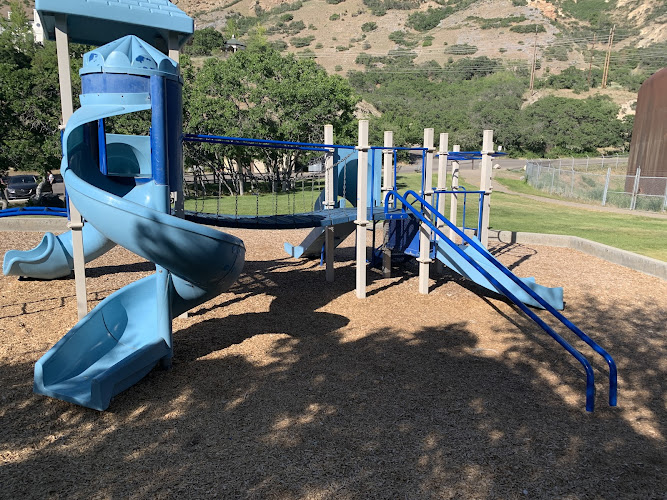
Rock Canyon Park
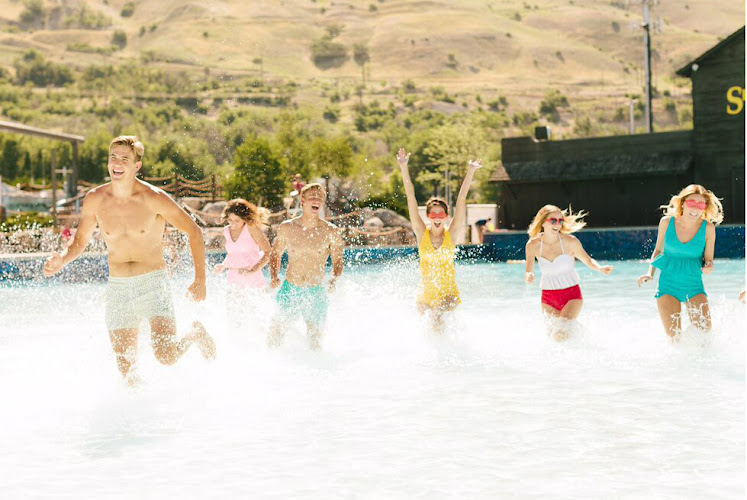
Seven Peaks Water Park Provo
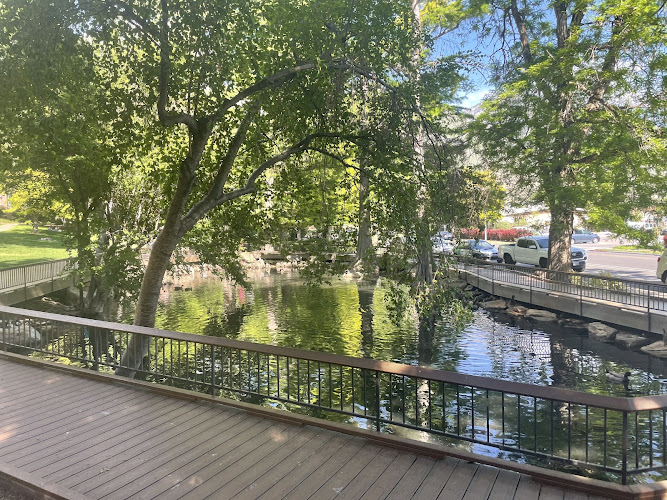
BYU Botany Pond
Find Accommodations Nearby
Recommended Tours & Activities
Visitor Reviews
There are no reviews yet. Be the first one to write one.
Share Your Experience
Have you visited Peaks Ice Arena? Help other travelers by leaving a review.