

Brigham Young University Museum of Art (MOA)
About Brigham Young University Museum of Art (MOA)
Description
The Brigham Young University Museum of Art stands as one of those unexpected cultural treasures that catches visitors completely off guard. I've found that people don't necessarily associate Provo, Utah with world-class art collections, but this museum absolutely delivers on that front. Housing over 18,000 pieces of art across ten distinct galleries plus an outdoor sculpture garden, the MOA presents an impressive range that spans from deeply religious works to cutting-edge contemporary pieces. What makes this place genuinely interesting is how it manages to balance its connection to the university's faith-based mission while still offering surprisingly diverse artistic perspectives. You'll encounter everything from ancient American artifacts to modern installations, Renaissance paintings to Pacific Islander cultural pieces. The museum doesn't shy away from thought-provoking contemporary work either, which I appreciate because it would be easy for an institution like this to play it safe. The building itself occupies roughly 100,000 square feet, giving each collection room to breathe. And honestly, the architecture complements the art rather than competing with it, which isn't always the case with university museums. The natural lighting in several galleries creates this beautiful atmosphere that changes throughout the day, making repeat visits feel completely different depending on when you show up.Key Features
Travelers planning their visit should know about these standout aspects that make the MOA worth adding to their Utah itinerary:- Ten separate gallery spaces showcasing rotating and permanent exhibitions that span centuries and continents of artistic achievement
- An outdoor sculpture garden that provides a contemplative space to experience three-dimensional art in natural surroundings
- Live performance events that transform the museum into a multidisciplinary cultural venue beyond just visual arts
- Complete wheelchair accessibility throughout the facility, including entrance, parking areas, restrooms, and gallery spaces
- A well-curated gift shop offering art books, prints, and unique items you won't find at typical tourist stops
- Onsite dining options including a cafe and restaurant, which honestly surprised me given that many art museums just expect you to leave when you get hungry
- Free guided tours that provide context and stories behind the collections that you'd definitely miss wandering around solo
- Family-friendly programming and spaces designed with children in mind, making it accessible for travelers with kids who might normally avoid art museums
- Complimentary Wi-Fi throughout the building and free onsite parking, which removes two common travel frustrations right off the bat
- A particularly strong collection of American art, including works that trace the development of artistic movements across U.S. history
Best Time to Visit
Timing your visit to the MOA requires thinking about a few different factors. The museum generally sees lighter crowds during weekday mornings, particularly Tuesday through Thursday. Weekend afternoons can get busy with local families, though it rarely reaches the overwhelming crowds you'd experience at major metropolitan museums. But here's the thing – sometimes busier isn't necessarily worse at an art museum. I've noticed that the energy of other visitors can actually enhance the experience, especially during special exhibitions or performance events. The museum hosts rotating exhibitions throughout the year, so checking their current shows before planning your trip makes sense. Some traveling exhibitions only stick around for a few months, and missing a particularly significant show would be a shame. The academic calendar influences traffic patterns too. During BYU's semester breaks, particularly in December and during summer months, you'll find fewer students filling the galleries. However, the museum remains open and fully operational during these periods. Spring and fall see the most consistent visitor numbers as both tourists and students mix together. Weather-wise, visiting during pleasant months like May, June, September, and early October allows you to fully enjoy the sculpture garden without dealing with Utah's sometimes harsh winter or blazing summer heat. That outdoor space really adds another dimension to the visit, and you'd be shortchanging yourself skipping it because the temperature wasn't cooperating. Special events and performance schedules vary throughout the year. These occasions draw larger crowds but also create memorable experiences. Check ahead if you're interested in catching one of their live performances or artist talks, as these fill up the space considerably.How to Get There
Getting to the Museum of Art on BYU's campus is pretty straightforward, though first-time visitors to Provo sometimes get turned around navigating the university grounds. The museum sits on the eastern side of campus, and if you're driving from Interstate 15, you'll take the University Parkway exit heading east toward the mountains. Following University Parkway directly leads you onto campus, where clear signage directs visitors to the museum. The building is located near Campus Drive, and the onsite parking lot provides ample free spaces – something that'll make you grateful after dealing with parking fees at most major museums elsewhere. For travelers staying in Salt Lake City, the drive takes roughly 50 minutes to an hour depending on traffic. The route is simple: take I-15 south and watch for the University Parkway exit in Provo. Traffic generally flows smoothly except during typical rush hours around 8 AM and 5 PM on weekdays. If you're relying on public transportation, the situation gets trickier. Utah Transit Authority (UTA) operates bus routes serving Provo, and FrontRunner commuter rail connects Salt Lake City to Provo, but you'll still need to arrange transportation from the station to campus. Ride-sharing services like Uber and Lyft operate in Provo and can bridge that final gap, though availability varies compared to larger cities. Walking from downtown Provo to the museum is feasible if you don't mind a 20-25 minute walk, and the route takes you through some pleasant residential areas. Biking works well too, and BYU's campus is relatively bike-friendly with designated paths and racks near the museum entrance.Tips for Visiting
Plan to spend at least two to three hours exploring the galleries properly. I know that sounds like a lot, but rushing through diminishes the experience significantly. The collection deserves your attention, and the variety across ten galleries means you'll want time to absorb everything. Admission is free, which still amazes me given the quality and scope of the collection. This makes the MOA an incredible value for travelers watching their budgets. However, donations are appreciated and help support the museum's programs and acquisitions. Take advantage of the guided tours offered onsite. Museum staff and trained docents provide insights and stories that transform your understanding of the pieces. These tours typically last about an hour and don't require advance reservations, though calling ahead during peak tourist season wouldn't hurt. Photography policies allow personal, non-flash photography in most galleries, but certain temporary exhibitions may have restrictions. Always check signage or ask staff if you're uncertain. And please, please don't use flash or touch the artwork – seems obvious, but you'd be surprised. The cafe and restaurant provide convenient options for meals or snacks without leaving the museum. Prices are reasonable, particularly by museum dining standards. If you're visiting with kids, this eliminates the challenge of finding them food before they get cranky and ruin everyone's afternoon. Wear comfortable shoes because you'll be on your feet more than you think. Those gallery floors get hard after an hour or two, and the sculpture garden involves some walking on varied terrain. Don't skip the gift shop at the end of your visit. It stocks quality art books, prints, and educational materials that make great souvenirs or gifts. The selection focuses on items related to current exhibitions and the permanent collection rather than generic tourist merchandise. Check the museum's schedule for special events, lectures, or performances during your planned visit. These programs add another layer to the experience and are usually included with free admission. Some performances or special programs may require tickets though, so verify ahead of time. If you're visiting with children, ask about family activity guides or materials designed to engage younger visitors. The museum recognizes that kids experience art differently and provides resources to make their visit educational and enjoyable rather than just dragging them through galleries. The museum maintains a relatively casual atmosphere compared to some more formal art institutions. You won't feel out of place in typical tourist attire, though the university setting means most visitors dress modestly and casually. Consider visiting the museum as part of a broader exploration of BYU's campus, which features beautiful grounds and interesting architecture. The campus itself functions as a sort of extended outdoor museum worth experiencing.Key Features
- Ten separate gallery spaces showcasing rotating and permanent exhibitions that span centuries and continents of artistic achievement
- An outdoor sculpture garden that provides a contemplative space to experience three-dimensional art in natural surroundings
- Live performance events that transform the museum into a multidisciplinary cultural venue beyond just visual arts
- Complete wheelchair accessibility throughout the facility, including entrance, parking areas, restrooms, and gallery spaces
- A well-curated gift shop offering art books, prints, and unique items you won't find at typical tourist stops
- Onsite dining options including a cafe and restaurant, which honestly surprised me given that many art museums just expect you to leave when you get hungry
- Free guided tours that provide context and stories behind the collections that you'd definitely miss wandering around solo
- Family-friendly programming and spaces designed with children in mind, making it accessible for travelers with kids who might normally avoid art museums
More Details
Updated March 30, 2026
Table of Contents
- Description
- Key Features
- Best Time to Visit
- How to Get There
- Tips for Visiting
- Key Highlights
- Location
- Places to Stay Near Brigham Young University Museum of Art (MOA)
- Find and Book a Tour
- Explore More Travel Guides
- Nearby Places You Might Like
- Traveler Reviews for Brigham Young University Museum of Art (MOA)
- Share Your Experience
Description
The Brigham Young University Museum of Art stands as one of those unexpected cultural treasures that catches visitors completely off guard. I’ve found that people don’t necessarily associate Provo, Utah with world-class art collections, but this museum absolutely delivers on that front. Housing over 18,000 pieces of art across ten distinct galleries plus an outdoor sculpture garden, the MOA presents an impressive range that spans from deeply religious works to cutting-edge contemporary pieces.
What makes this place genuinely interesting is how it manages to balance its connection to the university’s faith-based mission while still offering surprisingly diverse artistic perspectives. You’ll encounter everything from ancient American artifacts to modern installations, Renaissance paintings to Pacific Islander cultural pieces. The museum doesn’t shy away from thought-provoking contemporary work either, which I appreciate because it would be easy for an institution like this to play it safe.
The building itself occupies roughly 100,000 square feet, giving each collection room to breathe. And honestly, the architecture complements the art rather than competing with it, which isn’t always the case with university museums. The natural lighting in several galleries creates this beautiful atmosphere that changes throughout the day, making repeat visits feel completely different depending on when you show up.
Key Features
Travelers planning their visit should know about these standout aspects that make the MOA worth adding to their Utah itinerary:
- Ten separate gallery spaces showcasing rotating and permanent exhibitions that span centuries and continents of artistic achievement
- An outdoor sculpture garden that provides a contemplative space to experience three-dimensional art in natural surroundings
- Live performance events that transform the museum into a multidisciplinary cultural venue beyond just visual arts
- Complete wheelchair accessibility throughout the facility, including entrance, parking areas, restrooms, and gallery spaces
- A well-curated gift shop offering art books, prints, and unique items you won’t find at typical tourist stops
- Onsite dining options including a cafe and restaurant, which honestly surprised me given that many art museums just expect you to leave when you get hungry
- Free guided tours that provide context and stories behind the collections that you’d definitely miss wandering around solo
- Family-friendly programming and spaces designed with children in mind, making it accessible for travelers with kids who might normally avoid art museums
- Complimentary Wi-Fi throughout the building and free onsite parking, which removes two common travel frustrations right off the bat
- A particularly strong collection of American art, including works that trace the development of artistic movements across U.S. history
Best Time to Visit
Timing your visit to the MOA requires thinking about a few different factors. The museum generally sees lighter crowds during weekday mornings, particularly Tuesday through Thursday. Weekend afternoons can get busy with local families, though it rarely reaches the overwhelming crowds you’d experience at major metropolitan museums.
But here’s the thing – sometimes busier isn’t necessarily worse at an art museum. I’ve noticed that the energy of other visitors can actually enhance the experience, especially during special exhibitions or performance events. The museum hosts rotating exhibitions throughout the year, so checking their current shows before planning your trip makes sense. Some traveling exhibitions only stick around for a few months, and missing a particularly significant show would be a shame.
The academic calendar influences traffic patterns too. During BYU’s semester breaks, particularly in December and during summer months, you’ll find fewer students filling the galleries. However, the museum remains open and fully operational during these periods. Spring and fall see the most consistent visitor numbers as both tourists and students mix together.
Weather-wise, visiting during pleasant months like May, June, September, and early October allows you to fully enjoy the sculpture garden without dealing with Utah’s sometimes harsh winter or blazing summer heat. That outdoor space really adds another dimension to the visit, and you’d be shortchanging yourself skipping it because the temperature wasn’t cooperating.
Special events and performance schedules vary throughout the year. These occasions draw larger crowds but also create memorable experiences. Check ahead if you’re interested in catching one of their live performances or artist talks, as these fill up the space considerably.
How to Get There
Getting to the Museum of Art on BYU’s campus is pretty straightforward, though first-time visitors to Provo sometimes get turned around navigating the university grounds. The museum sits on the eastern side of campus, and if you’re driving from Interstate 15, you’ll take the University Parkway exit heading east toward the mountains.
Following University Parkway directly leads you onto campus, where clear signage directs visitors to the museum. The building is located near Campus Drive, and the onsite parking lot provides ample free spaces – something that’ll make you grateful after dealing with parking fees at most major museums elsewhere.
For travelers staying in Salt Lake City, the drive takes roughly 50 minutes to an hour depending on traffic. The route is simple: take I-15 south and watch for the University Parkway exit in Provo. Traffic generally flows smoothly except during typical rush hours around 8 AM and 5 PM on weekdays.
If you’re relying on public transportation, the situation gets trickier. Utah Transit Authority (UTA) operates bus routes serving Provo, and FrontRunner commuter rail connects Salt Lake City to Provo, but you’ll still need to arrange transportation from the station to campus. Ride-sharing services like Uber and Lyft operate in Provo and can bridge that final gap, though availability varies compared to larger cities.
Walking from downtown Provo to the museum is feasible if you don’t mind a 20-25 minute walk, and the route takes you through some pleasant residential areas. Biking works well too, and BYU’s campus is relatively bike-friendly with designated paths and racks near the museum entrance.
Tips for Visiting
Plan to spend at least two to three hours exploring the galleries properly. I know that sounds like a lot, but rushing through diminishes the experience significantly. The collection deserves your attention, and the variety across ten galleries means you’ll want time to absorb everything.
Admission is free, which still amazes me given the quality and scope of the collection. This makes the MOA an incredible value for travelers watching their budgets. However, donations are appreciated and help support the museum’s programs and acquisitions.
Take advantage of the guided tours offered onsite. Museum staff and trained docents provide insights and stories that transform your understanding of the pieces. These tours typically last about an hour and don’t require advance reservations, though calling ahead during peak tourist season wouldn’t hurt.
Photography policies allow personal, non-flash photography in most galleries, but certain temporary exhibitions may have restrictions. Always check signage or ask staff if you’re uncertain. And please, please don’t use flash or touch the artwork – seems obvious, but you’d be surprised.
The cafe and restaurant provide convenient options for meals or snacks without leaving the museum. Prices are reasonable, particularly by museum dining standards. If you’re visiting with kids, this eliminates the challenge of finding them food before they get cranky and ruin everyone’s afternoon.
Wear comfortable shoes because you’ll be on your feet more than you think. Those gallery floors get hard after an hour or two, and the sculpture garden involves some walking on varied terrain.
Don’t skip the gift shop at the end of your visit. It stocks quality art books, prints, and educational materials that make great souvenirs or gifts. The selection focuses on items related to current exhibitions and the permanent collection rather than generic tourist merchandise.
Check the museum’s schedule for special events, lectures, or performances during your planned visit. These programs add another layer to the experience and are usually included with free admission. Some performances or special programs may require tickets though, so verify ahead of time.
If you’re visiting with children, ask about family activity guides or materials designed to engage younger visitors. The museum recognizes that kids experience art differently and provides resources to make their visit educational and enjoyable rather than just dragging them through galleries.
The museum maintains a relatively casual atmosphere compared to some more formal art institutions. You won’t feel out of place in typical tourist attire, though the university setting means most visitors dress modestly and casually.
Consider visiting the museum as part of a broader exploration of BYU’s campus, which features beautiful grounds and interesting architecture. The campus itself functions as a sort of extended outdoor museum worth experiencing.
Key Highlights
- Ten separate gallery spaces showcasing rotating and permanent exhibitions that span centuries and continents of artistic achievement
- An outdoor sculpture garden that provides a contemplative space to experience three-dimensional art in natural surroundings
- Live performance events that transform the museum into a multidisciplinary cultural venue beyond just visual arts
- Complete wheelchair accessibility throughout the facility, including entrance, parking areas, restrooms, and gallery spaces
- A well-curated gift shop offering art books, prints, and unique items you won't find at typical tourist stops
- Onsite dining options including a cafe and restaurant, which honestly surprised me given that many art museums just expect you to leave when you get hungry
- Free guided tours that provide context and stories behind the collections that you'd definitely miss wandering around solo
- Family-friendly programming and spaces designed with children in mind, making it accessible for travelers with kids who might normally avoid art museums
Location
Places to Stay Near Brigham Young University Museum of Art (MOA)
Find and Book a Tour
Explore More Travel Guides
No reviews found! Be the first to review!
Brigham Young University Museum of Art (MOA) is a prominent museums located in Provo.
Visit us at: Campus Dr, Provo, UT 84602, United States.
Traveler Reviews for Brigham Young University Museum of Art (MOA)
There are no reviews yet. Be the first one to write one.
Have you visited Brigham Young University Museum of Art (MOA)? Help other travelers by sharing your review.
You Might Also Like
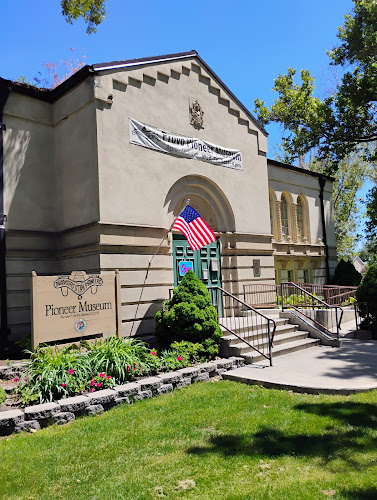
Provo Daughters of Utah Pioneers Museum
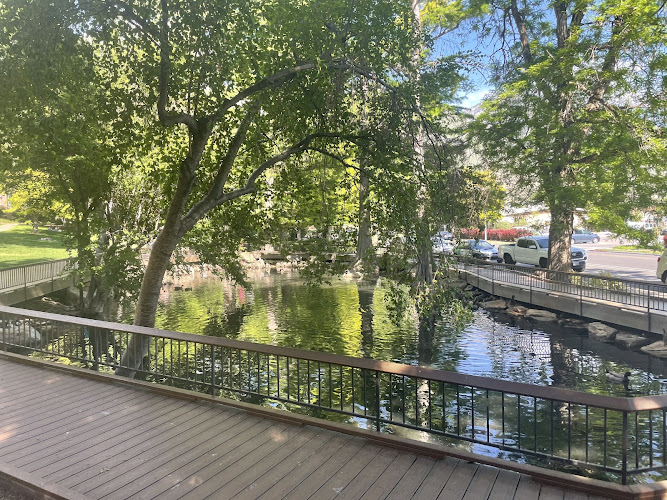
BYU Botany Pond
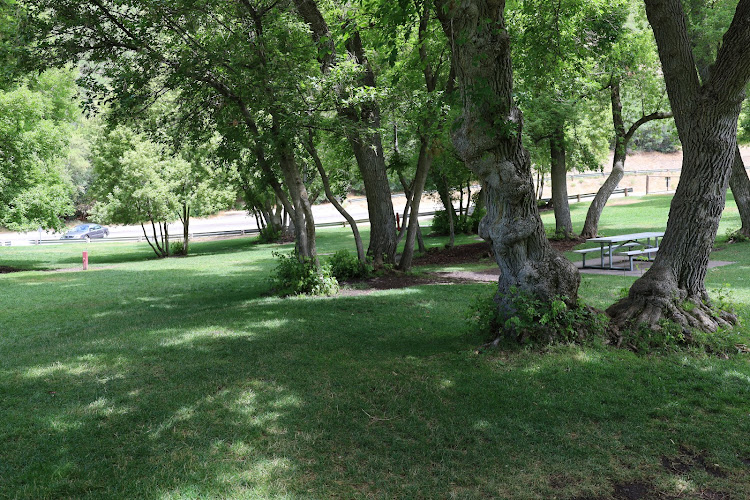
South Fork Park
Find Accommodations Nearby
Recommended Tours & Activities
Visitor Reviews
There are no reviews yet. Be the first one to write one.
Share Your Experience
Have you visited Brigham Young University Museum of Art (MOA)? Help other travelers by leaving a review.