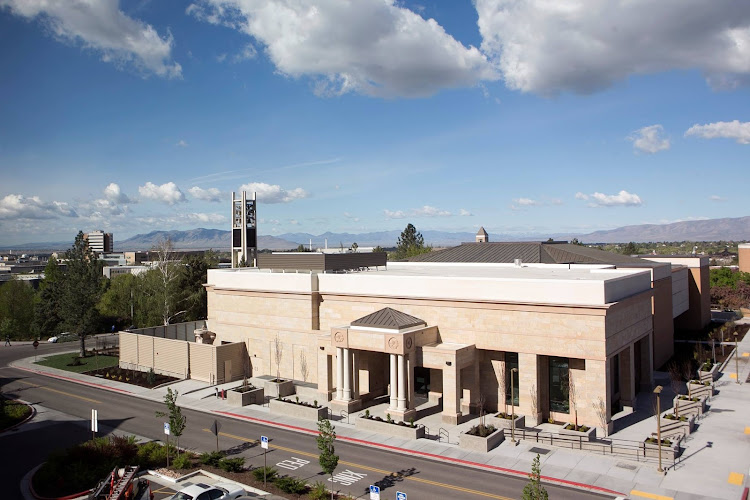
About Bean Life Science Museum

Description

The Bean Life Science Museum sits right on the campus of Brigham Young University, and honestly, it's one of those places that surprises you more than you'd expect from a university museum. When my cousin first dragged me there during a road trip through Utah, I'll admit I wasn't exactly thrilled about spending an afternoon looking at stuffed animals. But there's something genuinely captivating about this place that kept me there way longer than I'd planned. This natural history museum brings together an impressive collection of taxidermied animals displayed in carefully crafted dioramas that actually transport you to different ecosystems around the world. The museum focuses heavily on environmental education, which means you're not just staring at a mounted elk – you're learning about its habitat, its role in the ecosystem, and the conservation challenges it faces. The specimens are arranged in ways that tell stories, and that's what makes the difference between a boring afternoon and an educational experience that actually sticks with you. What really sets this place apart is how they've managed to make natural history accessible without dumbing it down. The exhibits showcase everything from massive mammals to intricate insect displays, and each one teaches you something about the natural world that you probably didn't know before. And look, I'm not usually the type to get excited about museums, but there's something about seeing a mountain lion positioned mid-prowl or a collection of birds displayed in their natural behaviors that makes you appreciate the craft and science behind it all.

Key Features

The Bean Life Science Museum packs quite a lot into its space, making it worth the visit whether you're traveling solo, with friends, or bringing the whole family along. Here's what makes this place stand out:
  • Over 1,600 mounted specimens representing wildlife from across the globe, displayed in realistic habitat dioramas that showcase different ecosystems
  • An impressive collection of large mammals including bears, big cats, and ungulates that you won't easily see up close anywhere else
  • Specialized exhibits focusing on Utah wildlife and Rocky Mountain ecosystems, perfect for understanding the local environment
  • Interactive educational displays that explain animal behavior, adaptation, and conservation efforts in ways that engage both kids and adults
  • Live performances and presentations that bring additional depth to the exhibits throughout the year
  • A theater space where educational programs and special presentations take place regularly
  • Extensive bird collection featuring species from multiple continents arranged by habitat and geographic region
  • Insect displays that showcase the incredible diversity of arthropods in stunning detail
  • Completely wheelchair accessible facilities including entrance, parking, and restrooms making it inclusive for all visitors
  • An on-site gift shop where you can grab educational materials, souvenirs, and science-themed gifts
  • Free parking on campus which is honestly a huge plus when you're traveling and trying to stick to a budget
  • Cafe facilities for grabbing a quick bite without having to leave and search for food elsewhere

Best Time to Visit

Timing your visit to the Bean Life Science Museum can make a real difference in your experience. Since this is a university museum, the crowd levels fluctuate pretty dramatically based on the academic calendar. The absolute best time to visit is during the summer months, particularly June through early August. The university operates on a reduced schedule, which means fewer students rushing between classes and more breathing room in the museum itself. I visited once in July and practically had entire sections to myself, which let me take my time reading every placard and really examining the details in each diorama without feeling rushed or crowded. Weekday mornings throughout the year tend to be quieter than afternoons and weekends. If you can swing it, showing up right when they open gives you a solid hour or two before school groups start arriving. And trust me, while the enthusiasm of kids is great, trying to read exhibit information while surrounded by thirty excited third-graders isn't exactly the peaceful museum experience most travelers are after. Fall months, especially September and October, bring beautiful weather to the area and the campus looks absolutely gorgeous, but you'll be competing with the full student population and field trip season. It's not a dealbreaker, just something to keep in mind if you prefer a more contemplative museum experience. Winter visits have their own charm. The museum sees fewer visitors in January and February, and there's something oddly satisfying about studying animals in their winter habitat dioramas while actual snow falls outside. Just make sure to check the university's holiday schedule since the museum typically closes during major breaks. Spring break at BYU doesn't align with many other universities, so March can actually be surprisingly busy with visiting prospective students and their families. April and early May hit a sweet spot before summer starts but after the winter rush subsides.

How to Get There

Getting to the Bean Life Science Museum is pretty straightforward, though navigating a university campus always comes with its little quirks. The museum is located on the Brigham Young University campus in Provo, Utah, which sits about 45 miles south of Salt Lake City. If you're flying in, you'll want to land at Salt Lake City International Airport. From there, renting a car is honestly your best bet. The drive south on Interstate 15 takes roughly an hour in normal traffic, and it's a pleasant drive with mountain views that make the time pass quickly. Take exit 269 for University Parkway in Provo, head east toward campus, and follow the signs to visitor parking. The museum building itself sits on the east side of campus. Free parking is available in designated visitor lots, though finding a spot during peak academic hours can require a bit of patience. I've found that the lots on the northeast side of campus tend to have more availability, even if it means a slightly longer walk to the museum entrance. Public transportation exists through the Utah Transit Authority (UTA), which runs bus routes from Salt Lake City to Provo. The FrontRunner commuter rail also connects to Provo, and from there you can catch local buses that stop near campus. But I'll be honest – unless you're really trying to avoid renting a car, the public transit route adds considerable time and complexity to your journey. For those already road tripping through Utah, the museum makes an excellent stop between adventures in Salt Lake City and destinations further south like Moab or Zion National Park. The campus is well-marked, and while parking might be a bit confusing at first (university campuses always are), there are information kiosks and campus maps available. Once you're parked, the museum itself is clearly marked. The entrance is fully wheelchair accessible, and the building is one of the more distinctive structures on campus, so you won't be wandering around lost trying to find it.

Tips for Visiting

After multiple visits and one slightly embarrassing incident where I got turned around in the exhibits and ended up viewing everything backward, I've gathered some practical wisdom for making the most of your time at the Bean Life Science Museum. First off, plan for at least two hours. I know, I know – it's a university museum, how long could it possibly take? But if you're actually reading the information and appreciating the specimens rather than just speed-walking through, you'll want that time. The dioramas contain incredible details that you'll miss if you're rushing, and the educational components genuinely add value to the experience. Bring a camera, but be mindful about flash photography. Some of the taxidermy can look a bit washed out with direct flash, and you'll get better photos using natural light from the windows or the museum's ambient lighting. The dioramas in particular photograph beautifully when you take your time composing the shot. The museum is exceptionally family-friendly, and I mean that in the best way possible. They've clearly designed exhibits with kids in mind without making it feel like a children's museum. That said, if you're traveling with little ones, take advantage of the changing tables and the fact that the cafe can save you when someone inevitably gets hungry at an inconvenient time. The gift shop also makes for a good final stop to reward good behavior or buy educational materials that extend the learning experience. Comfortable shoes are a must. The museum involves more standing and walking than you might anticipate, especially if you're the type who likes to read every single exhibit description (guilty as charged). Check their schedule before visiting for any live performances or special presentations. These can really enhance your visit, offering insights and perspectives that static exhibits alone can't provide. The theater presentations are typically included with admission and worth planning your visit around. Don't skip the insect exhibits just because bugs aren't your thing. Seriously, even people who claim to hate insects find this collection fascinating. The level of detail you can observe in the displays is something you'd never see in nature, and it gives you a whole new appreciation for the complexity of these creatures. The museum staff and volunteers are genuinely knowledgeable and happy to answer questions. I've had several conversations with docents who shared fascinating backstories about specific specimens or pointed out details I would've completely missed otherwise. Don't be shy about engaging with them – it adds a whole interactive dimension to the visit. If you're visiting during the academic year, you might encounter student researchers or classes using the museum for educational purposes. This actually adds to the atmosphere rather than detracting from it, giving you a sense of the museum's role as an active teaching facility rather than just a static collection. Budget-conscious travelers will appreciate that admission is quite reasonable, and combined with the free parking, this makes for an affordable educational stop. The cafe prices are typical institutional pricing – not cheap, but not highway robbery either. Finally, give yourself permission to go at your own pace. Some exhibits will capture your attention more than others, and that's perfectly fine. I spent probably twenty minutes just studying the bird collection because I found it absolutely mesmerizing, while other visitors breezed right past it. Your interests will guide your experience, and that's exactly how it should be.

Key Features

  • Over 1,600 mounted specimens representing wildlife from across the globe, displayed in realistic habitat dioramas that showcase different ecosystems
  • An impressive collection of large mammals including bears, big cats, and ungulates that you won't easily see up close anywhere else
  • Specialized exhibits focusing on Utah wildlife and Rocky Mountain ecosystems, perfect for understanding the local environment
  • Interactive educational displays that explain animal behavior, adaptation, and conservation efforts in ways that engage both kids and adults
  • Live performances and presentations that bring additional depth to the exhibits throughout the year
  • A theater space where educational programs and special presentations take place regularly
  • Extensive bird collection featuring species from multiple continents arranged by habitat and geographic region
  • Insect displays that showcase the incredible diversity of arthropods in stunning detail

More Details

Updated March 30, 2026

Description

The Bean Life Science Museum sits right on the campus of Brigham Young University, and honestly, it’s one of those places that surprises you more than you’d expect from a university museum. When my cousin first dragged me there during a road trip through Utah, I’ll admit I wasn’t exactly thrilled about spending an afternoon looking at stuffed animals. But there’s something genuinely captivating about this place that kept me there way longer than I’d planned.

This natural history museum brings together an impressive collection of taxidermied animals displayed in carefully crafted dioramas that actually transport you to different ecosystems around the world. The museum focuses heavily on environmental education, which means you’re not just staring at a mounted elk – you’re learning about its habitat, its role in the ecosystem, and the conservation challenges it faces. The specimens are arranged in ways that tell stories, and that’s what makes the difference between a boring afternoon and an educational experience that actually sticks with you.

What really sets this place apart is how they’ve managed to make natural history accessible without dumbing it down. The exhibits showcase everything from massive mammals to intricate insect displays, and each one teaches you something about the natural world that you probably didn’t know before. And look, I’m not usually the type to get excited about museums, but there’s something about seeing a mountain lion positioned mid-prowl or a collection of birds displayed in their natural behaviors that makes you appreciate the craft and science behind it all.

Key Features

The Bean Life Science Museum packs quite a lot into its space, making it worth the visit whether you’re traveling solo, with friends, or bringing the whole family along. Here’s what makes this place stand out:

  • Over 1,600 mounted specimens representing wildlife from across the globe, displayed in realistic habitat dioramas that showcase different ecosystems
  • An impressive collection of large mammals including bears, big cats, and ungulates that you won’t easily see up close anywhere else
  • Specialized exhibits focusing on Utah wildlife and Rocky Mountain ecosystems, perfect for understanding the local environment
  • Interactive educational displays that explain animal behavior, adaptation, and conservation efforts in ways that engage both kids and adults
  • Live performances and presentations that bring additional depth to the exhibits throughout the year
  • A theater space where educational programs and special presentations take place regularly
  • Extensive bird collection featuring species from multiple continents arranged by habitat and geographic region
  • Insect displays that showcase the incredible diversity of arthropods in stunning detail
  • Completely wheelchair accessible facilities including entrance, parking, and restrooms making it inclusive for all visitors
  • An on-site gift shop where you can grab educational materials, souvenirs, and science-themed gifts
  • Free parking on campus which is honestly a huge plus when you’re traveling and trying to stick to a budget
  • Cafe facilities for grabbing a quick bite without having to leave and search for food elsewhere

Best Time to Visit

Timing your visit to the Bean Life Science Museum can make a real difference in your experience. Since this is a university museum, the crowd levels fluctuate pretty dramatically based on the academic calendar.

The absolute best time to visit is during the summer months, particularly June through early August. The university operates on a reduced schedule, which means fewer students rushing between classes and more breathing room in the museum itself. I visited once in July and practically had entire sections to myself, which let me take my time reading every placard and really examining the details in each diorama without feeling rushed or crowded.

Weekday mornings throughout the year tend to be quieter than afternoons and weekends. If you can swing it, showing up right when they open gives you a solid hour or two before school groups start arriving. And trust me, while the enthusiasm of kids is great, trying to read exhibit information while surrounded by thirty excited third-graders isn’t exactly the peaceful museum experience most travelers are after.

Fall months, especially September and October, bring beautiful weather to the area and the campus looks absolutely gorgeous, but you’ll be competing with the full student population and field trip season. It’s not a dealbreaker, just something to keep in mind if you prefer a more contemplative museum experience.

Winter visits have their own charm. The museum sees fewer visitors in January and February, and there’s something oddly satisfying about studying animals in their winter habitat dioramas while actual snow falls outside. Just make sure to check the university’s holiday schedule since the museum typically closes during major breaks.

Spring break at BYU doesn’t align with many other universities, so March can actually be surprisingly busy with visiting prospective students and their families. April and early May hit a sweet spot before summer starts but after the winter rush subsides.

How to Get There

Getting to the Bean Life Science Museum is pretty straightforward, though navigating a university campus always comes with its little quirks. The museum is located on the Brigham Young University campus in Provo, Utah, which sits about 45 miles south of Salt Lake City.

If you’re flying in, you’ll want to land at Salt Lake City International Airport. From there, renting a car is honestly your best bet. The drive south on Interstate 15 takes roughly an hour in normal traffic, and it’s a pleasant drive with mountain views that make the time pass quickly. Take exit 269 for University Parkway in Provo, head east toward campus, and follow the signs to visitor parking.

The museum building itself sits on the east side of campus. Free parking is available in designated visitor lots, though finding a spot during peak academic hours can require a bit of patience. I’ve found that the lots on the northeast side of campus tend to have more availability, even if it means a slightly longer walk to the museum entrance.

Public transportation exists through the Utah Transit Authority (UTA), which runs bus routes from Salt Lake City to Provo. The FrontRunner commuter rail also connects to Provo, and from there you can catch local buses that stop near campus. But I’ll be honest – unless you’re really trying to avoid renting a car, the public transit route adds considerable time and complexity to your journey.

For those already road tripping through Utah, the museum makes an excellent stop between adventures in Salt Lake City and destinations further south like Moab or Zion National Park. The campus is well-marked, and while parking might be a bit confusing at first (university campuses always are), there are information kiosks and campus maps available.

Once you’re parked, the museum itself is clearly marked. The entrance is fully wheelchair accessible, and the building is one of the more distinctive structures on campus, so you won’t be wandering around lost trying to find it.

Tips for Visiting

After multiple visits and one slightly embarrassing incident where I got turned around in the exhibits and ended up viewing everything backward, I’ve gathered some practical wisdom for making the most of your time at the Bean Life Science Museum.

First off, plan for at least two hours. I know, I know – it’s a university museum, how long could it possibly take? But if you’re actually reading the information and appreciating the specimens rather than just speed-walking through, you’ll want that time. The dioramas contain incredible details that you’ll miss if you’re rushing, and the educational components genuinely add value to the experience.

Bring a camera, but be mindful about flash photography. Some of the taxidermy can look a bit washed out with direct flash, and you’ll get better photos using natural light from the windows or the museum’s ambient lighting. The dioramas in particular photograph beautifully when you take your time composing the shot.

The museum is exceptionally family-friendly, and I mean that in the best way possible. They’ve clearly designed exhibits with kids in mind without making it feel like a children’s museum. That said, if you’re traveling with little ones, take advantage of the changing tables and the fact that the cafe can save you when someone inevitably gets hungry at an inconvenient time. The gift shop also makes for a good final stop to reward good behavior or buy educational materials that extend the learning experience.

Comfortable shoes are a must. The museum involves more standing and walking than you might anticipate, especially if you’re the type who likes to read every single exhibit description (guilty as charged).

Check their schedule before visiting for any live performances or special presentations. These can really enhance your visit, offering insights and perspectives that static exhibits alone can’t provide. The theater presentations are typically included with admission and worth planning your visit around.

Don’t skip the insect exhibits just because bugs aren’t your thing. Seriously, even people who claim to hate insects find this collection fascinating. The level of detail you can observe in the displays is something you’d never see in nature, and it gives you a whole new appreciation for the complexity of these creatures.

The museum staff and volunteers are genuinely knowledgeable and happy to answer questions. I’ve had several conversations with docents who shared fascinating backstories about specific specimens or pointed out details I would’ve completely missed otherwise. Don’t be shy about engaging with them – it adds a whole interactive dimension to the visit.

If you’re visiting during the academic year, you might encounter student researchers or classes using the museum for educational purposes. This actually adds to the atmosphere rather than detracting from it, giving you a sense of the museum’s role as an active teaching facility rather than just a static collection.

Budget-conscious travelers will appreciate that admission is quite reasonable, and combined with the free parking, this makes for an affordable educational stop. The cafe prices are typical institutional pricing – not cheap, but not highway robbery either.

Finally, give yourself permission to go at your own pace. Some exhibits will capture your attention more than others, and that’s perfectly fine. I spent probably twenty minutes just studying the bird collection because I found it absolutely mesmerizing, while other visitors breezed right past it. Your interests will guide your experience, and that’s exactly how it should be.

Key Highlights

  • Over 1,600 mounted specimens representing wildlife from across the globe, displayed in realistic habitat dioramas that showcase different ecosystems
  • An impressive collection of large mammals including bears, big cats, and ungulates that you won't easily see up close anywhere else
  • Specialized exhibits focusing on Utah wildlife and Rocky Mountain ecosystems, perfect for understanding the local environment
  • Interactive educational displays that explain animal behavior, adaptation, and conservation efforts in ways that engage both kids and adults
  • Live performances and presentations that bring additional depth to the exhibits throughout the year
  • A theater space where educational programs and special presentations take place regularly
  • Extensive bird collection featuring species from multiple continents arranged by habitat and geographic region
  • Insect displays that showcase the incredible diversity of arthropods in stunning detail

Location

Places to Stay Near Bean Life Science Museum

Find and Book a Tour

Explore More Travel Guides

No reviews found! Be the first to review!

Bean Life Science Museum is a prominent museums located in Provo.

Visit us at: 645 E Phillips Ln, Provo, UT 84604, United States.

Traveler Reviews for Bean Life Science Museum

There are no reviews yet. Be the first one to write one.

Share Your Experience

Have you visited Bean Life Science Museum? Help other travelers by sharing your review.

Find Accommodations Nearby

Recommended Tours & Activities

Visitor Reviews

There are no reviews yet. Be the first one to write one.

Share Your Experience

Have you visited Bean Life Science Museum? Help other travelers by leaving a review.