
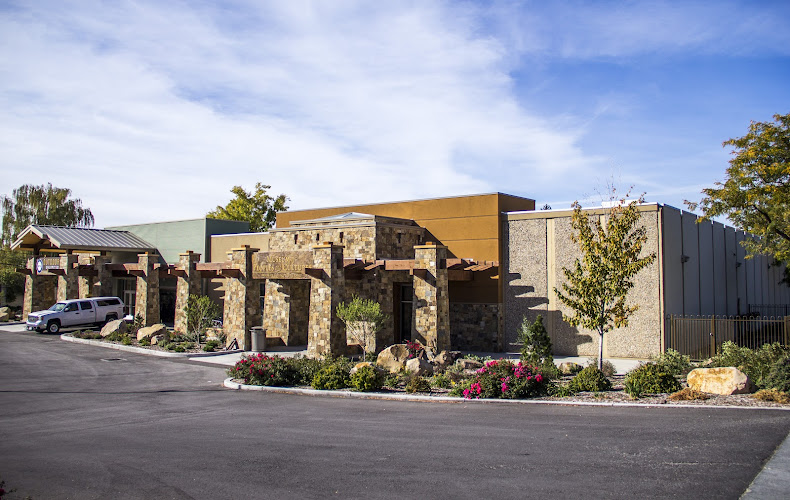
BYU’s Museum of Peoples and Cultures
About BYU’s Museum of Peoples and Cultures
Description
The Museum of Peoples and Cultures at Brigham Young University offers travelers a surprisingly intimate glimpse into human civilization across continents and millennia. Unlike those massive institutions where you feel like you need a GPS just to find the bathroom, this museum presents a more personal exploration of archaeology and cultural anthropology. Visitors discover artifacts from ancient Near Eastern civilizations, indigenous cultures of the Americas, and Pacific Island societies, all thoughtfully curated to tell stories rather than just display objects behind glass. Walking through the galleries feels less like checking items off a tourist bucket list and more like having a conversation with the past. The museum houses real archaeological finds - not replicas - including pottery fragments from biblical-era sites, textiles from Peruvian cultures, and tools used by Native American communities. Many of these pieces came directly from BYU-sponsored archaeological excavations, which gives the collection an authenticity that's hard to find elsewhere. What strikes most visitors is the museum's academic foundation paired with its welcoming atmosphere. Run by the university's Department of Anthropology, it serves as both a teaching collection and a public resource. You'll often encounter students working on research projects or preparing exhibits, which adds this wonderful layer of active scholarship to the experience. It's not just about looking at old stuff - it's about understanding the methodologies behind archaeological discovery and cultural preservation. The space itself isn't overwhelming, which I actually think works in its favor. You can thoroughly explore the entire museum in a couple of hours without experiencing that glazed-over exhaustion that hits you at bigger institutions. And honestly? Sometimes smaller museums try harder to engage their visitors because they can't rely on sheer size to impress.Key Features
The Museum of Peoples and Cultures distinguishes itself through several notable characteristics that appeal to curious travelers:- Authentic archaeological artifacts recovered from BYU research expeditions in the Middle East, Mesoamerica, and North America, providing tangible connections to ancient civilizations
- Rotating temporary exhibitions that showcase specific cultures or archaeological themes, ensuring return visitors encounter fresh perspectives even if they've been before
- Collections representing indigenous peoples of the Great Basin and Southwest regions, offering particular depth in understanding Native American cultures often underrepresented in larger museums
- Complete wheelchair accessibility throughout the facility, including entrances, restrooms, and parking areas, making cultural exploration genuinely inclusive
- Student-curated displays that bring youthful energy and contemporary interpretive approaches to ancient materials
- On-site parking that eliminates the usual headache of circling blocks looking for a spot - a detail that matters more than most museum descriptions acknowledge
- Family-friendly exhibits designed so younger visitors can engage meaningfully without everything being dumbed down for adult audiences
- No admission fee, which is refreshing when many cultural institutions charge prices that make families think twice about visiting
- Educational programs and lectures that add context beyond what wall labels can provide, though schedules vary by semester
- Compact gallery spaces that prevent the overwhelming fatigue common at sprawling museums while still offering substantial content
Best Time to Visit
Planning when to visit the Museum of Peoples and Cultures requires considering the university's academic calendar since that rhythm shapes the entire campus experience. The museum operates during standard academic semesters, which means your best windows fall during fall and winter terms when the university pulses with student activity and programming. Weekday mornings, particularly Tuesday through Thursday between 10 AM and noon, offer the quietest browsing experience. You'll have galleries largely to yourself, making it easier to read exhibit labels without someone breathing down your neck or to spend extra time with pieces that genuinely interest you. This timing works especially well for photographers or anyone who processes information better without crowds. But there's something to be said for visiting during busier afternoon periods when student researchers might be around. I've found that catching the museum when anthropology classes are in session sometimes leads to unexpected conversations or overhearing discussions that add layers to what you're viewing. Just depends whether you prefer solitary contemplation or the energy of an active academic environment. Avoid planning visits during university breaks - Thanksgiving week, winter holidays, and spring break - when the museum might have reduced hours or close entirely. Summer access can be limited too, so calling ahead becomes pretty essential if you're traveling during off-peak academic periods. Weather-wise, any season works since you'll be entirely indoors. Though I'll mention that Provo winters can dump serious snow, and navigating an unfamiliar campus in a blizzard isn't most people's idea of fun. Spring and fall offer the bonus of pleasant campus strolls before or after your museum visit. The museum doesn't typically get mobbed even during peak times, which is honestly one of its charms. You're rarely competing with tour bus crowds or fighting through selfie-stick wielding masses. That said, special exhibition openings or cultural events can draw larger groups, so check the university's event calendar if you're specifically seeking solitude.How to Get There
Reaching the Museum of Peoples and Cultures means navigating the Brigham Young University campus in Provo, Utah. For travelers flying in, Salt Lake City International Airport sits about 50 miles north - roughly an hour's drive under normal traffic conditions. Rental cars provide the most flexibility for exploring the broader region, though ride-sharing services and shuttle companies also operate between the airport and Provo. The museum sits on BYU's main campus, and finding it requires a bit of local knowledge since university campuses tend to confuse GPS systems with their internal road networks. Looking for the Allen Hall building gets you to the right neighborhood. On-site parking exists, which is a genuine blessing since BYU's campus parking can be notoriously tricky. Visitor parking areas are marked, though enforcement is real and tickets happen to those who gamble on unauthorized spots. Public transportation users can take the Utah Transit Authority's bus routes that service BYU campus from various points in Provo and neighboring communities. The FrontRunner commuter rail connects Salt Lake City to Provo, where you'd transfer to local buses. It's doable without a car but requires patience and schedule coordination that might frustrate travelers on tight timelines. Driving from Salt Lake City means taking Interstate 15 southbound to Provo exits, then navigating surface streets to campus. Traffic typically flows smoothly except during university event days - football games, graduation, and major performances can snarl roads considerably. From other Utah destinations like Park City or southern Utah's national parks, you're looking at longer drives that make the museum work better as part of a multi-day Utah itinerary rather than a sole destination. Walking or biking works well if you're already staying in Provo proper. The city's relatively compact downtown sits close enough to campus that active transportation makes sense, especially during pleasant weather months.Tips for Visiting
First things first - verify current operating hours before heading out. University-affiliated museums march to academic calendars rather than typical tourist schedules, and showing up to locked doors after driving an hour ranks high on the list of travel frustrations nobody needs. Bring your curiosity and willingness to read. This isn't a quick walk-through-and-snap-photos kind of place. The museum rewards those who actually engage with the interpretive materials and take time understanding context. I know we live in an age of short attention spans, but rushing through defeats the purpose entirely. Don't expect elaborate dining options on-site since the museum doesn't house a restaurant. However, the BYU campus and surrounding Provo area offer plenty of food choices within short walking or driving distance. Pack snacks if you're traveling with kids who turn into gremlins when hungry, though you'll need to consume them outside gallery spaces. Photography policies deserve checking at the entrance. Many museums allow personal photography without flash, but rules vary and ignoring them marks you as that tourist everyone rolls their eyes at. The restrooms are accessible and maintained, which matters more on a travel day than most guidebooks acknowledge. Knowing you can take care of basic human needs comfortably makes any attraction more enjoyable. If you're traveling with children, the family-friendly designation holds true, but prepare them that this isn't a hands-on children's museum. The artifacts are real, fragile, and behind barriers for good reason. Teaching kids to look carefully rather than touch becomes part of the educational experience. Consider timing your visit to catch special lectures or programs when available. The museum hosts scholars and researchers who present findings in accessible ways, adding tremendous value beyond self-guided exploration. The wheelchair accessibility is genuinely comprehensive, not just technically compliant. If anyone in your group has mobility considerations, you can visit without the constant worry that defines experiences at older, less-accessible institutions. Budget extra time for getting lost on campus because it happens to everyone. University layouts confuse even locals sometimes, and BYU's campus sprawls more than you'd expect. Building in buffer time reduces stress when turns don't match what your phone's map suggested. Engage with staff and student workers if you have questions. They're typically knowledgeable and enthusiastic about sharing information. The worst that happens is they don't know an answer, which puts you in the same position as not asking anyway. Finally, approach the museum as an opportunity for genuine learning rather than just tourist box-checking. The collections represent real human stories spanning thousands of years and countless lives. That perspective transforms a simple museum visit into something considerably more meaningful, which is ultimately why we travel in the first place - to connect with experiences beyond our everyday existence and return home slightly changed by what we encountered.Key Features
- Archaeological collections highlighting Utah Valley: Archaic, Fremont, Ute, and Euro‑American materials
- Global ethnographic objects and rotating special exhibitions
- Student and faculty research integration with museum displays
- Self‑guided tours plus docent‑led tour options and educational programs
- Small, accessible museum space on BYU campus with family‑friendly activities
More Details
Updated March 30, 2026
Table of Contents
- Description
- Key Features
- Best Time to Visit
- How to Get There
- Tips for Visiting
- Key Highlights
- Location
- Places to Stay Near BYU's Museum of Peoples and Cultures
- Find and Book a Tour
- Explore More Travel Guides
- Nearby Places You Might Like
- Traveler Reviews for BYU’s Museum of Peoples and Cultures
- Share Your Experience
Description
The Museum of Peoples and Cultures at Brigham Young University offers travelers a surprisingly intimate glimpse into human civilization across continents and millennia. Unlike those massive institutions where you feel like you need a GPS just to find the bathroom, this museum presents a more personal exploration of archaeology and cultural anthropology. Visitors discover artifacts from ancient Near Eastern civilizations, indigenous cultures of the Americas, and Pacific Island societies, all thoughtfully curated to tell stories rather than just display objects behind glass.
Walking through the galleries feels less like checking items off a tourist bucket list and more like having a conversation with the past. The museum houses real archaeological finds – not replicas – including pottery fragments from biblical-era sites, textiles from Peruvian cultures, and tools used by Native American communities. Many of these pieces came directly from BYU-sponsored archaeological excavations, which gives the collection an authenticity that’s hard to find elsewhere.
What strikes most visitors is the museum’s academic foundation paired with its welcoming atmosphere. Run by the university’s Department of Anthropology, it serves as both a teaching collection and a public resource. You’ll often encounter students working on research projects or preparing exhibits, which adds this wonderful layer of active scholarship to the experience. It’s not just about looking at old stuff – it’s about understanding the methodologies behind archaeological discovery and cultural preservation.
The space itself isn’t overwhelming, which I actually think works in its favor. You can thoroughly explore the entire museum in a couple of hours without experiencing that glazed-over exhaustion that hits you at bigger institutions. And honestly? Sometimes smaller museums try harder to engage their visitors because they can’t rely on sheer size to impress.
Key Features
The Museum of Peoples and Cultures distinguishes itself through several notable characteristics that appeal to curious travelers:
- Authentic archaeological artifacts recovered from BYU research expeditions in the Middle East, Mesoamerica, and North America, providing tangible connections to ancient civilizations
- Rotating temporary exhibitions that showcase specific cultures or archaeological themes, ensuring return visitors encounter fresh perspectives even if they’ve been before
- Collections representing indigenous peoples of the Great Basin and Southwest regions, offering particular depth in understanding Native American cultures often underrepresented in larger museums
- Complete wheelchair accessibility throughout the facility, including entrances, restrooms, and parking areas, making cultural exploration genuinely inclusive
- Student-curated displays that bring youthful energy and contemporary interpretive approaches to ancient materials
- On-site parking that eliminates the usual headache of circling blocks looking for a spot – a detail that matters more than most museum descriptions acknowledge
- Family-friendly exhibits designed so younger visitors can engage meaningfully without everything being dumbed down for adult audiences
- No admission fee, which is refreshing when many cultural institutions charge prices that make families think twice about visiting
- Educational programs and lectures that add context beyond what wall labels can provide, though schedules vary by semester
- Compact gallery spaces that prevent the overwhelming fatigue common at sprawling museums while still offering substantial content
Best Time to Visit
Planning when to visit the Museum of Peoples and Cultures requires considering the university’s academic calendar since that rhythm shapes the entire campus experience. The museum operates during standard academic semesters, which means your best windows fall during fall and winter terms when the university pulses with student activity and programming.
Weekday mornings, particularly Tuesday through Thursday between 10 AM and noon, offer the quietest browsing experience. You’ll have galleries largely to yourself, making it easier to read exhibit labels without someone breathing down your neck or to spend extra time with pieces that genuinely interest you. This timing works especially well for photographers or anyone who processes information better without crowds.
But there’s something to be said for visiting during busier afternoon periods when student researchers might be around. I’ve found that catching the museum when anthropology classes are in session sometimes leads to unexpected conversations or overhearing discussions that add layers to what you’re viewing. Just depends whether you prefer solitary contemplation or the energy of an active academic environment.
Avoid planning visits during university breaks – Thanksgiving week, winter holidays, and spring break – when the museum might have reduced hours or close entirely. Summer access can be limited too, so calling ahead becomes pretty essential if you’re traveling during off-peak academic periods.
Weather-wise, any season works since you’ll be entirely indoors. Though I’ll mention that Provo winters can dump serious snow, and navigating an unfamiliar campus in a blizzard isn’t most people’s idea of fun. Spring and fall offer the bonus of pleasant campus strolls before or after your museum visit.
The museum doesn’t typically get mobbed even during peak times, which is honestly one of its charms. You’re rarely competing with tour bus crowds or fighting through selfie-stick wielding masses. That said, special exhibition openings or cultural events can draw larger groups, so check the university’s event calendar if you’re specifically seeking solitude.
How to Get There
Reaching the Museum of Peoples and Cultures means navigating the Brigham Young University campus in Provo, Utah. For travelers flying in, Salt Lake City International Airport sits about 50 miles north – roughly an hour’s drive under normal traffic conditions. Rental cars provide the most flexibility for exploring the broader region, though ride-sharing services and shuttle companies also operate between the airport and Provo.
The museum sits on BYU’s main campus, and finding it requires a bit of local knowledge since university campuses tend to confuse GPS systems with their internal road networks. Looking for the Allen Hall building gets you to the right neighborhood. On-site parking exists, which is a genuine blessing since BYU’s campus parking can be notoriously tricky. Visitor parking areas are marked, though enforcement is real and tickets happen to those who gamble on unauthorized spots.
Public transportation users can take the Utah Transit Authority’s bus routes that service BYU campus from various points in Provo and neighboring communities. The FrontRunner commuter rail connects Salt Lake City to Provo, where you’d transfer to local buses. It’s doable without a car but requires patience and schedule coordination that might frustrate travelers on tight timelines.
Driving from Salt Lake City means taking Interstate 15 southbound to Provo exits, then navigating surface streets to campus. Traffic typically flows smoothly except during university event days – football games, graduation, and major performances can snarl roads considerably. From other Utah destinations like Park City or southern Utah’s national parks, you’re looking at longer drives that make the museum work better as part of a multi-day Utah itinerary rather than a sole destination.
Walking or biking works well if you’re already staying in Provo proper. The city’s relatively compact downtown sits close enough to campus that active transportation makes sense, especially during pleasant weather months.
Tips for Visiting
First things first – verify current operating hours before heading out. University-affiliated museums march to academic calendars rather than typical tourist schedules, and showing up to locked doors after driving an hour ranks high on the list of travel frustrations nobody needs.
Bring your curiosity and willingness to read. This isn’t a quick walk-through-and-snap-photos kind of place. The museum rewards those who actually engage with the interpretive materials and take time understanding context. I know we live in an age of short attention spans, but rushing through defeats the purpose entirely.
Don’t expect elaborate dining options on-site since the museum doesn’t house a restaurant. However, the BYU campus and surrounding Provo area offer plenty of food choices within short walking or driving distance. Pack snacks if you’re traveling with kids who turn into gremlins when hungry, though you’ll need to consume them outside gallery spaces.
Photography policies deserve checking at the entrance. Many museums allow personal photography without flash, but rules vary and ignoring them marks you as that tourist everyone rolls their eyes at.
The restrooms are accessible and maintained, which matters more on a travel day than most guidebooks acknowledge. Knowing you can take care of basic human needs comfortably makes any attraction more enjoyable.
If you’re traveling with children, the family-friendly designation holds true, but prepare them that this isn’t a hands-on children’s museum. The artifacts are real, fragile, and behind barriers for good reason. Teaching kids to look carefully rather than touch becomes part of the educational experience.
Consider timing your visit to catch special lectures or programs when available. The museum hosts scholars and researchers who present findings in accessible ways, adding tremendous value beyond self-guided exploration.
The wheelchair accessibility is genuinely comprehensive, not just technically compliant. If anyone in your group has mobility considerations, you can visit without the constant worry that defines experiences at older, less-accessible institutions.
Budget extra time for getting lost on campus because it happens to everyone. University layouts confuse even locals sometimes, and BYU’s campus sprawls more than you’d expect. Building in buffer time reduces stress when turns don’t match what your phone’s map suggested.
Engage with staff and student workers if you have questions. They’re typically knowledgeable and enthusiastic about sharing information. The worst that happens is they don’t know an answer, which puts you in the same position as not asking anyway.
Finally, approach the museum as an opportunity for genuine learning rather than just tourist box-checking. The collections represent real human stories spanning thousands of years and countless lives. That perspective transforms a simple museum visit into something considerably more meaningful, which is ultimately why we travel in the first place – to connect with experiences beyond our everyday existence and return home slightly changed by what we encountered.
Key Highlights
- Archaeological collections highlighting Utah Valley: Archaic, Fremont, Ute, and Euro‑American materials
- Global ethnographic objects and rotating special exhibitions
- Student and faculty research integration with museum displays
- Self‑guided tours plus docent‑led tour options and educational programs
- Small, accessible museum space on BYU campus with family‑friendly activities
Location
Places to Stay Near BYU's Museum of Peoples and Cultures
Find and Book a Tour
Explore More Travel Guides
No reviews found! Be the first to review!
BYU’s Museum of Peoples and Cultures is a prominent museums located in Provo.
Visit us at: 2201 N Canyon Rd, Provo, UT 84604, United States.
Traveler Reviews for BYU’s Museum of Peoples and Cultures
There are no reviews yet. Be the first one to write one.
Have you visited BYU’s Museum of Peoples and Cultures? Help other travelers by sharing your review.
Nearby Attractions
You Might Also Like

Brigham Young University Museum of Art (MOA)

Seven Peaks Water Park Provo
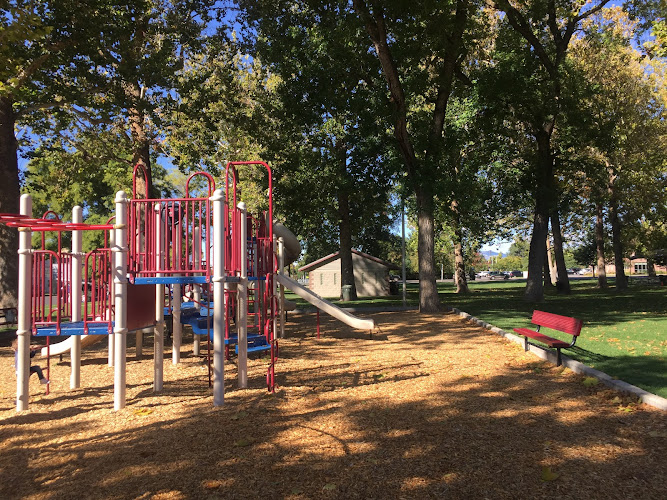
North Park
Find Accommodations Nearby
Recommended Tours & Activities
Visitor Reviews
There are no reviews yet. Be the first one to write one.
Share Your Experience
Have you visited BYU’s Museum of Peoples and Cultures? Help other travelers by leaving a review.