
Museum of Mormon Mexican History
About Museum of Mormon Mexican History
Description
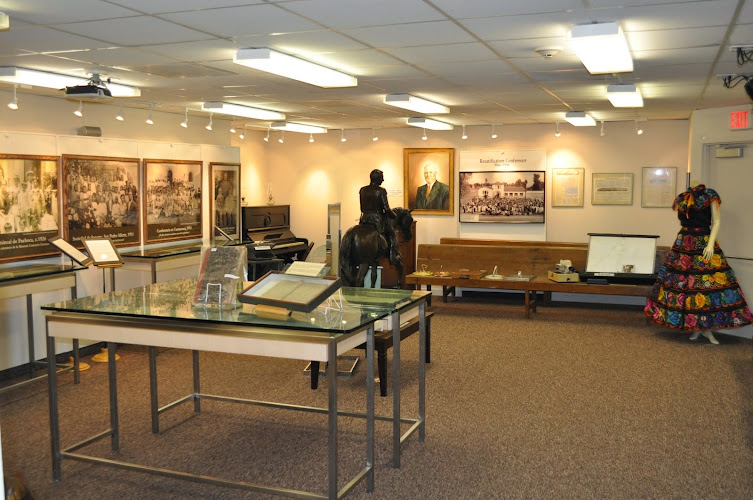
The Museum of Mormon Mexican History stands as a compelling testament to a unique chapter in religious and cultural migration that most people don't even know happened. And honestly, when I first heard about this place, I had to do a double-take myself. The story of Mormon settlers establishing communities in Mexico during the early 20th century is one of those fascinating historical narratives that somehow slipped past most textbooks. This specialized history museum offers visitors an intimate look at the lives, struggles, and triumphs of Mormon colonists who made their way south of the border between the 1880s and early 1900s. What makes this museum particularly engaging is how it doesn't just present dry facts and dates—it brings to life the real human experiences of families who packed up everything they knew and ventured into unfamiliar territory. The museum showcases original artifacts, personal belongings, photographs, and documents that paint a vivid picture of pioneer life in Mexico. Walking through the exhibits, you'll discover how these communities built thriving settlements, established schools, developed agricultural systems, and ultimately contributed to the cultural tapestry of both Mexican and Mormon heritage. The museum serves as an educational resource for anyone interested in migration patterns, religious history, Mexican-American relations, or just good old-fashioned pioneer stories. It's the kind of place where history buffs can spend hours pouring over details while families with children can engage with accessible displays that make the past feel relevant and real.Key Features
The Museum of Mormon Mexican History packs quite a bit into its space, offering visitors several noteworthy experiences:- Comprehensive wheelchair accessibility throughout the entire facility, including entrance ramps, accessible parking spaces, and specially designed restrooms that accommodate all visitors regardless of mobility needs
- Guided tour options led by knowledgeable docents who often have personal connections to the stories being told—some are descendants of the original settlers themselves, which adds an authenticity you just can't manufacture
- Extensive photograph collections documenting daily life in the Mormon colonies, showing everything from wedding celebrations to harvest seasons to the architecture of homes and community buildings
- Original pioneer artifacts including farming tools, household items, clothing, religious texts, and personal journals that survived the journey and subsequent decades
- Interactive displays designed with younger visitors in mind, making the museum genuinely family-friendly rather than just tolerant of kids tagging along
- Documentary materials covering the political and social circumstances that prompted migration, including the challenging period of the Mexican Revolution when many colonists had to flee back to the United States
- Genealogical resources for those researching family connections to the Mormon Mexican colonies—you'd be surprised how many people discover unexpected links to this history
- Clean, well-maintained restroom facilities which might seem like a small thing but trust me, when you're traveling with family it matters more than you'd think
- Educational programming that rotates throughout the year, offering fresh perspectives even for repeat visitors
Best Time to Visit
Here's where things get practical. The museum doesn't really have dramatic seasonal variations like outdoor attractions do, but timing still matters if you want the best experience possible. Weekday mornings tend to offer the most peaceful browsing experience. You'll have more space to examine exhibits at your own pace, and staff members often have more availability to answer questions or share additional stories not covered in the formal displays. I've found that Tuesday through Thursday between 10 AM and noon hits that sweet spot where you're not competing with weekend crowds but the staff is fully engaged and energetic. If you're traveling with school-age children, consider visiting during off-peak school hours to avoid field trip groups. Not that there's anything wrong with enthusiastic students, but if you're hoping for a contemplative museum experience, thirty excited fifth-graders can change the atmosphere considerably. The museum generally experiences lighter traffic during the hotter summer months, which works out nicely if you're looking for climate-controlled activities during peak heat. Winter months can see increased visitor numbers from snowbirds and holiday travelers exploring the area, so plan accordingly if crowds aren't your thing. Special events and temporary exhibitions occasionally draw larger audiences, so checking ahead about the museum's programming calendar can help you either avoid or specifically target these busier periods depending on your preferences. Sometimes those special exhibitions are absolutely worth dealing with a few extra people.How to Get There
Getting to the Museum of Mormon Mexican History requires a bit of intentional navigation, but that's part of what makes visiting feel like a genuine discovery rather than just another tourist trap stop. For those driving, the museum is accessible by car and offers dedicated parking facilities with designated accessible spaces close to the entrance. The parking situation is straightforward without the nightmare of circling blocks looking for spots that plague some urban museums. GPS navigation works reliably for finding the location, though you might want to double-check your route before departing since some mapping applications occasionally route you through less-than-ideal roads. Public transportation options vary depending on your starting point and local transit availability in the specific area. It's worth researching bus routes or other public transit options in advance, as service frequencies can be limited compared to major metropolitan areas. If you're staying at nearby hotels or accommodations, some properties might offer shuttle services or can arrange transportation. Don't hesitate to ask your lodging provider about the most efficient ways to reach the museum—local knowledge often beats what you'll find in generic travel apps. For international visitors or those unfamiliar with the region, renting a car typically provides the most flexibility and convenience. This also lets you explore surrounding areas and historical sites connected to the Mormon Mexican colonies at your own pace.Tips for Visiting
Let me share some practical wisdom gathered from experience and from talking with other visitors who've made the trek to this museum. First off, plan to spend at least two hours here if you're genuinely interested in the subject matter. Yes, you could rush through in forty-five minutes, but you'd be cheating yourself. The museum rewards patient exploration. Some of the most fascinating details are tucked into corners or written in small plaques that hurried visitors completely miss. Bring your reading glasses if you need them. Many historical documents and photographs include detailed captions with small text, and squinting your way through exhibits isn't anyone's idea of a good time. The museum respects its visitors' intelligence by providing substantial information rather than dumbed-down summaries, which means there's actual reading involved. Photography policies are generally permissive, but always verify before snapping pictures. Some artifacts or temporary exhibits might have restrictions. And honestly, put your phone down periodically and just experience things without documenting every single moment. I know, I know, that's rich coming from someone who takes way too many photos, but sometimes the memory in your head is more valuable than the one on your camera roll. If you have any connection—however distant—to Mormon Mexican history, mention it to the staff or tour guides. You'll be amazed at the additional insights and stories that emerge when they know you have a personal stake in the narrative. Museums like this one thrive on those human connections. The museum doesn't have an on-site restaurant, so eat before you arrive or bring snacks if you're traveling with children who get hangry. There are restrooms available, which is essential information for anyone traveling with young kids who have unpredictable bladder schedules. Accessibility features are genuinely thoughtful here, not just checkbox compliance. If anyone in your party has mobility concerns, the museum has gone to considerable lengths to ensure full access to exhibits. Don't hesitate to ask staff about specific accommodations or assistance. Consider purchasing any books or materials available in the gift shop or information area. Supporting small specialized museums helps ensure they continue operating and preserving these important historical narratives. Plus, you'll have something tangible to remember your visit beyond fading memories and smartphone photos. Engage with the tour guides when possible. These folks possess encyclopedic knowledge about the subject matter, and many have personal connections to the history. Ask questions, share your own observations, and treat the visit as a conversation rather than a passive viewing experience. Check whether the museum offers any special programming during your visit. Occasional lectures, presentations, or special exhibitions can significantly enhance your understanding of Mormon Mexican history beyond the permanent collection. Finally, approach your visit with genuine curiosity rather than preconceived notions. The story of Mormon settlement in Mexico challenges simplistic narratives about immigration, religious communities, and cultural exchange. You might leave with more questions than answers, and that's actually a sign of a worthwhile museum experience.Key Features
- Bilingual exhibits in English and Spanish
- Personal artifacts and family memorabilia from Mexican LDS communities
- Photographs and documentary displays tracing Mormon migration to and from Mexico
- Guided tours and educational resources (group reservations available)
- Free admission with donation-supported operations
More Details
Updated March 30, 2026
Table of Contents
Description
The Museum of Mormon Mexican History stands as a compelling testament to a unique chapter in religious and cultural migration that most people don’t even know happened. And honestly, when I first heard about this place, I had to do a double-take myself. The story of Mormon settlers establishing communities in Mexico during the early 20th century is one of those fascinating historical narratives that somehow slipped past most textbooks.
This specialized history museum offers visitors an intimate look at the lives, struggles, and triumphs of Mormon colonists who made their way south of the border between the 1880s and early 1900s. What makes this museum particularly engaging is how it doesn’t just present dry facts and dates—it brings to life the real human experiences of families who packed up everything they knew and ventured into unfamiliar territory. The museum showcases original artifacts, personal belongings, photographs, and documents that paint a vivid picture of pioneer life in Mexico.
Walking through the exhibits, you’ll discover how these communities built thriving settlements, established schools, developed agricultural systems, and ultimately contributed to the cultural tapestry of both Mexican and Mormon heritage. The museum serves as an educational resource for anyone interested in migration patterns, religious history, Mexican-American relations, or just good old-fashioned pioneer stories. It’s the kind of place where history buffs can spend hours pouring over details while families with children can engage with accessible displays that make the past feel relevant and real.
Key Features
The Museum of Mormon Mexican History packs quite a bit into its space, offering visitors several noteworthy experiences:
- Comprehensive wheelchair accessibility throughout the entire facility, including entrance ramps, accessible parking spaces, and specially designed restrooms that accommodate all visitors regardless of mobility needs
- Guided tour options led by knowledgeable docents who often have personal connections to the stories being told—some are descendants of the original settlers themselves, which adds an authenticity you just can’t manufacture
- Extensive photograph collections documenting daily life in the Mormon colonies, showing everything from wedding celebrations to harvest seasons to the architecture of homes and community buildings
- Original pioneer artifacts including farming tools, household items, clothing, religious texts, and personal journals that survived the journey and subsequent decades
- Interactive displays designed with younger visitors in mind, making the museum genuinely family-friendly rather than just tolerant of kids tagging along
- Documentary materials covering the political and social circumstances that prompted migration, including the challenging period of the Mexican Revolution when many colonists had to flee back to the United States
- Genealogical resources for those researching family connections to the Mormon Mexican colonies—you’d be surprised how many people discover unexpected links to this history
- Clean, well-maintained restroom facilities which might seem like a small thing but trust me, when you’re traveling with family it matters more than you’d think
- Educational programming that rotates throughout the year, offering fresh perspectives even for repeat visitors
Best Time to Visit
Here’s where things get practical. The museum doesn’t really have dramatic seasonal variations like outdoor attractions do, but timing still matters if you want the best experience possible.
Weekday mornings tend to offer the most peaceful browsing experience. You’ll have more space to examine exhibits at your own pace, and staff members often have more availability to answer questions or share additional stories not covered in the formal displays. I’ve found that Tuesday through Thursday between 10 AM and noon hits that sweet spot where you’re not competing with weekend crowds but the staff is fully engaged and energetic.
If you’re traveling with school-age children, consider visiting during off-peak school hours to avoid field trip groups. Not that there’s anything wrong with enthusiastic students, but if you’re hoping for a contemplative museum experience, thirty excited fifth-graders can change the atmosphere considerably.
The museum generally experiences lighter traffic during the hotter summer months, which works out nicely if you’re looking for climate-controlled activities during peak heat. Winter months can see increased visitor numbers from snowbirds and holiday travelers exploring the area, so plan accordingly if crowds aren’t your thing.
Special events and temporary exhibitions occasionally draw larger audiences, so checking ahead about the museum’s programming calendar can help you either avoid or specifically target these busier periods depending on your preferences. Sometimes those special exhibitions are absolutely worth dealing with a few extra people.
How to Get There
Getting to the Museum of Mormon Mexican History requires a bit of intentional navigation, but that’s part of what makes visiting feel like a genuine discovery rather than just another tourist trap stop.
For those driving, the museum is accessible by car and offers dedicated parking facilities with designated accessible spaces close to the entrance. The parking situation is straightforward without the nightmare of circling blocks looking for spots that plague some urban museums. GPS navigation works reliably for finding the location, though you might want to double-check your route before departing since some mapping applications occasionally route you through less-than-ideal roads.
Public transportation options vary depending on your starting point and local transit availability in the specific area. It’s worth researching bus routes or other public transit options in advance, as service frequencies can be limited compared to major metropolitan areas.
If you’re staying at nearby hotels or accommodations, some properties might offer shuttle services or can arrange transportation. Don’t hesitate to ask your lodging provider about the most efficient ways to reach the museum—local knowledge often beats what you’ll find in generic travel apps.
For international visitors or those unfamiliar with the region, renting a car typically provides the most flexibility and convenience. This also lets you explore surrounding areas and historical sites connected to the Mormon Mexican colonies at your own pace.
Tips for Visiting
Let me share some practical wisdom gathered from experience and from talking with other visitors who’ve made the trek to this museum.
First off, plan to spend at least two hours here if you’re genuinely interested in the subject matter. Yes, you could rush through in forty-five minutes, but you’d be cheating yourself. The museum rewards patient exploration. Some of the most fascinating details are tucked into corners or written in small plaques that hurried visitors completely miss.
Bring your reading glasses if you need them. Many historical documents and photographs include detailed captions with small text, and squinting your way through exhibits isn’t anyone’s idea of a good time. The museum respects its visitors’ intelligence by providing substantial information rather than dumbed-down summaries, which means there’s actual reading involved.
Photography policies are generally permissive, but always verify before snapping pictures. Some artifacts or temporary exhibits might have restrictions. And honestly, put your phone down periodically and just experience things without documenting every single moment. I know, I know, that’s rich coming from someone who takes way too many photos, but sometimes the memory in your head is more valuable than the one on your camera roll.
If you have any connection—however distant—to Mormon Mexican history, mention it to the staff or tour guides. You’ll be amazed at the additional insights and stories that emerge when they know you have a personal stake in the narrative. Museums like this one thrive on those human connections.
The museum doesn’t have an on-site restaurant, so eat before you arrive or bring snacks if you’re traveling with children who get hangry. There are restrooms available, which is essential information for anyone traveling with young kids who have unpredictable bladder schedules.
Accessibility features are genuinely thoughtful here, not just checkbox compliance. If anyone in your party has mobility concerns, the museum has gone to considerable lengths to ensure full access to exhibits. Don’t hesitate to ask staff about specific accommodations or assistance.
Consider purchasing any books or materials available in the gift shop or information area. Supporting small specialized museums helps ensure they continue operating and preserving these important historical narratives. Plus, you’ll have something tangible to remember your visit beyond fading memories and smartphone photos.
Engage with the tour guides when possible. These folks possess encyclopedic knowledge about the subject matter, and many have personal connections to the history. Ask questions, share your own observations, and treat the visit as a conversation rather than a passive viewing experience.
Check whether the museum offers any special programming during your visit. Occasional lectures, presentations, or special exhibitions can significantly enhance your understanding of Mormon Mexican history beyond the permanent collection.
Finally, approach your visit with genuine curiosity rather than preconceived notions. The story of Mormon settlement in Mexico challenges simplistic narratives about immigration, religious communities, and cultural exchange. You might leave with more questions than answers, and that’s actually a sign of a worthwhile museum experience.
Key Highlights
- Bilingual exhibits in English and Spanish
- Personal artifacts and family memorabilia from Mexican LDS communities
- Photographs and documentary displays tracing Mormon migration to and from Mexico
- Guided tours and educational resources (group reservations available)
- Free admission with donation-supported operations
Location
Places to Stay Near Museum of Mormon Mexican History
Find and Book a Tour
Explore More Travel Guides
No reviews found! Be the first to review!
Museum of Mormon Mexican History is a prominent museums located in Provo.
Visit us at: 1501 N Canyon Rd, Provo, UT 84604 アメリカ合衆国.
Traveler Reviews for Museum of Mormon Mexican History
There are no reviews yet. Be the first one to write one.
Have you visited Museum of Mormon Mexican History? Help other travelers by sharing your review.
Nearby Attractions
You Might Also Like

Brigham Young University Museum of Art (MOA)
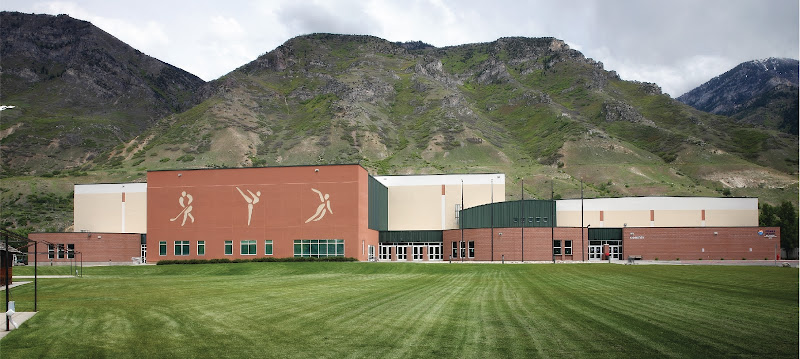
Peaks Ice Arena
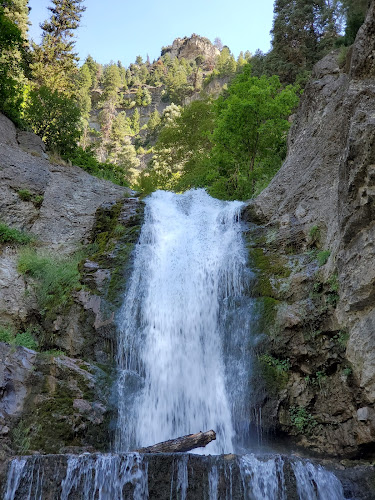
Upper Falls Park
Find Accommodations Nearby
Recommended Tours & Activities
Visitor Reviews
There are no reviews yet. Be the first one to write one.
Share Your Experience
Have you visited Museum of Mormon Mexican History? Help other travelers by leaving a review.