

Johor Sultan Gardens
About Johor Sultan Gardens
Description
The Johor Sultan Gardens presents an interesting case study in Malaysian green spaces, and I'll be straight with you - this isn't your typical must-see tourist attraction that'll blow your mind. It's a public park that serves the local community primarily, and visitor experiences have been decidedly mixed over the years. When you're planning your trip to Johor Bahru, it's worth knowing exactly what you're getting into here. What makes this place worth discussing is its position as a public green space in a rapidly developing urban area. The gardens offer a glimpse into everyday Malaysian life rather than the polished tourist experience you might find at more commercialized attractions. And honestly? Sometimes that's exactly what travelers need - a break from the constant hustle of checking off bucket list items. The park sits in Johor Bahru, and while it carries the prestigious "Sultan" name, visitors should manage their expectations accordingly. This is primarily a local recreational area where families bring their kids to play, residents come for morning walks, and people seek out shaded spots during the intense Malaysian heat. I've found that the most authentic travel experiences often come from these less-glamorous locations where real life happens. The condition and upkeep of the gardens has fluctuated over time, which is something any potential visitor should know upfront. Some periods see better maintenance than others, and this directly impacts the overall experience. But that's the reality of public spaces in many Southeast Asian cities - they're living, breathing areas that reflect the priorities and resources of the moment.Key Features
The Johor Sultan Gardens offers several elements that travelers with specific interests might appreciate: • Open green spaces suitable for casual walks and light outdoor activities when weather permits • Shaded areas that provide respite from Malaysia's tropical heat, though coverage varies throughout the park • Child-friendly environment with areas designated for younger visitors to play and explore safely • Local community atmosphere that gives international visitors authentic insight into Malaysian daily life • Public accessibility that doesn't require entrance fees, making it budget-friendly for travelers watching their expenses • Relatively quiet environment compared to shopping malls and commercial tourist attractions in the area • Opportunities for people-watching and observing local recreational habits and social patterns • Basic park amenities that support casual visits, though facilities may not match international standards • Potential for photography capturing everyday Malaysian life rather than staged tourist moments • Space for joggers and walkers who want outdoor exercise options during their stayBest Time to Visit
Timing your visit to the Johor Sultan Gardens requires understanding Malaysia's tropical climate and local usage patterns. The early morning hours between 6:30 AM and 9:00 AM tend to work best for most travelers. You'll catch the park at its most active with local joggers, tai chi practitioners, and families before the day heats up. And let me tell you, once that Malaysian sun gets going, you'll understand why timing matters. Late afternoons around 5:00 PM onwards can also be pleasant, especially on weekdays when the park sees fewer crowds. The harsh midday heat makes visits between 11:00 AM and 3:00 PM pretty uncomfortable unless you're specifically seeking shade and don't plan much walking around. Weather-wise, Malaysia's dry season generally runs from March through October, though Johor's location means rainfall can happen year-round. The monsoon months of November through February bring heavier rains that can impact your park experience significantly. Nothing ruins a peaceful garden stroll quite like a sudden tropical downpour - trust me on this one. Weekdays typically offer a more relaxed atmosphere compared to weekends when local families descend on the park. If you're seeking tranquility and fewer people in your photos, plan for Tuesday through Thursday mornings. Weekends bring a completely different energy with more children, families having picnics, and general activity throughout the grounds. I'd suggest avoiding Malaysian school holidays and major festivals when the park sees increased local usage. The first few weeks of June and December can get particularly busy as families seek free activities for their kids.How to Get There
Getting to Johor Sultan Gardens requires navigating Johor Bahru's transportation network, which honestly works better some days than others. The park's location within the city makes it accessible through multiple methods, though each comes with its own considerations. Grab (Southeast Asia's equivalent to Uber) remains the most straightforward option for travelers unfamiliar with the area. The app works reliably in Johor Bahru, drivers generally know the location, and fares remain reasonable by international standards. You can request a ride directly to the gardens without worrying about language barriers or complex directions. Just make sure you've got the exact location pin saved in your app because "Sultan Gardens" might pull up multiple results. Local taxis are available but can be hit-or-miss regarding meter usage and pricing transparency. If you're going this route, insist on the meter or agree on the fare before starting your journey. Some drivers try to charge fixed rates to tourists that significantly exceed metered fares. Public buses serve the general area, though routes and schedules can be confusing for first-time visitors. The local bus system isn't particularly tourist-friendly with limited English signage and announcements. If you're adventurous and want the authentic local experience, ask your hotel staff which specific bus numbers stop nearest the gardens. For travelers staying in Singapore, the cross-border journey adds complexity. You'll need to clear immigration at either the Causeway or Second Link, then arrange onward transportation to the gardens. This typically takes 1-2 hours minimum depending on border wait times. Honestly, unless you're already planning to spend significant time in Johor Bahru, the Sultan Gardens alone probably doesn't justify the border crossing hassle. Driving yourself is possible if you've rented a car, though parking availability varies. The park has some designated parking areas, but spaces fill up during peak times. Navigate using Waze or Google Maps, which both work well in Malaysia.Tips for Visiting
Let me share some practical advice that'll help you make the most of your visit to Johor Sultan Gardens - the kind of stuff guidebooks often skip over. Bring plenty of water and stay hydrated throughout your visit. Malaysia's humidity is no joke, and even short walks can leave you surprisingly thirsty. There might not be convenient water fountains or vendors immediately available, so come prepared. Wear appropriate footwear for walking on potentially uneven pathways. Fancy sandals or flip-flops might seem practical in the heat, but sturdy walking shoes serve you better if you plan to explore the grounds properly. I learned this the hard way during a visit to a similar park where roots and uneven concrete made me regret my footwear choices. Apply mosquito repellent before your visit and bring extra for reapplication. Tropical parks mean tropical insects, and Malaysian mosquitoes don't discriminate between locals and tourists. DEET-based repellents work most effectively in this climate. Set realistic expectations about facilities and cleanliness. This is a public park that serves local needs first and tourist desires second. Restroom facilities may not meet international hotel standards. Bring hand sanitizer and tissues just in case. Visit with a flexible mindset and don't make this your only planned activity for the day. Since the park's condition can vary, having backup plans nearby ensures your day isn't wasted if the gardens don't meet your expectations. Johor Bahru offers plenty of shopping malls, restaurants, and other attractions within short distances. Respect local customs and behaviors while visiting. You'll likely encounter Muslim families, and dressing modestly (covering shoulders and knees) shows cultural awareness even though the park is public and not religiously affiliated. Watch how locals interact with the space and follow their lead. Bring cash for any nearby food stalls or vendors operating around the park perimeter. Card payment infrastructure isn't guaranteed at small local operations, and having small bills (RM10 and below) makes transactions smoother. Photography enthusiasts should focus on candid moments of local life rather than expecting Instagram-worthy landscaping or architectural features. The real story here is people using public space, not manicured gardens or impressive structures. Consider combining your visit with other Johor Bahru attractions to maximize your time. The gardens work well as a brief morning stop before heading to shopping districts or cultural sites rather than serving as a half-day destination on their own. If you're traveling with children, manage their expectations beforehand. While the park is kid-friendly, playground equipment and facilities may differ significantly from what Western children encounter at home. Frame it as an adventure in experiencing how Malaysian kids play. Check current conditions with hotel staff or recent online reviews before making the trip. Since maintenance levels fluctuate, getting up-to-date information helps you decide if the park warrants your limited vacation time on that particular day.Key Features
- Key Features
- Best Time to Visit
- How to Get There
- Tips for Visiting
More Details
Updated March 30, 2026
Table of Contents
Description
The Johor Sultan Gardens presents an interesting case study in Malaysian green spaces, and I’ll be straight with you – this isn’t your typical must-see tourist attraction that’ll blow your mind. It’s a public park that serves the local community primarily, and visitor experiences have been decidedly mixed over the years. When you’re planning your trip to Johor Bahru, it’s worth knowing exactly what you’re getting into here.
What makes this place worth discussing is its position as a public green space in a rapidly developing urban area. The gardens offer a glimpse into everyday Malaysian life rather than the polished tourist experience you might find at more commercialized attractions. And honestly? Sometimes that’s exactly what travelers need – a break from the constant hustle of checking off bucket list items.
The park sits in Johor Bahru, and while it carries the prestigious “Sultan” name, visitors should manage their expectations accordingly. This is primarily a local recreational area where families bring their kids to play, residents come for morning walks, and people seek out shaded spots during the intense Malaysian heat. I’ve found that the most authentic travel experiences often come from these less-glamorous locations where real life happens.
The condition and upkeep of the gardens has fluctuated over time, which is something any potential visitor should know upfront. Some periods see better maintenance than others, and this directly impacts the overall experience. But that’s the reality of public spaces in many Southeast Asian cities – they’re living, breathing areas that reflect the priorities and resources of the moment.
Key Features
The Johor Sultan Gardens offers several elements that travelers with specific interests might appreciate:
• Open green spaces suitable for casual walks and light outdoor activities when weather permits
• Shaded areas that provide respite from Malaysia’s tropical heat, though coverage varies throughout the park
• Child-friendly environment with areas designated for younger visitors to play and explore safely
• Local community atmosphere that gives international visitors authentic insight into Malaysian daily life
• Public accessibility that doesn’t require entrance fees, making it budget-friendly for travelers watching their expenses
• Relatively quiet environment compared to shopping malls and commercial tourist attractions in the area
• Opportunities for people-watching and observing local recreational habits and social patterns
• Basic park amenities that support casual visits, though facilities may not match international standards
• Potential for photography capturing everyday Malaysian life rather than staged tourist moments
• Space for joggers and walkers who want outdoor exercise options during their stay
Best Time to Visit
Timing your visit to the Johor Sultan Gardens requires understanding Malaysia’s tropical climate and local usage patterns. The early morning hours between 6:30 AM and 9:00 AM tend to work best for most travelers. You’ll catch the park at its most active with local joggers, tai chi practitioners, and families before the day heats up. And let me tell you, once that Malaysian sun gets going, you’ll understand why timing matters.
Late afternoons around 5:00 PM onwards can also be pleasant, especially on weekdays when the park sees fewer crowds. The harsh midday heat makes visits between 11:00 AM and 3:00 PM pretty uncomfortable unless you’re specifically seeking shade and don’t plan much walking around.
Weather-wise, Malaysia’s dry season generally runs from March through October, though Johor’s location means rainfall can happen year-round. The monsoon months of November through February bring heavier rains that can impact your park experience significantly. Nothing ruins a peaceful garden stroll quite like a sudden tropical downpour – trust me on this one.
Weekdays typically offer a more relaxed atmosphere compared to weekends when local families descend on the park. If you’re seeking tranquility and fewer people in your photos, plan for Tuesday through Thursday mornings. Weekends bring a completely different energy with more children, families having picnics, and general activity throughout the grounds.
I’d suggest avoiding Malaysian school holidays and major festivals when the park sees increased local usage. The first few weeks of June and December can get particularly busy as families seek free activities for their kids.
How to Get There
Getting to Johor Sultan Gardens requires navigating Johor Bahru’s transportation network, which honestly works better some days than others. The park’s location within the city makes it accessible through multiple methods, though each comes with its own considerations.
Grab (Southeast Asia’s equivalent to Uber) remains the most straightforward option for travelers unfamiliar with the area. The app works reliably in Johor Bahru, drivers generally know the location, and fares remain reasonable by international standards. You can request a ride directly to the gardens without worrying about language barriers or complex directions. Just make sure you’ve got the exact location pin saved in your app because “Sultan Gardens” might pull up multiple results.
Local taxis are available but can be hit-or-miss regarding meter usage and pricing transparency. If you’re going this route, insist on the meter or agree on the fare before starting your journey. Some drivers try to charge fixed rates to tourists that significantly exceed metered fares.
Public buses serve the general area, though routes and schedules can be confusing for first-time visitors. The local bus system isn’t particularly tourist-friendly with limited English signage and announcements. If you’re adventurous and want the authentic local experience, ask your hotel staff which specific bus numbers stop nearest the gardens.
For travelers staying in Singapore, the cross-border journey adds complexity. You’ll need to clear immigration at either the Causeway or Second Link, then arrange onward transportation to the gardens. This typically takes 1-2 hours minimum depending on border wait times. Honestly, unless you’re already planning to spend significant time in Johor Bahru, the Sultan Gardens alone probably doesn’t justify the border crossing hassle.
Driving yourself is possible if you’ve rented a car, though parking availability varies. The park has some designated parking areas, but spaces fill up during peak times. Navigate using Waze or Google Maps, which both work well in Malaysia.
Tips for Visiting
Let me share some practical advice that’ll help you make the most of your visit to Johor Sultan Gardens – the kind of stuff guidebooks often skip over.
Bring plenty of water and stay hydrated throughout your visit. Malaysia’s humidity is no joke, and even short walks can leave you surprisingly thirsty. There might not be convenient water fountains or vendors immediately available, so come prepared.
Wear appropriate footwear for walking on potentially uneven pathways. Fancy sandals or flip-flops might seem practical in the heat, but sturdy walking shoes serve you better if you plan to explore the grounds properly. I learned this the hard way during a visit to a similar park where roots and uneven concrete made me regret my footwear choices.
Apply mosquito repellent before your visit and bring extra for reapplication. Tropical parks mean tropical insects, and Malaysian mosquitoes don’t discriminate between locals and tourists. DEET-based repellents work most effectively in this climate.
Set realistic expectations about facilities and cleanliness. This is a public park that serves local needs first and tourist desires second. Restroom facilities may not meet international hotel standards. Bring hand sanitizer and tissues just in case.
Visit with a flexible mindset and don’t make this your only planned activity for the day. Since the park’s condition can vary, having backup plans nearby ensures your day isn’t wasted if the gardens don’t meet your expectations. Johor Bahru offers plenty of shopping malls, restaurants, and other attractions within short distances.
Respect local customs and behaviors while visiting. You’ll likely encounter Muslim families, and dressing modestly (covering shoulders and knees) shows cultural awareness even though the park is public and not religiously affiliated. Watch how locals interact with the space and follow their lead.
Bring cash for any nearby food stalls or vendors operating around the park perimeter. Card payment infrastructure isn’t guaranteed at small local operations, and having small bills (RM10 and below) makes transactions smoother.
Photography enthusiasts should focus on candid moments of local life rather than expecting Instagram-worthy landscaping or architectural features. The real story here is people using public space, not manicured gardens or impressive structures.
Consider combining your visit with other Johor Bahru attractions to maximize your time. The gardens work well as a brief morning stop before heading to shopping districts or cultural sites rather than serving as a half-day destination on their own.
If you’re traveling with children, manage their expectations beforehand. While the park is kid-friendly, playground equipment and facilities may differ significantly from what Western children encounter at home. Frame it as an adventure in experiencing how Malaysian kids play.
Check current conditions with hotel staff or recent online reviews before making the trip. Since maintenance levels fluctuate, getting up-to-date information helps you decide if the park warrants your limited vacation time on that particular day.
Key Highlights
- Key Features
- Best Time to Visit
- How to Get There
- Tips for Visiting
Location
Places to Stay Near Johor Sultan Gardens
Find and Book a Tour
Explore More Travel Guides
No reviews found! Be the first to review!
Johor Sultan Gardens is a prominent attractions located in Johor Bahru.
Visit us at: Jalan Bukit Zaharah, Taman Istana, 80000 Johor Bahru, Johor, Malaysia.
Traveler Reviews for Johor Sultan Gardens
There are no reviews yet. Be the first one to write one.
Have you visited Johor Sultan Gardens? Help other travelers by sharing your review.
You Might Also Like
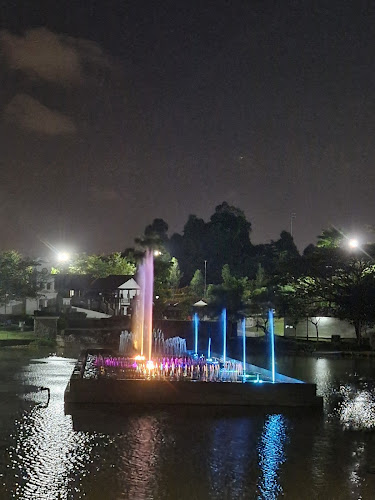
Taman Merdeka Musical Fountain
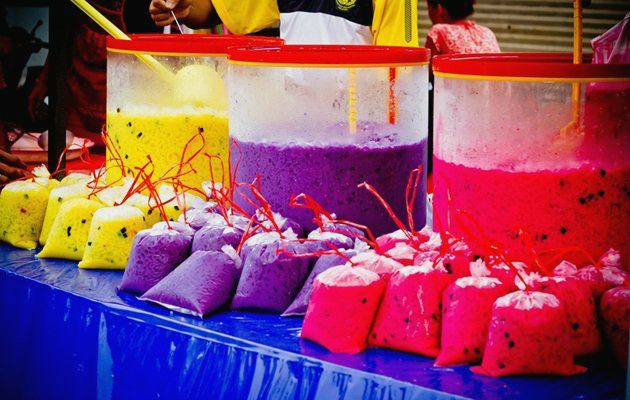
SINGGAH BELI AIR BRO

Petrosains PlaySmart Johor Bahru
Find Accommodations Nearby
Recommended Tours & Activities
Visitor Reviews
There are no reviews yet. Be the first one to write one.
Share Your Experience
Have you visited Johor Sultan Gardens? Help other travelers by leaving a review.