
BYU Museum of Paleontology
About BYU Museum of Paleontology
Description
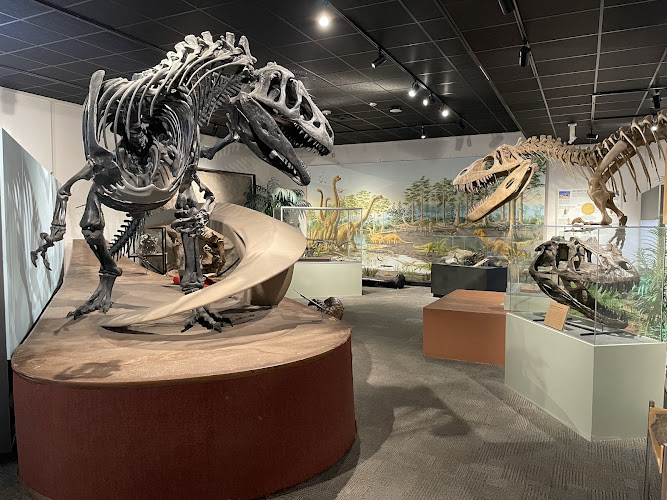
The BYU Museum of Paleontology offers visitors a fascinating journey through millions of years of prehistoric life right in the heart of Provo, Utah. I've always found that smaller university museums have this wonderful charm about them – they're not trying to be flashy or overwhelming, just genuinely interested in sharing knowledge. And this place really embodies that spirit. Unlike some of the massive natural history museums you might've visited in major cities, this museum operates as both a research institute and a public attraction, which gives it a unique character. The collection focuses heavily on fossils from the Intermountain West region, meaning you're seeing specimens that were actually discovered relatively nearby. There's something special about viewing fossils that came from the ground you're standing on, you know? The museum houses an impressive array of rock formations and dinosaur fossils that tell the story of prehistoric animal and plant life. What strikes most visitors first is how accessible everything feels. This isn't a stuffy, hands-off kind of place where you feel like you're intruding on something sacred. The displays are designed with education in mind, and the staff – many of whom are students working on actual paleontology research – genuinely love talking about the specimens. Operated by Brigham Young University's Department of Geological Sciences, the museum benefits from ongoing research and discoveries. That means exhibits get updated, new finds make their way into displays, and there's always a sense that you're seeing living science rather than just looking at old bones behind glass. The educational programs offered here go beyond simple museum tours, diving into the actual processes of how scientists study prehistoric life.Key Features
The BYU Museum of Paleontology packs quite a bit into its space, and here's what makes it worth your time:- Extensive Fossil Collection: The museum displays thousands of specimens, including complete and partial dinosaur skeletons, marine reptiles, and ancient plant fossils. You'll find everything from tiny trilobites to massive dinosaur bones that'll make you feel wonderfully insignificant.
- Regional Focus: The collection emphasizes fossils discovered in Utah and the surrounding Intermountain West area. This regional approach gives you a real sense of what creatures roamed this exact landscape millions of years ago – pretty wild when you step outside and see modern Provo.
- Research Integration: Because it's an active research facility, you might catch glimpses of actual paleontological work happening. Students and researchers prepare fossils and conduct studies right there, which adds an authentic dimension you won't find at many museums.
- Educational Programs: The museum offers various programs focused on prehistoric life, suitable for different age groups and knowledge levels. These aren't just basic tours but actual educational experiences that dig into scientific concepts.
- Theater Presentations: An onsite theater provides educational films and presentations about paleontology, ancient ecosystems, and the geological history of the region. These presentations help contextualize what you're seeing in the exhibits.
- Wheelchair Accessibility: The facility is fully accessible with wheelchair-friendly entrances, parking, and restrooms. The museum clearly takes universal access seriously, which unfortunately still isn't standard everywhere.
- Family-Friendly Environment: The museum excels at engaging children without dumbing down the science. Kids can get excited about dinosaurs while actually learning real paleontology concepts – a balance many museums struggle with.
- Free Admission: Yeah, you read that right. The museum doesn't charge admission, which is increasingly rare and makes it accessible to everyone regardless of budget.
- Free Parking: Onsite parking won't cost you anything either, eliminating that annoying surprise expense that can sour a museum visit.
Best Time to Visit
Timing your visit to the BYU Museum of Paleontology can make a significant difference in your experience, though honestly, any time works if you're flexible. The museum tends to be quietest on weekday mornings, particularly during university class times when students are occupied elsewhere on campus. If you prefer a more contemplative, less crowded experience where you can really study the displays at your own pace, aim for Tuesday through Thursday mornings. I've found that getting to museums right when they open gives you that magical feeling of having the place almost to yourself. But here's the thing – weekends and afternoons definitely bring more families with children, and if you're traveling with kids yourself, this might actually be better. There's an energy that comes with other excited children that can be contagious, and your own kids might feel more comfortable asking questions when they see other families doing the same. Summer months see increased traffic from tourists and local families looking for indoor activities during the heat. The museum provides a welcome air-conditioned break from Utah's summer sun, making it a popular choice from June through August. However, the crowds rarely reach overwhelming levels because the museum isn't as widely known as some other regional attractions. During the academic year, you might catch special lectures, presentations, or even glimpse researchers actively working on specimens. The university's schedule influences the museum's rhythm, so visiting during fall or spring semesters can offer these unexpected bonuses. However, avoid university holidays when the entire campus might be quieter and some services reduced. Weather-wise, the museum provides a perfect rainy day activity. Utah does get occasional storms, and having this option in your back pocket when outdoor plans get derailed is clutch. Winter visits work wonderfully too, especially since parking right onsite means minimal exposure to cold weather.How to Get There
The BYU Museum of Paleontology sits on the Brigham Young University campus in Provo, making it accessible by various transportation methods depending on where you're coming from. If you're driving from Salt Lake City, take Interstate 15 southbound for about 45 miles – roughly 50 minutes without traffic, though rush hour can stretch that considerably. From the south, I-15 northbound brings you up from Spanish Fork or other southern Utah destinations. Take the appropriate Provo exit and follow signs toward BYU campus. The university is well-marked, and campus maps are available at various points. Once on campus, navigate to the Eyring Science Center, which houses the museum. Onsite parking is available and free, which removes that stressful hunting-for-parking experience. Campus parking can occasionally get tight during peak academic times, but the museum's location typically has decent availability. For travelers using public transportation, Utah Transit Authority (UTA) buses service the Provo area and have stops near BYU campus. The FrontRunner commuter train connects Salt Lake City to Provo, though you'll need to transfer to a local bus to reach campus itself. This option works well if you're staying in Salt Lake and don't have a rental car. If you're flying into the region, Salt Lake City International Airport is your closest major airport. From there, renting a car gives you the most flexibility, though shuttle services and ride-sharing apps also operate between Salt Lake and Provo. The campus itself is pretty easy to navigate once you're there, though it's definitely a sprawling university. Don't hesitate to ask students for directions – they're generally friendly and helpful. Campus security can also assist if you're truly turned around.Tips for Visiting
Making the most of your time at the BYU Museum of Paleontology requires a bit of planning, though not as much as larger museums demand. First off, bring your curiosity and don't be shy about asking questions. The people working here – whether staff or student volunteers – genuinely love talking about paleontology. I've seen visitors hesitate to engage, worried they'll ask something stupid, but trust me, there are no dumb questions when you're learning about 65-million-year-old fossils. The staff appreciates genuine interest. Plan for about an hour to two hours depending on your interest level. If you're just casually interested, an hour covers the highlights. But if you or your kids are serious dinosaur enthusiasts, budget two hours to really absorb everything. The museum isn't enormous, but there's substantial information to process. Bring a camera – photography is allowed, and these specimens photograph beautifully. Natural lighting from windows can create some challenges, so don't be afraid to adjust your angles. Kids especially love taking photos to share later or use for school projects. The museum offers Wi-Fi, which comes in handy if you want to look up additional information about specimens while viewing them. I sometimes do quick searches on my phone to go deeper into topics that catch my interest. This self-directed learning approach really enhances the experience. Restrooms are available onsite and are wheelchair accessible. There's no restaurant in the museum itself, so plan accordingly. The BYU campus has various food options if you're hungry, or you might combine your museum visit with exploring downtown Provo's restaurant scene. For families with young children, bring something small to keep toddlers occupied if needed. While the museum is kid-friendly, very young children might have shorter attention spans. Many parents find success by letting kids lead the visit, stopping at whatever catches their eye rather than trying to see everything systematically. Check whether any special programs or presentations are scheduled during your visit. The theater offerings can really enhance understanding, but they run at specific times. A quick call ahead or checking online can help you coordinate. Dress comfortably – you'll be standing and walking, though not excessively. The museum maintains a comfortable temperature year-round. Wear shoes you can stand in for an hour or two. If you're visiting during the academic year, you might encounter student groups or classes using the museum for educational purposes. Don't let this discourage you – it actually adds to the authentic educational atmosphere. Plus, overhearing a professor explain something to students can provide free bonus information. Finally, remember this is a working research facility. While public areas are clearly marked, respect any restricted areas. The fact that real scientific work happens here is part of what makes the museum special, so supporting that mission by following guidelines ensures it remains accessible to visitors. Consider combining your museum visit with exploring the broader BYU campus, which has attractive grounds and other points of interest. Making a half-day or full-day outing of it rather than rushing in and out maximizes your travel time and effort getting there.Key Features
- Extensive collection of Jurassic-era fossils and local Utah specimens
- Specimens curated and prepared by BYU faculty and students
- Educational displays that connect fieldwork, research, and teaching
- Accessible, intimate museum layout ideal for close-up viewing
- Adjacent collections/research areas showcasing behind-the-scenes work
More Details
Updated March 30, 2026
Table of Contents
Description
The BYU Museum of Paleontology offers visitors a fascinating journey through millions of years of prehistoric life right in the heart of Provo, Utah. I’ve always found that smaller university museums have this wonderful charm about them – they’re not trying to be flashy or overwhelming, just genuinely interested in sharing knowledge. And this place really embodies that spirit.
Unlike some of the massive natural history museums you might’ve visited in major cities, this museum operates as both a research institute and a public attraction, which gives it a unique character. The collection focuses heavily on fossils from the Intermountain West region, meaning you’re seeing specimens that were actually discovered relatively nearby. There’s something special about viewing fossils that came from the ground you’re standing on, you know?
The museum houses an impressive array of rock formations and dinosaur fossils that tell the story of prehistoric animal and plant life. What strikes most visitors first is how accessible everything feels. This isn’t a stuffy, hands-off kind of place where you feel like you’re intruding on something sacred. The displays are designed with education in mind, and the staff – many of whom are students working on actual paleontology research – genuinely love talking about the specimens.
Operated by Brigham Young University’s Department of Geological Sciences, the museum benefits from ongoing research and discoveries. That means exhibits get updated, new finds make their way into displays, and there’s always a sense that you’re seeing living science rather than just looking at old bones behind glass. The educational programs offered here go beyond simple museum tours, diving into the actual processes of how scientists study prehistoric life.
Key Features
The BYU Museum of Paleontology packs quite a bit into its space, and here’s what makes it worth your time:
- Extensive Fossil Collection: The museum displays thousands of specimens, including complete and partial dinosaur skeletons, marine reptiles, and ancient plant fossils. You’ll find everything from tiny trilobites to massive dinosaur bones that’ll make you feel wonderfully insignificant.
- Regional Focus: The collection emphasizes fossils discovered in Utah and the surrounding Intermountain West area. This regional approach gives you a real sense of what creatures roamed this exact landscape millions of years ago – pretty wild when you step outside and see modern Provo.
- Research Integration: Because it’s an active research facility, you might catch glimpses of actual paleontological work happening. Students and researchers prepare fossils and conduct studies right there, which adds an authentic dimension you won’t find at many museums.
- Educational Programs: The museum offers various programs focused on prehistoric life, suitable for different age groups and knowledge levels. These aren’t just basic tours but actual educational experiences that dig into scientific concepts.
- Theater Presentations: An onsite theater provides educational films and presentations about paleontology, ancient ecosystems, and the geological history of the region. These presentations help contextualize what you’re seeing in the exhibits.
- Wheelchair Accessibility: The facility is fully accessible with wheelchair-friendly entrances, parking, and restrooms. The museum clearly takes universal access seriously, which unfortunately still isn’t standard everywhere.
- Family-Friendly Environment: The museum excels at engaging children without dumbing down the science. Kids can get excited about dinosaurs while actually learning real paleontology concepts – a balance many museums struggle with.
- Free Admission: Yeah, you read that right. The museum doesn’t charge admission, which is increasingly rare and makes it accessible to everyone regardless of budget.
- Free Parking: Onsite parking won’t cost you anything either, eliminating that annoying surprise expense that can sour a museum visit.
Best Time to Visit
Timing your visit to the BYU Museum of Paleontology can make a significant difference in your experience, though honestly, any time works if you’re flexible.
The museum tends to be quietest on weekday mornings, particularly during university class times when students are occupied elsewhere on campus. If you prefer a more contemplative, less crowded experience where you can really study the displays at your own pace, aim for Tuesday through Thursday mornings. I’ve found that getting to museums right when they open gives you that magical feeling of having the place almost to yourself.
But here’s the thing – weekends and afternoons definitely bring more families with children, and if you’re traveling with kids yourself, this might actually be better. There’s an energy that comes with other excited children that can be contagious, and your own kids might feel more comfortable asking questions when they see other families doing the same.
Summer months see increased traffic from tourists and local families looking for indoor activities during the heat. The museum provides a welcome air-conditioned break from Utah’s summer sun, making it a popular choice from June through August. However, the crowds rarely reach overwhelming levels because the museum isn’t as widely known as some other regional attractions.
During the academic year, you might catch special lectures, presentations, or even glimpse researchers actively working on specimens. The university’s schedule influences the museum’s rhythm, so visiting during fall or spring semesters can offer these unexpected bonuses. However, avoid university holidays when the entire campus might be quieter and some services reduced.
Weather-wise, the museum provides a perfect rainy day activity. Utah does get occasional storms, and having this option in your back pocket when outdoor plans get derailed is clutch. Winter visits work wonderfully too, especially since parking right onsite means minimal exposure to cold weather.
How to Get There
The BYU Museum of Paleontology sits on the Brigham Young University campus in Provo, making it accessible by various transportation methods depending on where you’re coming from.
If you’re driving from Salt Lake City, take Interstate 15 southbound for about 45 miles – roughly 50 minutes without traffic, though rush hour can stretch that considerably. From the south, I-15 northbound brings you up from Spanish Fork or other southern Utah destinations. Take the appropriate Provo exit and follow signs toward BYU campus. The university is well-marked, and campus maps are available at various points.
Once on campus, navigate to the Eyring Science Center, which houses the museum. Onsite parking is available and free, which removes that stressful hunting-for-parking experience. Campus parking can occasionally get tight during peak academic times, but the museum’s location typically has decent availability.
For travelers using public transportation, Utah Transit Authority (UTA) buses service the Provo area and have stops near BYU campus. The FrontRunner commuter train connects Salt Lake City to Provo, though you’ll need to transfer to a local bus to reach campus itself. This option works well if you’re staying in Salt Lake and don’t have a rental car.
If you’re flying into the region, Salt Lake City International Airport is your closest major airport. From there, renting a car gives you the most flexibility, though shuttle services and ride-sharing apps also operate between Salt Lake and Provo.
The campus itself is pretty easy to navigate once you’re there, though it’s definitely a sprawling university. Don’t hesitate to ask students for directions – they’re generally friendly and helpful. Campus security can also assist if you’re truly turned around.
Tips for Visiting
Making the most of your time at the BYU Museum of Paleontology requires a bit of planning, though not as much as larger museums demand.
First off, bring your curiosity and don’t be shy about asking questions. The people working here – whether staff or student volunteers – genuinely love talking about paleontology. I’ve seen visitors hesitate to engage, worried they’ll ask something stupid, but trust me, there are no dumb questions when you’re learning about 65-million-year-old fossils. The staff appreciates genuine interest.
Plan for about an hour to two hours depending on your interest level. If you’re just casually interested, an hour covers the highlights. But if you or your kids are serious dinosaur enthusiasts, budget two hours to really absorb everything. The museum isn’t enormous, but there’s substantial information to process.
Bring a camera – photography is allowed, and these specimens photograph beautifully. Natural lighting from windows can create some challenges, so don’t be afraid to adjust your angles. Kids especially love taking photos to share later or use for school projects.
The museum offers Wi-Fi, which comes in handy if you want to look up additional information about specimens while viewing them. I sometimes do quick searches on my phone to go deeper into topics that catch my interest. This self-directed learning approach really enhances the experience.
Restrooms are available onsite and are wheelchair accessible. There’s no restaurant in the museum itself, so plan accordingly. The BYU campus has various food options if you’re hungry, or you might combine your museum visit with exploring downtown Provo’s restaurant scene.
For families with young children, bring something small to keep toddlers occupied if needed. While the museum is kid-friendly, very young children might have shorter attention spans. Many parents find success by letting kids lead the visit, stopping at whatever catches their eye rather than trying to see everything systematically.
Check whether any special programs or presentations are scheduled during your visit. The theater offerings can really enhance understanding, but they run at specific times. A quick call ahead or checking online can help you coordinate.
Dress comfortably – you’ll be standing and walking, though not excessively. The museum maintains a comfortable temperature year-round. Wear shoes you can stand in for an hour or two.
If you’re visiting during the academic year, you might encounter student groups or classes using the museum for educational purposes. Don’t let this discourage you – it actually adds to the authentic educational atmosphere. Plus, overhearing a professor explain something to students can provide free bonus information.
Finally, remember this is a working research facility. While public areas are clearly marked, respect any restricted areas. The fact that real scientific work happens here is part of what makes the museum special, so supporting that mission by following guidelines ensures it remains accessible to visitors.
Consider combining your museum visit with exploring the broader BYU campus, which has attractive grounds and other points of interest. Making a half-day or full-day outing of it rather than rushing in and out maximizes your travel time and effort getting there.
Key Highlights
- Extensive collection of Jurassic-era fossils and local Utah specimens
- Specimens curated and prepared by BYU faculty and students
- Educational displays that connect fieldwork, research, and teaching
- Accessible, intimate museum layout ideal for close-up viewing
- Adjacent collections/research areas showcasing behind-the-scenes work
Location
Places to Stay Near BYU Museum of Paleontology
Find and Book a Tour
Explore More Travel Guides
No reviews found! Be the first to review!
BYU Museum of Paleontology is a prominent museums located in Provo.
Visit us at: 84602-3300, 1683 N Canyon Rd, Provo, UT 84604, United States.
Traveler Reviews for BYU Museum of Paleontology
There are no reviews yet. Be the first one to write one.
Have you visited BYU Museum of Paleontology? Help other travelers by sharing your review.
Nearby Attractions
You Might Also Like
Big Springs Park
Upper Falls Park
LASER ASSAULT
Find Accommodations Nearby
Recommended Tours & Activities
Visitor Reviews
There are no reviews yet. Be the first one to write one.
Share Your Experience
Have you visited BYU Museum of Paleontology? Help other travelers by leaving a review.