

Ropeway Jammu
About Ropeway Jammu
Description
The Ropeway in Jammu offers visitors a unique perspective of one of India's most spiritually significant destinations. This aerial cable car system connects the base of the Mahamaya Temple complex to the hilltop shrine, providing both a practical transportation solution and an unforgettable experience that cuts through the usual temple climb. I've always found that ropeways transform the journey itself into part of the adventure, and this one doesn't disappoint. Stretching across the landscape, the ropeway gondolas glide smoothly over the terrain below, offering passengers panoramic views of Jammu city and the surrounding hills. The system was designed to accommodate the thousands of pilgrims and tourists who visit the area throughout the year, making what was once a strenuous climb accessible to virtually everyone. And honestly, there's something magical about floating through the air while watching the bustling activity below shrink to miniature proportions. What makes this ropeway particularly special is how it blends modern engineering with the ancient pilgrimage tradition. Visitors can now complete in minutes what once took considerable physical effort, but the spiritual significance remains unchanged. The experience appeals to adventure seekers, families with young children, elderly visitors, and anyone who appreciates seeing familiar landscapes from fresh angles. But don't think this is just about convenience – the views alone make the ride worthwhile, even if you're perfectly capable of making the climb on foot. The facility has been thoughtfully designed with various accessibility features, ensuring that mobility shouldn't be a barrier to experiencing this attraction. The operators clearly understand that pilgrimage sites should welcome everyone, regardless of physical limitations.Key Features
The Ropeway Jammu stands out for several compelling reasons that make it more than just a transportation method: • Accessibility for all visitors, including those using wheelchairs, with dedicated entrance ramps, parking facilities, and restroom accommodations that genuinely work for people with different mobility needs • Spectacular aerial views of Jammu city, the Trikuta Hills, and the sprawling landscape that you simply can't appreciate from ground level – the perspective shift is genuinely breathtaking • Modern gondola cabins equipped with safety features and enough space to accommodate families comfortably without feeling cramped • Significantly reduced travel time to the hilltop shrine, transforming what could be an hour-long climb into a quick, enjoyable ascent • Year-round operation that serves both devotees on pilgrimage and tourists seeking unique experiences in the region • Family-friendly environment with safety measures that make parents feel comfortable bringing children of all ages • On-site restroom facilities at both the base and top stations, which is more important than people realize when planning temple visits • Multiple payment options including debit card acceptance, making transactions smooth for domestic and international visitors alike • Well-trained staff who manage crowd flow efficiently, particularly during peak pilgrimage seasons when thousands of visitors arrive daily • Clean, well-maintained facilities that reflect proper ongoing investment in the attraction's upkeepBest Time to Visit
Timing your visit to the Ropeway Jammu can dramatically affect your experience. The optimal window runs from October through March, when the weather in Jammu is pleasantly cool and the visibility is at its peak. During these months, you'll enjoy comfortable temperatures ranging from 10 to 25 degrees Celsius, perfect for both the ropeway ride and exploring the temple complex at the top. I'd personally avoid the summer months between April and June if possible. The temperatures can soar beyond 40 degrees Celsius, and waiting in queues under that intense sun isn't anyone's idea of a good time. However, if summer is your only option, plan to arrive very early in the morning – we're talking before 7 AM – when temperatures are still manageable. The monsoon season from July through September brings its own considerations. While the rains cool things down and paint the landscape in gorgeous greens, ropeway operations can be affected by weather conditions. Strong winds or heavy rainfall sometimes lead to temporary closures for safety reasons. But when it's operating during this season, the misty mountain views have an almost mystical quality that some visitors specifically seek out. Weekdays generally offer a more relaxed experience than weekends, when local tourists and pilgrims arrive in larger numbers. And here's something many guidebooks won't tell you – try visiting during the Navratri festival if you want to experience the ropeway at its most vibrant, though be prepared for substantial crowds and longer wait times. Early mornings remain the golden rule regardless of season. The combination of cooler temperatures, shorter queues, and stunning sunrise views makes waking up early absolutely worthwhile. Late afternoons can also be pleasant, particularly in winter when the setting sun casts beautiful golden light across the hills.How to Get There
Reaching the Ropeway Jammu is straightforward once you arrive in Jammu city. The base station sits in an area that's well-connected by local transportation networks, making it accessible for both independent travelers and those on organized tours. If you're flying in, Jammu Airport sits approximately 6 kilometers from the ropeway base station. Auto-rickshaws and taxis are readily available at the airport exit, and the journey typically takes 20-30 minutes depending on traffic. Most drivers know the location well – just mention "ropeway" or "Mahamaya Temple" and they'll understand immediately. For those arriving by train at Jammu Tawi Railway Station, you're looking at roughly 3 kilometers to the ropeway. Again, auto-rickshaws and taxis congregate outside the station, and the short journey shouldn't take more than 15 minutes. Local buses also run routes that pass near the attraction, though they require a bit more navigation and aren't as convenient with luggage. Within Jammu city itself, the ropeway is easily reachable from most hotels and guesthouses. Local transportation apps work in Jammu, making it simple to book rides directly to the location. I've found that having the destination written in both English and Hindi can be helpful, though most drivers recognize the major attractions without any confusion. If you're driving yourself, parking facilities are available at the base station, including designated wheelchair-accessible spots. The parking area can fill up quickly during peak visiting times, particularly on weekends and during festival periods, so arriving early has advantages beyond just beating the heat. The surrounding area is well-signposted, and the ropeway structure itself is visible from various points around the city, making navigation relatively intuitive even for first-time visitors.Tips for Visiting
After hearing stories from fellow travelers and considering the practical realities of visiting, here are some insights that'll make your ropeway experience smoother and more enjoyable. First things first – carry water and light snacks, especially if you're visiting during warmer months. While there are vendors around, having your own supplies means you're not dependent on availability or pricing at touristy locations. But keep things minimal; you don't want to lug heavy bags into the gondola. Dress modestly since this ropeway connects to a religious site. Covering shoulders and knees shows respect for local customs and ensures you won't face any access issues at the temple complex. Comfortable walking shoes are essential too, since you'll likely do some exploring once you reach the top. Your camera or smartphone should definitely come along. The aerial views are genuinely photo-worthy, and you'll kick yourself later if you don't capture them. However, secure your electronics properly – dropping a phone mid-ride would be a pretty expensive and irretrievable mistake. If you're visiting with elderly family members or young children, the ropeway makes the temple accessible in ways the traditional climb doesn't. Take advantage of this, but also keep an eye on little ones during the ride. The gondolas are safe, but active kids need supervision near windows and doors. Purchase tickets early in your visit to get a sense of wait times. During busy periods, you might want to explore nearby areas first and return when crowds have thinned. The ticket counters accept debit cards, which is convenient, but carrying some cash for incidental expenses around the area is wise. Weather changes can happen quickly in hilly regions. Even if it's sunny when you start, having a light jacket or shawl along isn't a bad idea, particularly during winter months when temperatures drop as you gain altitude. Be patient with queues and fellow visitors. Pilgrimage sites attract people from diverse backgrounds with different understandings of queue etiquette. Getting frustrated won't speed things up, but maintaining good humor makes the experience more pleasant for everyone. Check the operational hours before heading out. While the ropeway generally operates throughout daylight hours, maintenance schedules or weather conditions can affect timing. A quick phone call to confirm can save a wasted journey. Finally, allow more time than you think you'll need. Between traveling to the location, waiting for your turn, the ride itself, and exploring the temple complex at the top, a visit can easily consume 2-3 hours. Rushing through defeats the purpose of the experience, so build buffer time into your schedule and let yourself actually enjoy it. The Ropeway Jammu represents how modern conveniences can enhance traditional experiences without diminishing their meaning. Whether you're a pilgrim seeking blessings, a tourist chasing views, or simply someone who enjoys unique transportation experiences, this attraction delivers something memorable.Key Features
- Aerial cable car connecting Peerkho/Gorkha Nagar to Mahamaya temple
- Panoramic views of Jammu city, the Tawi River and Shivalik foothills
- Short, accessible ride suitable for pilgrims and tourists
- Photogenic viewpoints ideal for sunrise and late-afternoon light
- Proximity to Mahamaya temple and nearby local eateries and stalls
More Details
Updated March 30, 2026
Table of Contents
Description
The Ropeway in Jammu offers visitors a unique perspective of one of India’s most spiritually significant destinations. This aerial cable car system connects the base of the Mahamaya Temple complex to the hilltop shrine, providing both a practical transportation solution and an unforgettable experience that cuts through the usual temple climb. I’ve always found that ropeways transform the journey itself into part of the adventure, and this one doesn’t disappoint.
Stretching across the landscape, the ropeway gondolas glide smoothly over the terrain below, offering passengers panoramic views of Jammu city and the surrounding hills. The system was designed to accommodate the thousands of pilgrims and tourists who visit the area throughout the year, making what was once a strenuous climb accessible to virtually everyone. And honestly, there’s something magical about floating through the air while watching the bustling activity below shrink to miniature proportions.
What makes this ropeway particularly special is how it blends modern engineering with the ancient pilgrimage tradition. Visitors can now complete in minutes what once took considerable physical effort, but the spiritual significance remains unchanged. The experience appeals to adventure seekers, families with young children, elderly visitors, and anyone who appreciates seeing familiar landscapes from fresh angles. But don’t think this is just about convenience – the views alone make the ride worthwhile, even if you’re perfectly capable of making the climb on foot.
The facility has been thoughtfully designed with various accessibility features, ensuring that mobility shouldn’t be a barrier to experiencing this attraction. The operators clearly understand that pilgrimage sites should welcome everyone, regardless of physical limitations.
Key Features
The Ropeway Jammu stands out for several compelling reasons that make it more than just a transportation method:
• Accessibility for all visitors, including those using wheelchairs, with dedicated entrance ramps, parking facilities, and restroom accommodations that genuinely work for people with different mobility needs
• Spectacular aerial views of Jammu city, the Trikuta Hills, and the sprawling landscape that you simply can’t appreciate from ground level – the perspective shift is genuinely breathtaking
• Modern gondola cabins equipped with safety features and enough space to accommodate families comfortably without feeling cramped
• Significantly reduced travel time to the hilltop shrine, transforming what could be an hour-long climb into a quick, enjoyable ascent
• Year-round operation that serves both devotees on pilgrimage and tourists seeking unique experiences in the region
• Family-friendly environment with safety measures that make parents feel comfortable bringing children of all ages
• On-site restroom facilities at both the base and top stations, which is more important than people realize when planning temple visits
• Multiple payment options including debit card acceptance, making transactions smooth for domestic and international visitors alike
• Well-trained staff who manage crowd flow efficiently, particularly during peak pilgrimage seasons when thousands of visitors arrive daily
• Clean, well-maintained facilities that reflect proper ongoing investment in the attraction’s upkeep
Best Time to Visit
Timing your visit to the Ropeway Jammu can dramatically affect your experience. The optimal window runs from October through March, when the weather in Jammu is pleasantly cool and the visibility is at its peak. During these months, you’ll enjoy comfortable temperatures ranging from 10 to 25 degrees Celsius, perfect for both the ropeway ride and exploring the temple complex at the top.
I’d personally avoid the summer months between April and June if possible. The temperatures can soar beyond 40 degrees Celsius, and waiting in queues under that intense sun isn’t anyone’s idea of a good time. However, if summer is your only option, plan to arrive very early in the morning – we’re talking before 7 AM – when temperatures are still manageable.
The monsoon season from July through September brings its own considerations. While the rains cool things down and paint the landscape in gorgeous greens, ropeway operations can be affected by weather conditions. Strong winds or heavy rainfall sometimes lead to temporary closures for safety reasons. But when it’s operating during this season, the misty mountain views have an almost mystical quality that some visitors specifically seek out.
Weekdays generally offer a more relaxed experience than weekends, when local tourists and pilgrims arrive in larger numbers. And here’s something many guidebooks won’t tell you – try visiting during the Navratri festival if you want to experience the ropeway at its most vibrant, though be prepared for substantial crowds and longer wait times.
Early mornings remain the golden rule regardless of season. The combination of cooler temperatures, shorter queues, and stunning sunrise views makes waking up early absolutely worthwhile. Late afternoons can also be pleasant, particularly in winter when the setting sun casts beautiful golden light across the hills.
How to Get There
Reaching the Ropeway Jammu is straightforward once you arrive in Jammu city. The base station sits in an area that’s well-connected by local transportation networks, making it accessible for both independent travelers and those on organized tours.
If you’re flying in, Jammu Airport sits approximately 6 kilometers from the ropeway base station. Auto-rickshaws and taxis are readily available at the airport exit, and the journey typically takes 20-30 minutes depending on traffic. Most drivers know the location well – just mention “ropeway” or “Mahamaya Temple” and they’ll understand immediately.
For those arriving by train at Jammu Tawi Railway Station, you’re looking at roughly 3 kilometers to the ropeway. Again, auto-rickshaws and taxis congregate outside the station, and the short journey shouldn’t take more than 15 minutes. Local buses also run routes that pass near the attraction, though they require a bit more navigation and aren’t as convenient with luggage.
Within Jammu city itself, the ropeway is easily reachable from most hotels and guesthouses. Local transportation apps work in Jammu, making it simple to book rides directly to the location. I’ve found that having the destination written in both English and Hindi can be helpful, though most drivers recognize the major attractions without any confusion.
If you’re driving yourself, parking facilities are available at the base station, including designated wheelchair-accessible spots. The parking area can fill up quickly during peak visiting times, particularly on weekends and during festival periods, so arriving early has advantages beyond just beating the heat.
The surrounding area is well-signposted, and the ropeway structure itself is visible from various points around the city, making navigation relatively intuitive even for first-time visitors.
Tips for Visiting
After hearing stories from fellow travelers and considering the practical realities of visiting, here are some insights that’ll make your ropeway experience smoother and more enjoyable.
First things first – carry water and light snacks, especially if you’re visiting during warmer months. While there are vendors around, having your own supplies means you’re not dependent on availability or pricing at touristy locations. But keep things minimal; you don’t want to lug heavy bags into the gondola.
Dress modestly since this ropeway connects to a religious site. Covering shoulders and knees shows respect for local customs and ensures you won’t face any access issues at the temple complex. Comfortable walking shoes are essential too, since you’ll likely do some exploring once you reach the top.
Your camera or smartphone should definitely come along. The aerial views are genuinely photo-worthy, and you’ll kick yourself later if you don’t capture them. However, secure your electronics properly – dropping a phone mid-ride would be a pretty expensive and irretrievable mistake.
If you’re visiting with elderly family members or young children, the ropeway makes the temple accessible in ways the traditional climb doesn’t. Take advantage of this, but also keep an eye on little ones during the ride. The gondolas are safe, but active kids need supervision near windows and doors.
Purchase tickets early in your visit to get a sense of wait times. During busy periods, you might want to explore nearby areas first and return when crowds have thinned. The ticket counters accept debit cards, which is convenient, but carrying some cash for incidental expenses around the area is wise.
Weather changes can happen quickly in hilly regions. Even if it’s sunny when you start, having a light jacket or shawl along isn’t a bad idea, particularly during winter months when temperatures drop as you gain altitude.
Be patient with queues and fellow visitors. Pilgrimage sites attract people from diverse backgrounds with different understandings of queue etiquette. Getting frustrated won’t speed things up, but maintaining good humor makes the experience more pleasant for everyone.
Check the operational hours before heading out. While the ropeway generally operates throughout daylight hours, maintenance schedules or weather conditions can affect timing. A quick phone call to confirm can save a wasted journey.
Finally, allow more time than you think you’ll need. Between traveling to the location, waiting for your turn, the ride itself, and exploring the temple complex at the top, a visit can easily consume 2-3 hours. Rushing through defeats the purpose of the experience, so build buffer time into your schedule and let yourself actually enjoy it.
The Ropeway Jammu represents how modern conveniences can enhance traditional experiences without diminishing their meaning. Whether you’re a pilgrim seeking blessings, a tourist chasing views, or simply someone who enjoys unique transportation experiences, this attraction delivers something memorable.
Key Highlights
- Aerial cable car connecting Peerkho/Gorkha Nagar to Mahamaya temple
- Panoramic views of Jammu city, the Tawi River and Shivalik foothills
- Short, accessible ride suitable for pilgrims and tourists
- Photogenic viewpoints ideal for sunrise and late-afternoon light
- Proximity to Mahamaya temple and nearby local eateries and stalls
Location
Places to Stay Near Ropeway Jammu
Find and Book a Tour
Explore More Travel Guides
No reviews found! Be the first to review!
Ropeway Jammu is a prominent attractions located in Jammu.
Visit us at: PVFM+VX7, Gorkha Nagar, Jammu, Jammu and Kashmir 180017.
Traveler Reviews for Ropeway Jammu
There are no reviews yet. Be the first one to write one.
Have you visited Ropeway Jammu? Help other travelers by sharing your review.
Nearby Attractions
You Might Also Like
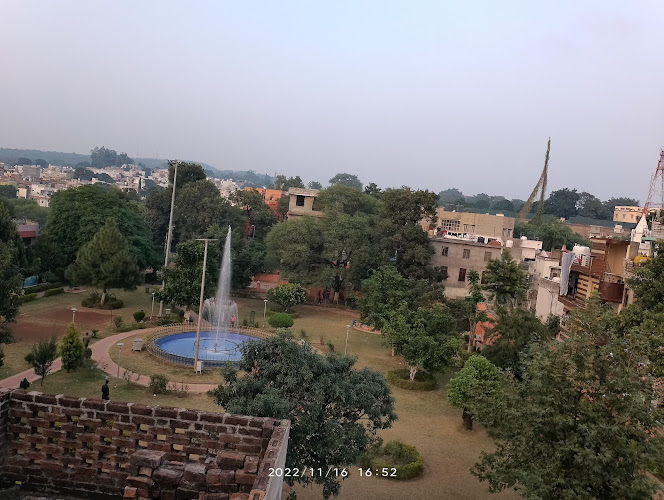
Nagrota Park

Historical Site Of Old Jammu Station

PEERKHO ROPEWAY STATION
Find Accommodations Nearby
Recommended Tours & Activities
Visitor Reviews
There are no reviews yet. Be the first one to write one.
Share Your Experience
Have you visited Ropeway Jammu? Help other travelers by leaving a review.