
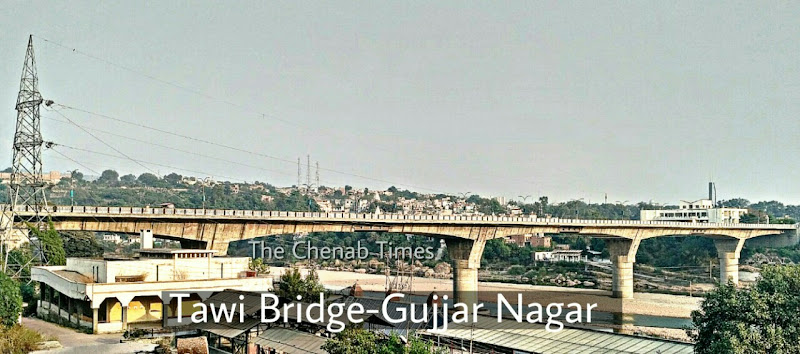
Tawi Bridge
About Tawi Bridge
Description
The Tawi Bridge stands as one of Jammu's most recognizable landmarks, connecting the old and new sections of this historic city in Jammu and Kashmir. This engineering marvel spans across the Tawi River, serving not just as a crucial transportation link but also as a symbol of the region's modernization and growth. For travelers passing through Jammu, the bridge offers more than just a route from point A to point B—it provides a unique vantage point to appreciate the natural beauty of the Tawi River and the surrounding landscapes that have shaped this region for centuries. What makes this bridge particularly special is how it seamlessly blends functionality with aesthetics. During my own crossing, I was struck by how the structure manages to feel both imposing and graceful at the same time. The views from the bridge are genuinely spectacular, especially during the golden hours when the sun casts warm hues across the water below. You'll find that the bridge acts as a gateway of sorts, introducing visitors to Jammu's dual personality—the ancient temples and bustling markets on one side, and the more contemporary developments on the other. The bridge isn't just a static piece of infrastructure either. It pulses with life throughout the day as locals and tourists alike traverse its length. You'll see everything from morning joggers using it as part of their exercise route to families taking leisurely evening walks while the cool breeze from the river provides welcome relief from the day's heat. And honestly, there's something quite meditative about standing on the bridge and watching the Tawi River flow beneath you, carrying with it stories of the land it has nourished for generations.Key Features
The Tawi Bridge distinguishes itself through several noteworthy characteristics that make it worth a visit: • Strategic positioning that offers panoramic views of the Tawi River, especially captivating during sunrise and sunset when the light plays off the water in mesmerizing patterns • Architectural design that combines modern engineering principles with aesthetic considerations, creating a structure that's both functional and visually appealing to photograph • Accessibility to both pedestrians and vehicles, making it easy for travelers to experience the bridge whether on foot or while driving through Jammu • Connection to key areas of Jammu city, positioning it as a natural waypoint for visitors exploring different neighborhoods and attractions • Photo opportunities that capture the essence of Jammu's landscape, with the river, surrounding hills, and urban development all visible from various points along the bridge • Local atmosphere that gives travelers an authentic glimpse into daily life in Jammu, as residents use the bridge for commuting, socializing, and recreation • Viewing platform perspective of the Tawi River's ecosystem, where you might spot various bird species and observe how the river sustains the local environment • Evening ambiance when the bridge and surrounding areas are illuminated, creating a completely different visual experience compared to daylight hoursBest Time to Visit
Timing your visit to the Tawi Bridge can make a significant difference in your experience. The bridge is accessible year-round, but certain periods offer advantages depending on what you're hoping to see and do. The winter months from October through March bring cooler temperatures that make walking across the bridge much more comfortable. During this time, you won't have to contend with the intense heat that can make midday exploration quite challenging. The air tends to be clearer during these months too, which means better visibility for photography and simply taking in the surrounding landscapes. I've found that early mornings during winter are particularly magical—there's often a gentle mist rising from the river that creates an almost ethereal atmosphere. But here's the thing about monsoon season (July to September)—while it can be unpredictable with rain, the Tawi River swells and becomes much more dramatic during these months. The rushing water below the bridge creates a completely different sensory experience. Just be prepared for occasional showers and check weather conditions before planning an extended visit during this period. For photographers, the golden hours are non-negotiable. Arriving about 30 minutes before sunset gives you enough time to scout the best angles and watch as the sky transforms. The early morning, around 6 to 7 AM, offers equally stunning light with the added bonus of fewer crowds. Weekday mornings tend to be less congested than weekends when local families often come out for recreational walks. Spring months of March and April bring pleasant weather that sits in that sweet spot—not too hot, not too cold. The surrounding vegetation takes on fresh green hues, and the overall atmosphere feels rejuvenating. This is when you'll likely encounter the most comfortable conditions for a leisurely exploration of the bridge and its surroundings.How to Get There
Reaching the Tawi Bridge is straightforward, given its central location in Jammu city. The bridge serves as a major thoroughfare, so most transportation options in the city can get you there without much hassle. If you're arriving in Jammu by train, the railway station sits relatively close to the bridge, making it one of the first landmarks you might encounter. Auto-rickshaws from the station will get you there in about 10-15 minutes, depending on traffic conditions. The fare should be reasonable, though it's always wise to negotiate or insist on the meter before starting your journey. For those flying into Jammu Airport, you're looking at roughly a 30-40 minute drive to reach the bridge, again depending on traffic. Taxis and app-based cab services operate from the airport, and most drivers will know exactly where you want to go when you mention Tawi Bridge. The route from the airport actually gives you a nice introduction to the city's layout. Local buses run throughout Jammu and several routes cross the bridge or stop nearby. This is probably the most budget-friendly option if you're comfortable with local public transportation. But I'll be honest—if it's your first time in Jammu, the bus system can be a bit confusing to navigate. Don't hesitate to ask locals for help; in my experience, people are generally quite willing to assist travelers. Walking to the bridge from nearby areas in central Jammu is entirely feasible and actually recommended if you're staying close by. The pedestrian pathways make it safe to approach on foot, and you'll get a better sense of the city's character when you're not enclosed in a vehicle. If you're driving yourself or hiring a car, parking can be found in the vicinity, though spaces might be limited during peak hours. The bridge is well-signposted, so you shouldn't have trouble locating it even if you're unfamiliar with the area.Tips for Visiting
Making the most of your visit to the Tawi Bridge requires some practical preparation and awareness of local conditions. Here are insights that'll help you have a better experience. Come prepared for the weather conditions specific to your visiting season. During summer months, bring sunscreen, a hat, and water because the sun can be intense and there's limited shade on the bridge itself. Winter visitors should layer clothing—mornings and evenings can get quite chilly near the river, even if midday temperatures feel comfortable. Photography enthusiasts should bring wide-angle lenses to capture the bridge's full span and the surrounding landscape. A polarizing filter helps manage reflections off the water and can make the sky appear more dramatic in your shots. And please, always be mindful of traffic and other pedestrians when stopping to take photos. I've seen too many people get so absorbed in getting the perfect shot that they become oblivious to their surroundings. Safety should always be your priority. The bridge sees regular vehicle traffic, so if you're walking, stay in designated pedestrian areas. Keep children close and supervise them at all times. The railings are secure, but it's still important to exercise caution, especially with younger travelers who might get excited by the views and moving water below. Respect local customs and sensibilities. Jammu is part of a culturally rich region where certain behaviors might be frowned upon. Dress modestly, particularly if you plan to visit nearby temples or religious sites after your bridge visit. Public displays of affection should be kept minimal out of respect for local norms. The bridge and its surroundings don't offer many facilities, so plan accordingly. There aren't restrooms directly on the bridge, so take care of such needs before arriving. Similarly, while you'll find street vendors and small shops in the vicinity, options are limited right at the bridge itself. Early morning visits offer multiple advantages beyond just good lighting for photos. The air quality tends to be better, traffic is lighter, and you'll experience a more peaceful atmosphere. Local joggers and walkers during these hours create a pleasant, energetic vibe without the chaos of peak traffic times. Engage with locals if the opportunity arises naturally. Some of my most memorable travel moments have come from casual conversations with people who know a place intimately. Residents who use the bridge daily can share perspectives and stories that no guidebook could provide. Just approach such interactions respectfully and be mindful that people might be in a hurry to get somewhere. Consider combining your bridge visit with exploration of nearby attractions. The bridge's location makes it a natural starting or ending point for wider city exploration. The old city with its temples, the Bahu Fort, and the Raghunath Temple are all within reasonable distance. Keep your belongings secure and be aware of your surroundings, as you would in any urban setting. While Jammu is generally safe for travelers, basic precautions like keeping valuables out of sight and staying alert in crowded areas are always sensible. Finally, take time to simply stand still and absorb the atmosphere. In our rush to check things off our itinerary, we sometimes forget to just be present in a place. The Tawi Bridge offers a unique perspective on how a city grows and evolves while remaining connected to its natural geography. That river has flowed here long before the bridge existed and will continue long after, and there's something profound about recognizing your small moment within that larger continuity.Key Features
- Scenic river and city views at sunrise/sunset
- Connects old and new sections of Jammu
- Accessible pedestrian walkways for casual strolling
- Proximity to Tawi riverfront recreational areas
- Photogenic vantage points for photography
More Details
Updated March 30, 2026
Table of Contents
Description
The Tawi Bridge stands as one of Jammu’s most recognizable landmarks, connecting the old and new sections of this historic city in Jammu and Kashmir. This engineering marvel spans across the Tawi River, serving not just as a crucial transportation link but also as a symbol of the region’s modernization and growth. For travelers passing through Jammu, the bridge offers more than just a route from point A to point B—it provides a unique vantage point to appreciate the natural beauty of the Tawi River and the surrounding landscapes that have shaped this region for centuries.
What makes this bridge particularly special is how it seamlessly blends functionality with aesthetics. During my own crossing, I was struck by how the structure manages to feel both imposing and graceful at the same time. The views from the bridge are genuinely spectacular, especially during the golden hours when the sun casts warm hues across the water below. You’ll find that the bridge acts as a gateway of sorts, introducing visitors to Jammu’s dual personality—the ancient temples and bustling markets on one side, and the more contemporary developments on the other.
The bridge isn’t just a static piece of infrastructure either. It pulses with life throughout the day as locals and tourists alike traverse its length. You’ll see everything from morning joggers using it as part of their exercise route to families taking leisurely evening walks while the cool breeze from the river provides welcome relief from the day’s heat. And honestly, there’s something quite meditative about standing on the bridge and watching the Tawi River flow beneath you, carrying with it stories of the land it has nourished for generations.
Key Features
The Tawi Bridge distinguishes itself through several noteworthy characteristics that make it worth a visit:
• Strategic positioning that offers panoramic views of the Tawi River, especially captivating during sunrise and sunset when the light plays off the water in mesmerizing patterns
• Architectural design that combines modern engineering principles with aesthetic considerations, creating a structure that’s both functional and visually appealing to photograph
• Accessibility to both pedestrians and vehicles, making it easy for travelers to experience the bridge whether on foot or while driving through Jammu
• Connection to key areas of Jammu city, positioning it as a natural waypoint for visitors exploring different neighborhoods and attractions
• Photo opportunities that capture the essence of Jammu’s landscape, with the river, surrounding hills, and urban development all visible from various points along the bridge
• Local atmosphere that gives travelers an authentic glimpse into daily life in Jammu, as residents use the bridge for commuting, socializing, and recreation
• Viewing platform perspective of the Tawi River’s ecosystem, where you might spot various bird species and observe how the river sustains the local environment
• Evening ambiance when the bridge and surrounding areas are illuminated, creating a completely different visual experience compared to daylight hours
Best Time to Visit
Timing your visit to the Tawi Bridge can make a significant difference in your experience. The bridge is accessible year-round, but certain periods offer advantages depending on what you’re hoping to see and do.
The winter months from October through March bring cooler temperatures that make walking across the bridge much more comfortable. During this time, you won’t have to contend with the intense heat that can make midday exploration quite challenging. The air tends to be clearer during these months too, which means better visibility for photography and simply taking in the surrounding landscapes. I’ve found that early mornings during winter are particularly magical—there’s often a gentle mist rising from the river that creates an almost ethereal atmosphere.
But here’s the thing about monsoon season (July to September)—while it can be unpredictable with rain, the Tawi River swells and becomes much more dramatic during these months. The rushing water below the bridge creates a completely different sensory experience. Just be prepared for occasional showers and check weather conditions before planning an extended visit during this period.
For photographers, the golden hours are non-negotiable. Arriving about 30 minutes before sunset gives you enough time to scout the best angles and watch as the sky transforms. The early morning, around 6 to 7 AM, offers equally stunning light with the added bonus of fewer crowds. Weekday mornings tend to be less congested than weekends when local families often come out for recreational walks.
Spring months of March and April bring pleasant weather that sits in that sweet spot—not too hot, not too cold. The surrounding vegetation takes on fresh green hues, and the overall atmosphere feels rejuvenating. This is when you’ll likely encounter the most comfortable conditions for a leisurely exploration of the bridge and its surroundings.
How to Get There
Reaching the Tawi Bridge is straightforward, given its central location in Jammu city. The bridge serves as a major thoroughfare, so most transportation options in the city can get you there without much hassle.
If you’re arriving in Jammu by train, the railway station sits relatively close to the bridge, making it one of the first landmarks you might encounter. Auto-rickshaws from the station will get you there in about 10-15 minutes, depending on traffic conditions. The fare should be reasonable, though it’s always wise to negotiate or insist on the meter before starting your journey.
For those flying into Jammu Airport, you’re looking at roughly a 30-40 minute drive to reach the bridge, again depending on traffic. Taxis and app-based cab services operate from the airport, and most drivers will know exactly where you want to go when you mention Tawi Bridge. The route from the airport actually gives you a nice introduction to the city’s layout.
Local buses run throughout Jammu and several routes cross the bridge or stop nearby. This is probably the most budget-friendly option if you’re comfortable with local public transportation. But I’ll be honest—if it’s your first time in Jammu, the bus system can be a bit confusing to navigate. Don’t hesitate to ask locals for help; in my experience, people are generally quite willing to assist travelers.
Walking to the bridge from nearby areas in central Jammu is entirely feasible and actually recommended if you’re staying close by. The pedestrian pathways make it safe to approach on foot, and you’ll get a better sense of the city’s character when you’re not enclosed in a vehicle.
If you’re driving yourself or hiring a car, parking can be found in the vicinity, though spaces might be limited during peak hours. The bridge is well-signposted, so you shouldn’t have trouble locating it even if you’re unfamiliar with the area.
Tips for Visiting
Making the most of your visit to the Tawi Bridge requires some practical preparation and awareness of local conditions. Here are insights that’ll help you have a better experience.
Come prepared for the weather conditions specific to your visiting season. During summer months, bring sunscreen, a hat, and water because the sun can be intense and there’s limited shade on the bridge itself. Winter visitors should layer clothing—mornings and evenings can get quite chilly near the river, even if midday temperatures feel comfortable.
Photography enthusiasts should bring wide-angle lenses to capture the bridge’s full span and the surrounding landscape. A polarizing filter helps manage reflections off the water and can make the sky appear more dramatic in your shots. And please, always be mindful of traffic and other pedestrians when stopping to take photos. I’ve seen too many people get so absorbed in getting the perfect shot that they become oblivious to their surroundings.
Safety should always be your priority. The bridge sees regular vehicle traffic, so if you’re walking, stay in designated pedestrian areas. Keep children close and supervise them at all times. The railings are secure, but it’s still important to exercise caution, especially with younger travelers who might get excited by the views and moving water below.
Respect local customs and sensibilities. Jammu is part of a culturally rich region where certain behaviors might be frowned upon. Dress modestly, particularly if you plan to visit nearby temples or religious sites after your bridge visit. Public displays of affection should be kept minimal out of respect for local norms.
The bridge and its surroundings don’t offer many facilities, so plan accordingly. There aren’t restrooms directly on the bridge, so take care of such needs before arriving. Similarly, while you’ll find street vendors and small shops in the vicinity, options are limited right at the bridge itself.
Early morning visits offer multiple advantages beyond just good lighting for photos. The air quality tends to be better, traffic is lighter, and you’ll experience a more peaceful atmosphere. Local joggers and walkers during these hours create a pleasant, energetic vibe without the chaos of peak traffic times.
Engage with locals if the opportunity arises naturally. Some of my most memorable travel moments have come from casual conversations with people who know a place intimately. Residents who use the bridge daily can share perspectives and stories that no guidebook could provide. Just approach such interactions respectfully and be mindful that people might be in a hurry to get somewhere.
Consider combining your bridge visit with exploration of nearby attractions. The bridge’s location makes it a natural starting or ending point for wider city exploration. The old city with its temples, the Bahu Fort, and the Raghunath Temple are all within reasonable distance.
Keep your belongings secure and be aware of your surroundings, as you would in any urban setting. While Jammu is generally safe for travelers, basic precautions like keeping valuables out of sight and staying alert in crowded areas are always sensible.
Finally, take time to simply stand still and absorb the atmosphere. In our rush to check things off our itinerary, we sometimes forget to just be present in a place. The Tawi Bridge offers a unique perspective on how a city grows and evolves while remaining connected to its natural geography. That river has flowed here long before the bridge existed and will continue long after, and there’s something profound about recognizing your small moment within that larger continuity.
Key Highlights
- Scenic river and city views at sunrise/sunset
- Connects old and new sections of Jammu
- Accessible pedestrian walkways for casual strolling
- Proximity to Tawi riverfront recreational areas
- Photogenic vantage points for photography
Location
Places to Stay Near Tawi Bridge
Find and Book a Tour
Explore More Travel Guides
No reviews found! Be the first to review!
Tawi Bridge is a prominent Attractions located in Jammu.
Visit us at: PV95+X59, Tawi Bridge, Sanjay Nagar, Nawabad, Jammu, 180016.
Traveler Reviews for Tawi Bridge
There are no reviews yet. Be the first one to write one.
Have you visited Tawi Bridge? Help other travelers by sharing your review.
Nearby Attractions
You Might Also Like
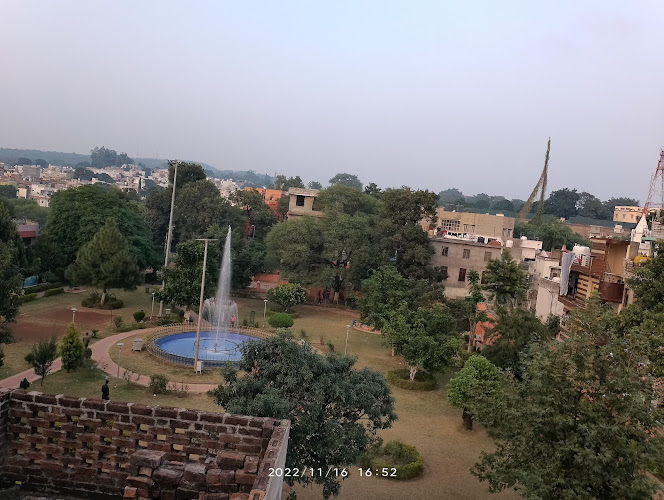
Nagrota Park

Park, temple and fish pond

Rajender Park
Find Accommodations Nearby
Recommended Tours & Activities
Visitor Reviews
There are no reviews yet. Be the first one to write one.
Share Your Experience
Have you visited Tawi Bridge? Help other travelers by leaving a review.