
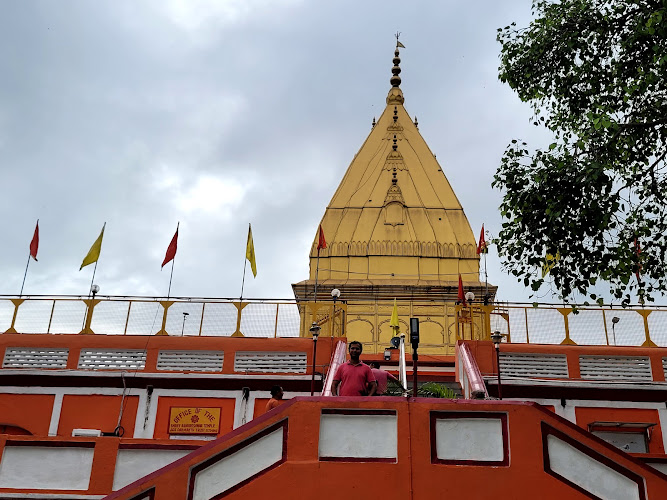
Shri Ranbireshwar Temple, Niranjani Akhara.
About Shri Ranbireshwar Temple, Niranjani Akhara.
Description
The Shri Ranbireshwar Temple stands as one of Jammu's most impressive architectural achievements, though honestly, it doesn't get nearly the attention it deserves from travelers rushing through the region. Built back in 1883 by Maharaja Ranbir Singh, this temple houses something truly remarkable - an eight-foot tall stone lingam that's actually one of the largest in Northern India. And when I say large, I mean it's genuinely awe-inspiring when you first lay eyes on it. What makes this place special isn't just its size or age, but the sheer devotion you can feel the moment you step through its entrance. The temple complex sits in the heart of Jammu city, and while the surrounding area has definitely seen better days with traffic and urban development encroaching on all sides, the temple itself maintains this bubble of spirituality that's hard to explain until you experience it yourself. The architecture follows traditional North Indian temple design, but with certain flourishes that reflect the 19th century sensibilities of the period. The main sanctum contains not just the primary Shiva lingam, but actually houses twelve additional crystal lingams arranged in a specific pattern that's meant to represent different aspects of Lord Shiva. The priests here will tell you stories about the construction that took years to complete, with stones brought from different regions and craftsmen who dedicated their entire lives to perfecting each detail. Visitors often mention the sense of peace they find here, which seems almost contradictory given that the temple sees hundreds of devotees daily, especially during festivals. But there's something about the way the space is designed, the way light filters through at different times of day, that creates moments of genuine tranquility even amidst the crowds. The temple has restroom facilities available, which might seem like a mundane detail but trust me, after visiting several heritage sites in India, you learn to appreciate these practical considerations.Key Features
The temple offers several distinctive elements that set it apart from other religious sites in the region:- The massive eight-foot Shiva lingam carved from a single block of stone, representing one of the most impressive examples of 19th-century stone craftsmanship in Kashmir region
- Twelve crystal Shiva lingams positioned around the main deity, each representing different manifestations and said to have been brought from various holy sites across India
- Intricate stone carvings throughout the temple complex depicting scenes from Hindu mythology, though some have weathered over the years and could use restoration
- A smaller shrine dedicated to Lord Ganesha near the entrance, where devotees traditionally stop first before proceeding to the main sanctum
- The temple's bell system, which creates an almost musical atmosphere when devotees ring them in sequence during aarti ceremonies
- Historic inscriptions in multiple languages documenting the temple's construction and patronage by the Dogra rulers
- A peaceful courtyard area where visitors can sit and observe the constant flow of devotional activities
- Regular aarti ceremonies that offer travelers an authentic glimpse into Hindu worship practices without the overwhelming crowds found at more famous temples
- The unusual combination of Mughal and Rajput architectural influences in the temple's design, reflecting the cultural synthesis of the period
Best Time to Visit
Timing your visit to Shri Ranbireshwar Temple requires considering both weather patterns and religious calendars. The temple remains open year-round, but your experience will vary dramatically depending on when you show up. October through March represents the sweet spot for most travelers. The weather in Jammu during these months stays pleasant, with temperatures ranging from 10 to 25 degrees Celsius. You won't be dealing with the intense summer heat that can make temple exploration genuinely uncomfortable. I'd particularly recommend visiting in February or March when the weather's mild but the tourist crowds haven't yet reached their peak. Maha Shivaratri stands out as the most significant festival celebrated here, typically falling in February or March depending on the lunar calendar. If you're interested in experiencing the temple at its most alive and energetic, this is your moment. The entire complex transforms with thousands of devotees gathering for night-long prayers and celebrations. But fair warning - you'll be dealing with substantial crowds, long queues, and an intensity that might feel overwhelming if you're not prepared for it. Monday holds special significance for Shiva devotees, so expect higher attendance throughout the day. Many local worshippers fast on Mondays and visit the temple in the evening, creating a particularly atmospheric time around sunset. The summer months from April to June get brutally hot in Jammu, with temperatures sometimes crossing 40 degrees Celsius. Unless you're particularly comfortable with extreme heat, I'd suggest avoiding this period. And the monsoon season from July to September brings its own challenges - not necessarily heavy rainfall, but humidity and occasional downpours that can disrupt travel plans. Early morning visits between 5 AM and 7 AM offer something special. The temple opens early for morning prayers, and there's a calm energy during these hours that you won't find later in the day. The light during this time also creates beautiful photographic opportunities if you're into that sort of thing.How to Get There
Getting to Shri Ranbireshwar Temple proves relatively straightforward once you've made it to Jammu city, though the journey to Jammu itself depends on where you're starting from. Jammu's airport, officially called Jammu Civil Enclave, sits about 6 kilometers from the temple. It's well-connected to major Indian cities including Delhi, Mumbai, and Bangalore. From the airport, you can hire a prepaid taxi or use app-based cab services which take roughly 20 minutes to reach the temple depending on traffic conditions. The fare typically runs between 200-300 rupees, though prices fluctuate based on demand. Jammu Tawi Railway Station serves as a major rail hub in the region. The temple lies approximately 3 kilometers from the station. You can easily catch an auto-rickshaw from outside the station for around 50-100 rupees. Just tell them "Ranbireshwar Mandir" and most drivers know exactly where to go. Local buses also run in this direction, though navigating the bus system requires some familiarity with the routes. If you're already in Jammu, the temple's central location makes it accessible from most areas of the city. Local transportation options include auto-rickshaws, cycle-rickshaws, and city buses. The temple complex sits near the old city area, so you'll likely pass through some congested streets - that's just part of the experience. For travelers coming from Srinagar or other parts of Kashmir, the journey takes 6-8 hours by road depending on weather and road conditions. Several bus services operate on this route daily. The road journey offers spectacular mountain views, though it can be challenging during winter months when snow affects travel. Parking near the temple can get tricky, especially during peak visiting hours. There's limited designated parking around the complex, so arriving early helps if you're driving your own vehicle. Most travelers find it easier to use local transport and avoid parking hassles altogether.Tips for Visiting
Visiting Shri Ranbireshwar Temple requires some practical preparation and cultural awareness. Here's what you actually need to know, not just the generic advice you'll find everywhere. Dress appropriately - this shouldn't need saying, but you'd be surprised. The temple maintains fairly conservative standards, so keep shoulders and knees covered. Shorts and sleeveless tops will likely get you stopped at the entrance. Women don't necessarily need to cover their heads, but carrying a scarf gives you flexibility for different areas of the complex. Footwear must be removed before entering the main temple area. There's a designated shoe storage area, but honestly, it's pretty basic. I'd recommend wearing easily removable shoes and maybe bringing along a small bag to carry them if you're particular about where they end up. The stone floors can get quite hot during summer months, so consider timing your visit accordingly. Photography policies seem to vary depending on who you ask and when you visit. Generally, photography isn't permitted inside the main sanctum, but the outer areas of the complex allow it. Rather than assuming, ask the temple authorities or priests. Most are quite friendly about explaining the rules if you approach respectfully. Donation and prasad expectations exist here as at most Hindu temples. There's no mandatory fee for entering, but donation boxes are placed at various points. Whatever you choose to give (or not give) is your decision. The priests may offer to perform special prayers or puja for a fee - again, entirely optional and you shouldn't feel pressured either way. Timing your visit matters beyond just weather considerations. Aarti ceremonies typically occur in the early morning and evening, with exact times varying by season. These ceremonies offer the most atmospheric experience if you're interested in witnessing actual worship practices. The middle of the day tends to be quieter with fewer devotees present. Restroom facilities are available within the complex, which makes this temple more visitor-friendly than many historic sites. They're functional if not luxurious, so adjust your expectations accordingly. Security checks at the entrance are standard procedure. Bags may be searched, and certain items like leather goods aren't permitted inside as per Hindu temple customs. Plan accordingly and travel light if possible. The surrounding area offers various small shops selling religious items, flowers for offerings, and general tourist goods. Prices aren't fixed in these shops, so some gentle negotiation is expected if you're buying anything substantial. Language might present minor challenges if you don't speak Hindi or the local dialects. However, many priests and temple volunteers have experience with travelers and can communicate in basic English. Greeting people with "Namaste" and showing genuine respect goes a long way in bridging any communication gaps. Allow at least an hour for a meaningful visit, though you could easily spend longer if you're genuinely interested in the architecture and atmosphere. Rushing through defeats the purpose of visiting a space like this. Local guides sometimes offer their services outside the temple. They can provide historical context and explain various aspects of the temple's significance. Whether you want one depends on your interest level and budget - expect to pay 200-500 rupees for a guided tour depending on duration and depth of information. Finally, approach the visit with appropriate respect for the religious nature of the site. This is an active place of worship, not primarily a tourist attraction despite appearing in guidebooks. Observing devotees and participating in the general atmosphere is welcome, but being mindful of the space's primary purpose ensures a better experience for everyone.Key Features
- The massive eight-foot Shiva lingam carved from a single block of stone, representing one of the most impressive examples of 19th-century stone craftsmanship in Kashmir region
- Twelve crystal Shiva lingams positioned around the main deity, each representing different manifestations and said to have been brought from various holy sites across India
- Intricate stone carvings throughout the temple complex depicting scenes from Hindu mythology, though some have weathered over the years and could use restoration
- A smaller shrine dedicated to Lord Ganesha near the entrance, where devotees traditionally stop first before proceeding to the main sanctum
- The temple's bell system, which creates an almost musical atmosphere when devotees ring them in sequence during aarti ceremonies
- Historic inscriptions in multiple languages documenting the temple's construction and patronage by the Dogra rulers
- A peaceful courtyard area where visitors can sit and observe the constant flow of devotional activities
- Regular aarti ceremonies that offer travelers an authentic glimpse into Hindu worship practices without the overwhelming crowds found at more famous temples
More Details
Updated March 30, 2026
Table of Contents
- Description
- Key Features
- Best Time to Visit
- How to Get There
- Tips for Visiting
- Key Highlights
- Location
- Places to Stay Near Shri Ranbireshwar Temple, Niranjani Akhara.
- Find and Book a Tour
- Explore More Travel Guides
- Nearby Places You Might Like
- Traveler Reviews for Shri Ranbireshwar Temple, Niranjani Akhara.
- Share Your Experience
Description
The Shri Ranbireshwar Temple stands as one of Jammu’s most impressive architectural achievements, though honestly, it doesn’t get nearly the attention it deserves from travelers rushing through the region. Built back in 1883 by Maharaja Ranbir Singh, this temple houses something truly remarkable – an eight-foot tall stone lingam that’s actually one of the largest in Northern India. And when I say large, I mean it’s genuinely awe-inspiring when you first lay eyes on it.
What makes this place special isn’t just its size or age, but the sheer devotion you can feel the moment you step through its entrance. The temple complex sits in the heart of Jammu city, and while the surrounding area has definitely seen better days with traffic and urban development encroaching on all sides, the temple itself maintains this bubble of spirituality that’s hard to explain until you experience it yourself.
The architecture follows traditional North Indian temple design, but with certain flourishes that reflect the 19th century sensibilities of the period. The main sanctum contains not just the primary Shiva lingam, but actually houses twelve additional crystal lingams arranged in a specific pattern that’s meant to represent different aspects of Lord Shiva. The priests here will tell you stories about the construction that took years to complete, with stones brought from different regions and craftsmen who dedicated their entire lives to perfecting each detail.
Visitors often mention the sense of peace they find here, which seems almost contradictory given that the temple sees hundreds of devotees daily, especially during festivals. But there’s something about the way the space is designed, the way light filters through at different times of day, that creates moments of genuine tranquility even amidst the crowds. The temple has restroom facilities available, which might seem like a mundane detail but trust me, after visiting several heritage sites in India, you learn to appreciate these practical considerations.
Key Features
The temple offers several distinctive elements that set it apart from other religious sites in the region:
- The massive eight-foot Shiva lingam carved from a single block of stone, representing one of the most impressive examples of 19th-century stone craftsmanship in Kashmir region
- Twelve crystal Shiva lingams positioned around the main deity, each representing different manifestations and said to have been brought from various holy sites across India
- Intricate stone carvings throughout the temple complex depicting scenes from Hindu mythology, though some have weathered over the years and could use restoration
- A smaller shrine dedicated to Lord Ganesha near the entrance, where devotees traditionally stop first before proceeding to the main sanctum
- The temple’s bell system, which creates an almost musical atmosphere when devotees ring them in sequence during aarti ceremonies
- Historic inscriptions in multiple languages documenting the temple’s construction and patronage by the Dogra rulers
- A peaceful courtyard area where visitors can sit and observe the constant flow of devotional activities
- Regular aarti ceremonies that offer travelers an authentic glimpse into Hindu worship practices without the overwhelming crowds found at more famous temples
- The unusual combination of Mughal and Rajput architectural influences in the temple’s design, reflecting the cultural synthesis of the period
Best Time to Visit
Timing your visit to Shri Ranbireshwar Temple requires considering both weather patterns and religious calendars. The temple remains open year-round, but your experience will vary dramatically depending on when you show up.
October through March represents the sweet spot for most travelers. The weather in Jammu during these months stays pleasant, with temperatures ranging from 10 to 25 degrees Celsius. You won’t be dealing with the intense summer heat that can make temple exploration genuinely uncomfortable. I’d particularly recommend visiting in February or March when the weather’s mild but the tourist crowds haven’t yet reached their peak.
Maha Shivaratri stands out as the most significant festival celebrated here, typically falling in February or March depending on the lunar calendar. If you’re interested in experiencing the temple at its most alive and energetic, this is your moment. The entire complex transforms with thousands of devotees gathering for night-long prayers and celebrations. But fair warning – you’ll be dealing with substantial crowds, long queues, and an intensity that might feel overwhelming if you’re not prepared for it.
Monday holds special significance for Shiva devotees, so expect higher attendance throughout the day. Many local worshippers fast on Mondays and visit the temple in the evening, creating a particularly atmospheric time around sunset.
The summer months from April to June get brutally hot in Jammu, with temperatures sometimes crossing 40 degrees Celsius. Unless you’re particularly comfortable with extreme heat, I’d suggest avoiding this period. And the monsoon season from July to September brings its own challenges – not necessarily heavy rainfall, but humidity and occasional downpours that can disrupt travel plans.
Early morning visits between 5 AM and 7 AM offer something special. The temple opens early for morning prayers, and there’s a calm energy during these hours that you won’t find later in the day. The light during this time also creates beautiful photographic opportunities if you’re into that sort of thing.
How to Get There
Getting to Shri Ranbireshwar Temple proves relatively straightforward once you’ve made it to Jammu city, though the journey to Jammu itself depends on where you’re starting from.
Jammu’s airport, officially called Jammu Civil Enclave, sits about 6 kilometers from the temple. It’s well-connected to major Indian cities including Delhi, Mumbai, and Bangalore. From the airport, you can hire a prepaid taxi or use app-based cab services which take roughly 20 minutes to reach the temple depending on traffic conditions. The fare typically runs between 200-300 rupees, though prices fluctuate based on demand.
Jammu Tawi Railway Station serves as a major rail hub in the region. The temple lies approximately 3 kilometers from the station. You can easily catch an auto-rickshaw from outside the station for around 50-100 rupees. Just tell them “Ranbireshwar Mandir” and most drivers know exactly where to go. Local buses also run in this direction, though navigating the bus system requires some familiarity with the routes.
If you’re already in Jammu, the temple’s central location makes it accessible from most areas of the city. Local transportation options include auto-rickshaws, cycle-rickshaws, and city buses. The temple complex sits near the old city area, so you’ll likely pass through some congested streets – that’s just part of the experience.
For travelers coming from Srinagar or other parts of Kashmir, the journey takes 6-8 hours by road depending on weather and road conditions. Several bus services operate on this route daily. The road journey offers spectacular mountain views, though it can be challenging during winter months when snow affects travel.
Parking near the temple can get tricky, especially during peak visiting hours. There’s limited designated parking around the complex, so arriving early helps if you’re driving your own vehicle. Most travelers find it easier to use local transport and avoid parking hassles altogether.
Tips for Visiting
Visiting Shri Ranbireshwar Temple requires some practical preparation and cultural awareness. Here’s what you actually need to know, not just the generic advice you’ll find everywhere.
Dress appropriately – this shouldn’t need saying, but you’d be surprised. The temple maintains fairly conservative standards, so keep shoulders and knees covered. Shorts and sleeveless tops will likely get you stopped at the entrance. Women don’t necessarily need to cover their heads, but carrying a scarf gives you flexibility for different areas of the complex.
Footwear must be removed before entering the main temple area. There’s a designated shoe storage area, but honestly, it’s pretty basic. I’d recommend wearing easily removable shoes and maybe bringing along a small bag to carry them if you’re particular about where they end up. The stone floors can get quite hot during summer months, so consider timing your visit accordingly.
Photography policies seem to vary depending on who you ask and when you visit. Generally, photography isn’t permitted inside the main sanctum, but the outer areas of the complex allow it. Rather than assuming, ask the temple authorities or priests. Most are quite friendly about explaining the rules if you approach respectfully.
Donation and prasad expectations exist here as at most Hindu temples. There’s no mandatory fee for entering, but donation boxes are placed at various points. Whatever you choose to give (or not give) is your decision. The priests may offer to perform special prayers or puja for a fee – again, entirely optional and you shouldn’t feel pressured either way.
Timing your visit matters beyond just weather considerations. Aarti ceremonies typically occur in the early morning and evening, with exact times varying by season. These ceremonies offer the most atmospheric experience if you’re interested in witnessing actual worship practices. The middle of the day tends to be quieter with fewer devotees present.
Restroom facilities are available within the complex, which makes this temple more visitor-friendly than many historic sites. They’re functional if not luxurious, so adjust your expectations accordingly.
Security checks at the entrance are standard procedure. Bags may be searched, and certain items like leather goods aren’t permitted inside as per Hindu temple customs. Plan accordingly and travel light if possible.
The surrounding area offers various small shops selling religious items, flowers for offerings, and general tourist goods. Prices aren’t fixed in these shops, so some gentle negotiation is expected if you’re buying anything substantial.
Language might present minor challenges if you don’t speak Hindi or the local dialects. However, many priests and temple volunteers have experience with travelers and can communicate in basic English. Greeting people with “Namaste” and showing genuine respect goes a long way in bridging any communication gaps.
Allow at least an hour for a meaningful visit, though you could easily spend longer if you’re genuinely interested in the architecture and atmosphere. Rushing through defeats the purpose of visiting a space like this.
Local guides sometimes offer their services outside the temple. They can provide historical context and explain various aspects of the temple’s significance. Whether you want one depends on your interest level and budget – expect to pay 200-500 rupees for a guided tour depending on duration and depth of information.
Finally, approach the visit with appropriate respect for the religious nature of the site. This is an active place of worship, not primarily a tourist attraction despite appearing in guidebooks. Observing devotees and participating in the general atmosphere is welcome, but being mindful of the space’s primary purpose ensures a better experience for everyone.
Key Highlights
- The massive eight-foot Shiva lingam carved from a single block of stone, representing one of the most impressive examples of 19th-century stone craftsmanship in Kashmir region
- Twelve crystal Shiva lingams positioned around the main deity, each representing different manifestations and said to have been brought from various holy sites across India
- Intricate stone carvings throughout the temple complex depicting scenes from Hindu mythology, though some have weathered over the years and could use restoration
- A smaller shrine dedicated to Lord Ganesha near the entrance, where devotees traditionally stop first before proceeding to the main sanctum
- The temple's bell system, which creates an almost musical atmosphere when devotees ring them in sequence during aarti ceremonies
- Historic inscriptions in multiple languages documenting the temple's construction and patronage by the Dogra rulers
- A peaceful courtyard area where visitors can sit and observe the constant flow of devotional activities
- Regular aarti ceremonies that offer travelers an authentic glimpse into Hindu worship practices without the overwhelming crowds found at more famous temples
Location
Places to Stay Near Shri Ranbireshwar Temple, Niranjani Akhara.
Find and Book a Tour
Explore More Travel Guides
No reviews found! Be the first to review!
Shri Ranbireshwar Temple, Niranjani Akhara. is a prominent attractions located in Jammu.
Visit us at: PVM7+WPM, shalamar Road near ciivil secretariat, Jammu.
Traveler Reviews for Shri Ranbireshwar Temple, Niranjani Akhara.
There are no reviews yet. Be the first one to write one.
Have you visited Shri Ranbireshwar Temple, Niranjani Akhara.? Help other travelers by sharing your review.
You Might Also Like

Park, temple and fish pond

Jewal market

Rajender Park
Find Accommodations Nearby
Recommended Tours & Activities
Visitor Reviews
There are no reviews yet. Be the first one to write one.
Share Your Experience
Have you visited Shri Ranbireshwar Temple, Niranjani Akhara.? Help other travelers by leaving a review.