
Strawberry Field
About Strawberry Field
Description
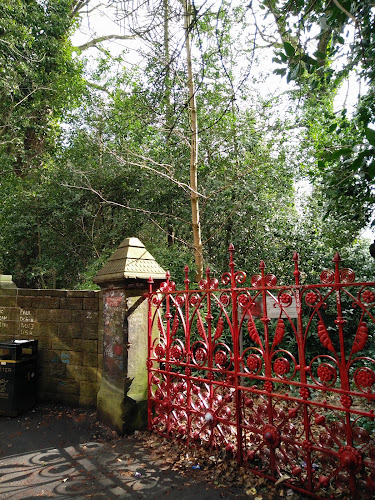
Strawberry Field holds a special place in Liverpool's cultural landscape, and honestly, it's one of those spots that you wouldn't fully appreciate unless you knew the story behind it. This isn't just some random garden or museum – it's the actual site that inspired John Lennon to write one of The Beatles' most beloved and psychedelic songs, "Strawberry Fields Forever." Walking through these grounds feels different when you realize that a young Lennon used to climb over the walls here to play in the woodland area behind the Salvation Army children's home that once operated on this property. The site has transformed beautifully over the years into a multifaceted attraction that serves several purposes at once. It's part heritage museum, part cultural center, part cafe, and even operates as a training center for young adults with learning disabilities. And I've got to say, there's something genuinely heartwarming about how the Salvation Army has maintained the spirit of helping others while creating a space that Beatles fans from across the globe can visit and connect with. What strikes visitors most is how the place manages to honor both its Beatles connection and its original charitable mission without letting one overshadow the other. The red gates that feature so prominently in photographs and memories have been restored, and they're exactly what you'd hope they'd be – iconic, bright, and begging for a photo opportunity. The visitor center does an excellent job of telling multiple stories simultaneously: John Lennon's childhood adventures here, the history of the children's home, and the ongoing work being done today.Key Features
Travelers visiting Strawberry Field will discover a range of features that make this more than just a quick photo stop: • The Famous Red Gates – These restored Victorian gates are the ones John Lennon would have seen as a child, and they're absolutely essential for any Beatles pilgrimage. You'll see people lining up for photos, but don't rush it. • Interactive Exhibition – The museum uses modern technology to tell the story of both the site and the song, with audio-visual displays that actually engage you rather than just throwing facts at you. • Garden Cafe – More than just a typical museum cafe, this spot serves quality food and drinks while providing employment training for people with learning disabilities. The coffee's surprisingly good, by the way. • Tranquil Gardens – The grounds themselves capture that dreamlike quality Lennon sang about, with thoughtfully maintained pathways and quiet spots perfect for reflection. • Gift Shop – Stocked with Beatles memorabilia and items you won't find at every tourist trap in Liverpool, plus purchases support the Salvation Army's ongoing work. • Original Strawberry Field Signage – Authentic historical artifacts from the original children's home are preserved and displayed throughout. • Audio Guide Options – Available for those who want deeper context about specific areas and historical details. • Full Accessibility Features – Wheelchair accessible throughout, which isn't always the case with historical sites in the UK. • Women-Owned Business Recognition – The site proudly identifies as women-owned, adding another layer to its progressive approach.Best Time to Visit
Here's where I'm gonna be straight with you – Liverpool weather is unpredictable at best and downright moody at worst. But that doesn't mean you can't plan strategically for your visit to Strawberry Field. The spring and early summer months, particularly May through July, offer your best chances of pleasant weather and manageable crowds. The gardens look their absolute best during this period, with flowers blooming and the greenery living up to that "nothing is real" dreaminess of the song. And there's something about experiencing the site in sunshine that just feels right, even though Lennon's song has a more melancholic, introspective quality to it. Autumn brings its own charm, particularly in September and October when the leaves start changing and there's a certain golden quality to the light. The crowds thin out a bit compared to peak summer, which means you'll have more space to explore and photograph without fifty other people in your frame. I've heard from travelers who visited in October that they practically had the gardens to themselves on weekday mornings. Winter visits aren't impossible, but be prepared for shorter daylight hours and the possibility of rain turning your Beatles pilgrimage into a soggy affair. That said, if you're already in Liverpool during the colder months, don't let weather deter you completely. The indoor exhibitions are extensive enough to make the visit worthwhile regardless of what's happening outside. Weekday mornings generally see fewer visitors than weekend afternoons – that's just common sense. If you're the type who wants to take your time absorbing the atmosphere without feeling rushed by tour groups, aim for opening time on a Tuesday or Wednesday. The experience becomes much more personal and contemplative when you're not navigating around crowds.How to Get There
Getting to Strawberry Field is actually more straightforward than you might expect, though it's not right in the city center where most Beatles attractions cluster around Mathew Street and the waterfront. From central Liverpool, your easiest option is grabbing a taxi or using a ride-sharing app, which'll run you about 10-15 minutes depending on traffic. It's not a budget-breaking journey, and honestly, if you're traveling with a couple of people, it's probably the most convenient choice. For those preferring public transportation, several bus routes service the area. The 75, 76, and 78A buses all stop nearby, and you can catch these from various points in the city center. Just check the current routes before heading out because Liverpool's bus system does occasionally adjust its schedules and stops. The journey takes roughly 25-30 minutes by bus, maybe a bit longer during rush hour. If you're doing one of the organized Beatles tours that operates in Liverpool, many of them now include Strawberry Field as part of their itinerary. This takes the guesswork out of navigation completely, though it does mean you're working within the tour's timeline rather than your own pace. Driving yourself is perfectly doable if you've rented a car, and there's free on-site parking available, which is honestly a blessing in a city where parking can be both expensive and frustrating. Just plug the location into your GPS and you'll be fine. The roads around the area are residential and pretty easy to navigate. Walking from the city center isn't really practical unless you're training for a marathon or you genuinely enjoy long urban walks. It's about 3 miles, which doesn't sound terrible until you're actually doing it.Tips for Visiting
Let me share some practical wisdom that'll make your visit smoother and more enjoyable, because I've learned that even simple attractions can become frustrating without the right preparation. First off, allow more time than you think you'll need. Too many travelers treat Strawberry Field as a quick photo stop – snap a picture at the gates and move on – but you're really missing out if you don't explore the exhibition and gardens properly. Budget at least 90 minutes to two hours for a proper visit. The cafe deserves your attention, and not just because you might need caffeine. Sitting down for a coffee or lunch supports the training programs they run here, and the quality genuinely exceeds typical tourist attraction fare. Plus, the cafe itself has character and Beatles-themed touches without being over-the-top about it. Photography is obviously expected and encouraged, but be respectful of other visitors who are also trying to get their shots at the iconic gates. I've seen people spend 20 minutes staging the perfect Instagram photo while others wait patiently (or impatiently) behind them. Get your shots, but don't monopolize the space. If you're visiting with children, they'll likely find the interactive elements of the exhibition more engaging than just walking around historical rooms. The site offers discounts for kids, which is appreciated given how expensive family travel can get. And the gardens provide space for little ones to explore safely. The gift shop actually stocks some unique items you won't find at every Beatles store in Liverpool. If you're looking for meaningful souvenirs rather than mass-produced tat, spend some time browsing here. The proceeds support worthy causes, so you can feel good about your impulse purchases. Accessibility is genuinely excellent here – wheelchair users won't encounter the barriers that unfortunately still exist at many historical sites. The entire venue has been designed with inclusion in mind, from parking to restrooms to exhibition spaces. Don't expect a massive, overwhelming experience like you might find at some museums. Strawberry Field is relatively intimate in scale, and that's actually part of its charm. It feels personal rather than commercialized, which seems appropriate given John Lennon's childhood connection to the place. Consider combining your visit with other Beatles sites in the area – Mendips (John's childhood home) isn't far away, though you'll need to book that separately through the National Trust. Creating a Beatles trail for yourself makes logistical sense and gives you a more complete picture of Lennon's Liverpool upbringing. Payment options are modern and flexible, accepting everything from traditional cards to mobile payments, so don't worry about carrying loads of cash. Though having a few pounds for the cafe tip jar never hurts. Finally, approach the site with an open mind about what it represents. Yes, it's famous because of a Beatles song, but it's also a place where real children grew up, where the Salvation Army continues doing charitable work, and where young adults are learning valuable skills today. The layers of history and ongoing purpose make it richer than just another tourist checkbox.Key Features
- Exhibition about Strawberry Field, John Lennon and Salvation Army history
- Restored gardens and access beyond the famous red gates
- Musical memorabilia including a piano associated with John Lennon
- On-site café and gift shop with Beatles-themed items
- Training centre and social enterprise work supporting vulnerable young people
More Details
Updated March 30, 2026
Description
Strawberry Field holds a special place in Liverpool’s cultural landscape, and honestly, it’s one of those spots that you wouldn’t fully appreciate unless you knew the story behind it. This isn’t just some random garden or museum – it’s the actual site that inspired John Lennon to write one of The Beatles’ most beloved and psychedelic songs, “Strawberry Fields Forever.” Walking through these grounds feels different when you realize that a young Lennon used to climb over the walls here to play in the woodland area behind the Salvation Army children’s home that once operated on this property.
The site has transformed beautifully over the years into a multifaceted attraction that serves several purposes at once. It’s part heritage museum, part cultural center, part cafe, and even operates as a training center for young adults with learning disabilities. And I’ve got to say, there’s something genuinely heartwarming about how the Salvation Army has maintained the spirit of helping others while creating a space that Beatles fans from across the globe can visit and connect with.
What strikes visitors most is how the place manages to honor both its Beatles connection and its original charitable mission without letting one overshadow the other. The red gates that feature so prominently in photographs and memories have been restored, and they’re exactly what you’d hope they’d be – iconic, bright, and begging for a photo opportunity. The visitor center does an excellent job of telling multiple stories simultaneously: John Lennon’s childhood adventures here, the history of the children’s home, and the ongoing work being done today.
Key Features
Travelers visiting Strawberry Field will discover a range of features that make this more than just a quick photo stop:
• The Famous Red Gates – These restored Victorian gates are the ones John Lennon would have seen as a child, and they’re absolutely essential for any Beatles pilgrimage. You’ll see people lining up for photos, but don’t rush it.
• Interactive Exhibition – The museum uses modern technology to tell the story of both the site and the song, with audio-visual displays that actually engage you rather than just throwing facts at you.
• Garden Cafe – More than just a typical museum cafe, this spot serves quality food and drinks while providing employment training for people with learning disabilities. The coffee’s surprisingly good, by the way.
• Tranquil Gardens – The grounds themselves capture that dreamlike quality Lennon sang about, with thoughtfully maintained pathways and quiet spots perfect for reflection.
• Gift Shop – Stocked with Beatles memorabilia and items you won’t find at every tourist trap in Liverpool, plus purchases support the Salvation Army’s ongoing work.
• Original Strawberry Field Signage – Authentic historical artifacts from the original children’s home are preserved and displayed throughout.
• Audio Guide Options – Available for those who want deeper context about specific areas and historical details.
• Full Accessibility Features – Wheelchair accessible throughout, which isn’t always the case with historical sites in the UK.
• Women-Owned Business Recognition – The site proudly identifies as women-owned, adding another layer to its progressive approach.
Best Time to Visit
Here’s where I’m gonna be straight with you – Liverpool weather is unpredictable at best and downright moody at worst. But that doesn’t mean you can’t plan strategically for your visit to Strawberry Field.
The spring and early summer months, particularly May through July, offer your best chances of pleasant weather and manageable crowds. The gardens look their absolute best during this period, with flowers blooming and the greenery living up to that “nothing is real” dreaminess of the song. And there’s something about experiencing the site in sunshine that just feels right, even though Lennon’s song has a more melancholic, introspective quality to it.
Autumn brings its own charm, particularly in September and October when the leaves start changing and there’s a certain golden quality to the light. The crowds thin out a bit compared to peak summer, which means you’ll have more space to explore and photograph without fifty other people in your frame. I’ve heard from travelers who visited in October that they practically had the gardens to themselves on weekday mornings.
Winter visits aren’t impossible, but be prepared for shorter daylight hours and the possibility of rain turning your Beatles pilgrimage into a soggy affair. That said, if you’re already in Liverpool during the colder months, don’t let weather deter you completely. The indoor exhibitions are extensive enough to make the visit worthwhile regardless of what’s happening outside.
Weekday mornings generally see fewer visitors than weekend afternoons – that’s just common sense. If you’re the type who wants to take your time absorbing the atmosphere without feeling rushed by tour groups, aim for opening time on a Tuesday or Wednesday. The experience becomes much more personal and contemplative when you’re not navigating around crowds.
How to Get There
Getting to Strawberry Field is actually more straightforward than you might expect, though it’s not right in the city center where most Beatles attractions cluster around Mathew Street and the waterfront.
From central Liverpool, your easiest option is grabbing a taxi or using a ride-sharing app, which’ll run you about 10-15 minutes depending on traffic. It’s not a budget-breaking journey, and honestly, if you’re traveling with a couple of people, it’s probably the most convenient choice.
For those preferring public transportation, several bus routes service the area. The 75, 76, and 78A buses all stop nearby, and you can catch these from various points in the city center. Just check the current routes before heading out because Liverpool’s bus system does occasionally adjust its schedules and stops. The journey takes roughly 25-30 minutes by bus, maybe a bit longer during rush hour.
If you’re doing one of the organized Beatles tours that operates in Liverpool, many of them now include Strawberry Field as part of their itinerary. This takes the guesswork out of navigation completely, though it does mean you’re working within the tour’s timeline rather than your own pace.
Driving yourself is perfectly doable if you’ve rented a car, and there’s free on-site parking available, which is honestly a blessing in a city where parking can be both expensive and frustrating. Just plug the location into your GPS and you’ll be fine. The roads around the area are residential and pretty easy to navigate.
Walking from the city center isn’t really practical unless you’re training for a marathon or you genuinely enjoy long urban walks. It’s about 3 miles, which doesn’t sound terrible until you’re actually doing it.
Tips for Visiting
Let me share some practical wisdom that’ll make your visit smoother and more enjoyable, because I’ve learned that even simple attractions can become frustrating without the right preparation.
First off, allow more time than you think you’ll need. Too many travelers treat Strawberry Field as a quick photo stop – snap a picture at the gates and move on – but you’re really missing out if you don’t explore the exhibition and gardens properly. Budget at least 90 minutes to two hours for a proper visit.
The cafe deserves your attention, and not just because you might need caffeine. Sitting down for a coffee or lunch supports the training programs they run here, and the quality genuinely exceeds typical tourist attraction fare. Plus, the cafe itself has character and Beatles-themed touches without being over-the-top about it.
Photography is obviously expected and encouraged, but be respectful of other visitors who are also trying to get their shots at the iconic gates. I’ve seen people spend 20 minutes staging the perfect Instagram photo while others wait patiently (or impatiently) behind them. Get your shots, but don’t monopolize the space.
If you’re visiting with children, they’ll likely find the interactive elements of the exhibition more engaging than just walking around historical rooms. The site offers discounts for kids, which is appreciated given how expensive family travel can get. And the gardens provide space for little ones to explore safely.
The gift shop actually stocks some unique items you won’t find at every Beatles store in Liverpool. If you’re looking for meaningful souvenirs rather than mass-produced tat, spend some time browsing here. The proceeds support worthy causes, so you can feel good about your impulse purchases.
Accessibility is genuinely excellent here – wheelchair users won’t encounter the barriers that unfortunately still exist at many historical sites. The entire venue has been designed with inclusion in mind, from parking to restrooms to exhibition spaces.
Don’t expect a massive, overwhelming experience like you might find at some museums. Strawberry Field is relatively intimate in scale, and that’s actually part of its charm. It feels personal rather than commercialized, which seems appropriate given John Lennon’s childhood connection to the place.
Consider combining your visit with other Beatles sites in the area – Mendips (John’s childhood home) isn’t far away, though you’ll need to book that separately through the National Trust. Creating a Beatles trail for yourself makes logistical sense and gives you a more complete picture of Lennon’s Liverpool upbringing.
Payment options are modern and flexible, accepting everything from traditional cards to mobile payments, so don’t worry about carrying loads of cash. Though having a few pounds for the cafe tip jar never hurts.
Finally, approach the site with an open mind about what it represents. Yes, it’s famous because of a Beatles song, but it’s also a place where real children grew up, where the Salvation Army continues doing charitable work, and where young adults are learning valuable skills today. The layers of history and ongoing purpose make it richer than just another tourist checkbox.
Key Highlights
- Exhibition about Strawberry Field, John Lennon and Salvation Army history
- Restored gardens and access beyond the famous red gates
- Musical memorabilia including a piano associated with John Lennon
- On-site café and gift shop with Beatles-themed items
- Training centre and social enterprise work supporting vulnerable young people
Location
Places to Stay Near Strawberry Field
Find and Book a Tour
Explore More Travel Guides
No reviews found! Be the first to review!
Strawberry Field is a prominent attractions located in Liverpool.
Visit us at: Beaconsfield Rd, Liverpool L25 6EJ, United Kingdom.
Traveler Reviews for Strawberry Field
There are no reviews yet. Be the first one to write one.
Have you visited Strawberry Field? Help other travelers by sharing your review.
Nearby Attractions
You Might Also Like

Another Place by Antony Gormley
The Beatles Statues

Wheel of Liverpool
Find Accommodations Nearby
Recommended Tours & Activities
Visitor Reviews
There are no reviews yet. Be the first one to write one.
Share Your Experience
Have you visited Strawberry Field? Help other travelers by leaving a review.