
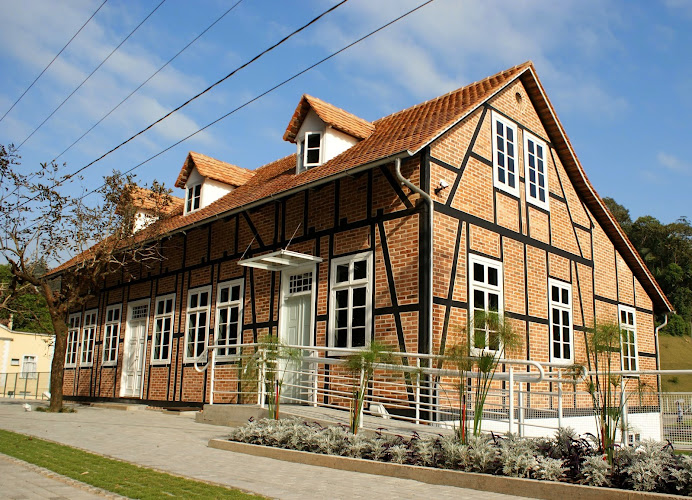
Museu Hering
About Museu Hering
Description
The Museu Hering stands as a fascinating testament to Brazil's industrial heritage and the remarkable story of one of South America's most influential textile companies. Located in Blumenau, this museum offers travelers a unique glimpse into the evolution of fashion, manufacturing, and immigrant culture in southern Brazil. And honestly, it's one of those places that might not grab headlines internationally, but once you step inside, you realize you've stumbled onto something pretty special. What makes this place genuinely interesting is how it weaves together multiple narratives - the personal journey of the Hering brothers who immigrated from Germany, the technological advancement of textile production, and the broader story of how European settlers shaped the cultural landscape of Santa Catarina. I've visited plenty of corporate museums that feel like extended advertisements, but this one manages to strike a balance between honoring the company's legacy and offering genuine historical insight. The museum itself occupies a thoughtfully designed space that guides visitors through different eras of production, from the earliest hand-operated looms to modern manufacturing techniques. You'll find vintage clothing pieces, machinery that looks like it belongs in a steampunk novel, and photographs that capture the daily lives of factory workers spanning several generations. It's the kind of place where even people who don't normally get excited about industrial history find themselves surprisingly engaged. For travelers exploring the German-influenced regions of Brazil, the Museu Hering provides valuable context about how these immigrant communities built successful enterprises while maintaining their cultural identity. The museum doesn't shy away from showing the hard work and challenges involved in establishing a business in a new land, which I appreciate. There's authenticity here that you don't always find in institutional settings.Key Features
The Museu Hering offers several distinctive elements that make it worth including on your Blumenau itinerary:- Extensive collection of vintage Hering clothing and textiles spanning over a century, showcasing how Brazilian fashion evolved alongside global trends
- Impressive displays of historical textile machinery, including original looms and knitting equipment that demonstrate the technological progression of garment manufacturing
- Interactive exhibits where visitors can actually touch fabrics and understand different weaving techniques - because learning by doing beats reading plaques any day
- Comprehensive photographic archives documenting worker life, factory conditions, and the social dynamics of industrial Blumenau throughout the 20th century
- Rotating temporary exhibitions that highlight contemporary textile arts, sustainable fashion practices, and emerging designers from the region
- Complete wheelchair accessibility throughout the facility, including entrance, restrooms, and parking areas, making it genuinely inclusive for all visitors
- Free parking on-site, which is honestly a blessing when you're navigating an unfamiliar city
- Kid-friendly spaces and activities that help younger visitors engage with industrial history without getting bored after five minutes
- Well-preserved archival materials and documents that appeal to history buffs and researchers interested in Brazilian immigration patterns
- Bilingual information in Portuguese and German, reflecting the region's cultural heritage
Best Time to Visit
Timing your visit to the Museu Hering requires thinking about both weather patterns and local event schedules. Blumenau experiences distinct seasons, and each offers different advantages for museum visitors. The shoulder seasons of April-May and August-September typically provide the most comfortable visiting conditions. During these months, you'll encounter moderate temperatures and fewer crowds than peak summer or Oktoberfest season. The museum maintains pleasant indoor climate control year-round, but exploring Blumenau's other attractions becomes more enjoyable when you're not battling extreme heat or heavy rain. Speaking of Oktoberfest - if you're planning to visit Blumenau during this famous October celebration, expect significantly larger crowds throughout the city, including at the museum. But there's something undeniably fun about experiencing the museum within the context of the city's biggest cultural event. You gain a deeper appreciation for how German heritage shaped this region when you're literally surrounded by its manifestations. Summer months (December-February) bring Brazilian vacation season, which means more families visiting and potentially longer wait times. However, the museum rarely gets so crowded that it diminishes the experience. I'd actually argue that visiting on a rainy summer afternoon provides a perfect cultural escape from the weather while still making progress on your Blumenau sightseeing goals. Winter (June-July) can be surprisingly chilly in southern Brazil, and the museum offers a warm, engaging indoor activity. Plus, you'll often have galleries nearly to yourself on weekday mornings, which creates an entirely different viewing experience. There's something meditative about examining historical artifacts without competing for space with tour groups. Weekday visits generally offer a more relaxed atmosphere than weekends, particularly if you arrive shortly after opening. And if you're traveling with children, mornings tend to work better before the inevitable energy crash that makes even the most fascinating museum feel like torture.How to Get There
Reaching the Museu Hering is straightforward once you understand Blumenau's layout, though first-time visitors to the city might need a moment to orient themselves. Most international travelers will arrive via Navegantes Airport, located about 35 kilometers from Blumenau. From there, you have several options. Renting a car provides the most flexibility for exploring the region and makes the museum easily accessible. The drive takes roughly 40 minutes under normal traffic conditions, and having your own vehicle means you can combine the museum visit with other area attractions without relying on public transportation schedules. Taxi and ride-sharing services operate regularly between the airport and Blumenau. Just make sure your driver understands your destination - showing them the museum name written down can prevent confusion. The fare runs moderate by Brazilian standards, though splitting the cost among travel companions makes it quite reasonable. If you're already based in Blumenau, the museum is accessible via local bus service. Several routes pass near the facility, and locals generally provide helpful directions if you ask politely. That said, bus schedules can be less frequent than visitors from major metropolitan areas might expect, so build in buffer time. For those driving, the museum provides free on-site parking, which eliminates one of the usual headaches of urban sightseeing. The lot accommodates standard vehicles as well as accessible parking spaces close to the entrance. Navigation apps generally pinpoint the location accurately, though occasionally Brazilian GPS can get creative with route suggestions. Walking from central Blumenau hotels is possible but depends entirely on your specific accommodation location and tolerance for hills. The city's topography includes some significant elevation changes that might not be obvious when studying flat maps.Tips for Visiting
Making the most of your Museu Hering experience involves some practical considerations that might not be immediately obvious. First off, allocate more time than you initially think you'll need. Most visitors underestimate how engaging the exhibits are and end up rushing through the later galleries. Plan for at least 90 minutes to two hours for a thorough visit, longer if you're particularly interested in textile history or plan to read all the detailed descriptions. The museum provides restroom facilities on-site, which is worth noting since you won't need to cut your visit short for basic necessities. However, there's no restaurant or café within the museum itself. I'd recommend eating before you arrive or planning a meal afterward at one of Blumenau's many restaurants. Trying to tour exhibits while hungry or dealing with cranky children demanding snacks never enhances the cultural experience. Photography policies are generally permissive for personal use, but verify current rules upon arrival. Some temporary exhibitions might have restrictions, and using flash can damage delicate textile artifacts. Be respectful of preservation efforts - these items have survived decades or even centuries, and we want them around for future generations. If you're traveling with kids, engage them early by framing the visit as a detective mission or scavenger hunt. The museum includes enough visual interest to hold children's attention if presented properly, but expect that their tolerance will be shorter than adults. The kid-friendly designation is accurate, though teenagers might need some convincing about why old clothing and machinery matter. Portuguese language skills help but aren't absolutely essential. Many exhibits include visual elements that communicate across language barriers, and the museum staff generally tries to accommodate non-Portuguese speakers. That said, downloading a translation app beforehand can enhance your understanding of detailed historical information. Comfortable walking shoes are non-negotiable. The museum involves standing and moving through multiple gallery spaces, and fashionable-but-painful footwear will make you miserable by the halfway point. Consider combining your museum visit with other Blumenau attractions to maximize your time in the city. The location works well as part of a broader cultural day that might include the city's other museums, architectural sites, or natural areas. Check the museum's schedule for any special events or temporary exhibitions that might align with your visit dates. These rotating displays often showcase contemporary artists or specific historical themes that add extra dimension to the permanent collection. Finally, approach the experience with genuine curiosity rather than obligation. Museums reveal their magic when you engage actively rather than just checking boxes on a tourist itinerary. Ask questions, examine details, and let yourself get surprised by unexpected connections between past and present.Key Features
- Exhibits on Hering company history and evolution of textile production
- Historic enxaimel (half-timbered) building and preserved industrial architecture
- Collections of garments, advertising, photographs and factory artifacts
- Interactive and multimedia displays that contextualize social and labor history
- Free or low-cost local access and proximity to central Blumenau attractions
More Details
Updated March 30, 2026
Table of Contents
Description
The Museu Hering stands as a fascinating testament to Brazil’s industrial heritage and the remarkable story of one of South America’s most influential textile companies. Located in Blumenau, this museum offers travelers a unique glimpse into the evolution of fashion, manufacturing, and immigrant culture in southern Brazil. And honestly, it’s one of those places that might not grab headlines internationally, but once you step inside, you realize you’ve stumbled onto something pretty special.
What makes this place genuinely interesting is how it weaves together multiple narratives – the personal journey of the Hering brothers who immigrated from Germany, the technological advancement of textile production, and the broader story of how European settlers shaped the cultural landscape of Santa Catarina. I’ve visited plenty of corporate museums that feel like extended advertisements, but this one manages to strike a balance between honoring the company’s legacy and offering genuine historical insight.
The museum itself occupies a thoughtfully designed space that guides visitors through different eras of production, from the earliest hand-operated looms to modern manufacturing techniques. You’ll find vintage clothing pieces, machinery that looks like it belongs in a steampunk novel, and photographs that capture the daily lives of factory workers spanning several generations. It’s the kind of place where even people who don’t normally get excited about industrial history find themselves surprisingly engaged.
For travelers exploring the German-influenced regions of Brazil, the Museu Hering provides valuable context about how these immigrant communities built successful enterprises while maintaining their cultural identity. The museum doesn’t shy away from showing the hard work and challenges involved in establishing a business in a new land, which I appreciate. There’s authenticity here that you don’t always find in institutional settings.
Key Features
The Museu Hering offers several distinctive elements that make it worth including on your Blumenau itinerary:
- Extensive collection of vintage Hering clothing and textiles spanning over a century, showcasing how Brazilian fashion evolved alongside global trends
- Impressive displays of historical textile machinery, including original looms and knitting equipment that demonstrate the technological progression of garment manufacturing
- Interactive exhibits where visitors can actually touch fabrics and understand different weaving techniques – because learning by doing beats reading plaques any day
- Comprehensive photographic archives documenting worker life, factory conditions, and the social dynamics of industrial Blumenau throughout the 20th century
- Rotating temporary exhibitions that highlight contemporary textile arts, sustainable fashion practices, and emerging designers from the region
- Complete wheelchair accessibility throughout the facility, including entrance, restrooms, and parking areas, making it genuinely inclusive for all visitors
- Free parking on-site, which is honestly a blessing when you’re navigating an unfamiliar city
- Kid-friendly spaces and activities that help younger visitors engage with industrial history without getting bored after five minutes
- Well-preserved archival materials and documents that appeal to history buffs and researchers interested in Brazilian immigration patterns
- Bilingual information in Portuguese and German, reflecting the region’s cultural heritage
Best Time to Visit
Timing your visit to the Museu Hering requires thinking about both weather patterns and local event schedules. Blumenau experiences distinct seasons, and each offers different advantages for museum visitors.
The shoulder seasons of April-May and August-September typically provide the most comfortable visiting conditions. During these months, you’ll encounter moderate temperatures and fewer crowds than peak summer or Oktoberfest season. The museum maintains pleasant indoor climate control year-round, but exploring Blumenau’s other attractions becomes more enjoyable when you’re not battling extreme heat or heavy rain.
Speaking of Oktoberfest – if you’re planning to visit Blumenau during this famous October celebration, expect significantly larger crowds throughout the city, including at the museum. But there’s something undeniably fun about experiencing the museum within the context of the city’s biggest cultural event. You gain a deeper appreciation for how German heritage shaped this region when you’re literally surrounded by its manifestations.
Summer months (December-February) bring Brazilian vacation season, which means more families visiting and potentially longer wait times. However, the museum rarely gets so crowded that it diminishes the experience. I’d actually argue that visiting on a rainy summer afternoon provides a perfect cultural escape from the weather while still making progress on your Blumenau sightseeing goals.
Winter (June-July) can be surprisingly chilly in southern Brazil, and the museum offers a warm, engaging indoor activity. Plus, you’ll often have galleries nearly to yourself on weekday mornings, which creates an entirely different viewing experience. There’s something meditative about examining historical artifacts without competing for space with tour groups.
Weekday visits generally offer a more relaxed atmosphere than weekends, particularly if you arrive shortly after opening. And if you’re traveling with children, mornings tend to work better before the inevitable energy crash that makes even the most fascinating museum feel like torture.
How to Get There
Reaching the Museu Hering is straightforward once you understand Blumenau’s layout, though first-time visitors to the city might need a moment to orient themselves.
Most international travelers will arrive via Navegantes Airport, located about 35 kilometers from Blumenau. From there, you have several options. Renting a car provides the most flexibility for exploring the region and makes the museum easily accessible. The drive takes roughly 40 minutes under normal traffic conditions, and having your own vehicle means you can combine the museum visit with other area attractions without relying on public transportation schedules.
Taxi and ride-sharing services operate regularly between the airport and Blumenau. Just make sure your driver understands your destination – showing them the museum name written down can prevent confusion. The fare runs moderate by Brazilian standards, though splitting the cost among travel companions makes it quite reasonable.
If you’re already based in Blumenau, the museum is accessible via local bus service. Several routes pass near the facility, and locals generally provide helpful directions if you ask politely. That said, bus schedules can be less frequent than visitors from major metropolitan areas might expect, so build in buffer time.
For those driving, the museum provides free on-site parking, which eliminates one of the usual headaches of urban sightseeing. The lot accommodates standard vehicles as well as accessible parking spaces close to the entrance. Navigation apps generally pinpoint the location accurately, though occasionally Brazilian GPS can get creative with route suggestions.
Walking from central Blumenau hotels is possible but depends entirely on your specific accommodation location and tolerance for hills. The city’s topography includes some significant elevation changes that might not be obvious when studying flat maps.
Tips for Visiting
Making the most of your Museu Hering experience involves some practical considerations that might not be immediately obvious.
First off, allocate more time than you initially think you’ll need. Most visitors underestimate how engaging the exhibits are and end up rushing through the later galleries. Plan for at least 90 minutes to two hours for a thorough visit, longer if you’re particularly interested in textile history or plan to read all the detailed descriptions.
The museum provides restroom facilities on-site, which is worth noting since you won’t need to cut your visit short for basic necessities. However, there’s no restaurant or café within the museum itself. I’d recommend eating before you arrive or planning a meal afterward at one of Blumenau’s many restaurants. Trying to tour exhibits while hungry or dealing with cranky children demanding snacks never enhances the cultural experience.
Photography policies are generally permissive for personal use, but verify current rules upon arrival. Some temporary exhibitions might have restrictions, and using flash can damage delicate textile artifacts. Be respectful of preservation efforts – these items have survived decades or even centuries, and we want them around for future generations.
If you’re traveling with kids, engage them early by framing the visit as a detective mission or scavenger hunt. The museum includes enough visual interest to hold children’s attention if presented properly, but expect that their tolerance will be shorter than adults. The kid-friendly designation is accurate, though teenagers might need some convincing about why old clothing and machinery matter.
Portuguese language skills help but aren’t absolutely essential. Many exhibits include visual elements that communicate across language barriers, and the museum staff generally tries to accommodate non-Portuguese speakers. That said, downloading a translation app beforehand can enhance your understanding of detailed historical information.
Comfortable walking shoes are non-negotiable. The museum involves standing and moving through multiple gallery spaces, and fashionable-but-painful footwear will make you miserable by the halfway point.
Consider combining your museum visit with other Blumenau attractions to maximize your time in the city. The location works well as part of a broader cultural day that might include the city’s other museums, architectural sites, or natural areas.
Check the museum’s schedule for any special events or temporary exhibitions that might align with your visit dates. These rotating displays often showcase contemporary artists or specific historical themes that add extra dimension to the permanent collection.
Finally, approach the experience with genuine curiosity rather than obligation. Museums reveal their magic when you engage actively rather than just checking boxes on a tourist itinerary. Ask questions, examine details, and let yourself get surprised by unexpected connections between past and present.
Key Highlights
- Exhibits on Hering company history and evolution of textile production
- Historic enxaimel (half-timbered) building and preserved industrial architecture
- Collections of garments, advertising, photographs and factory artifacts
- Interactive and multimedia displays that contextualize social and labor history
- Free or low-cost local access and proximity to central Blumenau attractions
Location
Places to Stay Near Museu Hering
Find and Book a Tour
Explore More Travel Guides
No reviews found! Be the first to review!
Museu Hering is a prominent museums located in Blumenau.
Visit us at: R. Hermann Hering, 1740 – Bom Retiro, Blumenau – SC, 89010-600, Brazil.
Traveler Reviews for Museu Hering
There are no reviews yet. Be the first one to write one.
Have you visited Museu Hering? Help other travelers by sharing your review.
Nearby Attractions
You Might Also Like
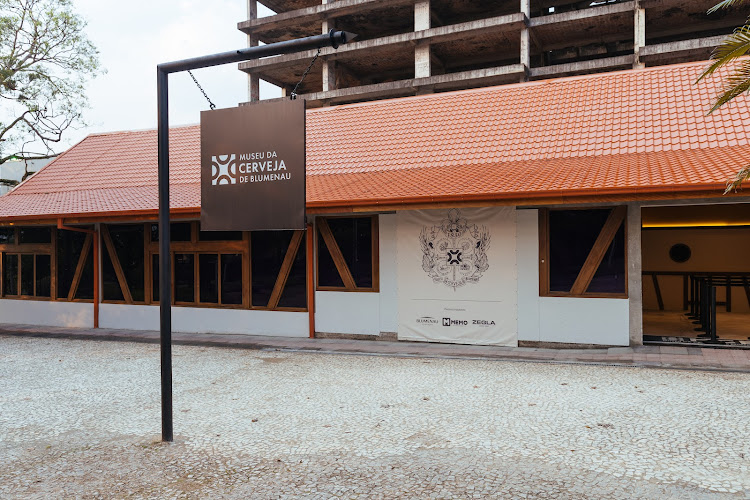
Beer Museum Blumenau
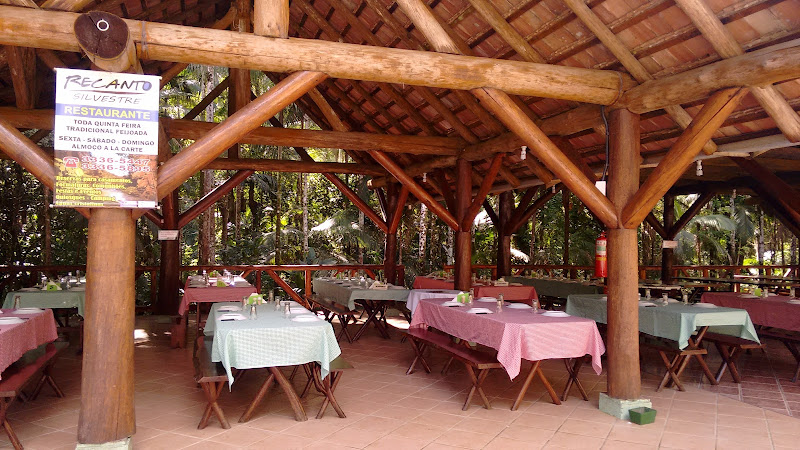
Recanto Silvestre
Monumento Olavo Bilac, Av. Presidente Castelo Branco, 1185, Blumenau - SC
Find Accommodations Nearby
Recommended Tours & Activities
Visitor Reviews
There are no reviews yet. Be the first one to write one.
Share Your Experience
Have you visited Museu Hering? Help other travelers by leaving a review.