
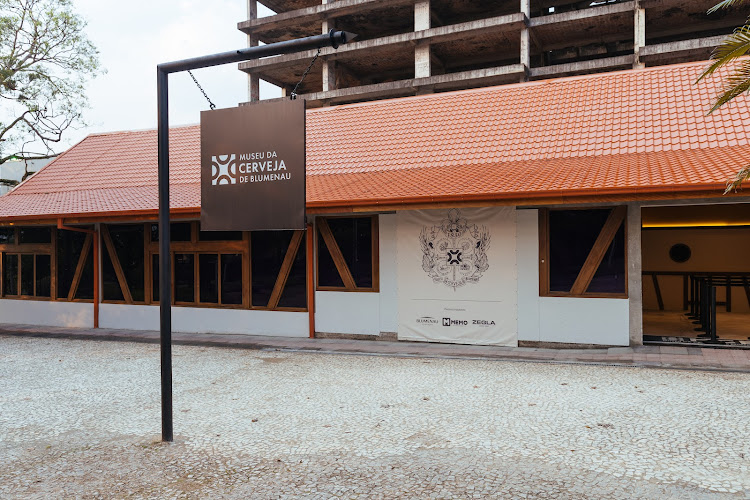
Beer Museum Blumenau
About Beer Museum Blumenau
Description
The Beer Museum Blumenau is the kind of place that quietly explains why this city takes beer so seriously. It sits right in the historical heart of Blumenau and tells a story that goes way beyond what’s in your glass. The museum focuses on the region’s long relationship with beer production, tracing it back to German immigrants who arrived here in the 19th century carrying brewing traditions like family heirlooms. And yes, those traditions stuck. Hard.
The museum isn’t huge, and that’s part of its charm. It feels more like walking through a carefully kept family album than a grand, echoing institution. Visitors move through exhibits filled with antique brewing equipment, old bottles with faded labels, copper kettles, and black-and-white photos that make you pause longer than you expected. Some displays use videos to explain brewing processes, while others simply let the objects speak. And they do, quietly but clearly.
The tone inside is informative without being stiff. It doesn’t talk down to you if you’re new to beer culture, and it doesn’t overcomplicate things if you already know your lagers from your ales. That balance matters. The museum recognizes that travelers come with different levels of curiosity. Some are hardcore beer fans planning their whole trip around breweries. Others just wandered in after lunch because, well, Blumenau and beer seem inseparable.
What stands out most is how regional the story feels. This is not a generic beer museum trying to cover the whole world. It stays grounded in Santa Catarina, in Blumenau, in local families and small breweries that eventually shaped Brazil’s craft beer movement. And honestly, that focus makes it more interesting. You leave with a better sense of why Oktoberfest here isn’t just a copied party, but a continuation of something much older.
It’s also a place that doesn’t rush you. Visitors can take their time reading, watching, and occasionally debating among themselves about which brewing method sounds better. The atmosphere is relaxed, a bit nostalgic, and very Blumenau. And if the museum feels modest in size, the story it tells definitely isn’t.
Key Features
- Exhibits showcasing antique brewing equipment used by early German settlers
- Informative videos explaining traditional and modern beer production methods
- Displays focused specifically on Blumenau and Santa Catarina’s beer history
- Degustation area where visitors can sample beers and connect theory with taste
- Wheelchair accessible entrance, restrooms, and parking facilities
- Family-friendly environment that welcomes curious kids (and patient parents)
- Free parking lot, which is more valuable than it sounds in busy seasons
The degustation aspect deserves a special mention. It’s not overwhelming or party-like. Instead, it’s thoughtful. You’re encouraged to taste slowly, to notice differences, to maybe say “oh, that’s interesting” out loud. The museum treats beer as culture, not just a drink, and that approach really shows here.
Best Time to Visit
The Beer Museum Blumenau works year-round, but timing can shape your experience more than you might think. During weekdays, especially in the morning or early afternoon, the museum feels calm and almost meditative. You can linger in front of displays, rewatch a video, or chat quietly without feeling rushed. For travelers who like absorbing details, this is the sweet spot.
Weekends are busier, particularly when Blumenau is hosting events or welcoming cruise-style tour groups. There’s more energy then, more chatter, and honestly, a bit less space to drift. But there’s also something fun about hearing multiple languages and seeing how different people react to the same exhibits.
And then there’s Oktoberfest season. Visiting during that time is a double-edged sword. On one hand, the museum feels more relevant than ever. Everything you see inside connects directly to what’s happening outside in the city. On the other hand, it can get crowded, and patience becomes part of the ticket price. If someone enjoys context before chaos, visiting the museum early in the day during Oktoberfest is a smart move.
Weather doesn’t matter much since everything is indoors. Rainy days, in fact, are perfect. There’s something comforting about learning beer history while the sky does whatever it wants outside.
How to Get There
The Beer Museum Blumenau is centrally located, which makes getting there refreshingly simple. Travelers staying in or near the city center can usually walk. And walking is recommended, because Blumenau’s streets tell their own story, especially around historic areas.
For those staying farther out, taxis and ride-hailing services are reliable and affordable. Drivers know the museum well, so there’s no awkward explaining or map-pointing. Public transportation also works, though routes may require a little planning if you’re unfamiliar with the system.
If you’re driving, the free parking lot is a genuine perk. It removes the stress of circling blocks or calculating parking fees in your head while trying to enjoy a museum visit. Accessibility features make arrival easier for visitors with mobility needs, which is something not all attractions get right, but this one does.
Tips for Visiting
First tip: don’t rush it. The museum may look small at first glance, but it rewards slow exploration. Reading the captions actually matters here. They’re not filler text. They connect names, dates, and machines into a story that makes sense.
Second, if you’re doing the degustation, pace yourself. It’s tempting to treat it like a quick tasting stop, but the experience is better when you take a moment to think about what you’re drinking and how it ties back to the exhibits. And yes, even if you think you already know beer, you might be surprised.
Third, talk to the staff if you get the chance. Not everyone realizes this, but they often have personal connections to the brewing culture in the region. A casual question can turn into a short story you won’t find on any display panel. I once asked about an old piece of equipment and ended up hearing a family anecdote that made the whole visit feel more human. That stuck with me.
If you’re visiting with kids, manage expectations. The museum is kid-friendly, but it’s still a museum. Younger children may enjoy the visuals and the idea of big machines, but they’ll need some guidance to stay engaged. Older kids, especially teens, often find the immigration and cultural angle more interesting than expected.
Finally, pair the visit with something nearby. The museum works beautifully as part of a half-day plan. See the exhibits, enjoy the degustation, then head out to explore more of Blumenau’s food or architecture. The museum gives you context, and the city fills in the rest.
The Beer Museum Blumenau isn’t flashy. It doesn’t need to be. It’s thoughtful, grounded, and quietly confident in what it offers. For travelers who want to understand why beer matters here, not just drink it, this place delivers. And maybe, just maybe, it’ll change how you taste your next beer. Or at least make you pause before the first sip.
Key Features
- Exhibits showcasing antique brewing equipment used by early German settlers
- Informative videos explaining traditional and modern beer production methods
- Displays focused specifically on Blumenau and Santa Catarina’s beer history
- Degustation area where visitors can sample beers and connect theory with taste
- Wheelchair accessible entrance, restrooms, and parking facilities
- Family-friendly environment that welcomes curious kids (and patient parents)
- Free parking lot, which is more valuable than it sounds in busy seasons
More Details
Updated December 31, 2025
Table of Contents
Description
The Beer Museum Blumenau is the kind of place that quietly explains why this city takes beer so seriously. It sits right in the historical heart of Blumenau and tells a story that goes way beyond what’s in your glass. The museum focuses on the region’s long relationship with beer production, tracing it back to German immigrants who arrived here in the 19th century carrying brewing traditions like family heirlooms. And yes, those traditions stuck. Hard.
The museum isn’t huge, and that’s part of its charm. It feels more like walking through a carefully kept family album than a grand, echoing institution. Visitors move through exhibits filled with antique brewing equipment, old bottles with faded labels, copper kettles, and black-and-white photos that make you pause longer than you expected. Some displays use videos to explain brewing processes, while others simply let the objects speak. And they do, quietly but clearly.
The tone inside is informative without being stiff. It doesn’t talk down to you if you’re new to beer culture, and it doesn’t overcomplicate things if you already know your lagers from your ales. That balance matters. The museum recognizes that travelers come with different levels of curiosity. Some are hardcore beer fans planning their whole trip around breweries. Others just wandered in after lunch because, well, Blumenau and beer seem inseparable.
What stands out most is how regional the story feels. This is not a generic beer museum trying to cover the whole world. It stays grounded in Santa Catarina, in Blumenau, in local families and small breweries that eventually shaped Brazil’s craft beer movement. And honestly, that focus makes it more interesting. You leave with a better sense of why Oktoberfest here isn’t just a copied party, but a continuation of something much older.
It’s also a place that doesn’t rush you. Visitors can take their time reading, watching, and occasionally debating among themselves about which brewing method sounds better. The atmosphere is relaxed, a bit nostalgic, and very Blumenau. And if the museum feels modest in size, the story it tells definitely isn’t.
Key Features
- Exhibits showcasing antique brewing equipment used by early German settlers
- Informative videos explaining traditional and modern beer production methods
- Displays focused specifically on Blumenau and Santa Catarina’s beer history
- Degustation area where visitors can sample beers and connect theory with taste
- Wheelchair accessible entrance, restrooms, and parking facilities
- Family-friendly environment that welcomes curious kids (and patient parents)
- Free parking lot, which is more valuable than it sounds in busy seasons
The degustation aspect deserves a special mention. It’s not overwhelming or party-like. Instead, it’s thoughtful. You’re encouraged to taste slowly, to notice differences, to maybe say “oh, that’s interesting” out loud. The museum treats beer as culture, not just a drink, and that approach really shows here.
Best Time to Visit
The Beer Museum Blumenau works year-round, but timing can shape your experience more than you might think. During weekdays, especially in the morning or early afternoon, the museum feels calm and almost meditative. You can linger in front of displays, rewatch a video, or chat quietly without feeling rushed. For travelers who like absorbing details, this is the sweet spot.
Weekends are busier, particularly when Blumenau is hosting events or welcoming cruise-style tour groups. There’s more energy then, more chatter, and honestly, a bit less space to drift. But there’s also something fun about hearing multiple languages and seeing how different people react to the same exhibits.
And then there’s Oktoberfest season. Visiting during that time is a double-edged sword. On one hand, the museum feels more relevant than ever. Everything you see inside connects directly to what’s happening outside in the city. On the other hand, it can get crowded, and patience becomes part of the ticket price. If someone enjoys context before chaos, visiting the museum early in the day during Oktoberfest is a smart move.
Weather doesn’t matter much since everything is indoors. Rainy days, in fact, are perfect. There’s something comforting about learning beer history while the sky does whatever it wants outside.
How to Get There
The Beer Museum Blumenau is centrally located, which makes getting there refreshingly simple. Travelers staying in or near the city center can usually walk. And walking is recommended, because Blumenau’s streets tell their own story, especially around historic areas.
For those staying farther out, taxis and ride-hailing services are reliable and affordable. Drivers know the museum well, so there’s no awkward explaining or map-pointing. Public transportation also works, though routes may require a little planning if you’re unfamiliar with the system.
If you’re driving, the free parking lot is a genuine perk. It removes the stress of circling blocks or calculating parking fees in your head while trying to enjoy a museum visit. Accessibility features make arrival easier for visitors with mobility needs, which is something not all attractions get right, but this one does.
Tips for Visiting
First tip: don’t rush it. The museum may look small at first glance, but it rewards slow exploration. Reading the captions actually matters here. They’re not filler text. They connect names, dates, and machines into a story that makes sense.
Second, if you’re doing the degustation, pace yourself. It’s tempting to treat it like a quick tasting stop, but the experience is better when you take a moment to think about what you’re drinking and how it ties back to the exhibits. And yes, even if you think you already know beer, you might be surprised.
Third, talk to the staff if you get the chance. Not everyone realizes this, but they often have personal connections to the brewing culture in the region. A casual question can turn into a short story you won’t find on any display panel. I once asked about an old piece of equipment and ended up hearing a family anecdote that made the whole visit feel more human. That stuck with me.
If you’re visiting with kids, manage expectations. The museum is kid-friendly, but it’s still a museum. Younger children may enjoy the visuals and the idea of big machines, but they’ll need some guidance to stay engaged. Older kids, especially teens, often find the immigration and cultural angle more interesting than expected.
Finally, pair the visit with something nearby. The museum works beautifully as part of a half-day plan. See the exhibits, enjoy the degustation, then head out to explore more of Blumenau’s food or architecture. The museum gives you context, and the city fills in the rest.
The Beer Museum Blumenau isn’t flashy. It doesn’t need to be. It’s thoughtful, grounded, and quietly confident in what it offers. For travelers who want to understand why beer matters here, not just drink it, this place delivers. And maybe, just maybe, it’ll change how you taste your next beer. Or at least make you pause before the first sip.
Key Highlights
- Exhibits showcasing antique brewing equipment used by early German settlers
- Informative videos explaining traditional and modern beer production methods
- Displays focused specifically on Blumenau and Santa Catarina’s beer history
- Degustation area where visitors can sample beers and connect theory with taste
- Wheelchair accessible entrance, restrooms, and parking facilities
- Family-friendly environment that welcomes curious kids (and patient parents)
- Free parking lot, which is more valuable than it sounds in busy seasons
Location
Places to Stay Near Beer Museum Blumenau
Find and Book a Tour
Explore More Travel Guides
No reviews found! Be the first to review!
Traveler Reviews for Beer Museum Blumenau
There are no reviews yet. Be the first one to write one.
Have you visited Beer Museum Blumenau? Help other travelers by sharing your review.
You Might Also Like
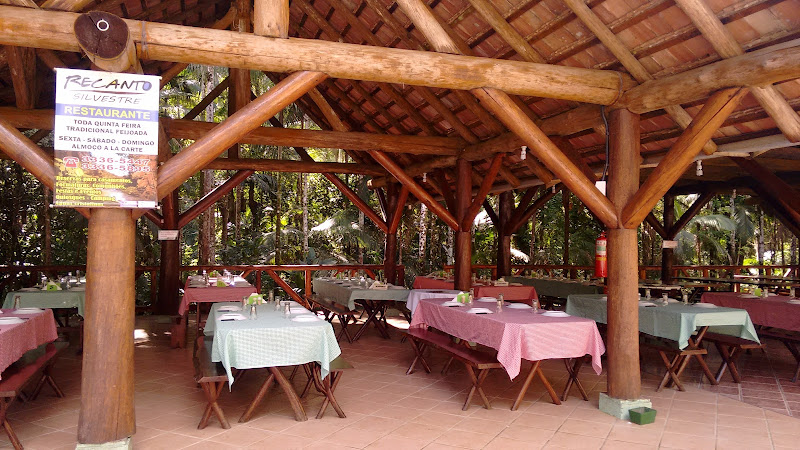
Recanto Silvestre
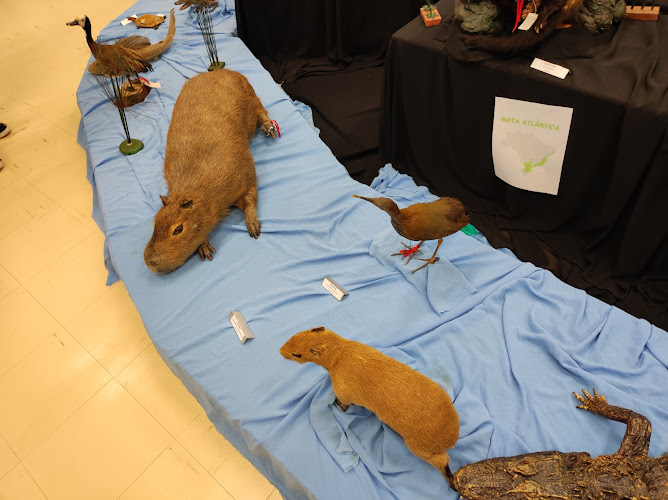
Exposição Científica Fritz Müller

Letreiro Ich Liebe Blumenau
Find Accommodations Nearby
Recommended Tours & Activities
Visitor Reviews
There are no reviews yet. Be the first one to write one.
Share Your Experience
Have you visited Beer Museum Blumenau? Help other travelers by leaving a review.