
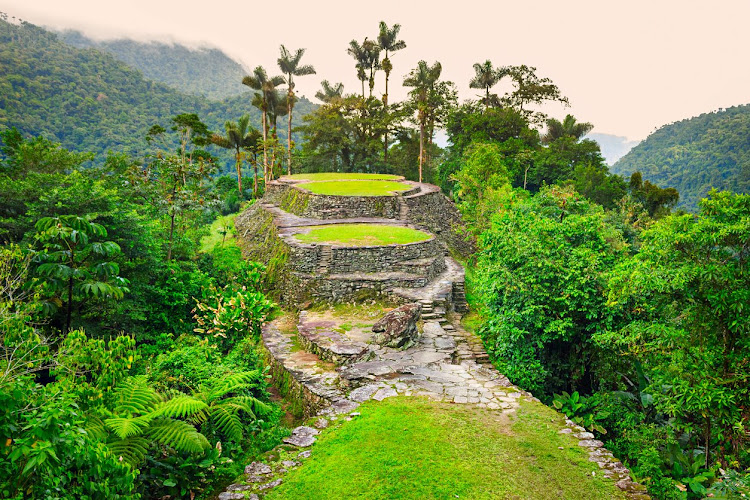
Ciudad Perdida
About Ciudad Perdida
Deep in the heart of Colombia's Sierra Nevada mountains, the Ciudad Perdida—or Lost City—stands as one of South America's most remarkable archaeological treasures. Built around 800 CE by the Tairona civilization, this ancient settlement predates Machu Picchu by roughly 650 years, though it receives a fraction of the tourist traffic. And honestly? That's part of what makes it so special.
The trek to reach this historical landmark isn't for everyone, but those who make the journey often describe it as life-changing. We're talking about a multi-day hike through dense jungle, across rivers, and up approximately 1,200 stone steps that lead to the terraced city itself. The Tairona people constructed this mountain refuge as a political and trading center, and walking through its remains today feels like stepping back in time to a world most travelers never knew existed.
What strikes visitors most is the setting. The archaeological site sits at around 1,200 meters above sea level, surrounded by thick vegetation that kept it hidden from the outside world until 1972. Local indigenous communities—the Kogi, Wiwa, Arhuaco, and Kankuamo peoples—always knew about the city, of course. They consider it a sacred place, and their continued presence in the region adds a spiritual dimension to any visit that you won't find at many other archaeological sites.
The city itself sprawls across several terraced platforms that were once home to somewhere between 2,000 and 8,000 people. Stone pathways connect circular terraces where wooden structures once stood, though those have long since disappeared into the jungle. What remains are the foundations, the steps, the retaining walls—all testament to the Tairona's impressive engineering skills. And when you're standing there in the early morning mist, with howler monkeys calling in the distance, you can almost imagine what life might have been like centuries ago.
Key Features
The Ciudad Perdida experience offers travelers several distinctive elements that set it apart from other archaeological destinations:
- Over 170 stone terraces carved into the mountainside, creating a series of platforms that cascade down the slope like giant steps
- The famous 1,200-step stone staircase leading to the main entrance—yes, your legs will feel it, but the view from the top makes every step worthwhile
- Ancient stone pathways and irrigation systems that demonstrate the Tairona civilization's sophisticated understanding of mountain engineering
- Multiple river crossings during the trek, some requiring you to wade through waist-deep water (bring a dry bag!)
- Opportunities to interact with indigenous communities who still inhabit the Sierra Nevada and maintain their ancestral traditions
- Spectacular biodiversity including exotic birds, butterflies, and if you're lucky, the occasional snake or tarantula (don't worry, they're more scared of you)
- Small group trekking experiences that create camaraderie among travelers from around the world
- Camping facilities along the trail where you'll sleep in hammocks or basic bunks while listening to the sounds of the jungle
- Swimming holes at various points along the route—perfect for cooling off after hours of hiking in tropical heat
- The preserved stone foundations and platforms that give you a real sense of the city's original layout and scale
- Minimal commercialization compared to other famous archaeological sites, maintaining an authentic exploration feel
Best Time to Visit
Here's the thing about timing your trek to Ciudad Perdida—there really isn't a "perfect" time because you're hiking through a rainforest, which means you should expect rain regardless of when you go. But some periods are definitely better than others.
The dry season runs from December through March, and this is when most travelers plan their trips. I've talked to people who went during these months and still got rained on daily, but the trails tend to be less muddy and the river crossings slightly less treacherous. The heat can be intense though, with temperatures climbing into the mid-30s Celsius (that's the 90s Fahrenheit for my American friends).
July and August represent another popular window. These months fall within a secondary dry period, though "dry" is relative in a tropical mountain environment. What you'll notice during these months is more crowds—well, as crowded as a multi-day jungle trek can get. Even during peak season, you're not dealing with Machu Picchu-level tourist masses.
The wet season, from April through June and September through November, brings heavier rainfall and more challenging conditions. But—and hear me out on this—there's something magical about trekking through the jungle when everything is lush and green, waterfalls are at their fullest, and you have the trails nearly to yourself. You'll definitely get wet, your clothes might never fully dry during the trek, and the mosquitos can be fierce. Yet some travelers actually prefer these months for the dramatic scenery and reduced foot traffic.
Temperature-wise, expect warmth and humidity year-round at lower elevations, with cooler conditions once you reach the Lost City itself. Morning temperatures at the archaeological site can dip to around 15°C (59°F), which feels positively chilly after days of jungle heat.
One factor many people don't consider is their own fitness level and hiking experience. If you're newer to multi-day treks, the dry season might be more forgiving as you navigate what is genuinely a challenging hike.
How to Get There
Getting to Ciudad Perdida requires some planning since you can't just show up and start hiking—the site is only accessible through authorized tour operators, and booking in advance is definitely recommended (sometimes even required depending on the season).
Your jumping-off point will be Santa Marta, a coastal city in northern Colombia. Most international travelers fly into Bogotá or Cartagena first, then catch a domestic flight or bus to Santa Marta. The bus journey from Cartagena takes about four hours and costs significantly less than flying, though the coastal highway can be a bit rough in places.
Once in Santa Marta, you'll need to book a tour—individual hiking isn't permitted to Ciudad Perdida, which protects both the site and ensures visitor safety. Tours typically last 4-5 days, with some operators offering a more condensed 3-day option (though that involves some seriously long hiking days that I wouldn't recommend unless you're in excellent shape).
The trek begins from either Machete or El Mamey, small villages about two hours from Santa Marta by 4x4 vehicle. Your tour operator handles this transportation. The road is... let's call it adventurous. It's unpaved, bumpy, and definitely not for those prone to carsickness.
From the trailhead, it's all on foot. The first day involves about 7-8 hours of hiking through farmland that gradually transitions to jungle. You'll cross the Buritaca River multiple times—sometimes over bridges, sometimes by wading through the water itself. Each day brings different terrain and challenges, with the climb to the Lost City happening on the third day for most standard itineraries.
The return journey retraces your steps, though many trekkers find it passes more quickly despite tired legs. Something about knowing what to expect makes the rivers, hills, and steps feel less daunting the second time around.
Transportation back to Santa Marta is included in tour packages, and you'll arrive exhausted, muddy, and probably sporting some impressive bug bites. But also exhilarated.
Tips for Visiting
Preparing for Ciudad Perdida isn't quite like packing for your typical vacation, and getting the details right can make the difference between an incredible experience and a miserable slog through the jungle.
First off, let's talk fitness. Be honest with yourself about your physical condition. This trek involves hiking for 6-8 hours daily over uneven terrain, in heat and humidity, while carrying a daypack. If your idea of exercise is walking from the couch to the refrigerator, maybe spend a few months training before you book. I'm not saying you need to be an ultra-marathoner, but you should be comfortable with sustained physical activity.
Pack light but smart. You'll carry a daypack with essentials while porters or mules transport larger bags between camps. Bring quick-dry clothing, not cotton—once cotton gets wet in the jungle, it stays wet. A good pair of broken-in hiking boots is essential, though some people actually prefer hiking sandals like Tevas or Chacos for the river crossings. Bring both if you can manage it.
Water purification tablets or a filtration system are worth their weight in gold. Tour operators provide water, but having backup is wise. A headlamp with extra batteries is non-negotiable for early morning starts and nighttime bathroom trips. Speaking of which, facilities are basic—we're talking latrines, not flush toilets.
Insect repellent containing DEET will become your best friend. The bugs don't mess around in the jungle. I've heard stories from travelers who skimped on bug spray and regretted it deeply. Also pack sunscreen—you're near the equator, and the sun is stronger than you think even under cloud cover.
Bring cash in Colombian pesos. There are no ATMs on the trail, and you'll want money for beers, snacks, and tips for guides and cooks. Speaking of guides, they're incredibly knowledgeable about the local ecosystem, indigenous culture, and history—ask questions and learn from them.
Don't expect WiFi or cell service. The digital detox is part of the experience. Bring a real camera or use your phone's camera, but know that charging opportunities are limited. A portable battery pack can save you if documenting your journey matters to you.
The food provided on tours is typically good—hearty Colombian meals designed to fuel tired hikers. But if you have dietary restrictions, communicate them clearly when booking. Vegetarian options are usually available, but more specialized diets might require advance planning.
Mentally prepare for discomfort. You will get wet. You will get dirty. Your muscles will ache. There will be moments when you question your life choices as you're climbing yet another hill in 90% humidity. But push through, because reaching the Lost City is genuinely one of those bucket-list experiences that changes how you see the world.
Finally, approach the experience with respect. This isn't just a tourist attraction—it's a sacred site for indigenous communities and an important piece of human history. Follow your guide's instructions, don't remove anything from the site, and remember that you're a guest in a very special place.
The trek to Ciudad Perdida demands effort, preparation, and a willingness to step outside your comfort zone. But for travelers seeking authenticity over convenience and adventure over luxury, it delivers something increasingly rare in our connected, commercialized world—a genuine sense of discovery.
Key Features
- Terraced stone platforms and circular plazas built by the Tairona
- Multi-day jungle trek (typically 4–6 days round-trip) with river crossings and climbs
- Rich biodiversity: cloud forest, rivers, birdlife and endemic species
- Living indigenous presence and opportunities to learn about local cultures
- Panoramic mountain views and dramatic jungle scenery
Nearby Attractions
You Might Also Like
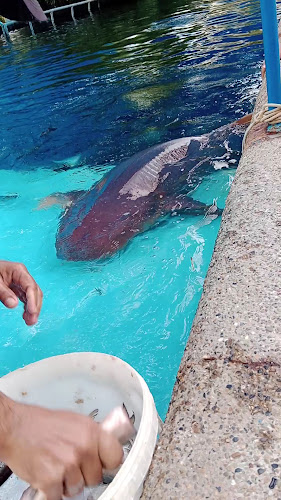
Acuario Mundo Marino
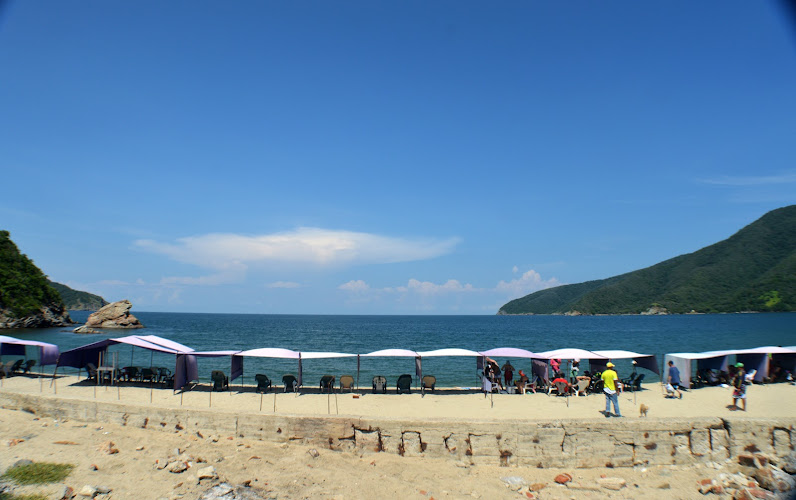
Bahía Concha Entrada
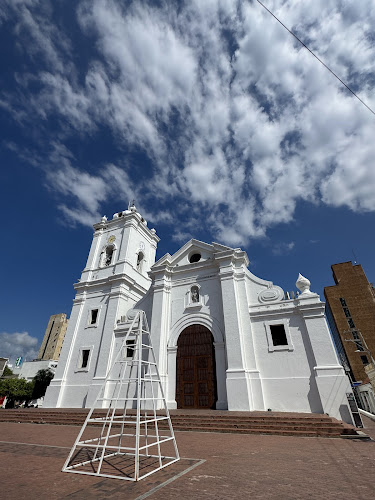
Catedral Basílica de Santa Marta
Tours & Activities
GetYourGuide provides this tour inventory. We may earn a commission if you book through it; verify current availability, prices, and terms with the provider.
Visitor Reviews
There are no reviews yet. Be the first one to write one.
Share Your Experience
Have you visited Ciudad Perdida? Help other travelers by leaving a review.