
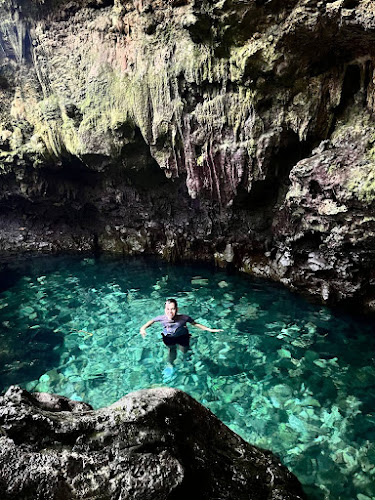
Cateres Cave Pool
About Cateres Cave Pool
Description
Cateres Cave Pool offers travelers a refreshing escape into one of those natural swimming spots that feels like stumbling upon a secret the locals have been keeping to themselves. Located in the Lawang Languyan area, this swimming lake provides visitors with an authentic outdoor experience that goes beyond your typical beach day or hotel pool. The cave pool setting creates something genuinely different from the standard swimming destinations most travelers tick off their lists. You're basically swimming in a natural formation that's been carved out over thousands of years, which when you think about it, is pretty incredible. The water here stays relatively cool throughout the year thanks to the cave's natural insulation and the underground springs that feed into it. What strikes most visitors first is the unique atmosphere created by the surrounding rock formations. It's not every day you get to take a dip while limestone walls tower above you, creating natural shade and a sense of being transported to another world entirely. And honestly, on a hot day in the Philippines, finding natural shade while swimming is worth its weight in gold. The pool attracts a mix of adventurous travelers and Filipino families looking for a weekend getaway spot that won't break the bank. You'll notice the water has that distinctive clarity that comes from natural spring sources, though like most natural swimming areas, it can vary depending on recent rainfall and the season you're visiting.Key Features
- Natural cave formations creating a unique swimming environment with overhead rock structures providing shade throughout most of the day
- Spring-fed waters maintaining cooler temperatures compared to surface-level lakes and pools, making it especially refreshing during the warmest months
- Limestone rock formations surrounding the pool area offering both scenic beauty and geological interest for those fascinated by natural formations
- Relatively uncrowded conditions on weekdays allowing for a more peaceful swimming experience compared to commercial water parks
- Authentic local atmosphere where visitors can interact with Filipino families and experience how locals enjoy their natural resources
- Budget-friendly entrance fees making it accessible for travelers watching their expenses without sacrificing the quality of experience
- Natural depth variations in the pool catering to both confident swimmers and those who prefer staying in shallower areas
- Mosquito presence in surrounding areas due to the natural environment and water source, which is typical for this type of ecological setting
- Basic amenities available including changing areas and picnic spots for visitors planning to spend several hours at the location
- Photo opportunities with the cave backdrop creating Instagram-worthy shots that capture the adventure aspect of Philippine travel
Best Time to Visit
Timing your visit to Cateres Cave Pool can make the difference between a memorable experience and a frustrating one. The dry season from November through May generally offers the most reliable conditions, though each period within those months has its own character. December through February tends to be the sweet spot for many travelers. The temperatures aren't quite as scorching as the summer months, which means you can actually enjoy the walk to the pool without feeling like you're melting. Plus, the water feels refreshingly cool rather than teeth-chatteringly cold. I've found that visiting natural swimming spots during these months gives you the best of both worlds – comfortable air temperature and invigorating water. March through May brings the real heat, and this is when that cool cave pool water becomes absolutely essential rather than just pleasant. But be prepared for more crowds during this period, especially on weekends and public holidays when local families flock to the area. The Easter season particularly sees an uptick in visitors, so if you're traveling during Holy Week, expect company. The rainy season from June through October presents its own considerations. While you might score better deals on accommodation in the area and encounter fewer tourists, the water levels can rise unpredictably, and the surrounding paths may become slippery. Some travelers actually prefer this time because the landscape looks more lush and the whole area feels more dramatic with the increased water flow. Weekday visits almost always beat weekend trips in terms of crowd management. Tuesday through Thursday typically sees the lightest foot traffic, giving you more space to swim and explore without constantly dodging other visitors. Early morning arrivals, around 8 or 9 AM, also help you beat the midday crowds and the strongest afternoon heat.How to Get There
Getting to Cateres Cave Pool requires a bit more effort than simply hopping in a taxi, but that's partly what keeps it from being overrun with tourists. The journey itself becomes part of the adventure rather than just a means to an end. Most travelers will start from a major city or town in the region and need to arrange transportation that can handle some less-than-perfect road conditions. Renting a motorcycle is popular among more adventurous visitors who enjoy the flexibility of stopping along the way and don't mind navigating local roads. Just make sure you've got genuine experience riding in Southeast Asian traffic before committing to this option. For those preferring four wheels, hiring a private vehicle with a driver familiar with the area makes the most sense. This costs more than public transportation but saves considerable time and hassle trying to figure out where exactly you need to go. Local drivers know the shortcuts and can provide context about the area that you'd miss traveling independently. Public transportation exists but requires patience and flexibility with your schedule. You'll likely need to take a combination of jeepneys or tricycles, asking locals for directions along the way. This method works best if you speak some Tagalog or Visayan, though Filipinos are generally incredibly helpful to confused-looking foreigners trying to find their way. The final approach to the cave pool involves some walking on paths that can get muddy after rain. Proper footwear makes this significantly easier – those flip-flops might work fine at the beach, but you'll regret them on slippery cave approaches. The walk takes about 15 to 20 minutes from where most vehicles park, depending on your fitness level and how often you stop to take photos. Consider starting your journey early in the morning to maximize your time at the pool and ensure you're not traveling back in the dark. The local infrastructure doesn't include abundant street lighting, and navigating unfamiliar rural roads after sunset adds unnecessary complexity to your trip.Tips for Visiting
Bring serious mosquito repellent and actually use it before you arrive, not just when you start getting bitten. The cave environment and standing water create ideal breeding conditions for mosquitos, and they're particularly active during dawn and dusk. I learned this the hard way during a similar cave pool visit where I spent more time swatting than swimming. Long-lasting DEET-based formulas work better than natural alternatives in these conditions, though if you have sensitive skin, pack both options. Pack your own food and plenty of drinking water because the available options near the cave pool are limited. A picnic setup works perfectly here, giving you the flexibility to stay as long as you want without worrying about finding lunch. Just remember to pack out everything you pack in – the local environment doesn't need your trash, no matter how small. Waterproof bags or containers for your electronics and valuables are essential. Even if you don't plan on swimming with your phone, the humidity and occasional splashing can damage unprotected devices. Those cheap waterproof pouches from any tourist shop work surprisingly well for basic protection. Test the water depth before jumping or diving into any area. Natural pools don't come with depth markers painted on the side, and underwater rock formations can hide in deceptively shallow-looking water. Wade in first, check your surroundings, then decide if it's safe for more enthusiastic entry methods. Wear water shoes or old sneakers you don't mind getting wet. The pool bottom has rocks and the potentially sharp surfaces that come with natural limestone formations. Going barefoot might seem more authentic, but cutting your foot and limping around for the rest of your vacation isn't the kind of memorable experience you're after. Arrive with realistic expectations about facilities. This isn't a developed resort with pristine bathrooms and changing rooms with mirrors and hairdryers. The changing areas are basic, privacy is minimal, and you might be getting dressed in a bamboo structure that's seen better days. Embrace the rustic nature rather than complaining about what's missing. Respect local customs and dress codes, particularly if Filipino families are present. While swimwear is obviously acceptable, overly revealing outfits can make local visitors uncomfortable. When you're changing or not actively swimming, covering up a bit shows consideration for the cultural context you're visiting. Check recent weather conditions and local advice before making the trip. Flash flooding can occur in cave systems during heavy rainfall, and what seems like a light drizzle upstream can quickly change water conditions. Local guides or accommodation hosts usually have current information about whether it's safe to visit. Bring a basic first aid kit with bandages, antiseptic, and any personal medications you might need. Getting a small cut or scrape is common when exploring natural rock formations, and you'll want to clean and cover it promptly to avoid infection. Consider hiring a local guide for your first visit, especially if you're interested in learning about the geological formations or the history of the area. This provides employment for community members while enriching your experience with context you'd miss traveling independently. Plus, they know which areas photograph best at different times of day. HTML formatted content complete.Key Features
- Karst limestone sinkhole with clear emerald-deep blue water
- Small cave recesses and overhanging rock ledges for jumping
- Relatively uncrowded, authentic local atmosphere
- Shaded pools with photogenic light shafts and reflections
- Short walk from local road with basic, village-run access facilities
More Details
Updated March 30, 2026
Table of Contents
Description
Cateres Cave Pool offers travelers a refreshing escape into one of those natural swimming spots that feels like stumbling upon a secret the locals have been keeping to themselves. Located in the Lawang Languyan area, this swimming lake provides visitors with an authentic outdoor experience that goes beyond your typical beach day or hotel pool.
The cave pool setting creates something genuinely different from the standard swimming destinations most travelers tick off their lists. You’re basically swimming in a natural formation that’s been carved out over thousands of years, which when you think about it, is pretty incredible. The water here stays relatively cool throughout the year thanks to the cave’s natural insulation and the underground springs that feed into it.
What strikes most visitors first is the unique atmosphere created by the surrounding rock formations. It’s not every day you get to take a dip while limestone walls tower above you, creating natural shade and a sense of being transported to another world entirely. And honestly, on a hot day in the Philippines, finding natural shade while swimming is worth its weight in gold.
The pool attracts a mix of adventurous travelers and Filipino families looking for a weekend getaway spot that won’t break the bank. You’ll notice the water has that distinctive clarity that comes from natural spring sources, though like most natural swimming areas, it can vary depending on recent rainfall and the season you’re visiting.
Key Features
- Natural cave formations creating a unique swimming environment with overhead rock structures providing shade throughout most of the day
- Spring-fed waters maintaining cooler temperatures compared to surface-level lakes and pools, making it especially refreshing during the warmest months
- Limestone rock formations surrounding the pool area offering both scenic beauty and geological interest for those fascinated by natural formations
- Relatively uncrowded conditions on weekdays allowing for a more peaceful swimming experience compared to commercial water parks
- Authentic local atmosphere where visitors can interact with Filipino families and experience how locals enjoy their natural resources
- Budget-friendly entrance fees making it accessible for travelers watching their expenses without sacrificing the quality of experience
- Natural depth variations in the pool catering to both confident swimmers and those who prefer staying in shallower areas
- Mosquito presence in surrounding areas due to the natural environment and water source, which is typical for this type of ecological setting
- Basic amenities available including changing areas and picnic spots for visitors planning to spend several hours at the location
- Photo opportunities with the cave backdrop creating Instagram-worthy shots that capture the adventure aspect of Philippine travel
Best Time to Visit
Timing your visit to Cateres Cave Pool can make the difference between a memorable experience and a frustrating one. The dry season from November through May generally offers the most reliable conditions, though each period within those months has its own character.
December through February tends to be the sweet spot for many travelers. The temperatures aren’t quite as scorching as the summer months, which means you can actually enjoy the walk to the pool without feeling like you’re melting. Plus, the water feels refreshingly cool rather than teeth-chatteringly cold. I’ve found that visiting natural swimming spots during these months gives you the best of both worlds – comfortable air temperature and invigorating water.
March through May brings the real heat, and this is when that cool cave pool water becomes absolutely essential rather than just pleasant. But be prepared for more crowds during this period, especially on weekends and public holidays when local families flock to the area. The Easter season particularly sees an uptick in visitors, so if you’re traveling during Holy Week, expect company.
The rainy season from June through October presents its own considerations. While you might score better deals on accommodation in the area and encounter fewer tourists, the water levels can rise unpredictably, and the surrounding paths may become slippery. Some travelers actually prefer this time because the landscape looks more lush and the whole area feels more dramatic with the increased water flow.
Weekday visits almost always beat weekend trips in terms of crowd management. Tuesday through Thursday typically sees the lightest foot traffic, giving you more space to swim and explore without constantly dodging other visitors. Early morning arrivals, around 8 or 9 AM, also help you beat the midday crowds and the strongest afternoon heat.
How to Get There
Getting to Cateres Cave Pool requires a bit more effort than simply hopping in a taxi, but that’s partly what keeps it from being overrun with tourists. The journey itself becomes part of the adventure rather than just a means to an end.
Most travelers will start from a major city or town in the region and need to arrange transportation that can handle some less-than-perfect road conditions. Renting a motorcycle is popular among more adventurous visitors who enjoy the flexibility of stopping along the way and don’t mind navigating local roads. Just make sure you’ve got genuine experience riding in Southeast Asian traffic before committing to this option.
For those preferring four wheels, hiring a private vehicle with a driver familiar with the area makes the most sense. This costs more than public transportation but saves considerable time and hassle trying to figure out where exactly you need to go. Local drivers know the shortcuts and can provide context about the area that you’d miss traveling independently.
Public transportation exists but requires patience and flexibility with your schedule. You’ll likely need to take a combination of jeepneys or tricycles, asking locals for directions along the way. This method works best if you speak some Tagalog or Visayan, though Filipinos are generally incredibly helpful to confused-looking foreigners trying to find their way.
The final approach to the cave pool involves some walking on paths that can get muddy after rain. Proper footwear makes this significantly easier – those flip-flops might work fine at the beach, but you’ll regret them on slippery cave approaches. The walk takes about 15 to 20 minutes from where most vehicles park, depending on your fitness level and how often you stop to take photos.
Consider starting your journey early in the morning to maximize your time at the pool and ensure you’re not traveling back in the dark. The local infrastructure doesn’t include abundant street lighting, and navigating unfamiliar rural roads after sunset adds unnecessary complexity to your trip.
Tips for Visiting
Bring serious mosquito repellent and actually use it before you arrive, not just when you start getting bitten. The cave environment and standing water create ideal breeding conditions for mosquitos, and they’re particularly active during dawn and dusk. I learned this the hard way during a similar cave pool visit where I spent more time swatting than swimming. Long-lasting DEET-based formulas work better than natural alternatives in these conditions, though if you have sensitive skin, pack both options.
Pack your own food and plenty of drinking water because the available options near the cave pool are limited. A picnic setup works perfectly here, giving you the flexibility to stay as long as you want without worrying about finding lunch. Just remember to pack out everything you pack in – the local environment doesn’t need your trash, no matter how small.
Waterproof bags or containers for your electronics and valuables are essential. Even if you don’t plan on swimming with your phone, the humidity and occasional splashing can damage unprotected devices. Those cheap waterproof pouches from any tourist shop work surprisingly well for basic protection.
Test the water depth before jumping or diving into any area. Natural pools don’t come with depth markers painted on the side, and underwater rock formations can hide in deceptively shallow-looking water. Wade in first, check your surroundings, then decide if it’s safe for more enthusiastic entry methods.
Wear water shoes or old sneakers you don’t mind getting wet. The pool bottom has rocks and the potentially sharp surfaces that come with natural limestone formations. Going barefoot might seem more authentic, but cutting your foot and limping around for the rest of your vacation isn’t the kind of memorable experience you’re after.
Arrive with realistic expectations about facilities. This isn’t a developed resort with pristine bathrooms and changing rooms with mirrors and hairdryers. The changing areas are basic, privacy is minimal, and you might be getting dressed in a bamboo structure that’s seen better days. Embrace the rustic nature rather than complaining about what’s missing.
Respect local customs and dress codes, particularly if Filipino families are present. While swimwear is obviously acceptable, overly revealing outfits can make local visitors uncomfortable. When you’re changing or not actively swimming, covering up a bit shows consideration for the cultural context you’re visiting.
Check recent weather conditions and local advice before making the trip. Flash flooding can occur in cave systems during heavy rainfall, and what seems like a light drizzle upstream can quickly change water conditions. Local guides or accommodation hosts usually have current information about whether it’s safe to visit.
Bring a basic first aid kit with bandages, antiseptic, and any personal medications you might need. Getting a small cut or scrape is common when exploring natural rock formations, and you’ll want to clean and cover it promptly to avoid infection.
Consider hiring a local guide for your first visit, especially if you’re interested in learning about the geological formations or the history of the area. This provides employment for community members while enriching your experience with context you’d miss traveling independently. Plus, they know which areas photograph best at different times of day.
HTML formatted content complete.
Key Highlights
- Karst limestone sinkhole with clear emerald-deep blue water
- Small cave recesses and overhanging rock ledges for jumping
- Relatively uncrowded, authentic local atmosphere
- Shaded pools with photogenic light shafts and reflections
- Short walk from local road with basic, village-run access facilities
Location
Places to Stay Near Cateres Cave Pool
Find and Book a Tour
Explore More Travel Guides
No reviews found! Be the first to review!
Cateres Cave Pool is a prominent Lawang Languyan located in Anda.
Visit us at: PGHR+X6G, Dapdap Beach Rd, Anda, Bohol, Philippines.
Traveler Reviews for Cateres Cave Pool
There are no reviews yet. Be the first one to write one.
Have you visited Cateres Cave Pool? Help other travelers by sharing your review.
Nearby Attractions
You Might Also Like
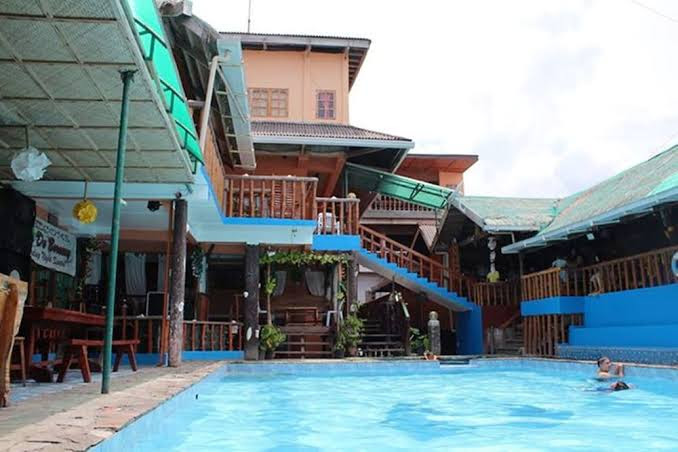
Anda de Boracay White Sand Resort

Anda Food Park
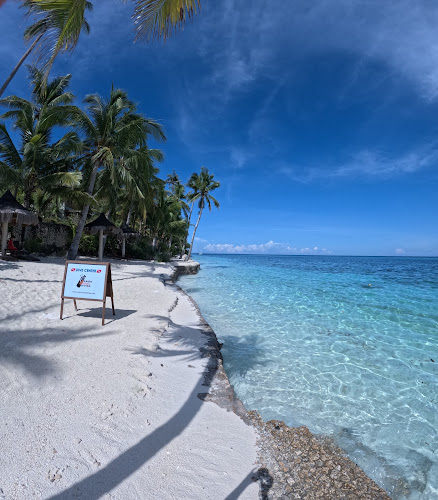
Anda Scuba Diving
Find Accommodations Nearby
Recommended Tours & Activities
Visitor Reviews
There are no reviews yet. Be the first one to write one.
Share Your Experience
Have you visited Cateres Cave Pool? Help other travelers by leaving a review.