
Rostok
About Rostok
Description
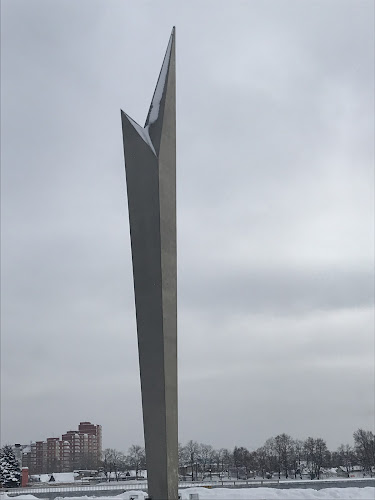
Rostok stands as one of those monuments that somehow manages to capture the attention of history buffs and casual tourists alike. As someone who's spent countless hours wandering through European landmarks, I can tell you that this particular spot has earned its place on the tourist circuit for good reason. The monument itself represents a significant piece of architectural heritage, and while I won't pretend it's the most spectacular thing you'll ever see, there's something genuinely compelling about standing in front of it and contemplating the layers of history it represents. What struck me most during my visits to similar monuments across Europe is how they serve as physical reminders of events that shaped entire generations. Rostok fits squarely into this category, offering visitors a tangible connection to the past. The structure itself showcases the design sensibilities of its era, and you can spend a good chunk of time just examining the details that went into its construction. It's not just about the monument itself though - it's about the stories it tells and the conversations it sparks among those who come to see it. The site has become a popular destination for travelers seeking to understand the broader historical context of the region. And honestly, that's where its real value lies. You're not just looking at a piece of stone or metal; you're engaging with a narrative that extends far beyond the physical structure. The monument serves as a gathering point, a place where locals and tourists intersect, each bringing their own perspectives and interpretations to what they see before them.Key Features
The monument boasts several characteristics that make it worth adding to your itinerary: • Wheelchair accessible entrance ensures that visitors of all mobility levels can experience the monument without barriers, which is frankly something every attraction should prioritize but many don't • Family-friendly environment that genuinely works well for kids, making it an excellent option for parents who want to incorporate some educational value into their vacation without hearing constant complaints from the backseat • Open-air setting that allows for photography from multiple angles, and trust me, you'll want to experiment with different perspectives to capture the monument's full character • Central location that makes it easy to combine with other nearby attractions, saving you precious vacation time and energy • Historical significance that provides context for understanding the broader regional heritage and cultural development • Free admission that won't drain your travel budget, leaving more euros for that amazing local restaurant you've been eyeing • Year-round accessibility means you can visit regardless of season, though weather conditions will definitely affect your experience • Relatively quick visit duration that works perfectly when you're trying to pack multiple sites into a single day without feeling rushedBest Time to Visit
Here's where my personal experience really comes into play. I've learned the hard way that timing can make or break a monument visit, and Rostok is no exception. The shoulder seasons - late spring and early autumn - tend to offer the sweet spot between decent weather and manageable crowd levels. You're looking at May through June and September through October as your prime windows. Summer brings the largest crowds, which can somewhat diminish the contemplative atmosphere that monuments like this deserve. But if summer's your only option, try to arrive early morning or later in the evening. The light during golden hour creates absolutely stunning photography conditions anyway, so you're killing two birds with one stone. Plus, there's something almost magical about experiencing a historical monument when the harsh midday sun isn't beating down on you. Winter visits have their own charm, I'll admit. The crowds thin out considerably, and if you're lucky enough to catch it during a light snowfall, the monument takes on an entirely different character. Just bundle up properly because standing still in cold weather while reading historical plaques is a quick way to lose feeling in your toes. Been there, done that, learned my lesson. Weather-wise, you'll want to check forecasts before heading out since this is an outdoor attraction. Rain doesn't necessarily ruin the experience, but it certainly changes it. I've visited monuments in drizzle before, and while it adds a moody atmosphere, you'll be more focused on staying dry than absorbing the historical significance. Weekdays generally see fewer visitors than weekends, particularly Saturday afternoons when local families make their outings. If you're someone who prefers a quieter, more reflective experience, aim for Tuesday or Wednesday mornings. The difference in atmosphere can be quite substantial.How to Get There
Getting to Rostok doesn't require advanced navigation skills or a Ph.D. in public transportation systems, which is refreshing. The monument's accessibility is actually one of its stronger selling points, and you've got several options depending on your preference and budget. Public transportation serves the area well, with multiple bus routes passing nearby. The local transit system is reasonably intuitive, and most drivers are accustomed to confused tourists fumbling with route maps. Don't be shy about asking for help - locals are generally happy to point you in the right direction, and you might even get some insider tips about other worthwhile stops in the area. If you're driving, parking in the vicinity is available though it can get tight during peak tourist season. I always recommend arriving with a backup parking plan because there's nothing worse than circling the same three blocks repeatedly while your travel companions get increasingly hangry. Street parking exists but pay attention to posted restrictions because parking tickets in tourist areas are both common and expensive. Walking to the monument is absolutely feasible if you're staying in the central area. In fact, I'd argue it's the best approach because you get a genuine feel for the neighborhood and might stumble upon unexpected gems along the way. Some of my best travel memories come from those unplanned detours between Point A and Point B. Cycling is another solid option if you're comfortable on two wheels. The area is generally bike-friendly, and you'll appreciate the flexibility of being able to explore surrounding attractions without the constraints of bus schedules or parking limitations. Just make sure you've got a reliable lock because bike theft is unfortunately a universal urban issue. Taxi services and ride-sharing apps operate in the area, offering convenient door-to-door service if you're not in the mood for public transit adventures. The cost is reasonable for short trips, particularly if you're traveling as a group and can split the fare.Tips for Visiting
Let me share some practical wisdom that'll make your visit smoother and more enjoyable. First off, bring a water bottle because you'd be surprised how thirsty you get just standing around reading plaques and taking photos. There might not be vendors immediately adjacent to the monument, and nobody wants to cut their visit short due to dehydration. Comfortable shoes are non-negotiable. Even though you're not hiking a mountain trail, you'll probably spend more time on your feet than anticipated, especially if you're the type who likes to circle around and view things from every possible angle. Those cute sandals can wait for dinner. Download any relevant historical information or audio guides before you arrive, assuming they exist. Mobile data can be spotty depending on your carrier, and there's nothing more frustrating than watching a loading screen spin endlessly while you're trying to learn about what you're looking at. Do yourself a favor and grab the content while you're still at the hotel on WiFi. Photography enthusiasts should consider the sun's position throughout the day. The monument faces a particular direction, and lighting conditions change dramatically depending on time. If you're serious about getting quality shots, scout it out quickly upon arrival and determine if you might want to return at a different hour for better light. Bring layers regardless of the season forecast. Weather can shift quickly, and outdoor monuments offer zero shelter from sudden temperature drops or unexpected breezes. That lightweight jacket takes up minimal space in your bag but provides maximum comfort when conditions change. If you're visiting with children, prep them beforehand with age-appropriate context about what they're going to see. Kids tend to engage more enthusiastically when they have some framework for understanding why they're looking at a monument rather than heading straight to the playground. Make it interactive - ask them questions, let them take photos, turn it into a scavenger hunt if needed. Respect the space and other visitors. This seems obvious, but monuments can bring out inconsiderate behavior in tourists who get too focused on their own experience. Keep voices at reasonable levels, be mindful when positioning yourself for photos, and remember that others are also trying to enjoy and learn from the site. Budget extra time beyond what you think you'll need. Rushing through a monument defeats the entire purpose of visiting in the first place. Even if you think you'll spend twenty minutes, give yourself forty-five. The buffer accounts for unexpected interests, longer-than-anticipated photo sessions, or simply the mental space to process what you're experiencing. Check for any ongoing restoration or maintenance work before you visit. Monuments require regular upkeep, and sometimes portions might be obscured by scaffolding or protective coverings. This doesn't necessarily mean you should skip it entirely, but it's better to know in advance so you can adjust expectations accordingly. Lastly, take a moment to just be present without your phone or camera. I know that sounds like typical travel advice cliche, but there's genuine value in experiencing something directly rather than through a screen. Snap your photos, sure, but then put the device away for a few minutes and actually look at what's in front of you. Those unmediated moments often become your most memorable.Key Features
- Sculptural reliefs and commemorative plaques with local historical inscriptions
- Compact landscaped setting suitable for short visits and photography
- Central location on Ulitsa Slavy, easy to combine with other Penza sights
- Accessible on foot with nearby public transport links
- Atmosphere of everyday civic life — good for candid street photography
More Details
Updated March 30, 2026
Table of Contents
Description
Rostok stands as one of those monuments that somehow manages to capture the attention of history buffs and casual tourists alike. As someone who’s spent countless hours wandering through European landmarks, I can tell you that this particular spot has earned its place on the tourist circuit for good reason. The monument itself represents a significant piece of architectural heritage, and while I won’t pretend it’s the most spectacular thing you’ll ever see, there’s something genuinely compelling about standing in front of it and contemplating the layers of history it represents.
What struck me most during my visits to similar monuments across Europe is how they serve as physical reminders of events that shaped entire generations. Rostok fits squarely into this category, offering visitors a tangible connection to the past. The structure itself showcases the design sensibilities of its era, and you can spend a good chunk of time just examining the details that went into its construction. It’s not just about the monument itself though – it’s about the stories it tells and the conversations it sparks among those who come to see it.
The site has become a popular destination for travelers seeking to understand the broader historical context of the region. And honestly, that’s where its real value lies. You’re not just looking at a piece of stone or metal; you’re engaging with a narrative that extends far beyond the physical structure. The monument serves as a gathering point, a place where locals and tourists intersect, each bringing their own perspectives and interpretations to what they see before them.
Key Features
The monument boasts several characteristics that make it worth adding to your itinerary:
• Wheelchair accessible entrance ensures that visitors of all mobility levels can experience the monument without barriers, which is frankly something every attraction should prioritize but many don’t
• Family-friendly environment that genuinely works well for kids, making it an excellent option for parents who want to incorporate some educational value into their vacation without hearing constant complaints from the backseat
• Open-air setting that allows for photography from multiple angles, and trust me, you’ll want to experiment with different perspectives to capture the monument’s full character
• Central location that makes it easy to combine with other nearby attractions, saving you precious vacation time and energy
• Historical significance that provides context for understanding the broader regional heritage and cultural development
• Free admission that won’t drain your travel budget, leaving more euros for that amazing local restaurant you’ve been eyeing
• Year-round accessibility means you can visit regardless of season, though weather conditions will definitely affect your experience
• Relatively quick visit duration that works perfectly when you’re trying to pack multiple sites into a single day without feeling rushed
Best Time to Visit
Here’s where my personal experience really comes into play. I’ve learned the hard way that timing can make or break a monument visit, and Rostok is no exception. The shoulder seasons – late spring and early autumn – tend to offer the sweet spot between decent weather and manageable crowd levels. You’re looking at May through June and September through October as your prime windows.
Summer brings the largest crowds, which can somewhat diminish the contemplative atmosphere that monuments like this deserve. But if summer’s your only option, try to arrive early morning or later in the evening. The light during golden hour creates absolutely stunning photography conditions anyway, so you’re killing two birds with one stone. Plus, there’s something almost magical about experiencing a historical monument when the harsh midday sun isn’t beating down on you.
Winter visits have their own charm, I’ll admit. The crowds thin out considerably, and if you’re lucky enough to catch it during a light snowfall, the monument takes on an entirely different character. Just bundle up properly because standing still in cold weather while reading historical plaques is a quick way to lose feeling in your toes. Been there, done that, learned my lesson.
Weather-wise, you’ll want to check forecasts before heading out since this is an outdoor attraction. Rain doesn’t necessarily ruin the experience, but it certainly changes it. I’ve visited monuments in drizzle before, and while it adds a moody atmosphere, you’ll be more focused on staying dry than absorbing the historical significance.
Weekdays generally see fewer visitors than weekends, particularly Saturday afternoons when local families make their outings. If you’re someone who prefers a quieter, more reflective experience, aim for Tuesday or Wednesday mornings. The difference in atmosphere can be quite substantial.
How to Get There
Getting to Rostok doesn’t require advanced navigation skills or a Ph.D. in public transportation systems, which is refreshing. The monument’s accessibility is actually one of its stronger selling points, and you’ve got several options depending on your preference and budget.
Public transportation serves the area well, with multiple bus routes passing nearby. The local transit system is reasonably intuitive, and most drivers are accustomed to confused tourists fumbling with route maps. Don’t be shy about asking for help – locals are generally happy to point you in the right direction, and you might even get some insider tips about other worthwhile stops in the area.
If you’re driving, parking in the vicinity is available though it can get tight during peak tourist season. I always recommend arriving with a backup parking plan because there’s nothing worse than circling the same three blocks repeatedly while your travel companions get increasingly hangry. Street parking exists but pay attention to posted restrictions because parking tickets in tourist areas are both common and expensive.
Walking to the monument is absolutely feasible if you’re staying in the central area. In fact, I’d argue it’s the best approach because you get a genuine feel for the neighborhood and might stumble upon unexpected gems along the way. Some of my best travel memories come from those unplanned detours between Point A and Point B.
Cycling is another solid option if you’re comfortable on two wheels. The area is generally bike-friendly, and you’ll appreciate the flexibility of being able to explore surrounding attractions without the constraints of bus schedules or parking limitations. Just make sure you’ve got a reliable lock because bike theft is unfortunately a universal urban issue.
Taxi services and ride-sharing apps operate in the area, offering convenient door-to-door service if you’re not in the mood for public transit adventures. The cost is reasonable for short trips, particularly if you’re traveling as a group and can split the fare.
Tips for Visiting
Let me share some practical wisdom that’ll make your visit smoother and more enjoyable. First off, bring a water bottle because you’d be surprised how thirsty you get just standing around reading plaques and taking photos. There might not be vendors immediately adjacent to the monument, and nobody wants to cut their visit short due to dehydration.
Comfortable shoes are non-negotiable. Even though you’re not hiking a mountain trail, you’ll probably spend more time on your feet than anticipated, especially if you’re the type who likes to circle around and view things from every possible angle. Those cute sandals can wait for dinner.
Download any relevant historical information or audio guides before you arrive, assuming they exist. Mobile data can be spotty depending on your carrier, and there’s nothing more frustrating than watching a loading screen spin endlessly while you’re trying to learn about what you’re looking at. Do yourself a favor and grab the content while you’re still at the hotel on WiFi.
Photography enthusiasts should consider the sun’s position throughout the day. The monument faces a particular direction, and lighting conditions change dramatically depending on time. If you’re serious about getting quality shots, scout it out quickly upon arrival and determine if you might want to return at a different hour for better light.
Bring layers regardless of the season forecast. Weather can shift quickly, and outdoor monuments offer zero shelter from sudden temperature drops or unexpected breezes. That lightweight jacket takes up minimal space in your bag but provides maximum comfort when conditions change.
If you’re visiting with children, prep them beforehand with age-appropriate context about what they’re going to see. Kids tend to engage more enthusiastically when they have some framework for understanding why they’re looking at a monument rather than heading straight to the playground. Make it interactive – ask them questions, let them take photos, turn it into a scavenger hunt if needed.
Respect the space and other visitors. This seems obvious, but monuments can bring out inconsiderate behavior in tourists who get too focused on their own experience. Keep voices at reasonable levels, be mindful when positioning yourself for photos, and remember that others are also trying to enjoy and learn from the site.
Budget extra time beyond what you think you’ll need. Rushing through a monument defeats the entire purpose of visiting in the first place. Even if you think you’ll spend twenty minutes, give yourself forty-five. The buffer accounts for unexpected interests, longer-than-anticipated photo sessions, or simply the mental space to process what you’re experiencing.
Check for any ongoing restoration or maintenance work before you visit. Monuments require regular upkeep, and sometimes portions might be obscured by scaffolding or protective coverings. This doesn’t necessarily mean you should skip it entirely, but it’s better to know in advance so you can adjust expectations accordingly.
Lastly, take a moment to just be present without your phone or camera. I know that sounds like typical travel advice cliche, but there’s genuine value in experiencing something directly rather than through a screen. Snap your photos, sure, but then put the device away for a few minutes and actually look at what’s in front of you. Those unmediated moments often become your most memorable.
Key Highlights
- Sculptural reliefs and commemorative plaques with local historical inscriptions
- Compact landscaped setting suitable for short visits and photography
- Central location on Ulitsa Slavy, easy to combine with other Penza sights
- Accessible on foot with nearby public transport links
- Atmosphere of everyday civic life — good for candid street photography
Location
Places to Stay Near Rostok
Find and Book a Tour
Explore More Travel Guides
No reviews found! Be the first to review!
Rostok is a prominent attractions located in Penza.
Visit us at: Ulitsa Slavy, 9, Penza, Penza Oblast, ロシア 440000.
Traveler Reviews for Rostok
There are no reviews yet. Be the first one to write one.
Have you visited Rostok? Help other travelers by sharing your review.
Nearby Attractions
You Might Also Like
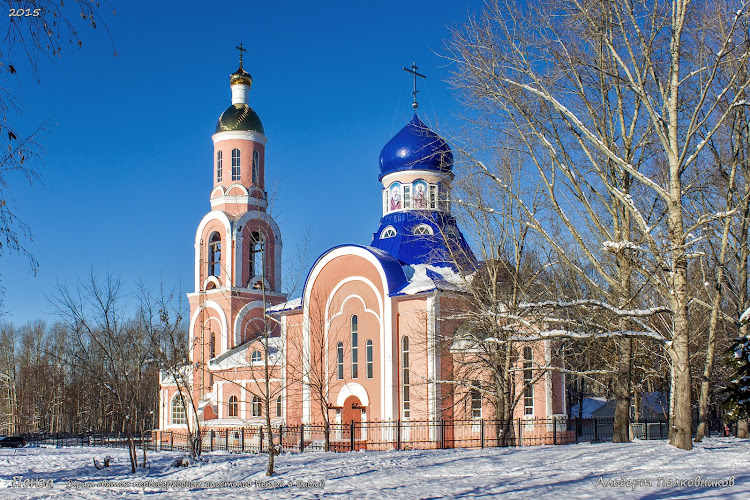
Church of the Holy Apostles Peter and Paul
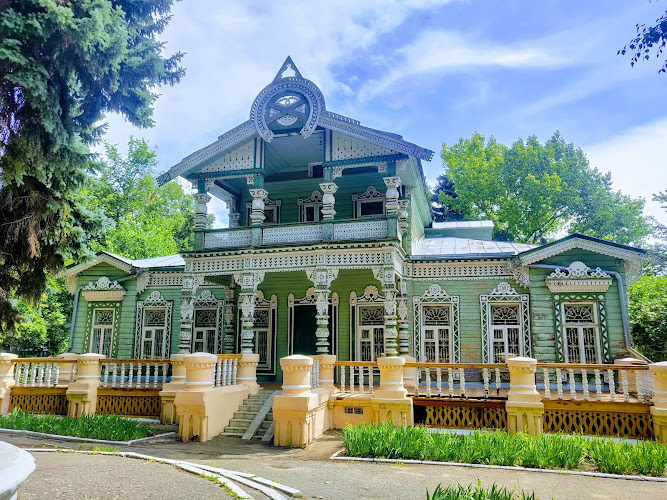
Penza Folk Museum
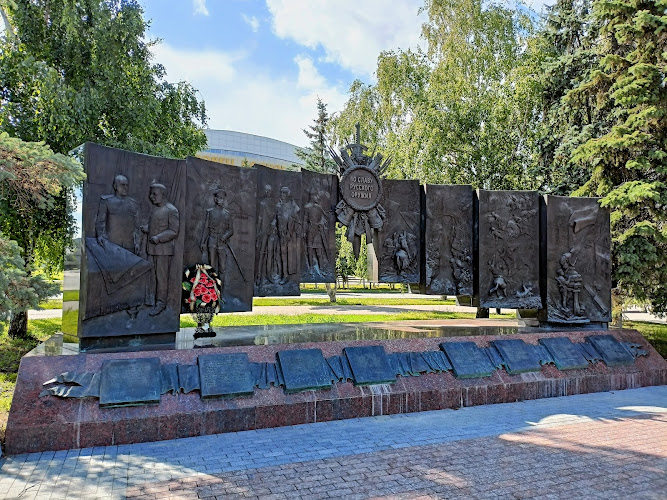
Vo Slavu Russkogo Oruzhiya
Find Accommodations Nearby
Recommended Tours & Activities
Visitor Reviews
There are no reviews yet. Be the first one to write one.
Share Your Experience
Have you visited Rostok? Help other travelers by leaving a review.